What Wood Is Naturally Black? Truly Black vs Just Dark (Table)
Only two commercial woods are truly black: Gaboon ebony and African blackwood. Wenge, black walnut, and black ironwood are dark, but their heartwood is brown, streaked, or reddish, not black. Both true black woods are expensive and legally restricted, so most buyers end up with a dark look-alike or a dyed board. This guide sorts the real black woods from the pretenders, with a comparison table and safe alternatives.
What Wood Is Naturally Black?
Best Black Wood Dye Pick | |
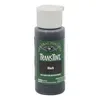 |
TransTint Dyes, Black, 2oz A concentrated liquid dye that turns pale or light-brown wood dark without hiding the grain, for when real ebony is out of budget or out of reach.
|
As an Amazon Associate we earn from qualifying purchases. | |
Two species deserve the label. Gaboon ebony is described as usually jet-black with little to no variation or visible grain. African blackwood is often completely black, though some boards come out slightly lighter with a dark brown or purplish hue. Everything else people call black wood is either striped, brown until it is finished, or black because of something that happened to it after the tree died.
The table below puts the common candidates side by side. Species facts come from the Wood Database entries for each wood.
| Wood | Actual heartwood color | Janka hardness | Conservation status |
|---|---|---|---|
| Gaboon ebony (Diospyros crassiflora) | Usually jet-black, little visible grain | 3,080 lbf | CITES Appendix II; IUCN endangered |
| African blackwood (Dalbergia melanoxylon) | Often completely black; sometimes dark brown or purplish | 3,670 lbf | CITES Appendix II; IUCN near threatened |
| Macassar ebony (Diospyros celebica) | Yellow to reddish brown with dark brown or black stripes | 3,220 lbf | Not CITES-listed; IUCN vulnerable |
| Wenge (Millettia laurentii) | Medium brown with nearly black streaks; oil finish makes it nearly black | 1,930 lbf | Not CITES-listed; IUCN endangered |
| Black walnut (Juglans nigra) | Pale brown to dark chocolate brown, not black | 1,010 lbf | Not CITES-listed; IUCN least concern |
| Black ironwood (Krugiodendron ferreum) | Reds, oranges, violets, and browns | 3,660 lbf | Not CITES-listed or IUCN-listed |
Truly Black vs Just Dark: The Names That Mislead
The biggest source of confusion is naming. A wood called black something is not always black, and the reverse is also true. Here are the three most common mix-ups.
Black Walnut Is Brown
Black walnut is a favorite for furniture, but its heartwood runs from pale brown to dark chocolate brown, and the Wood Database notes it is rarely stained because the natural color is already so popular. It also fades in direct sunlight, so a walnut table that started dark can lighten over time without a UV-resistant finish. If you need real black, walnut is not it. See our ranking of the darkest wood species for how walnut compares.
Black Ironwood Is Not a Black Wood You Can Buy
Black ironwood sounds like an ultra-dense black lumber, and it is dense at 3,660 lbf, but the heartwood shows reds, oranges, violets, and browns. The tree only reaches about 20 to 30 feet tall with a trunk of 6 to 12 inches, so it is not sold commercially. You may find small pieces for hobby use within its native range, not in a lumberyard.
Wenge Is Brown Until You Finish It
Wenge starts out medium brown with nearly black streaks and becomes nearly black after an oil finish. It is much cheaper and more available than ebony, which is why it is the go-to dark wood for furniture. It can lighten in sunlight, unlike most dark hardwoods, and it needs more careful handling than its price suggests (see the safety section below).
Woods That Turn Black After the Tree Dies
Some black wood is not a species at all. Bog oak is oak that has been buried in a peat bog for hundreds or sometimes thousands of years. Very low oxygen protects the wood from normal decay, and the acidic peat lets iron salts and other minerals react with the tannins in the wood, slowly turning it dark brown to almost black. English oak is the most commonly salvaged type.
This is the angle most black-wood articles miss: bog oak is nature’s version of ebonizing. Woodworkers who ebonize furniture use the same chemistry, iron reacting with tannins, only in an afternoon instead of a few thousand years. Bog oak supply is very limited and prices are very high, and it is hard on tools because it can contain sand and it may warp if not dried properly.
Do You Need Real Black Wood? Three Cheaper Routes
Route 1: Ebonize a Tannin-Rich Wood
Ebonizing means brushing on iron acetate, usually made by soaking steel wool in vinegar, so it reacts with tannins in the wood and turns it black. Because the reaction depends on tannin, oak and other tannin-rich woods darken most strongly, while low-tannin woods such as maple or pine may barely change without a tannin boost first. Always test on an offcut, because the same solution can look grey on one board and black on the next.
Route 2: Dye a Light Wood
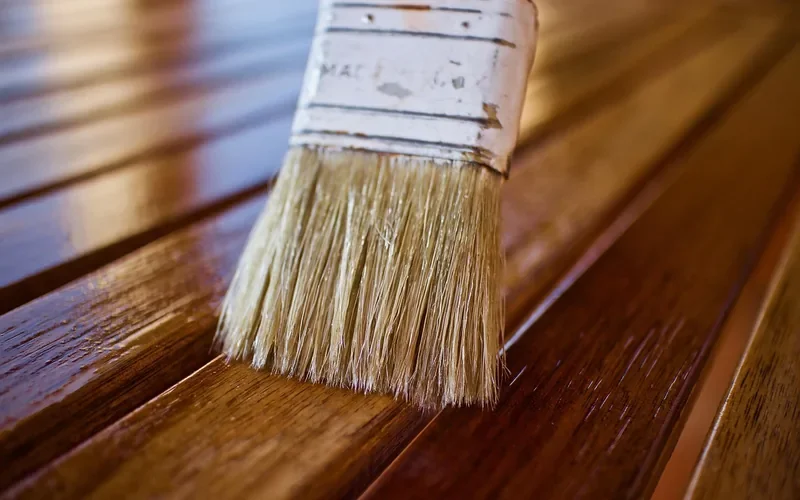
A liquid black dye colors any species and keeps the grain visible, which makes it the most predictable option for a project where every board must match. Apply thin coats, let each dry, and seal with a clear topcoat. Compared with paint, dye lets the texture of the wood show through, which is what makes the result read as wood rather than as a painted surface.
Route 3: Choose a Naturally Dark Wood and Oil It
If you can live with very dark brown, wenge with an oil finish gets close to black at a fraction of the cost of ebony. For a pure black accent on a small piece, such as inlay, a handle, or a pen blank, buying a small legal offcut of true ebony or blackwood is often more practical than trying to fake it.
What Real Black Wood Is Used For
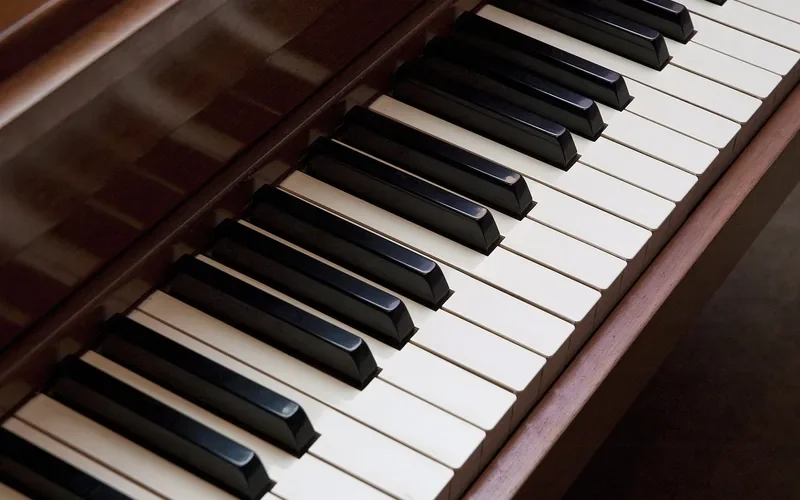
- Gaboon ebony: piano keys, musical instrument parts, pool cues, carvings, and other small specialty items.
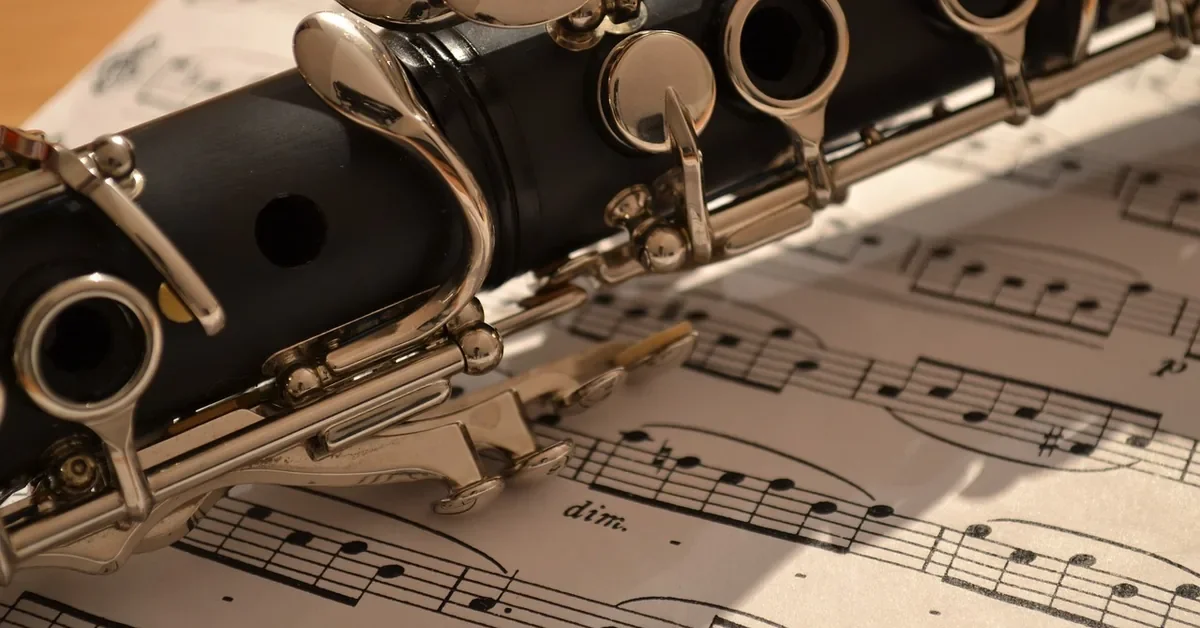
- African blackwood: clarinets, oboes, guitars, turned objects, inlay, carving, and tool handles.
- Macassar ebony: veneer, high-end cabinetry, billiard cues, and musical instruments.
- Wenge: veneer, paneling, furniture, turned objects, and musical instruments.
Notice that the truly black woods go into small items. Both trees are small and slow-growing, which is why boards are narrow and why large black tabletops are almost always veneer, dyed wood, or a dark brown species. For flooring, see our guide to black wood flooring.
Cost, Legality, and Safety Before You Buy
Gaboon ebony is among the most expensive lumber available, typically 2 to 3 times the cost of rosewood species, and African blackwood is priced similarly. Both are listed on CITES Appendix II, which puts controls on international trade, so buy from a supplier who can document the wood’s source. For a deeper look at legal supply and alternatives, read is ebony wood sustainable, and for what drives the price, see is ebony wood expensive.
Dust and splinters matter too. African blackwood has been reported as a sensitizer, with eye, skin, and respiratory irritation the most common reactions. Wenge is very splintery, the splinters can be large, and the Wood Database warns they tend to heal slowly and may go septic. Its dust is also a sensitizer. Wear a dust mask or respirator, eye protection, and gloves when machining any of these woods, and see our profile of African blackwood for more on working it.
For the opposite end of the color range, see the whitest wood.
Frequently Asked Questions
What wood is naturally black?
Only a few woods are truly black. Gaboon ebony (Diospyros crassiflora) has jet-black heartwood, and African blackwood (Dalbergia melanoxylon) is often completely black. Other so-called black woods, including wenge, black walnut, and black ironwood, are dark brown or streaked rather than truly black.
Is black walnut actually black?
No. Black walnut heartwood ranges from pale brown to dark chocolate brown, sometimes with grey, purple, or reddish tints. The name refers to the species, not the color, and the wood can fade in direct sunlight unless it is sealed.
Is ebony black all the way through?
Gaboon ebony heartwood is usually jet-black with little visible grain, but that only applies to the heartwood. Macassar ebony is a different species with a yellow to reddish brown body and dark brown or black stripes, so it looks very different from solid black ebony.
What is the cheapest way to get a black wood look?
Dye or ebonize a common hardwood. Liquid black wood dye works on almost any species, and ebonizing uses iron and tannins to darken wood chemically. Both cost a small fraction of real ebony, which is among the most expensive lumber sold.
Conclusion
If a board is truly black all the way through, it is almost certainly Gaboon ebony or African blackwood, and it will cost accordingly. Wenge, walnut, and black ironwood are dark but not black, and bog oak is black only because of thousands of years in a peat bog. For most projects, a dyed or ebonized hardwood delivers the look without the price or the legal paperwork.
Sponsored / affiliate links. As an Amazon Associate I earn from qualifying purchases. I may earn additional commission from eligible campaigns.