Is Spruce Good for Outdoor Use? (EN 350 Durability Explained)
Spruce is not naturally good for outdoor use — it rates EN 350 Class 4 (“slightly durable,” 5–10 years untreated) because its heartwood resists rot poorly and its sapwood accepts almost no natural protection. Left unsealed, exposed spruce decking or siding will show soft, discolored wood within a season. This guide covers spruce’s real durability class, why pressure treatment on spruce underperforms pressure-treated pine, and what actually protects it outdoors.
Introduction To Spruce Wood
Best Sealer Pick for Spruce
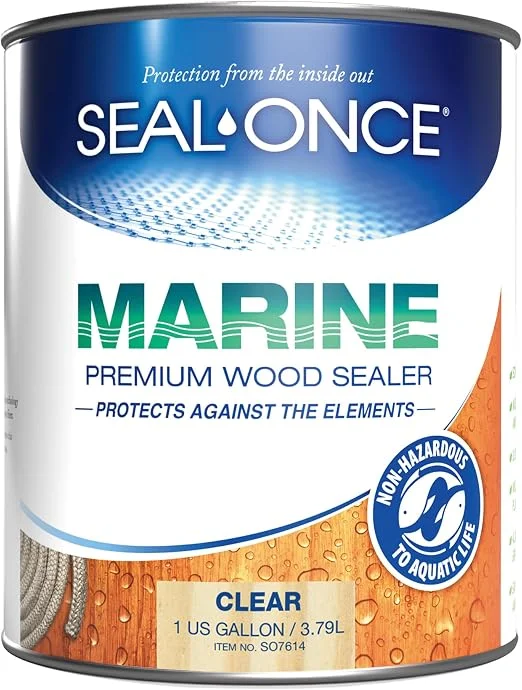 |
SEAL-Once Marine Penetrating Wood Sealer & Waterproofer (1 Gal, Clear) – $66.98 A penetrating (not film-forming) sealer is exactly what spruce needs given its poor natural treatability discussed above — it soaks into the wood fibers instead of sitting on top where it can crack and let water in behind it.
|
Spruce is a softwood common throughout the northern hemisphere, prized for its pale, uniform grain and its low cost compared to cedar, redwood, or teak. It shows up constantly in framing lumber, paper pulp, and even guitar soundboards, where its stiffness-to-weight ratio is an asset. Its light color and smooth texture also make it easy to sand and finish for furniture work.
None of that makes it a durable outdoor wood on its own. So is spruce good for outdoor use compared to cedar, which is naturally rot-resistant? Not without help — the rest of this guide explains exactly why, using the actual durability classification lumber standards bodies assign to it.
Characteristics Of Spruce
Spruce wood has a pale, yellowish-white color that takes stain or paint evenly. It has a low density, which makes it lightweight and easy to handle, but that same low density means less material mass standing between the wood fibers and moisture, insects, and fungal decay. To make spruce wood more resistant to outdoor elements, mills pressure-treat it with chemical preservatives — though as the durability section below explains, that treatment doesn’t penetrate spruce as evenly as it does other softwoods.
Common Uses In Construction And Design
Spruce lumber is commonly used for framing, roof decking, and sheathing — all interior or protected applications where moisture exposure is limited. It also shows up in musical instruments like guitar soundboards, thanks to its acoustic resonance, and in interior trim, cabinetry, and furniture, where its soft, straight grain is easy to carve and shape. It is a poor choice for anything left exposed to rain and sun without a barrier coating.
Comparing Outdoor Woods
When it comes to choosing the right wood for outdoor projects, durability is the deciding factor. Here’s how spruce actually stacks up against other common outdoor wood choices.
Spruce Vs. Other Popular Woods
1. Moisture resistance: Spruce has low natural moisture resistance compared to woods like cedar or teak, both of which contain natural oils that shed water. Properly sealed, spruce can still perform in outdoor settings, but the seal is doing nearly all the work.
2. Rot resistance: Spruce is not naturally rot-resistant like redwood or cypress. It needs preservative treatment and ongoing maintenance to hold up outdoors at all.
3. Strength: Spruce is a reasonably strong wood for its weight, but it’s not as durable under repeated wetting and drying as woods like oak or ipe. For structural outdoor applications like ground-contact posts, other species are the better call.
4. Price: Spruce is generally cheaper than teak or mahogany, which is exactly why it keeps showing up in budget outdoor builds despite its weaker natural durability.
5. Appearance: Spruce has a light, pale color with a subtle grain pattern. If you want a bolder, more pronounced grain, oak or cedar will read better once finished.
Spruce Wood Durability: The EN 350 Classification
Untreated spruce heartwood is rated EN 350 Durability Class 4 (“slightly durable”), meaning an untreated piece in ground contact typically lasts only 5–10 years before structural failure. Spruce sapwood rates even lower, at Class 5 (“not durable”). For comparison, naturally durable woods like teak or redwood rate Class 1–2, with an expected service life of 15–25+ years in the same conditions.
📊 Spruce heartwood is classified as “difficult to treat” under EN 350 — while pine sapwood is rated Class 1 (“easy to treat”), meaning preservative reaches pine’s cell structure far more evenly than it does spruce’s. That’s why factory-treated spruce lumber can still fail sooner than treated pine, even from the same treatment process. Source: APA Wood Europe, EN 350:2016 Durability Standard
Why Pressure-Treated Spruce Underperforms Pressure-Treated Pine
Pressure treatment forces preservative chemical into the wood’s cell structure, but it can only go where the wood’s own pores allow it. Pine sapwood has open, permeable cells that accept deep, even penetration. Spruce’s cells are more resinous and closed off, so preservative tends to stay near the surface instead of saturating the board. The practical result: two boards can come off the same treatment line with the same chemical retention rating, and the pine board will still outlast the spruce board outdoors.
What this means in practice: don’t assume “pressure-treated” automatically means “durable” when the label says spruce or SPF (spruce-pine-fir) lumber. Check the treatment retention level, and plan on more frequent resealing than you would with treated pine or naturally durable species.
Treatment And Protection
Because spruce brings little natural resistance to the table, treatment is what actually determines whether it survives outdoors. A penetrating sealer, applied on schedule, does more for spruce’s outdoor lifespan than any other single factor.
Preservatives For Spruce
Spruce is commonly treated with oil-based or water-based penetrating preservatives rather than film-forming coatings, since a film coating that cracks lets water in behind it with nowhere to escape.
Sealing And Staining Options
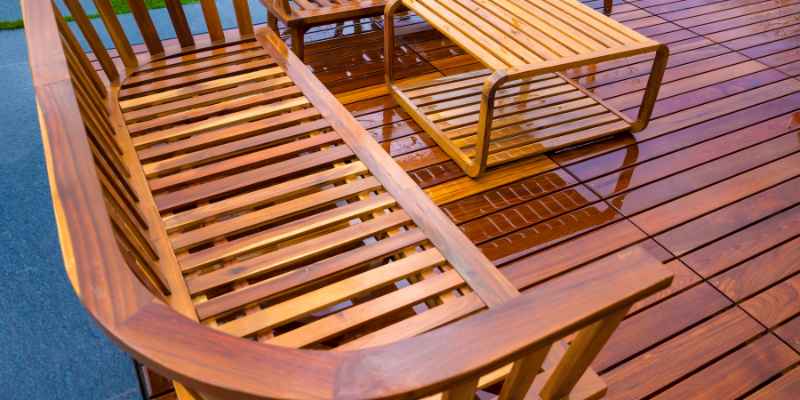
Sealing spruce improves its durability and weather resistance, but given the treatability issue above, plan to reapply a penetrating sealer every 1–2 years on horizontal surfaces like decking, rather than the 3–5 year interval that works on naturally durable species.
Maintenance Of Outdoor Spruce
Because spruce has so little natural reserve durability, maintenance isn’t optional the way it might be with cedar or redwood — skipping a resealing cycle on spruce shortens its life much faster.
Routine Cleaning Tips
- Use a soft-bristled brush to remove dirt and debris from the surface of the spruce wood.
- Wash the wood with a mild soap solution and rinse it thoroughly with water.
- Avoid harsh chemicals or pressure washers, which can strip the finish and force water into the grain.
- Let the spruce dry completely before applying any sealer or stain.
Repair And Restoration Techniques
| Problem | Solution |
|---|---|
| Cracks and Splits | Fill with wood filler, sand smooth, then apply a sealer or stain to protect the repair. |
| Wood Rot | Remove the rotted wood with a chisel, fill with wood filler, sand smooth, and reseal. |
| Stains and Discoloration | Sand the area and apply a wood bleach solution, rinse thoroughly, dry, then reseal. |
Sustainability Of Spruce
Spruce’s environmental profile is a genuine point in its favor even though its outdoor durability isn’t. Fast growth rates and wide availability make it one of the more renewable softwood options on the market.
Eco-Friendly Aspects
Spruce trees grow quickly relative to hardwoods, which shortens harvest rotations and reduces pressure on old-growth forests.
Sourcing Responsibly
Look for FSC or SFI certification when buying spruce lumber, which confirms it came from a forest managed for long-term biodiversity and regrowth rather than clear-cutting.
Cost-Effectiveness
Spruce’s low upfront cost is real, but it needs to be weighed against its shorter outdoor service life and more frequent resealing schedule — the total cost of ownership over 15 years can end up closer to cedar than the sticker price suggests.
Price Comparison With Alternatives
Spruce lumber typically runs noticeably cheaper per board foot than cedar or redwood at most lumberyards, which is why it remains popular for framing and budget outdoor builds.
Balancing Quality And Budget
For a short-term or replaceable project — a garden trellis, temporary form work, a one-season planter — spruce’s low cost makes sense. For anything meant to last a decade or more outdoors, budget for treatment and maintenance as part of the real cost, not an afterthought.
Real-World Lifespan Expectations
Based on the EN 350 Class 4 rating above, untreated spruce in ground contact should be expected to last 5–10 years before structural failure, and considerably less in a wet climate. Properly pressure-treated and consistently resealed spruce can extend well past that window, but the extension comes from the maintenance schedule, not the wood itself.
For above-ground uses that stay drier — siding under an overhang, a covered porch ceiling, fence pickets that don’t touch soil — spruce holds up notably longer than it does in ground contact or on a flat, water-pooling deck surface.
Frequently Asked Questions
Is Spruce Wood Good For Outdoor Use?
Not without help. Spruce rates EN 350 Class 4 untreated, meaning 5–10 years before failure in ground contact. With pressure treatment and a regular resealing schedule, it can work for decking, fencing, and outdoor furniture, but it needs more maintenance than naturally durable species like cedar or redwood.
What Makes Spruce A Viable Outdoor Wood Option?
Its low cost, wide availability, and workability are the real draws, not natural durability. Spruce’s light color and smooth texture also take stain and paint well, which helps disguise the extra maintenance it needs to survive outdoors.
How Does Weather Affect Spruce Wood Outdoors?
Unprotected spruce absorbs moisture quickly, which leads to warping, graying, and eventually rot and insect damage. Regular sealing or staining, plus routine inspection for cracks and soft spots, is what keeps weather damage from compounding over a season.
Does Pressure-Treated Spruce Perform As Well As Pressure-Treated Pine Outdoors?
No. Under the EN 350 standard, pine sapwood is rated Class 1 (“easy to treat”) while spruce heartwood is rated “difficult to treat.” Preservative penetrates pine’s cell structure more evenly, so pressure-treated pine typically outlasts pressure-treated spruce even when both are treated to the same chemical retention level.
Conclusion
Spruce is not naturally suited to outdoor use — its EN 350 Class 4 rating and poor treatability put it well behind cedar, redwood, and even pressure-treated pine for anything exposed to the elements. It can still work for budget decking, fencing, or furniture, but only if you commit to a real preservative treatment and a resealing schedule closer to every 1–2 years than every 3–5.
Sponsored / affiliate links. As an Amazon Associate I earn from qualifying purchases. I may earn additional commission from eligible campaigns.