Is Knotty Alder a Hardwood? Yes, but It’s Soft (590 Janka)
Yes, knotty alder is a hardwood, but it is one of the softest hardwoods you can buy. The wood is usually red alder (Alnus rubra), and “knotty” is a grade that means the boards keep their knots, not a separate species.
That gap between the botanical label and the real-world feel is what trips most buyers up. Knotty alder rates about 590 on the Janka hardness scale, which is barely above poplar and well under half of hard maple. A hardwood by classification, then, but it will dent in a kitchen or a kid’s dresser far sooner than oak or maple will. Below is how the classification works, what the numbers say, and where that leaves you for cabinets, doors, and furniture.
Why Knotty Alder Counts as a Hardwood
Best Blotch-Prevention Pick
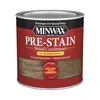 |
Minwax Pre-Stain Wood Conditioner (1/2 pint): $6.56 Alder is soft and drinks stain unevenly, so a conditioner coat is the cheapest insurance on a knotty alder cabinet or table.
|
In woodworking, “hardwood” is a botanical term, not a measure of how hard the board is. Hardwoods come from angiosperms, the flowering broadleaf trees. Softwoods come from gymnosperms, the conifers. Alder is a broadleaf, deciduous tree in the birch family, so its lumber is hardwood by definition. The Wood Database lists red alder as a hardwood native to the coastal western United States and Canada.
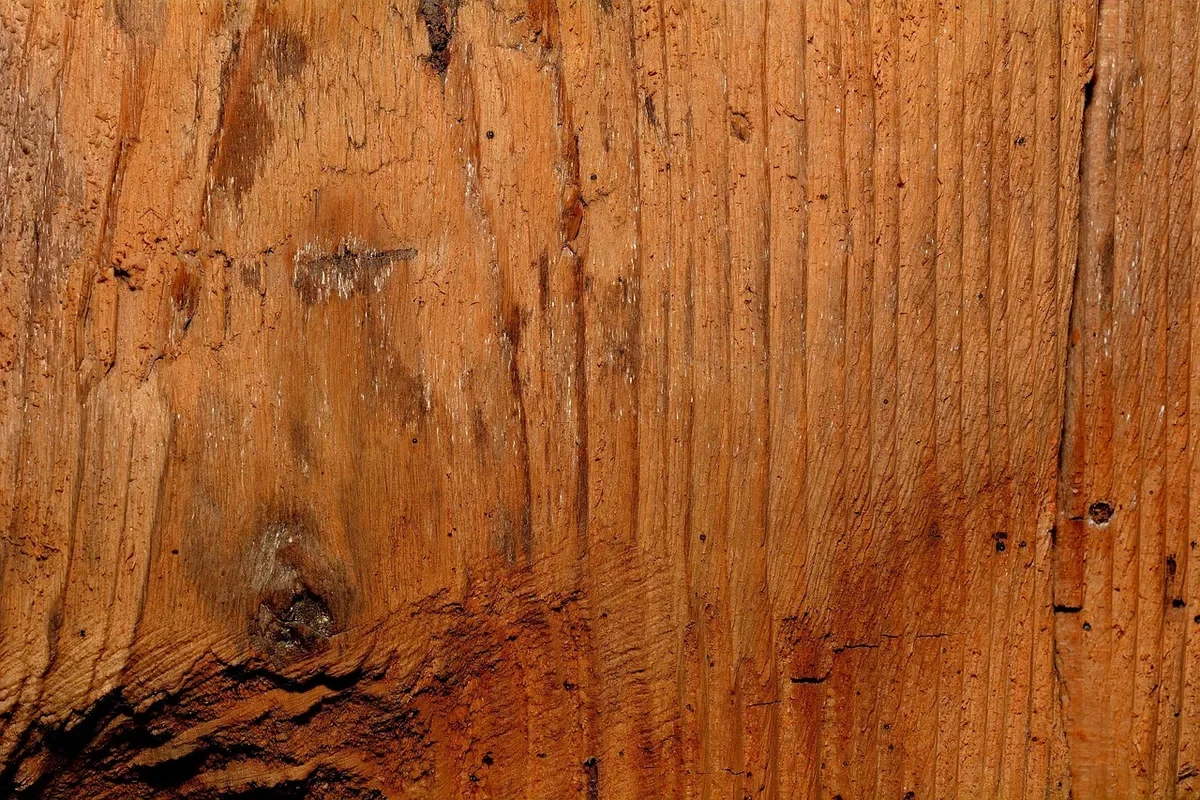
“Knotty” only describes the grade. Clear alder is sorted for boards with few or no knots, while knotty (often sold as rustic) alder keeps the small, tight knots, color streaks, and grain swirls that give it the country look. Species, density, and hardness are the same for both grades. Knotty alder is simply the cheaper grade, because mills can keep more of each log. Wood Database notes that knotty red alder is inexpensive and clear grades cost more.
Knotty Alder Hardness and Properties
These are the red alder figures from the Wood Database, which are the ones that matter for furniture and cabinet work:
| Property | Red alder |
|---|---|
| Species | Red alder (Alnus rubra) |
| Classification | Hardwood |
| Janka hardness | 590 lbf (2,620 N) |
| Dried weight | 28 lbs per cubic foot |
| Specific gravity | 0.37 basic, 0.45 at 12% moisture |
| Bending strength (MOR) | 9,800 psi |
| Crushing strength | 5,820 psi |
| Shrinkage | 4.4% radial, 7.3% tangential, 12.6% volumetric |
| Rot resistance | Non-durable to perishable |
Three of those numbers do most of the talking. The 590 Janka figure explains the dents. The 28 pounds per cubic foot explains why alder doors and tabletops feel light for their size. And the rot rating explains why alder is an indoor wood. It is very easy to cut, plane, and sand, but it is rather soft, so it needs a little care to avoid denting during shop handling.
The Myth That “Hardwood” Means Hard
The name is misleading, and alder is a good example of why. Here is where knotty alder lands next to other common woods, with the softwoods marked. Douglas-fir, a conifer and therefore a softwood, is actually harder than alder.
| Wood | Classification | Janka (lbf) |
|---|---|---|
| Hard maple | Hardwood | 1,450 |
| Red oak | Hardwood | 1,290 |
| Black walnut | Hardwood | 1,010 |
| Black cherry | Hardwood | 950 |
| Douglas-fir | Softwood | 660 |
| Knotty (red) alder | Hardwood | 590 |
| Yellow poplar | Hardwood | 540 |
| Eastern white pine | Softwood | 380 |
| Balsa | Hardwood | about 100 |
Two useful takeaways. First, hardness has nothing to do with the hardwood label: balsa is a hardwood and it is softer than a pine board. Second, if someone tells you alder is a softwood because it dents easily, they are mixing up hardness with botany. It is a soft hardwood, and the honest way to describe it is by the Janka number, not the category.
How Knots Change the Way You Work It
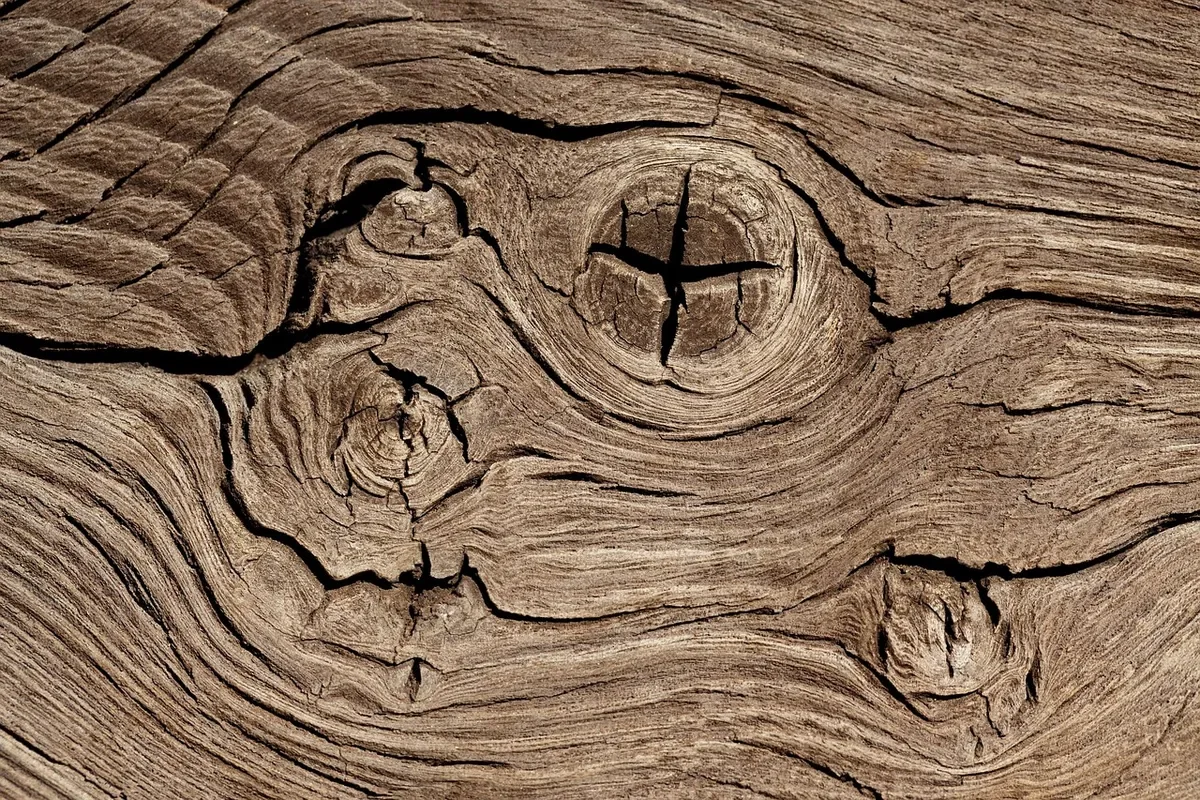
Because the grade keeps the knots, plan for them. The knots in alder are usually small and tight, but wood around a knot is denser than the surrounding board and the grain swirls, so a few habits help:
- Sharp blades and slow feeds: Planer and jointer knives tear the swirling grain around knots first. Take lighter passes and check the surface as you go.
- Sand through the grits: Alder sands easily, but skipping grits leaves scratches that show up when you stain.
- Pre-drill hinge and screw holes: The wood is soft and knots can split near an edge, so pilot holes matter on cabinet doors and face frames.
- Check knots before glue-up: A loose or cracked knot on a rail or stile can fall out later. Cut around it or fill it.
Where Knotty Alder Makes Sense (and Where It Does Not)
Knotty alder is a common choice for rustic kitchen cabinets, interior doors, trim, bedroom furniture, and shelving. The price is low compared with oak or maple, it takes stain and paint well, and the knots give a lodge or farmhouse look without paying for reclaimed lumber.
It is a weaker fit for a few jobs. Kitchen tables and other work surfaces will pick up dents, and a butcher-block style top is better in something harder. It should also stay indoors. With a non-durable to perishable rating, alder left outside, or near constant moisture, is a poor bet. For a deeper look at furniture use, see is alder wood good for furniture.
Staining and Finishing Knotty Alder
Alder has a soft, fairly even texture, but it can still absorb stain unevenly, especially near knots and end grain. The result is blotches. An oil-based pre-stain conditioner, or a gel stain, tames that. A light sanding to 180 or 220 grit before staining also helps. If you plan to stain it, our guide to how to stain alder wood walks through the process, and what color alder wood is shows how raw alder looks before and after finishing.
Knotty Alder vs Other Woods
If you are choosing between species, the hardness gap is the main difference. For a direct comparison with a harder cabinet wood, read alder vs maple (590 vs 1,450 Janka). Against another light-colored, moderately soft hardwood, see alder vs birch, and if you cannot find alder locally, what wood is similar to alder lists substitutes. For the broader hardwood and softwood picture, the types of wood guide covers the categories.
Buying Tips and Living With a Soft Hardwood
When you buy knotty alder, look at the boards rather than the label. Sight down each one for twist and cup, and skip pieces with knots that are cracked, dark and crumbling, or sitting right on an edge where a joint or hinge will go. Ask what the moisture content is: for indoor furniture and cabinets, boards dried to the typical 6 to 8 percent range are the target, and stock that is wetter will move after you build with it.
Since you cannot change the hardness, design around it. Use thicker stock on tabletops and shelves, round over sharp edges so they do not chip, and add felt pads and coasters to surfaces that will see daily use. A film finish such as polyurethane protects the surface from scratches and moisture, but it does not make the wood underneath harder, so a hard object can still leave a dent. If dent resistance is the top priority, step up to maple or oak, and keep alder for the parts of the project that are decorative or low-contact.
Frequently Asked Questions
Is knotty alder a hardwood or a softwood?
Knotty alder is a hardwood. It comes from red alder, a broadleaf deciduous tree, and hardwood is a botanical term for wood from broadleaf trees. It is a soft hardwood at about 590 on the Janka scale, but the classification is still hardwood.
How hard is knotty alder?
Knotty alder measures about 590 lbf on the Janka scale. That is roughly 40 percent of hard maple at 1,450 lbf and less than half of red oak at 1,290 lbf, so it dents more easily than most common furniture woods.
What is the difference between knotty alder and clear alder?
Both are the same species with the same hardness. Knotty alder keeps the small knots and color variation, while clear alder is graded to have few or none. Knotty is usually the cheaper grade.
Is knotty alder good for kitchen cabinets?
Yes, for cabinet boxes and doors it is a popular and affordable choice, especially for a rustic style. Expect some dents and dings over time because of the soft wood, and use a good finish.
Can you use knotty alder outdoors?
It is not recommended. Red alder is rated non-durable to perishable for decay resistance, so it should be kept indoors and dry.
Bottom Line
Knotty alder is a hardwood, and a soft, light, easy-to-work one. It suits rustic cabinets, doors, and bedroom furniture where the look and the price matter more than dent resistance, and it is a poor choice for outdoor use or hard-wearing work surfaces. Judge it by its 590 Janka number rather than by its hardwood label, condition it before you stain, and it will give you the warm, knotty look at a fraction of the cost of oak or maple.
Sponsored / affiliate links. As an Amazon Associate I earn from qualifying purchases. I may earn additional commission from eligible campaigns.