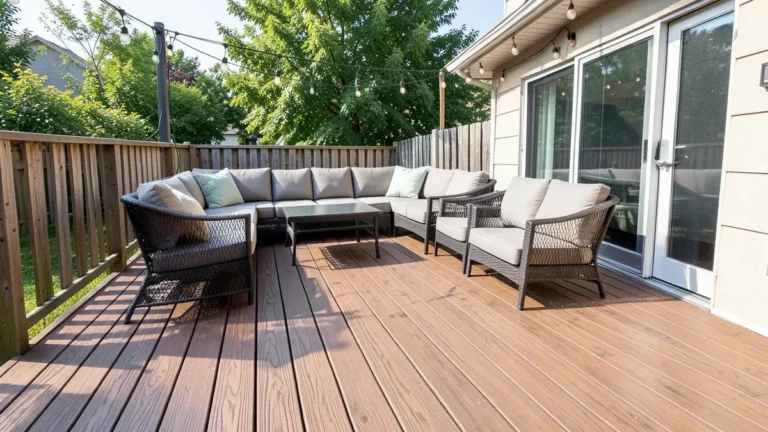
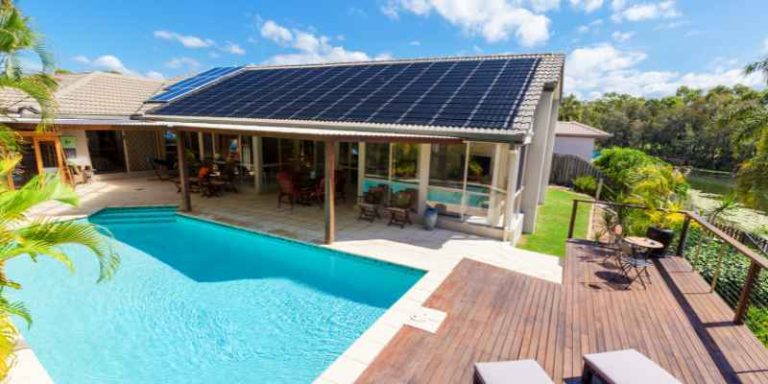
Arbor Wood Decking: Real Wood, Not Composite (20-Year Warranty)
Arbor Wood decking is real thermally modified ash or Southern Yellow Pine – not a wood-plastic composite – made by heating the boards to roughly 450°F in an oxygen-free chamber, which caramelizes the wood’s natural sugars and cuts swelling and shrinkage by up to 60%. Skip that correction and you’ll budget for the wrong material entirely, since thermally modified ash prices closer to premium hardwood decking than to composite. This guide covers what the boards are actually made of, real per-board-foot costs, the 20-year warranty, and how (and whether) to maintain the finish.
What Is Arbor Wood Decking Actually Made Of?
Arbor Wood is 100% solid wood – American White Ash or Southern Yellow Pine – run through a thermal modification (Thermowood-style) process. No plastic, no recycled wood-plastic blend, and no chemical preservatives are added; the only inputs are heat and steam. That’s a meaningful correction, because “Arborwood” is easy to confuse with generic wood-plastic composite decking, and the two materials behave, weigh, and cost differently.
Boards ship in 5/4×4, 5/4×6, and 1×6 profiles, in random lengths from 5′ to 12′, with either a hidden-fastener groove or a no-groove face-screw profile. Because it’s real wood, Arbor Wood can be cut, drilled, glued, and finished with standard woodworking tools – something no composite board can do.
How Thermal Modification Actually Works
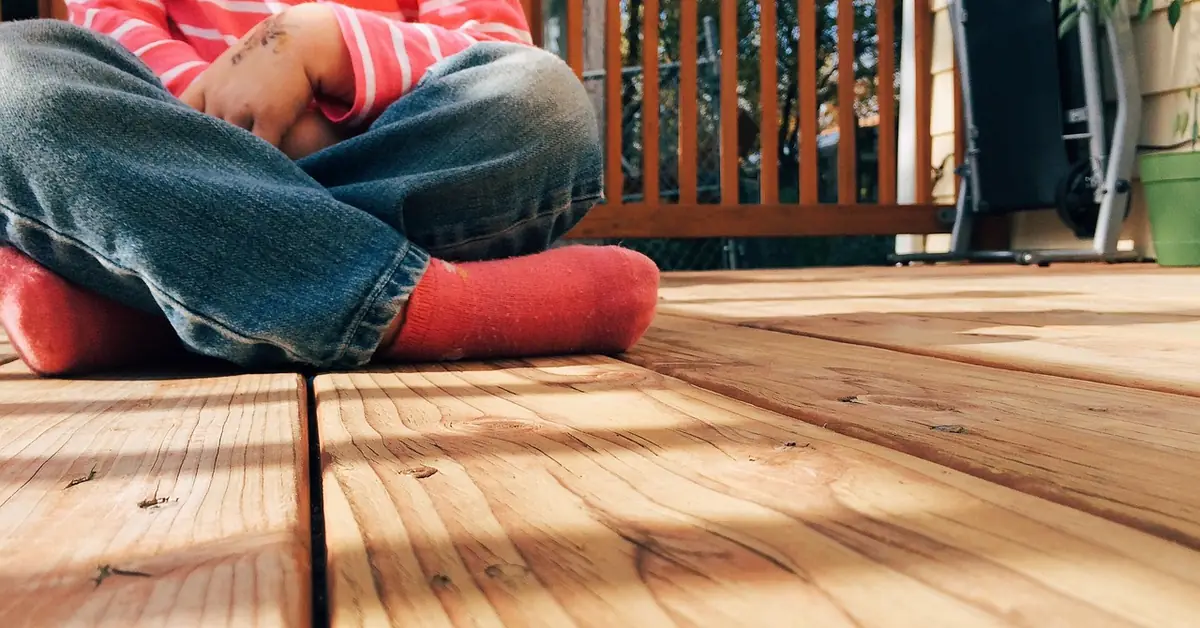
Thermal modification is a chemical-free wood treatment that heats lumber to roughly 450°F inside an oxygen-starved kiln. Removing oxygen prevents the wood from combusting at that temperature while still caramelizing its sugars and hemicellulose – the food source that fungi and insects feed on. The result is a darker, more dimensionally stable board that holds far less moisture than untreated lumber, without a drop of preservative chemical added.
That process is what earns thermally modified ash a Durability Class 1 rating – the same top-tier decay resistance class as naturally rot-resistant tropical hardwoods like ipe, but grown from a domestic, fast-renewing species instead of an old-growth rainforest tree.
📊 Thermal modification reduces wood swelling and shrinking by up to 60% compared to untreated lumber of the same species. Source: EcoSupply Center, Arbor Wood product data, 2026
Arbor Wood vs. Composite vs. Pressure-Treated Decking
Here’s how the three materials actually compare once you correct the “Arborwood is composite” mistake – on what they’re made of, what they cost, and how long they last.
| Material | Made From | Material Cost (per sq. ft.) | Expected Lifespan | Needs Oil/Stain? |
|---|---|---|---|---|
| Arbor Wood (thermally modified ash) | 100% solid ash, heat-treated | ~$18 (based on $8.33/linear ft, 5/4×6) | 25+ years, Durability Class 1 | Optional – only to keep color |
| Thermally modified pine | 100% solid pine, heat-treated | ~$9 (based on $4.25/linear ft, 5/4×6) | 15–20 years | Optional – only to keep color |
| Composite decking | Recycled wood fiber + plastic | $4–$7 | 25–30 years | No |
| Pressure-treated pine | Softwood + chemical preservative | $2–$4 | 10–15 years | Yes, every 1–2 years |
Material pricing is sourced from Advantage Lumber’s published Advantage Thermal™ decking line (see cost section below); composite and pressure-treated ranges are general national material-only estimates and will vary by region and grade.
As an Amazon Associate we earn from qualifying purchases.
Available Sizes, Species, and Color Options
Thermally modified decking in this category ships in two species: American White Ash and Southern Yellow Pine. Ash is the denser, longer-warrantied option (20 years, Durability Class 1); pine costs less but carries a shorter expected service life of 15–20 years. Standard board profiles are 5/4×4, 5/4×6, and 1×6, sold in random lengths from 5′ to 12′, in either a hidden-fastener groove or a no-groove face-screw profile.
Color isn’t a paint chip choice – it’s a function of age and finish, and the visible grain and texture stays intact throughout that process since nothing is coated over the wood. Freshly milled boards show a rich tan-to-brown tone from the caramelized sugars. Left unfinished, that tone shifts over 6–12 months to a medium weathered brown, then continues fading toward silver-gray after a year or more of UV exposure. Oiling (see the maintenance section below) is the only way to hold the board at any one stage of that progression.
Pros and Cons of Arbor Wood Decking
- Pro – real wood, real workability: cuts, drills, glues, and finishes like standard lumber, unlike composite.
- Pro – no chemical preservatives: the modification process uses only heat and steam, so there’s no arsenic, copper, or other preservative chemical to leach into soil or contact skin.
- Pro – long warranty for a wood product: 20 years on ash is well ahead of the 1–5 year warranties typical of pressure-treated lumber.
- Con – higher material cost than composite or pressure-treated wood: roughly $18/sq. ft. for ash versus $2–$7/sq. ft. for the alternatives.
- Con – will gray without maintenance: unlike composite, which holds its molded-in color indefinitely, thermally modified wood needs yearly oiling if you want to keep the original tone.
- Con – limited species/profile selection compared to the dozens of colors and board styles composite brands offer.
Is Arbor Wood the Same as Trex or Other Composite Brands?
No. Brands like Trex, TimberTech, and generic “composite decking” are manufactured from a blend of recycled wood fiber and plastic (usually polyethylene), extruded or capped into boards that never need sealing and hold a molded-in color for the life of the product. Arbor Wood is the opposite approach: it starts and ends as solid lumber, and its color comes from heat-driven chemistry in the wood itself, not a plastic shell. If you want zero maintenance and a color that never shifts, composite is the better fit. If you want a real wood deck with better rot resistance than pressure-treated lumber and no chemical treatment, thermally modified wood is the category to shop.
What Does Arbor Wood Decking Cost?
Advantage Lumber’s Advantage Thermal™ line – the same thermally modified ash and pine product category sold as Arbor Wood – prices standard 5/4×6 ash boards at $8.33 per linear foot. A 5/4×6 board is about 5.5″ wide once milled, so that works out to roughly $18 per square foot for material alone. The pine version runs $4.25 per linear foot, or about $9 per square foot.
For context, a fully installed wood deck (material, labor, and substructure combined) typically runs $35–$80 per square foot nationally, according to Ergeon’s 2026 deck cost data. Arbor Wood’s material cost sits above pressure-treated lumber and mid-range composite, and below premium tropical hardwoods like ipe – which is the tier it’s actually competing against, not composite. Plug your own deck’s square footage into our decking cost calculator to estimate board count and total material cost before you order.
Durability and Warranty
Thermally modified ash decking carries a 20-year manufacturer warranty and a Durability Class 1 rating – the highest decay-resistance classification, matching naturally durable tropical hardwoods. In practice, that translates to an expected service life of 25 years or more when installed with proper drainage and gapping, well ahead of pressure-treated pine’s typical 10–15 years.
Environmental Impact
Arbor Wood ash is sourced from domestic American forests rather than old-growth tropical hardwood stands, which is the sustainability argument for choosing it over a species like ipe or cumaru. Because the modification process uses only heat and steam – no chromated copper arsenate (CCA) or other preservative – there’s no chemical treatment to leach into soil or waterways over the deck’s life, an advantage over standard pressure-treated lumber. It is not made from recycled material, however; that claim belongs to composite decking, not to thermally modified wood, and the two shouldn’t be conflated when comparing environmental footprints.
How to Maintain Arbor Wood Decking
You have two honest options, and neither is required for the wood to hold up structurally:
- Let it weather naturally. Left unfinished, Arbor Wood ash fades from its raw tan/brown tone to a silver-gray patina over 6–12 months, similar to cedar or teak. This doesn’t affect durability – it’s cosmetic only.
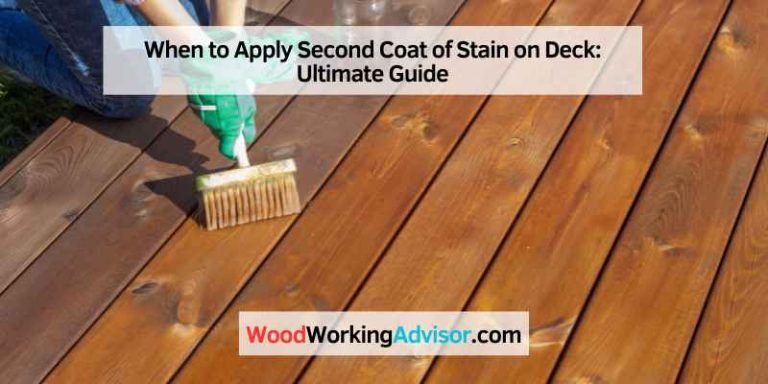
- Oil it to keep the original color. A UV-blocking penetrating oil applied in the first season, then reapplied roughly once a year (more often in high-sun climates), keeps the tan/brown tone from graying. Clean the boards with mild soap and water before each application – never a pressure washer, which can raise the grain on dense thermally modified wood.
Installation Notes
Arbor Wood’s hidden-fastener profile uses a routed groove and a clip system instead of face screws, which keeps the deck surface free of visible fastener heads. If you choose the no-groove profile instead, use coated or stainless deck screws driven straight down – the same hardware you’d use on any premium hardwood deck. Either way, leave the same 1/8″–3/16″ gap between boards that any exterior wood decking needs for drainage and seasonal movement; thermal modification reduces swelling dramatically, but it doesn’t eliminate it.
Frequently Asked Questions
Is Arbor Wood decking composite or real wood?
Arbor Wood decking is real, solid wood – American White Ash or Southern Yellow Pine – that has been thermally modified with heat and steam. It contains no plastic, no recycled wood-plastic blend, and no added chemical preservatives, which makes it a different product category from composite decking entirely.
How long does Arbor Wood decking last?
Thermally modified ash decking is rated Durability Class 1, the top decay-resistance tier, and typically lasts 25 years or more with proper installation and drainage. It ships with a 20-year manufacturer warranty, well beyond the 10–15 year lifespan of untreated pressure-treated pine.
Does Arbor Wood decking need to be stained or sealed?
No. Arbor Wood decking is structurally stable left completely unfinished; it will simply weather to a silver-gray patina over 6–12 months. Oiling is optional and only affects color – a UV-blocking hardwood oil applied yearly keeps the original tan/brown tone if you prefer that look.
Is Arbor Wood decking worth the cost compared to composite?
It depends on what you’re comparing it to. At roughly $18 per square foot in material for ash, Arbor Wood costs more than mid-range composite ($4–$7 per square foot), but it’s a real, workable wood with a 20-year warranty and a comparable lifespan – making it a reasonable alternative to premium tropical hardwoods like ipe rather than a budget composite swap.
What sizes does Arbor Wood decking come in?
Standard profiles are 5/4×4, 5/4×6, and 1×6, in random lengths from 5′ to 12′, available in a hidden-fastener groove or a no-groove face-screw profile. Species choice is American White Ash or Southern Yellow Pine.
Can Arbor Wood decking be painted or stained a different color?
It can be stained like any solid wood, but the dense, low-porosity surface created by thermal modification absorbs pigmented stain unevenly. Manufacturers recommend a clear or semi-transparent penetrating oil rather than an opaque paint or solid-color stain, both to preserve the wood’s natural grain and because film-forming paints are more prone to peeling off thermally modified wood’s tight cell structure.
Bottom Line
Arbor Wood decking is thermally modified solid ash or pine, not composite – a correction that changes both the price tier and the maintenance routine you should plan for. Budget it against premium hardwood decking, expect a 20-year warranty and 25+ year service life, and decide up front whether you want to oil it yearly for color or let it silver-gray on its own.
Sponsored / affiliate links. As an Amazon Associate I earn from qualifying purchases. I may earn additional commission from eligible campaigns.