Are Beeswax Candles Good For The Air? What Science Says
It’s easy to get caught up in the cozy glow of candles. They make a room feel so welcoming. But you might wonder about what’s actually floating in the air around that pretty flame.
Beeswax candles often get a lot of praise. People say they are natural and safe. This makes sense, right?
Bees make beeswax. It sounds pretty pure. But is it truly good for the air we breathe inside our homes?
Let’s dive into what the science tells us. We’ll look at the details so you can feel confident about your choices.
Beeswax candles are often considered good for air quality because they are natural and burn cleanly with minimal soot. They are known to release negative ions, which can help neutralize pollutants. However, like any burning candle, the quality of the beeswax and any added fragrances can affect the air. Proper ventilation is always important.
Understanding Beeswax Candles and Air Quality
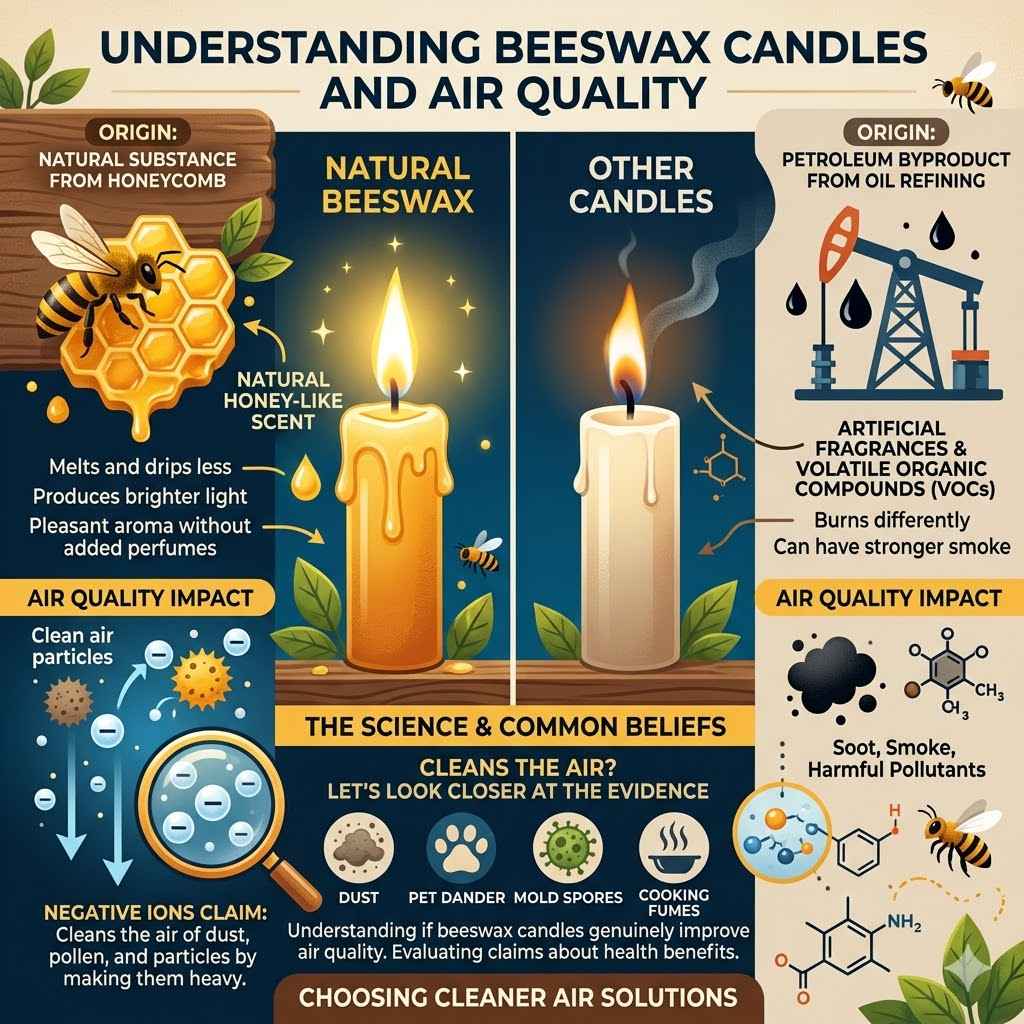
What makes beeswax candles different from others? It starts with where they come from. Beeswax is a natural substance.
Bees make it to build their honeycombs. This is a big contrast to many other candles. Most are made from paraffin wax.
Paraffin comes from petroleum. It’s a byproduct of oil refining. This difference in origin leads to big differences in how they burn.
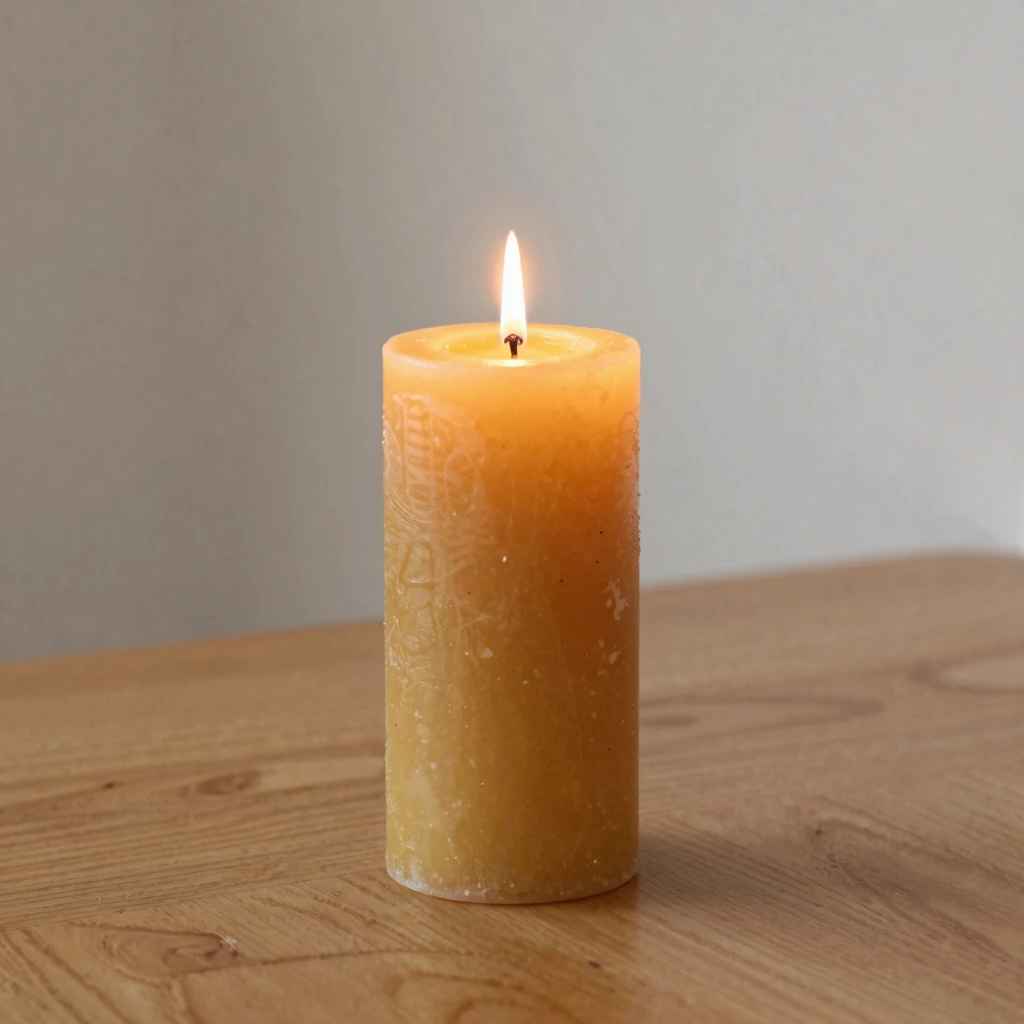
When beeswax burns, it tends to melt and drip less. It also produces a brighter, more yellow flame. This flame often has a lovely honey-like scent.
Many people find this smell very pleasant. It’s a natural aroma. It doesn’t come from added perfumes.
This lack of artificial scents is a key point for air quality concerns. Many artificial fragrances can release volatile organic compounds (VOCs). These VOCs are not great for breathing.
A common claim about beeswax candles is that they clean the air. The idea is that they release negative ions. These negative ions are thought to attach to dust, pollen, and other tiny particles in the air.
When these particles become heavier, they can fall to the ground. This could make the air feel cleaner. It’s an interesting concept.
We’ll look closer at the science behind this idea. It’s important to understand if this claim holds up. It impacts how we view the overall health benefits of burning beeswax.
When we talk about air quality in our homes, we often think about things like dust. We also think about pet dander. Mold spores are another concern.
Even cooking fumes can linger. The goal is to have fresh, clean air. Candles that add to indoor air pollution are a worry.
Beeswax candles are often presented as a solution. Let’s explore why people feel this way. We’ll break down the science and common beliefs.
My Own Journey with Candle Smells
I remember a time, maybe five years ago, when I decided to spruce up my living room. I loved having candles lit in the evening. It felt so calming after a long day.
I’d always bought whatever smelled good at the big box store. They had so many options! Fruity, floral, spicy – you name it.
I never really thought about what was in them.
One evening, I lit a new candle. Within an hour, I started to feel it. My throat felt a bit scratchy.
My eyes felt a little watery. I initially blamed it on allergies or maybe the dry air from the heater. But it happened again with another new candle a few days later.
I started to connect the dots. It wasn’t just random. It was the candles.
That’s when I began researching. I learned about paraffin wax. I learned about the chemicals in many artificial fragrances.
It honestly felt a bit scary. I had been filling my home with stuff I didn’t understand. I felt a sense of annoyance at myself for not knowing sooner.
It was like I’d been unknowingly making my own air quality worse. I started looking for alternatives. That’s how I first discovered beeswax candles.
The idea of something natural, made by bees, was so appealing. I bought one with a simple cotton wick. The smell was so subtle, just a hint of honey.
And best of all? No scratchy throat. No watery eyes.
It was a small change, but it felt huge for my home environment.
Beeswax vs. Paraffin Wax: A Quick Look
Beeswax Candles:
- Made from natural beeswax.
- Burns with a bright, warm flame.
- Often has a natural honey scent.
- May release negative ions.
- Less soot produced.
Paraffin Wax Candles:
- Made from petroleum byproducts.
- Can release soot and VOCs.
- Often requires added fragrances.
- Can produce a stronger, sometimes chemical smell.
- More common and cheaper to produce.
The Science Behind Beeswax Burning
Let’s get into the science of how beeswax candles behave when they burn. It’s more complex than just “natural is good.” We need to look at the chemical process and what comes out of the flame.
When any organic material burns, it undergoes combustion. This process creates heat, light, and byproducts. For wax, the main byproducts are carbon dioxide and water vapor.
This is true for all hydrocarbon waxes. Beeswax is made of esters and fatty acids. Paraffin wax is made of alkanes.
Both will produce CO2 and water when burned.
The difference comes in purity and completeness of the burn. High-quality, pure beeswax burns very cleanly. This means it produces very little visible smoke or soot.
Soot is essentially unburned carbon particles. These particles can be a concern for indoor air quality. They can land on surfaces and be inhaled.
Since pure beeswax burns so efficiently, it creates less of this.
Now, about those negative ions. This is a popular claim. The theory is that the heat from the flame causes ionization.
This process can indeed happen. When molecules get hot enough, electrons can be stripped from them. This leaves behind charged particles, called ions.
Some studies have looked into whether burning candles, including beeswax, can increase the number of negative ions in a room. The results are a bit mixed. Some suggest a small increase.
Others say the effect is minimal or short-lived. It’s not a guaranteed air purifier effect. But it’s an interesting aspect of beeswax burning.
It’s important to note that not all “beeswax” candles are 100% pure beeswax. Some might be blended with other waxes. Some may have added colorants or synthetic fragrances.
These additives can change how the candle burns. They can introduce chemicals that we want to avoid. So, the purity of the beeswax is a big factor.
Always look for candles labeled as 100% pure beeswax.
The wick also plays a role. Cotton wicks are generally preferred. They tend to burn cleaner than wicks made with metal cores.
Some older wick types might release tiny amounts of heavy metals. This is very rare now, but it’s something to be aware of. Most reputable beeswax candle makers use pure cotton wicks.
Here’s a way to think about it: Imagine a campfire versus a smoky bonfire. Both are burning wood. But one is a clean, efficient fire.
The other creates a lot of smoke you can’t see through. Beeswax, when pure and burned well, is more like the clean campfire. It’s about the quality of the fuel and how it’s used.
What are Volatile Organic Compounds (VOCs)?
VOCs are gases that can come from many common household products. They can be released into the air.
- Sources: Paints, cleaning supplies, air fresheners, furniture, and even some candles.
- Concerns: Breathing VOCs can cause headaches, nausea, and eye/throat irritation. Long-term exposure might be linked to more serious health issues.
- Beeswax Advantage: Pure beeswax candles tend to release far fewer VOCs than paraffin candles, especially those with artificial scents.
Real-World Context: Burning Beeswax at Home
Let’s talk about how this plays out in a real home. Think about a chilly evening in, say, Minneapolis. You want to create a cozy atmosphere.
You light a few candles. If you’re using pure beeswax candles, here’s what you’re likely to experience.
First, the scent. Beeswax has a natural, mild aroma. It’s not overpowering.
It’s more of a warm, subtle background note. This is a big plus for people sensitive to strong perfumes. Many commercial candles, even those labeled “natural,” can have synthetic fragrances.
These are designed to smell like flowers or fruits. But they can release VOCs. Pure beeswax avoids this issue.
The scent is truly from the bees and the honey.
Second, the flame. Beeswax burns with a beautiful, steady flame. It’s often described as a warm, golden light.
This light has a slightly higher color temperature than other waxes. This means it appears a bit more yellow and closer to natural sunlight. Some people feel this warmer light is more pleasing and less harsh.
Third, the soot. This is a significant factor for home air quality. When paraffin candles burn, they can produce black soot.
This soot can settle on your walls, ceilings, and furniture. It’s not just unsightly; it can be a respiratory irritant. Pure beeswax candles, when trimmed properly and not drafty, produce very minimal soot.
You might see a tiny wisp of smoke when you first light it or extinguish it. But during steady burning, it’s much cleaner.
Consider a home with children or pets. These family members are often more sensitive to air pollutants. Using beeswax candles can be a way to enjoy ambient light without introducing as many potential irritants into their environment.
It’s about creating a safer living space.
However, even with beeswax, there are things to keep in mind. Drafts can make any candle burn unevenly. This can lead to more soot.
So, placing your candle away from open windows or fans is a good idea. Also, letting the wax pool fully before extinguishing the flame helps ensure a cleaner burn next time.
In many U.S. homes, especially those with modern insulation, indoor air quality is a growing concern. We spend more time inside.
So, what we burn or diffuse indoors matters. Choosing beeswax candles aligns with a desire for a more natural home environment.
Beeswax Candle Burning Habits for Clean Air
Trim the Wick: Keep the wick about 1/4 inch long. A long wick can cause smoking and uneven burning. Trim it before each use.
Avoid Drafts: Place candles away from open windows, fans, or vents. Drafts make flames flicker and smoke.
Burn Time: Let the wax melt to the edge of the jar or holder on the first burn. This prevents tunneling.
Extinguish Safely: Use a snuffer or gently dip the wick into the melted wax pool with a tool. Blowing out can create smoke.
The Negative Ion Theory: What’s the Real Deal?
The idea that beeswax candles “clean the air” often comes back to negative ions. It’s a fascinating concept that appeals to our desire for a healthier home. Let’s break it down.
First, what are ions? An ion is an atom or molecule that has an electrical charge. This happens when it gains or loses electrons.
Negative ions have extra electrons. Positive ions are missing electrons. Air naturally contains both.
Places like waterfalls or forests often have higher levels of negative ions. This is thought to contribute to that fresh, clean feeling.
The theory for candles is that the heat of the flame can cause ionization. Molecules in the air near the flame can lose electrons. This creates positive ions.
Some of these ions might then interact with surrounding molecules, creating negative ions. This process is called thermionic emission. It’s a real physical phenomenon.
Several studies have investigated whether burning candles, including beeswax, can increase negative ion counts. Some early research suggested a modest increase. However, more recent and controlled studies haven’t always found significant or lasting effects.
The amount of negative ions produced might be small. It might also dissipate very quickly once the flame goes out.
Think about it this way: If a beeswax candle produced a large number of negative ions that stayed in the air, you might notice a difference. You might feel fresher air for longer. Many people who use beeswax candles report feeling like the air is cleaner.
But is this directly due to ions, or is it more about the lack of pollutants compared to other candles?
It’s possible that the primary benefit for air quality with beeswax candles isn’t ion production. It’s more likely the absence of harmful byproducts. When a candle burns paraffin wax, it can release VOCs and particulate matter.
These are known air pollutants. Beeswax, burning cleanly, simply doesn’t add these harmful substances to the air. This lack of pollution itself makes the air feel and be better.
So, while the negative ion theory is interesting, it might not be the main reason beeswax candles are good for air quality. The purity of the wax and the clean burn are much more scientifically supported benefits. We should focus on these tangible advantages.
It’s great if negative ions are a small bonus, but it’s not the main story. Always look for pure beeswax to get the most benefit.
Contrast: Beeswax Air Quality Claims
Myth: Beeswax candles are powerful air purifiers that actively clean the air.
Reality: Pure beeswax candles burn cleanly with minimal soot and VOCs. They contribute to better indoor air quality by not polluting it. Any potential negative ion release is likely a minor effect, not the primary benefit.
What This Means for Your Home Environment
So, what’s the takeaway for your living space? Are beeswax candles truly good for the air you breathe? Based on what we’ve discussed, the answer is generally yes, they are a better choice.
Here’s when it’s normal and great to use beeswax candles:
- For a Softer Ambiance: When you want a warm, inviting glow without strong scents or chemical worries.
- For Sensitive Individuals: If anyone in your household has asthma, allergies, or is generally sensitive to smells.
- Creating a Natural Space: When you are trying to reduce the number of synthetic chemicals in your home.
- As a Natural Air Freshener (Subtly): The mild honey scent can sometimes help mask less pleasant odors in a gentle way.
When should you be a bit more cautious or mindful?
- If the Candle Isn’t Pure Beeswax: Blended waxes or those with added fragrances can negate the benefits. Always check the label for 100% pure beeswax.
- In Very Poorly Ventilated Areas: While cleaner burning, any flame uses oxygen and releases CO2. It’s always best to have some air circulation.
- If You Expect a Strong Scent: If you love the overpowering smell of artificial perfumes, a pure beeswax candle won’t provide that.
Simple checks you can do:
- Read the Label Carefully: Look for “100% Pure Beeswax.” Avoid candles that just say “beeswax blend” or list many ingredients.
- Observe the Burn: Does it produce a lot of black smoke? If so, the quality might be lower, or it might not be pure.
- How Do You Feel?: Pay attention to how your body reacts. If you feel fine, that’s a good sign.
In essence, choosing pure beeswax candles is a step towards a healthier indoor environment. It’s a practical way to enjoy the ambiance of candles without contributing to indoor air pollution. It’s about making informed choices for your home and well-being.
Quick Scan: Beeswax Candle Benefits
Benefit: Natural Ingredients
Impact: Made by bees, not from petroleum. Reduces reliance on fossil fuels.
Benefit: Clean Burn
Impact: Produces minimal soot and VOCs compared to paraffin. Better for lungs.
Benefit: Natural Scent
Impact: Subtle honey aroma. No synthetic fragrances or harsh perfumes.
Benefit: Bright Flame
Impact: Pleasant, warm light that’s closer to natural sunlight.
Tips for Enjoying Beeswax Candles Safely
You’ve decided to try or stick with beeswax candles. That’s fantastic! Here are a few practical tips to make sure you’re getting the most out of them and keeping your air as clean as possible.
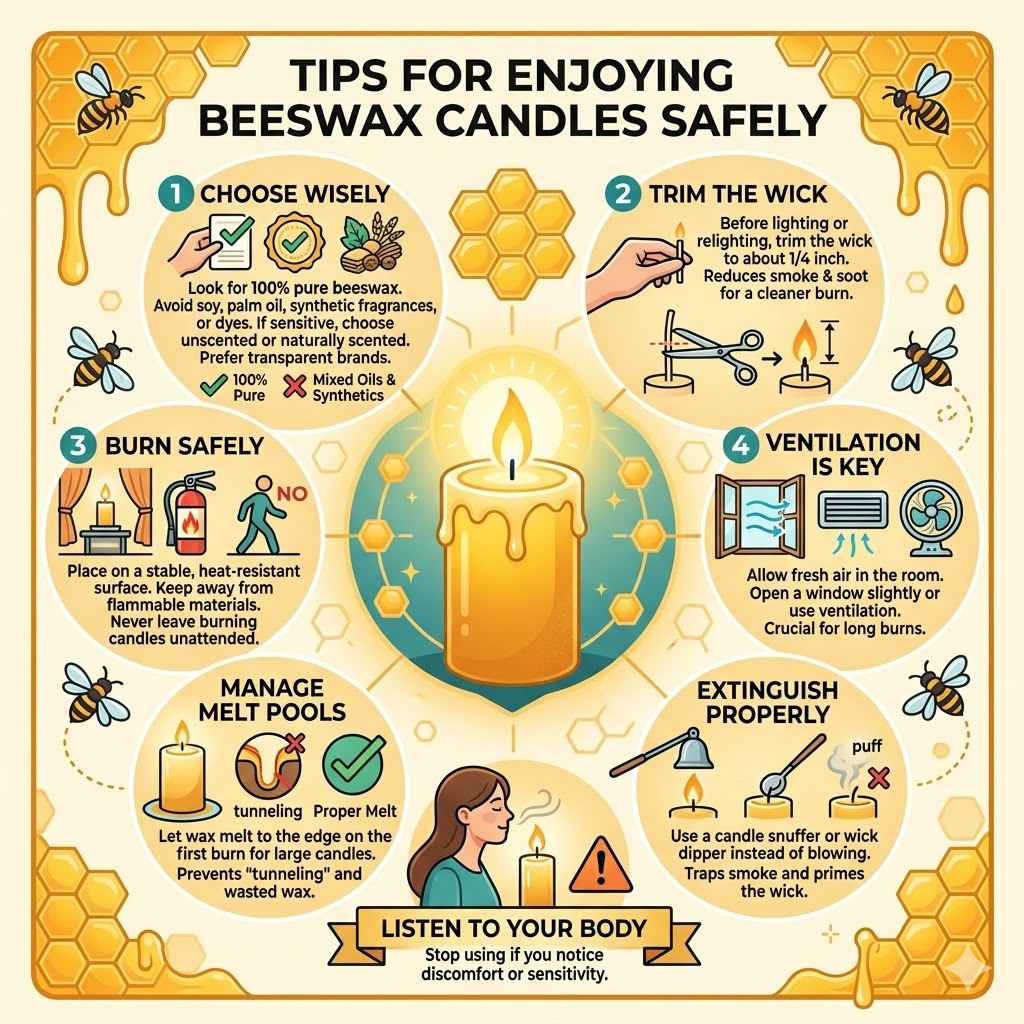
Choose Wisely: As we’ve stressed, always look for 100% pure beeswax. Some companies add soy or palm oil to lower costs. Others add synthetic fragrances or dyes.
If you’re sensitive, stick to unscented or naturally scented beeswax candles. Brands that are transparent about their sourcing and ingredients are usually best.
Trim the Wick: This is crucial for a clean burn. A wick that’s too long will create a larger flame. This larger flame can lead to more smoking and soot.
Before you light the candle, trim the wick to about a quarter of an inch. Do this every time you relight it.
Burn Safely: Always place candles on a stable, heat-resistant surface. Keep them away from flammable materials like curtains or papers. Never leave a burning candle unattended.
This is a golden rule for fire safety, no matter the type of candle.
Ventilation is Key: While beeswax is cleaner, any burning process uses oxygen and releases carbon dioxide. It’s a good idea to have some airflow in the room. Open a window a crack, or ensure your ventilation system is running.
This is especially important if you plan to burn candles for a long time.
Manage Melt Pools: For larger pillar or jar candles, try to let the wax melt all the way to the edge on the first burn. This prevents what’s called “tunneling,” where the wick burns down the center, leaving wax on the sides. This wasted wax means less burn time and can sometimes lead to uneven burning.
Extinguish Properly: Blowing out a candle can create a puff of smoke. Using a candle snuffer is a cleaner way to extinguish the flame. Another method is to use a wick dipper to gently push the wick into the melted wax pool and then straighten it.
This traps the smoke and primes the wick for the next burn.
Listen to Your Body: Even with natural products, some people might have sensitivities. If you notice any discomfort, stop using the candle. While rare, it’s possible to be sensitive to even natural scents or components.
By following these simple tips, you can enjoy the beautiful glow and subtle scent of beeswax candles with confidence. You’re making a choice that’s often better for your home’s air quality.
Frequently Asked Questions About Beeswax Candles and Air
Are all beeswax candles good for air quality?
Not necessarily. While 100% pure beeswax candles burn cleanly, blended waxes or those with added synthetic fragrances can release pollutants. Always check the label to ensure you are buying pure beeswax.
Do beeswax candles produce soot?
Pure beeswax candles produce significantly less soot than paraffin candles when burned properly. Minimal soot means less particulate matter in your indoor air.
Can beeswax candles help with allergies?
Because they release fewer irritants like VOCs and soot, beeswax candles can be a better option for people with allergies. However, they are not a cure or treatment for allergies.
Are scented beeswax candles safe?
It depends on the scent. If a beeswax candle is scented with natural essential oils, it’s generally considered safer than synthetic fragrances. However, some people can still be sensitive to essential oils.
Unscented pure beeswax candles are the safest bet for sensitive individuals.
What does “negative ions” mean for candles?
The theory is that burning candles, including beeswax, can release negative ions. These ions are thought to help clear pollutants from the air. While some studies suggest this happens, the effect is usually small and not the primary reason beeswax candles are considered good for air quality.
How can I tell if a candle is truly beeswax?
Look for “100% Pure Beeswax” on the label. Pure beeswax is often golden yellow or dark brown, has a natural honey scent, and feels slightly waxy. If a candle is very cheap or has a strong, artificial smell, it might not be pure.
Is burning any candle indoors bad for air quality?
Any type of burning indoors can affect air quality to some extent. However, the type of wax and any additives make a big difference. Beeswax, when pure, is generally considered one of the cleanest-burning candle waxes available.
Final Thoughts on Beeswax Candles
It’s clear that beeswax candles offer a compelling choice for those who care about indoor air quality. Their natural origin and cleaner burn set them apart. By choosing pure beeswax, you’re opting for a candle that adds warmth and light without filling your home with unnecessary chemicals.
Enjoy the gentle glow, knowing you’ve made a thoughtful, air-friendly decision.
Sponsored / affiliate links. As an Amazon Associate I earn from qualifying purchases. I may earn additional commission from eligible campaigns.