Can Cherry Trees Grow In Arizona? Tips For Hot Climates
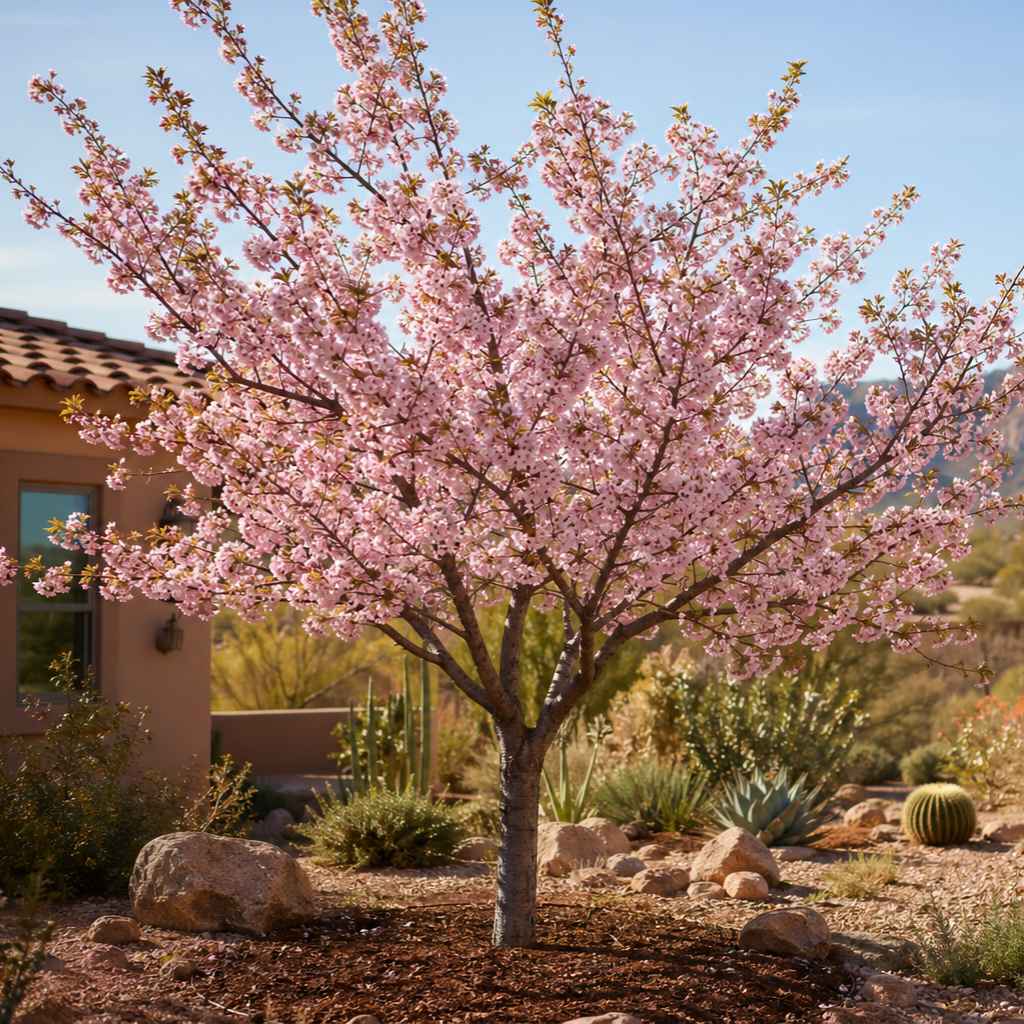
It’s a common question, especially for those of us who love cherries and live in a warm place like Arizona. Can you actually grow delicious, juicy cherry trees when the sun beats down so fiercely? Many people think you can’t.
They imagine these delicate trees needing cool, misty weather. But the truth is a bit more nuanced. With the right approach, you might be surprised what’s possible.
Let’s dig into how to make it work, or at least understand why it’s tricky.
Growing cherry trees in Arizona is challenging due to extreme heat and low chill hours, but possible with careful variety selection, strategic planting, and consistent care. Choosing heat-tolerant, low-chill varieties is key. Proper watering and protection from the sun are also vital for success.
Understanding Cherry Trees and Arizona’s Climate
Cherry trees, botanically known as Prunus avium (sweet cherries) and Prunus cerasus (tart cherries), have certain needs. A big one is chilling hours. This means they need a certain amount of time each year where temperatures stay between 32°F and 45°F (0°C and 7°C).
This cold period is crucial for them to break dormancy and produce flowers and fruit. Many traditional cherry varieties need a lot of these chilling hours.
Arizona, especially the lower desert areas, is known for its intense heat and limited cold. Summers can be scorching, with temperatures regularly exceeding 100°F (38°C). Winters are generally mild, with frost occurring but not often staying long enough to provide the deep chill many fruit trees crave.
This is the main hurdle. Without enough chill, trees may not flower properly, leading to a poor or non-existent harvest. Plus, the extreme heat can stress the trees, causing sunburn on leaves and fruit, and making them more prone to pests and diseases.
However, Arizona is a big state. The higher elevations, like Flagstaff or Payson, offer cooler temperatures and more potential chill hours. So, where you are within Arizona makes a huge difference.
Even in the hotter areas, there are newer varieties being developed. These are bred to need fewer chilling hours and to be more tolerant of heat. This is where hope lies for many home gardeners in warmer climates.
My Own Cherry Tree Adventure
I remember years ago, I was visiting a friend in Phoenix. They had this beautiful small orchard. I saw apple trees, pear trees, even a fig tree doing pretty well.
Then, I spotted a small cherry tree. It looked a little sad, honestly. The leaves were a bit yellowed, and there were hardly any cherries on it.
“How’s your cherry tree doing?” I asked, expecting them to say it was a lost cause.
My friend sighed. “Oh, that old thing? It was a gift.
It blooms like crazy in the spring, looks so pretty. But then. nothing.
Maybe one or two cherries that get sunburned or eaten by birds before I can even see them properly. I think it just hates the heat here.” It was a classic case of trying to grow a tree that wasn’t suited for the climate. I felt bad for them, and for the little tree, struggling against the odds.
It really hammered home for me that you can’t just plant any tree anywhere and expect it to thrive. You really have to know what the plant needs and what the environment offers.
Choosing the Right Cherry Variety
This is the most important step. Not all cherries are created equal when it comes to heat tolerance and chill hours.
- Low-Chill Varieties: Look for cherries specifically labeled as “low-chill.” These require fewer cold hours.
- Heat Tolerance: Some varieties are naturally more resistant to high temperatures and sun.
- Fruit Type: Tart (sour) cherries are often more forgiving in heat than sweet cherries.
- Pollination: Many cherry trees are not self-fertile. You’ll need two different varieties that bloom at the same time. Check for compatibility.
Low-Chill and Heat-Tolerant Varieties for Arizona
So, which cherries might actually stand a chance in an Arizona backyard? The key is to focus on varieties that have been bred or are known to perform in warmer climates with fewer chilling hours. These are often hybrids or selections from regions that experience similar conditions.
For sweet cherries, look for varieties like ‘Brooks’ or ‘Royal Lee’. These are often recommended for California’s warmer inland valleys, which share some climate similarities with Arizona. They typically require around 200-400 chill hours, which might be achievable in some cooler pockets of Arizona, or with careful management.
‘Marilyn’ is another one to consider, known for its lower chill needs.
If you’re more interested in tart cherries, they are generally more forgiving. ‘Black Tartarian’ is often mentioned, although it can still benefit from more chill. Some sources suggest ‘Bing’ might work in very limited areas, but it’s a high-chill variety and generally not ideal.
The real stars for warmer climates are often the newer hybrids. Look for names like ‘Royal Rainier’ (a yellow sweet cherry, needs moderate chill) or specific breeding lines from universities in warmer states. Sometimes, specific cultivars are developed by local agricultural extensions that are tailored to your region.
It’s also worth considering where you buy your trees. Local nurseries that specialize in Arizona-appropriate fruit trees will often have the best advice and the most suitable varieties. They understand the local microclimates and what has historically worked or failed.
They might even carry exclusive varieties that you won’t find elsewhere.
Key Considerations for Cherry Tree Success
Think of these as your checklist before you even buy a tree.
Chill Hours
Know your area’s average chill hours. This is crucial for flower and fruit production.
Heat Tolerance
Choose varieties known to withstand high temperatures. Look for cherries that don’t scorch easily.
Soil Drainage
Cherries hate “wet feet.” Ensure your soil drains very well. Raised beds are often best.
Sun Exposure
Location matters. Morning sun is ideal, with shade from the intense afternoon heat.
Planting Your Cherry Tree for Arizona Conditions
Once you’ve selected a suitable variety, planting correctly is your next big challenge. In Arizona’s climate, you need to give your cherry tree the best possible start to cope with the environmental extremes.
Timing is critical. You want to plant your cherry tree during the cooler months, typically from late fall through winter. This allows the roots to establish before the intense heat of summer arrives. November through February is often the best window in most of Arizona.
Avoid planting in the spring or summer when the ground is hot and the air is dry and scorching.
Location, location, location. This is paramount in hot climates. Find a spot that gets full morning sun but is protected from the harsh, direct afternoon sun. A location on the east side of your house or another structure can provide this valuable afternoon shade.
You can also plant it near a taller, established tree that offers dappled shade during the hottest part of the day. Never plant a cherry tree in a spot that bakes in the sun all day long.
Soil and drainage are non-negotiable. Cherry trees absolutely cannot tolerate soggy roots. If your native soil is heavy clay, which is common in many parts of Arizona, you MUST amend it heavily or plant in a raised bed. For amending, mix in plenty of organic compost and coarse sand or perlite to improve drainage.
A raised bed filled with a high-quality potting mix designed for trees and shrubs is often the most foolproof method. Make sure the bed is at least 18-24 inches deep.
Planting depth matters. You want to plant the tree so the top of the root ball is level with or slightly above the surrounding soil. The graft union, which is the swollen knot where the scion (the fruit-producing part) is joined to the rootstock, should be at least 2-3 inches above the soil line. Planting too deep is a fast way to invite root rot and other problems.
After planting, water thoroughly. Build a small berm of soil around the edge of the root ball to create a watering basin. This helps keep water concentrated around the roots.
Planting Steps for Success
Follow these steps carefully:
- Dig the Hole: Make it about twice as wide as the root ball, but no deeper.
- Amend Soil: Mix native soil with compost and drainage material if not using a raised bed.
- Position Tree: Place the tree in the hole, ensuring the graft union is high.
- Backfill: Use amended soil to fill the hole, gently tamping to remove air pockets.
- Water Deeply: Create a basin and water until the soil is saturated.
- Mulch: Add a 2-3 inch layer of organic mulch, keeping it away from the trunk.
Watering and Feeding Your Arizona Cherry Tree
Water is life, especially in a desert climate. But with cherries, it’s a delicate balance. Too little, and the tree wilts, fruits shrivel, and leaves burn.
Too much, and the roots rot, leading to disease. This is especially true in Arizona’s intense heat.
Deep, infrequent watering is best. You want to encourage roots to grow down deep into the soil, seeking moisture. Shallow, frequent watering keeps roots near the surface, making them vulnerable to heat and drought. How often you water will depend heavily on your specific location, soil type, the age of the tree, and the weather.
In the peak of summer, you might need to water deeply every 7-10 days. In cooler months, much less frequently.
Check the soil moisture. Don’t just water on a schedule. Stick your finger 2-3 inches into the soil near the root zone. If it feels dry at that depth, it’s time to water.
If it’s still moist, wait a few more days. Drip irrigation systems are excellent for cherry trees as they deliver water slowly and directly to the root zone.
Mulching is your best friend. A 2-3 inch layer of organic mulch (like wood chips or compost) around the base of the tree, keeping it a few inches away from the trunk itself, is incredibly beneficial. Mulch helps retain soil moisture, keeps the soil cooler, and suppresses weeds that compete for water. It’s like a natural blanket for the soil.
Feeding your tree. For young trees, focus on encouraging healthy growth. A balanced, slow-release fertilizer applied in early spring, just as new growth begins, is usually sufficient. For mature trees, you may not need to fertilize heavily, especially if you’ve amended your soil well.
Over-fertilizing can lead to excessive leafy growth at the expense of fruit production. If your tree isn’t producing well, a soil test can tell you if there are any specific nutrient deficiencies.
Consider micronutrients. In alkaline soils, which are common in Arizona, trees can sometimes have trouble absorbing micronutrients like iron and zinc. If you see yellowing leaves with green veins (chlorosis), a foliar spray containing chelated iron or zinc can help green them up. Apply these according to product directions.
Watering Tips for Hot Climates
Don’t let your cherry tree go thirsty, but don’t drown it either.
- Feel the soil: Always check moisture before watering.
- Water deeply: Aim to soak the root zone.
- Use mulch: It’s a miracle worker for moisture retention.
- Adjust for weather: Water more in heat, less in cool spells.
- Drip irrigation: Highly recommended for efficiency.
Protecting Your Cherry Tree from the Elements
Even with the right variety and careful planting, Arizona’s climate can be tough on cherry trees. You’ll likely need to take steps to protect your tree, especially from the intense sun and heat.
Sunburn protection. The fruit and the bark of young trees are particularly susceptible to sunburn. For the fruit, this often means developing brown, cracked patches that make it inedible. For the bark, especially on young trees with thinner skin, severe sunburn can kill branches or even the entire tree.
Painting the lower trunk of young trees with white latex paint (diluted 50/50 with water) can reflect sunlight and prevent this damage. You can also use specialized tree wrap or even shade cloth draped over the tree during the hottest part of the day in summer.
Shade cloth is your friend. For young trees, or even established trees struggling with heat, a simple frame covered with 30-50% shade cloth can provide much-needed relief during the peak summer months. Position it to block the most intense afternoon sun. Remember to remove it once the hottest weather passes so the tree can still get enough light.
Pest and disease management. Hot, dry conditions can sometimes favor certain pests. Look out for spider mites, which love dry, hot weather. Regular inspection of leaves can help you catch them early.
Aphids can also be an issue, especially on new growth. Birds are notorious for eating cherries right before they ripen. Bird netting is often the most effective solution, but it can be tricky to install on a mature tree.
Drought stress. Even with careful watering, prolonged periods of extreme heat and drought can stress the tree. Pay attention to any signs of wilting that don’t recover overnight. If the tree looks stressed, provide an extra deep watering if the soil is dry.
Remember, a stressed tree is less productive and more vulnerable to pests and diseases.
Pruning for health. Proper pruning isn’t just about shape; it’s about health. In Arizona, it’s often recommended to prune cherry trees lightly in late winter or early spring. You want to encourage an open canopy that allows for good air circulation and allows sunlight to penetrate.
However, avoid heavy pruning in the heat of summer, as this can expose more bark to the sun. Pruning also helps remove dead or damaged wood, which can be entry points for disease.
Pest Patrol: What to Watch For
Keep an eye on these common issues:
- Spider Mites: Tiny pests that cause stippling on leaves. Look for fine webbing.
- Aphids: Small, often green or black insects that cluster on new growth.
- Birds: The ultimate cherry thieves! Netting is key.
- Borers: Look for small holes in the bark with sawdust-like frass.
Real-World Scenarios in Arizona
Let’s look at how these challenges play out in different parts of Arizona. Imagine a homeowner in Tucson, where summers are brutal and chill hours are very low. Planting a ‘Lapins’ or ‘Bing’ cherry tree here is almost certainly doomed to fail without extreme intervention.
The heat will stress the tree constantly, and it likely won’t get enough cold to produce fruit. They would need to focus on ultra-low-chill varieties, perhaps even considering dwarf rootstock for easier management and shade cloth.
Now consider someone in Prescott or Payson, which are at higher elevations. They get more natural chill hours and milder summers. Here, the chances of success are much better.
They could potentially grow a wider range of varieties, though still leaning towards those that are somewhat heat-tolerant. The main concern might shift from extreme heat to making sure they have enough winter chill for their chosen variety and managing late frosts that could damage early blossoms.
Even within the same city, microclimates matter. A cherry tree planted on a south-facing slope might struggle immensely compared to one on a cooler, north-facing side of the house with morning sun and afternoon shade. The presence of nearby concrete or dark pavement can also radiate heat, creating a hotter microclimate.
Understanding your specific yard’s conditions is as important as understanding the tree’s needs.
I once spoke to a gardener in Mesa who had managed to get a few cherries off a ‘Royal Lee’ tree. She swore by planting it in a large, half-whiskey barrel with excellent drainage, positioning it on her east patio, and religiously covering it with a light sheet on the hottest afternoons. She also watered it very deliberately, checking the soil constantly.
Her harvest was small, maybe a handful of cherries, but to her, it was a triumph because she had worked so hard to meet the tree’s needs against the odds.
When is it Normal, and When to Worry?
It’s important to have realistic expectations when growing cherries in Arizona. Not every tree will be a bountiful producer like you might see in Washington or Michigan.
Normal is often:
- Limited Fruit Set: You might only get a small harvest, especially in the first few years.
- Occasional Sunburn: A few damaged cherries or leaves might appear.
- Slight Wilting: The tree might droop a bit during the hottest part of the day but perk up in the evening.
- Spring Bloom, But Few Cherries: This can happen if there wasn’t quite enough chill, or if late frosts damaged flowers.
When to worry:
- Widespread Leaf Burn: If large sections of leaves are turning brown and crispy, the tree is under severe stress.
- Wilting That Doesn’t Recover: If the tree looks limp even in the morning or evening, it’s a serious sign of dehydration or root problems.
- Bark Damage: Cracks or peeling bark, especially on the sunny side, indicates sunburn that could be fatal.
- Persistent Pests: If you can’t control infestations like spider mites or aphids, they can weaken the tree significantly.
- No Bloom: If the tree consistently fails to produce flowers after several years, it may not be getting enough chill, or the variety is simply unsuitable.
If you see signs of distress, act quickly. Check your watering, ensure you’re providing adequate shade, and inspect for pests. Sometimes, a simple adjustment can make all the difference.
If the tree seems to be failing despite your best efforts, it might be time to consider a different type of fruit tree that is better adapted to the Arizona climate.
Simple Checks for Your Tree
Do this every few weeks:
- Feel the soil: Is it too dry? Too wet?
- Look at the leaves: Are they yellowing? Crispy? Wilting?
- Inspect the bark: Any cracks or peeling?
- Check for bugs: Especially on new growth and undersides of leaves.
Quick Tips for Growing Cherries in Hot Climates
Here are some actionable tips to increase your chances of success:
- Prioritize Low-Chill Varieties: This is non-negotiable for most of Arizona.
- Plant in Fall/Winter: Give the roots time to establish before summer heat.
- Choose East-Facing Locations: Maximize morning sun, minimize harsh afternoon sun.
- Improve Drainage Dramatically: Use raised beds or heavy soil amendment.
- Mulch Generously: Keep roots cool and moist.
- Water Wisely: Deeply and infrequently, checking soil moisture first.
- Provide Afternoon Shade: Use shade cloth or strategic planting for young trees.
- Protect the Trunk: Paint young trees white to prevent sunburn.
- Consider Dwarf Rootstock: Easier to manage, easier to shade.
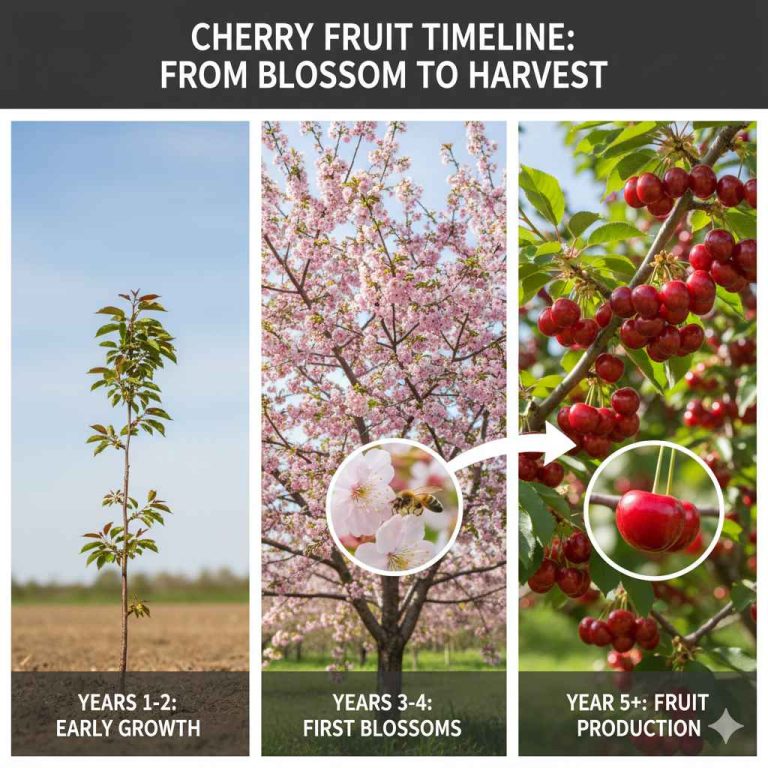
- Be Patient: It may take several years to get a decent harvest, if at all.
Frequently Asked Questions about Arizona Cherry Trees
Can I grow sweet cherries in Phoenix?
Growing sweet cherries in Phoenix is very difficult. Phoenix has extremely high summer temperatures and very low winter chill hours. You would need to select an ultra-low-chill variety and provide significant protection, including afternoon shade cloth.
The chances of a significant harvest are slim.
What are the best low-chill cherry varieties for Arizona?
For Arizona, focus on varieties like ‘Brooks’, ‘Royal Lee’, and potentially ‘Marilyn’ for sweet cherries. For tart cherries, ‘Black Tartarian’ is sometimes recommended but still benefits from more chill. Always confirm the specific chill hour requirements and heat tolerance.
How much water does a cherry tree need in Arizona?
A cherry tree in Arizona needs deep, infrequent watering. In summer, this might be every 7-10 days for established trees, but always check the soil moisture 2-3 inches down. Young trees may need more frequent watering until established.
Avoid overwatering, which can lead to root rot.
Can I plant a cherry tree in a pot in Arizona?
Yes, planting a cherry tree in a large pot or container is a viable option, especially for smaller or dwarf varieties. This allows you to control the soil and drainage precisely, and you can move the pot to provide shade during the hottest parts of the day. Ensure the pot is large enough and has excellent drainage.
Why aren’t my cherry blossoms turning into fruit?
This is often due to insufficient winter chill hours, which prevents the tree from breaking dormancy properly and producing viable flowers. Other causes can include late frosts damaging the blossoms, poor pollination (if you only have one variety and it’s not self-fertile), or extreme heat stress on the developing fruitlets.
How do I protect my young cherry tree from the sun?
Young cherry trees are very susceptible to sunscald. You can protect them by painting the lower trunk with white latex paint (diluted 50/50 with water) or by wrapping the trunk with commercial tree wrap. Additionally, using a shade cloth or placing the tree where it gets afternoon shade is highly recommended.
Conclusion
Growing cherry trees in Arizona is a testament to patience and careful planning. It’s not impossible, but it demands a deep understanding of the tree’s needs and the harsh realities of the desert climate. By choosing the right varieties, planting with meticulous care for drainage and sun exposure, and providing consistent, thoughtful watering and protection, you can increase your chances of enjoying a small, sweet harvest.
It’s about working with your environment, not against it.
Sponsored / affiliate links. As an Amazon Associate I earn from qualifying purchases. I may earn additional commission from eligible campaigns.