Are Maple Trees Strong: The Essential Truth
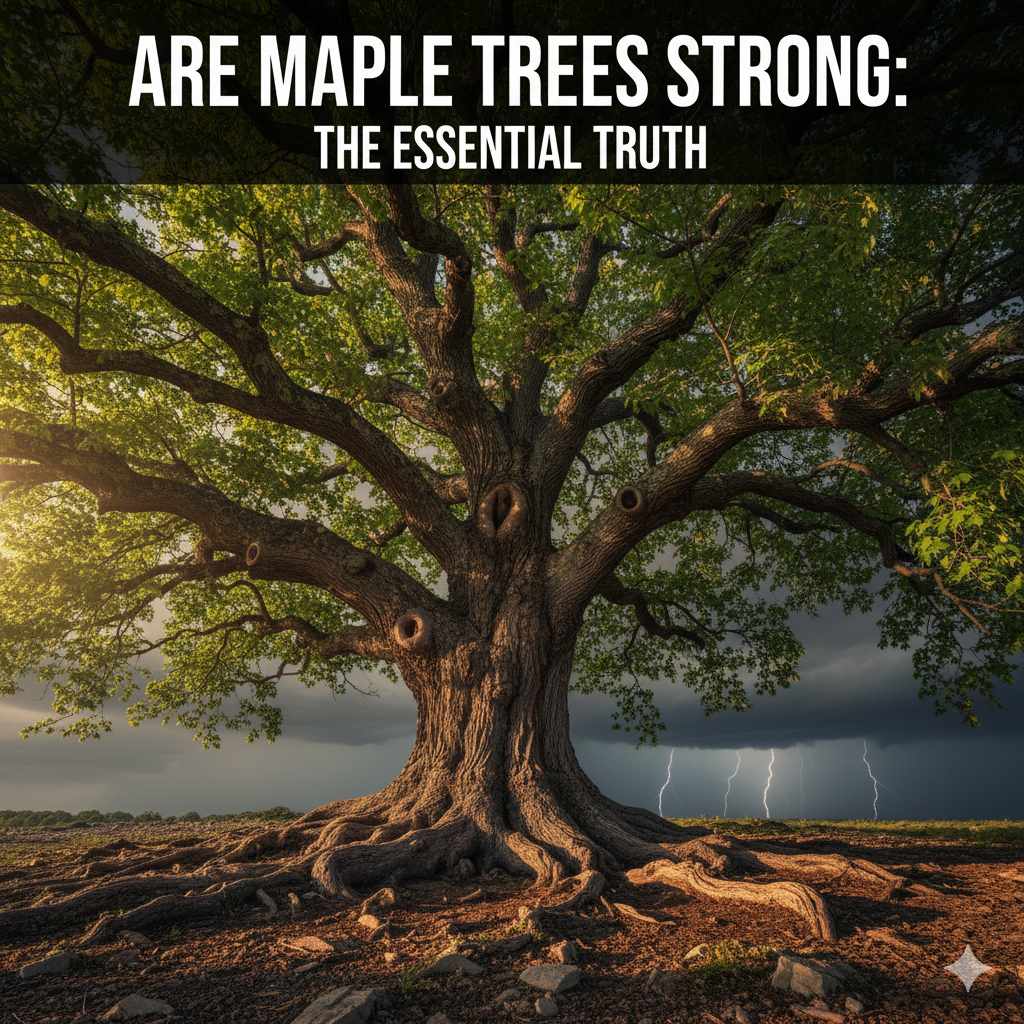
Maple trees are remarkably strong, boasting dense wood that’s highly durable and resilient, making them an excellent choice for furniture, flooring, and various woodworking projects. Their hardness and resistance to wear and tear are key factors in their widespread use.
Ever wondered if that beautiful maple table or those sturdy hardwood floors are built to last? Many of us admire the look of maple wood, but a common question pops up: just how strong is it, really? It’s a vital question for DIYers and homeowners alike, especially when sinking time and money into projects. You want to build or buy something that won’t just look good but will stand up to daily life. We’re here to break down the essential truth about maple tree strength in a way that’s easy to understand, so you can make informed decisions for your next creation. Let’s dive in and uncover what makes maple wood such a reliable choice!
What Makes Wood Strong? Understanding the Basics
Before we get too deep into maple specifically, let’s chat about what makes any wood strong. Think of it like building with LEGO bricks – some bricks are tiny and flimsy, while others are big and tough. Wood is similar. Its strength depends on a few key things:
- Density: This is how much “stuff” is packed into a certain amount of space. Denser wood generally means stronger wood. It’s like comparing a marshmallow to a rock of the same size.
- Hardness: This refers to how well the wood resists dents, scratches, and wear. It’s what makes a surface feel solid and smooth, even after years of use.
- Grain Pattern: The way the wood fibers are arranged plays a big role. Straight, tight grains usually lead to stronger wood than wavy or knotted ones.
- Species: Different types of trees naturally have different characteristics. Some grow faster and produce softer wood, while others grow slower and create exceptionally hard, durable lumber.
So, when we ask “are maple trees strong?”, we’re really asking about the density, hardness, and overall performance of maple wood compared to other types of lumber.
The Essential Truth: Are Maple Trees Strong?
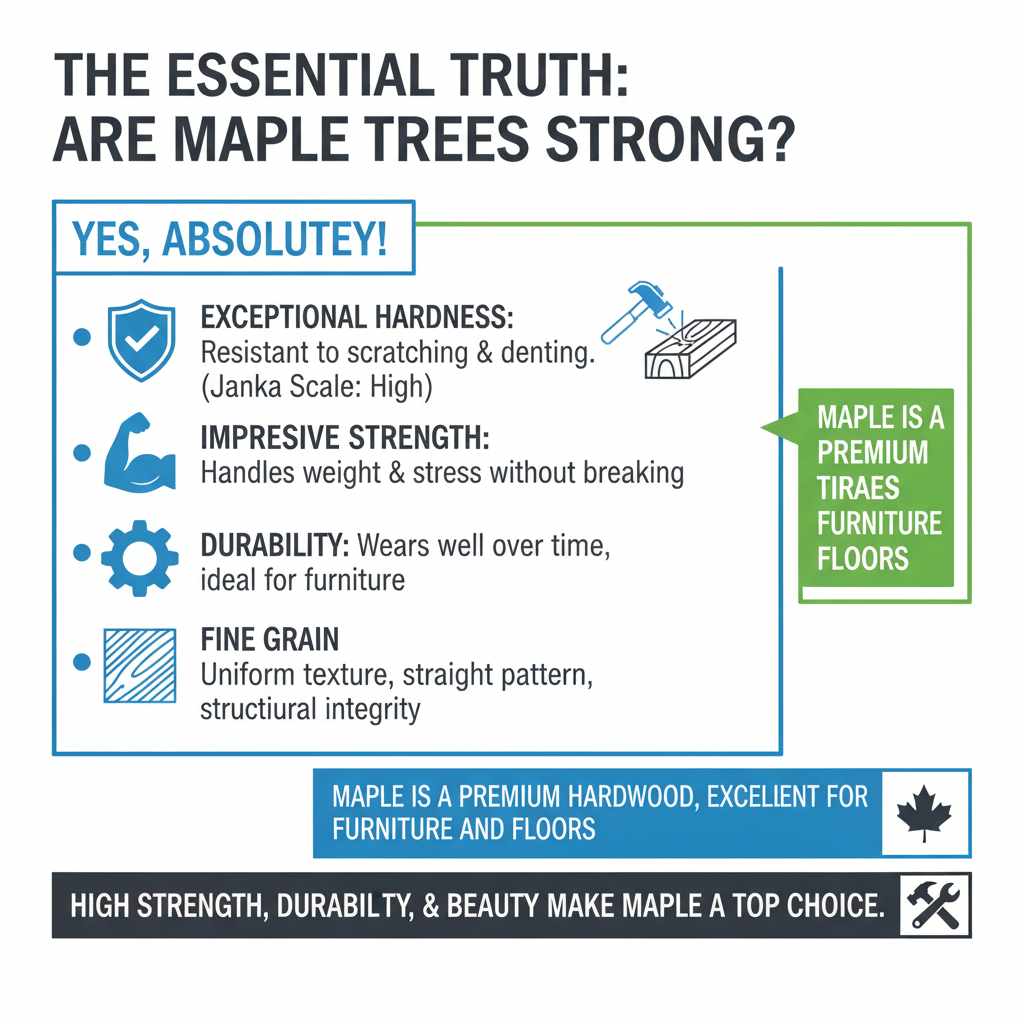
Yes, absolutely! When you look at the Janka hardness scale, which is a standard way to measure wood hardness, maple consistently ranks very high. It’s considered a hardwood for a very good reason. Maple wood is known for its:
- Exceptional Hardness: Maple is one of the hardest domestic woods available. This means it’s very resistant to scratching and denting, making it ideal for high-traffic areas like floors and tabletops.
- Impressive Strength: Beyond just surface hardness, maple is strong structurally. It can handle significant weight and stress without breaking or bending easily.
- Durability: Because it’s so hard and dense, maple wood wears very well over time. It holds up well to everyday use, which is why it’s a favorite for furniture that’s meant to last for generations.
- Fine Grain: Maple typically has a fine, uniform texture and a straight grain pattern. This not only gives it a beautiful, smooth look but also contributes to its structural integrity.
For any beginner woodworker or homeowner looking for solid, reliable materials, maple ticks a lot of the right boxes. It’s a wood you can trust to perform well and look great.
Understanding Janka Hardness: A Simple Guide
The Janka hardness test is a scientific way to measure the resistance of wood samples to denting and wear. It’s performed by measuring the force required to embed a 0.444-inch steel ball halfway into a specimen of wood. The higher the number, the harder the wood!
Here’s how some popular woods stack up against maple, to give you a clearer picture. These numbers can vary slightly depending on the specific species of maple (e.g., hard maple vs. soft maple) and the exact testing conditions, but they provide a good general comparison:
| Wood Type | Janka Hardness (lbf) |
|---|---|
| Red Oak | 1290 |
| White Oak | 1360 |
| Hickory | 1820 |
| Red Maple | 1240 |
| Hard Maple (Sugar Maple) | 1450 |
| Pine (Eastern White) | 380 |
| Cherry | 950 |
As you can see from the table, Hard Maple (often referred to as Sugar Maple or Rock Maple) is quite a bit harder than Red Oak and significantly harder than softer woods like pine. This makes it an excellent choice when durability is a top priority. While Red Maple is still a hardwood and quite strong, the popular “Hard Maple” varieties offer even greater resilience.
Types of Maple Wood and Their Strength
Not all maple is created equal! When people talk about maple wood, they’re often referring to a few different species, each with slightly varying characteristics, though all are categorized as hardwoods. The most common and sought-after for its strength is:
Hard Maple (Sugar Maple, Rock Maple)
This is the king of maple strength! Its scientific name is Acer saccharum. Hard Maple is renowned for its exceptional density, hardness, and stiffness. It typically has a Janka hardness rating of around 1450 lbf. This wood is prized for its light, creamy color and fine, even grain, which can sometimes display beautiful wavy or curly patterns (often called “tiger maple” or “flame maple”).
Why it’s strong: High density and tight cell structure. It’s resistant to abrasion, shock, and wear. Its stiffness means it resists bending under load.
Common Uses: High-end furniture, butcher blocks, cutting boards, flooring, musical instruments (especially for soundboards and necks), baseball bats, and bowling alley lanes.
Soft Maple
This is a broader category that includes species like Red Maple (Acer rubrum) and Silver Maple (Acer saccharinum). While still a hardwood and offering good strength, “soft” maple is generally not as hard or dense as Hard Maple. Their Janka hardness ratings can range from about 900 to 1200 lbf, making them softer than Red Oak but still significantly harder than pine.
Why it’s strong: Still a hardwood with good structural integrity, but less dense than Hard Maple. It’s easier to work with but offers less resistance to dents and scratches compared to Hard Maple.
Common Uses: General furniture, cabinetry, doors, millwork, plywood. It’s often a more economical choice when the extreme hardness of Sugar Maple isn’t strictly necessary.
For woodworking beginners, understanding this distinction is helpful. If you need a surface that will see a lot of heavy use, opt for Hard Maple. If you’re building something like cabinet doors or interior trim where extreme hardness isn’t the main concern, Soft Maple can be a great and more affordable option.
The Durability Factor: How Maple Holds Up
When we talk about “strong,” we’re not just talking about resisting immediate breakage. Durability involves how well something lasts over time, through daily wear and tear, and maple wood excels here. Its strength translates directly into:
- Scratch and Dent Resistance: Because Hard Maple is so dense, it takes a significant impact to leave a mark. This is why it’s a top choice for flooring in busy homes or commercial spaces, and why cutting boards made from maple are so popular. They can take a beating from knives and still look good.
- Wear Resistance: Surfaces made from maple tend to stay smooth and avoid developing that “worn out” look quickly. Even in high-traffic areas, maple wood can maintain its integrity and appearance for decades.
- Stability: While all wood expands and contracts with changes in humidity, well-dried maple is generally quite stable. This means projects made from it are less likely to warp or twist over time, provided they are finished properly.
This inherent durability means that projects built with maple, especially Hard Maple, are investments. They are less likely to need frequent repairs or replacement, saving you time and money in the long run. For anyone who values craftsmanship and longevity, maple is a fantastic material.
Maple Wood in Woodworking Projects
As a beginner woodworker, choosing the right wood can feel overwhelming. You want something forgiving to work with but also strong enough for the intended purpose. Maple fits this bill in many applications.
Working with Maple for Beginners
Maple can be a rewarding wood to learn with, but it does have a couple of quirks:
- Hardness Challenge: Because it’s so hard, working with maple requires sharp tools. Dull blades will dig and tear the grain, leaving a rough finish. Keep your chisels, planes, and saw blades razor-sharp! Organizations like Wood Magazine offer excellent guides on tool maintenance.
- Finishing: Maple’s fine, non-porous grain can sometimes be tricky to finish evenly. It might absorb stain differently than more open-grained woods. However, it takes clear coats (like polyurethane or varnish) beautifully, showcasing its natural color and grain. For staining, a pre-stain conditioner can be very helpful to ensure an even result.
- Dust: Maple dust can be irritating, so always use a dust mask and good ventilation when cutting or sanding. Safety first!
Despite these points, the strength and beauty of maple make it worth the effort for many DIYers. You’ll gain confidence as you learn to work with its unique properties.
Projects Where Maple Excels
Maple’s strength makes it ideal for projects that need to be robust:
- Furniture: Coffee tables, dining tables, chairs, bed frames. Maple can handle the weight and daily use.
- Flooring: Very popular for its durability and classic look.
- Cutting Boards and Butcher Blocks: The hardness resists knife marks and keeps the surface hygienic and attractive.
- Benches and Stools: Anything that needs to support weight reliably.
- Tool Handles: For tools that need a strong, comfortable grip.
- Decorative Items: Even for smaller, decorative pieces, maple’s fine grain and ability to take a smooth finish make it a great choice for boxes, bowls, and more.
Maple vs. Other Common Woods: A Comparison
To really solidify whether maple is strong, let’s look at how it compares to some other woods beginners might encounter.
Maple vs. Pine
Pine is often the go-to for beginners because it’s soft, lightweight, inexpensive, and easy to cut. However, it’s significantly weaker and softer than maple. Pine is prone to dents, scratches, and dings. Maple, especially Hard Maple, is vastly stronger, denser, and more durable. Pine is great for utility projects where aesthetics and ultimate strength aren’t paramount, while maple is for items you want to last and withstand heavy use.
Maple vs. Oak
Oak is another popular hardwood often compared to maple. Red Oak and White Oak are both strong woods with a Janka rating usually between 1200-1400 lbf. Oak has a more prominent, open grain pattern, which gives it a distinct rustic look and can make it a bit easier to stain consistently. Maple, particularly Hard Maple, is generally denser and harder, offering even better resistance to wear and tear, with a smoother, more uniform grain. For supreme durability, maple often has the edge.
Maple vs. Walnut
Walnut is prized for its rich, dark color and beautiful grain. It’s also a strong hardwood, with Janka ratings typically around 1000-1200 lbf. While strong and durable, walnut is generally softer than Hard Maple. Walnut is often chosen for its aesthetic appeal in high-end furniture and decorative items, whereas maple is often selected when maximum hardness and durability are the primary concerns, like in flooring or work surfaces.
Here’s a quick summary table of these comparisons:
| Wood Type | Janka Hardness (Approx. lbf) | Grain Pattern | Best For |
|---|---|---|---|
| Pine | 300-800 | Open, knotty | Framing, temporary structures, beginner projects needing easy workability |
| Red Oak | 1290 | Open, prominent grain | Furniture, flooring, cabinets (good balance of strength & cost) |
| Hard Maple | 1450 | Closed, fine, uniform grain | Flooring, furniture, cutting boards, high-wear surfaces |
| Walnut | 1010 | Open, distinctive grain | Fine furniture, decorative items, gunstocks (valued for color & appearance) |
This comparison highlights that while many hard woods are strong, Hard Maple consistently offers some of the highest levels of hardness and durability, making it a top-tier choice for demanding applications where longevity is key.
Factors Affecting Maple Tree Strength
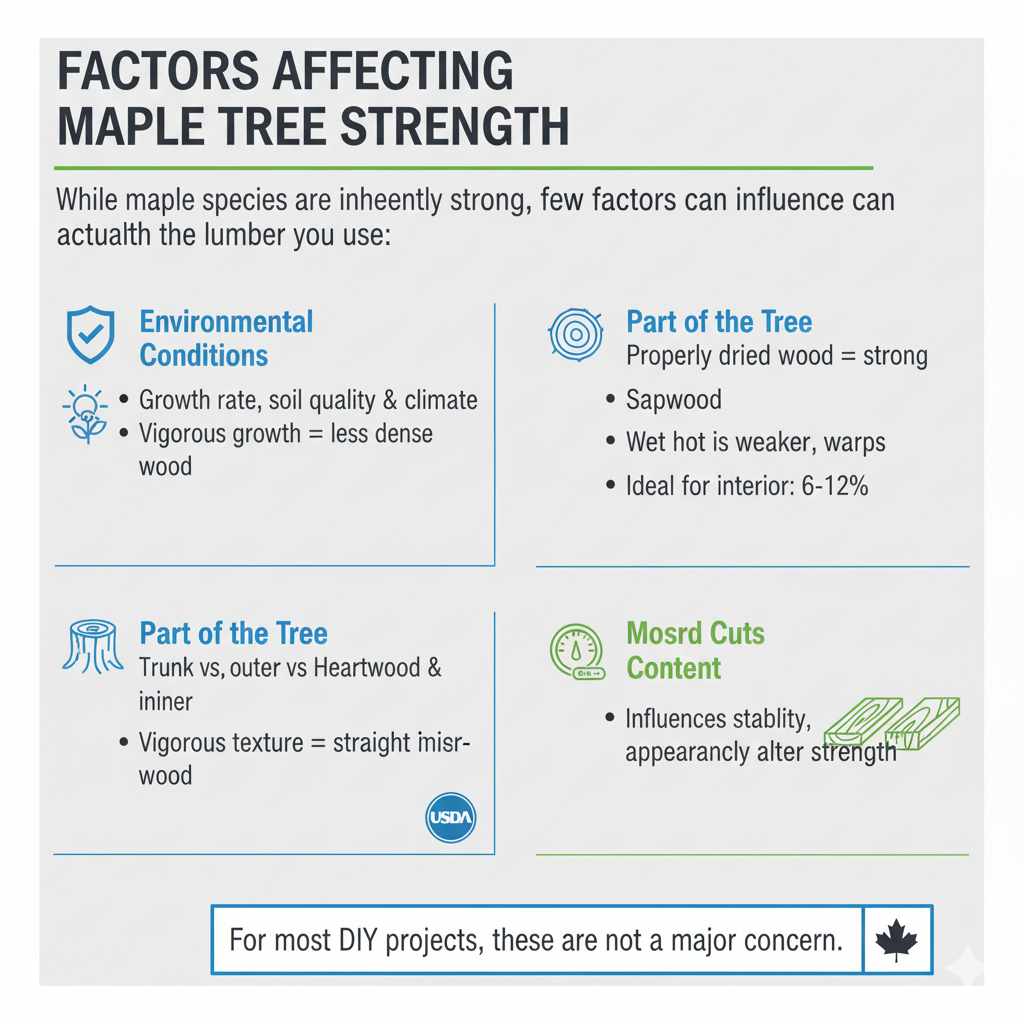
While maple species are inherently strong, a few factors can influence the actual strength of the lumber you use:
- Environmental Conditions: A tree’s growth rate, soil quality, and climate can affect wood density. Vigorous growth can sometimes lead to slightly less dense wood (though still strong hardwood).
- Part of the Tree: The strength can vary slightly from the trunk to the branches, and sapwood (outer layer) might differ from heartwood (inner core).
- Moisture Content: All wood strength is affected by its moisture content. Properly dried and seasoned lumber will perform as expected. Wet lumber is weaker and can shrink or warp as it dries. Reputable lumber suppliers will ensure wood is dried to a stable moisture content, typically between 6-12% for interior use. The Forest Products Laboratory (a division of the USDA) provides in-depth information on wood properties.
- Board Cuts: How a board is cut from the log (e.g., quarter-sawn, flat-sawn) can influence its stability and appearance, but generally doesn’t drastically alter its intrinsic strength.
For most DIY projects, these variations are unlikely to be a major concern, especially when sourcing lumber from reputable dealers. They typically select wood that has been properly harvested and dried.
Maple’s Strength in Different Applications
Let’s look at how maple’s strength is utilized in real-world scenarios:
Flooring
Maple flooring is a fantastic choice for its resilience. It can withstand heavy foot traffic, furniture being moved, and the general wear and tear of daily life. Its hardness means it’s less likely to show dents from dropped items or scratches from pets’ claws compared to softer woods. This makes it a popular choice for kitchens, hallways, and living rooms.
Furniture Making
When you see a sturdy, timeless piece of maple furniture, its strength is a key part of its appeal. Whether it’s a dining table that needs to support heavy meals or a desk that will see a lot of work, maple provides a stable and durable surface. Its fine grain also takes a beautiful finish, making the furniture not just strong but also aesthetically pleasing.
Kitchen and Food Prep Surfaces
Butcher blocks and cutting boards made from Hard Maple are legendary. The wood’s hardness makes it resistant to deep knife marks, which helps prevent bacteria from harboring. It’s also dense enough that it doesn’t readily absorb liquids or odors. When properly cared for and oiled, a maple butcher block is incredibly durable and hygienic.
Musical Instruments
While not always about brute strength, the density and stiffness of maple are crucial for instruments like violins, guitars, and drums. These properties contribute to the clarity, resonance, and projection of sound. The stability of maple also ensures that the instrument’s shape and tuning remain consistent.
Conclusion: Maple is a Strong Choice!
So, to wrap it all up, are maple trees strong? The answer is a resounding yes! Maple wood, particularly Hard Maple, is one of the strongest and most durable domestic hardwoods you can find. Its high Janka hardness rating, density, and fine grain make it exceptionally resistant to dents, scratches, and wear. This makes it an ideal material for a wide range of applications, from furniture and flooring that need to last for generations to robust