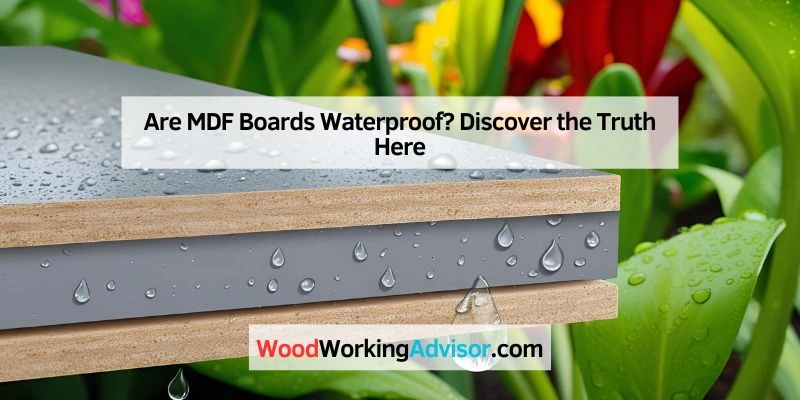
Are MDF Boards Waterproof? Discover the Truth Here
MDF boards are not naturally waterproof. They absorb water and can swell or warp.
However, there are ways to make them resistant to moisture. MDF, or Medium Density Fiberboard, is a popular material in furniture and construction. It’s made from wood fibers, wax, and resin. This makes it dense and smooth. But, this also means it can soak up water.
Understanding how to protect MDF from water can help you use it better. In this blog, we’ll explore how MDF reacts to water and what you can do to make it more water-resistant. Learn how to keep your MDF projects safe from moisture and enjoy their durability longer. Stay with us for some useful tips!
Introduction To MDF Boards
Medium-Density Fiberboard, commonly known as MDF, is a popular material used in various construction and furniture projects. Understanding its properties is crucial, especially if you’re considering its waterproof capabilities. Let’s start by diving into the basics of MDF boards.
What Is MDF?
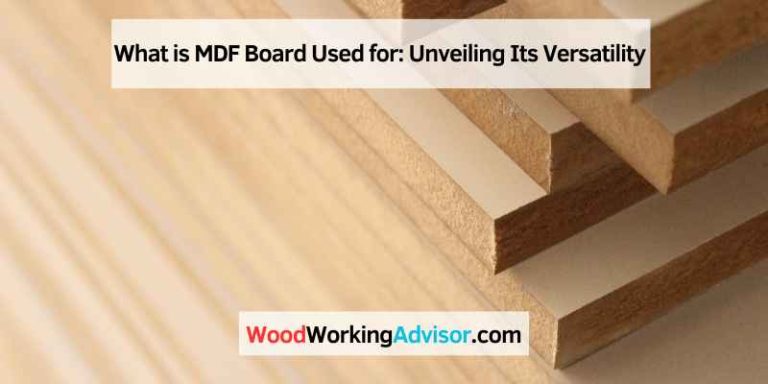
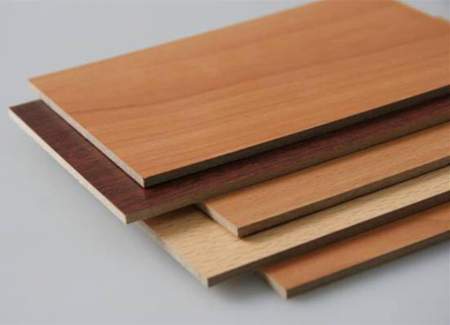
MDF stands for Medium-Density Fiberboard. It is an engineered wood product. MDF is made from wood fibers, resin, and wax. These components are compressed under high pressure and temperature. This process creates a dense, strong board. MDF is known for its smooth surface and uniform texture.
Common Uses Of MDF
MDF is versatile and used in many applications. It is often used in furniture making. For example, cabinets, shelves, and tables. MDF is also used in interior decoration. Such as wall panels and moldings. Its smooth surface is perfect for painting and finishing. MDF is preferred for its affordability and ease of work.
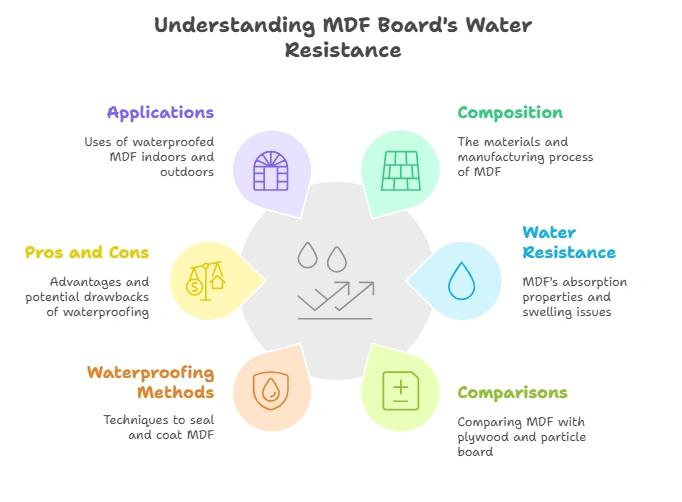
Composition Of MDF Boards
Understanding the composition of MDF boards is key to knowing their properties, including whether they are waterproof. MDF, or Medium-Density Fiberboard, is a popular material in furniture and construction. Its composition involves specific materials and processes.
Materials Used
MDF boards consist of wood fibers. These fibers come from hardwood or softwood. Wax and resin bind these fibers together. The boards also include formaldehyde-based glue. This glue helps create a strong bond.
Manufacturing Process
The manufacturing process begins by breaking down wood into fibers. These fibers are then mixed with wax and resin. Next, the mixture is formed into panels. High temperature and pressure compress the panels. This process ensures the boards are dense and smooth.
The final step involves cutting the panels to size. Each piece is sanded for a smooth finish. This process makes MDF boards versatile and easy to work with.
Water Resistance Of MDF
Medium Density Fiberboard (MDF) is a popular choice in woodworking. It is made from wood fibers and resin. Many people ask if MDF boards are waterproof. Understanding their water resistance is key.
Absorption Properties
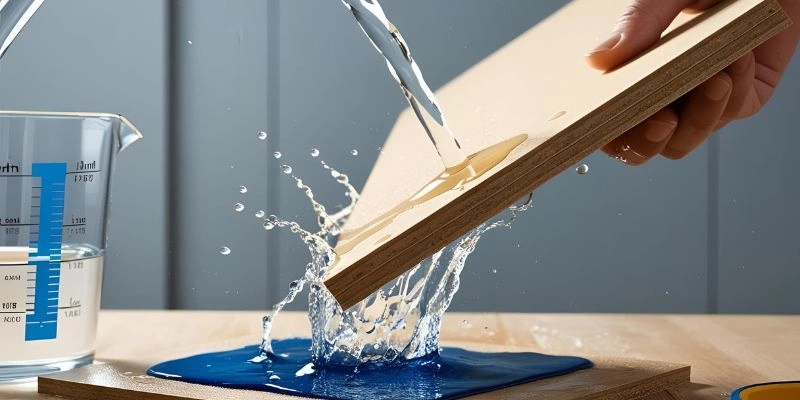
MDF absorbs water quickly. The wood fibers and resin are not waterproof. When exposed to moisture, MDF swells. This can weaken the board. Even a small amount of water can be harmful. Sealing the MDF surface can help. But it does not make the board fully waterproof.
Swelling And Warping
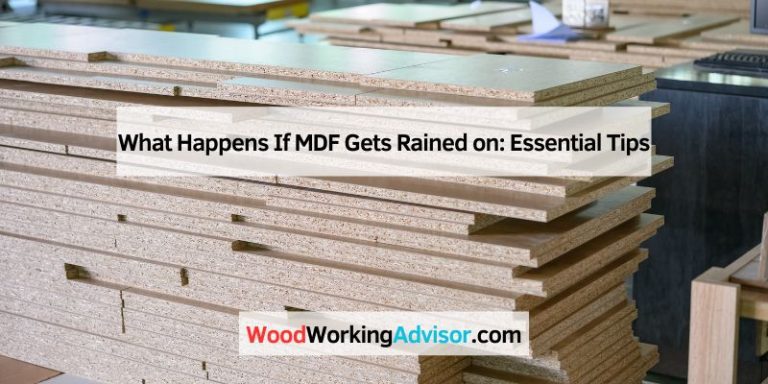
Water exposure causes MDF to swell. The board can warp or change shape. This affects its strength and appearance. Swelling is often irreversible. Using MDF in wet areas is risky. Special waterproof treatments can reduce swelling. But they are not always effective.
Comparing Mdf With Other Materials
When it comes to choosing the right material for your home improvement projects, it’s essential to understand the characteristics and benefits of each option. In this section, we will compare MDF (Medium Density Fiberboard) with other commonly used materials. Are MDF boards waterproof? Well, let’s dive in and explore how MDF stacks up against plywood and particle board.
MDF Vs. Plywood
Plywood and MDF are popular choices for furniture and cabinetry. But what sets them apart?
- Composition: Plywood is made from thin layers of wood veneers, glued together with the grain of each layer at right angles to the next. MDF, on the other hand, is made from wood fibers bonded with resin and wax.
- Strength: Plywood tends to be stronger and more durable than MDF because of its cross-grain construction. This makes plywood a better choice for structural projects.
- Water Resistance: Plywood is generally more resistant to moisture than MDF. However, there are moisture-resistant MDF options available that can be used in damp areas.
- Surface Finish: MDF has a smoother surface, making it ideal for painting or veneering. Plywood can have a rougher texture and may require more preparation before finishing.
So, if you need strength and moisture resistance, plywood might be your go-to. But if you want a smooth finish for painting, MDF could be the right choice.
MDF Vs. Particle Board
Let’s not forget about particle board, another common material. How does MDF compare?
- Composition: Particle board is made from wood chips, sawdust, and resin, while MDF is made from finer wood fibers. This gives MDF a more uniform and dense structure.
- Durability: MDF is generally stronger and more durable than particle board. Particle board is more prone to damage and may not last as long.
- Water Resistance: Both MDF and particle board are susceptible to water damage. However, MDF can be treated to be more moisture-resistant, whereas particle board does not hold up well in wet conditions.
- Surface Finish: MDF has a smoother surface compared to particle board, which can appear rough and uneven. This makes MDF a better option for projects where a fine finish is required.
In a nutshell, if you’re looking for durability and a smooth surface, MDF wins over particle board. But remember, neither is inherently waterproof, so consider your project’s environment when making a choice.
Choosing the right material for your project can feel like walking a tightrope. But with a little knowledge and a clear understanding of your needs, you can strike the perfect balance. So, the next time you’re at the hardware store, you’ll know exactly what to look for!
Waterproofing Methods For MDF
Medium Density Fiberboard (MDF) is a popular choice for furniture and home improvement projects due to its affordability and smooth surface. However, one major drawback of MDF is its susceptibility to moisture. When exposed to water, MDF can swell, warp, and deteriorate. So, how can you protect your MDF projects from moisture damage? In this section, we’ll explore various waterproofing methods that can help extend the life of your MDF creations.
Surface Sealing Techniques
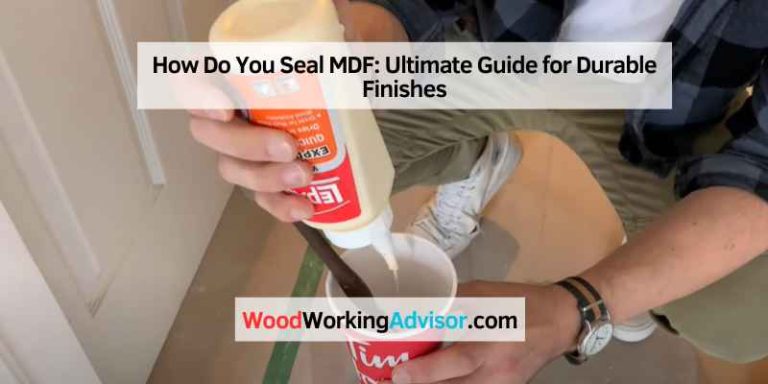
Sealing the surface of MDF is one of the most effective ways to make it water-resistant. Here are some common methods:
- Painting: Applying a coat of paint can provide a protective barrier against moisture. Use a high-quality primer first, then add at least two coats of paint for best results.
- Varnishing: Varnish is another excellent option for sealing MDF. It not only protects against water but also adds a beautiful finish. Apply multiple layers, allowing each to dry thoroughly.
- Laminate Sheets: Laminating MDF with waterproof sheets can offer superior protection. This method is particularly effective for countertops and tabletops.
Using Waterproof Coatings
In addition to surface sealing, using specialized waterproof coatings can further enhance the moisture resistance of MDF. Here are some popular options:
- Polyurethane Coatings: Polyurethane is a durable and flexible coating that can be applied to MDF. It’s available in both water-based and oil-based formulas. Water-based polyurethane dries faster and has less odor, making it a convenient choice.
- Epoxy Sealers: Epoxy provides a strong, waterproof barrier. It’s ideal for areas exposed to high moisture, such as bathrooms and kitchens. However, it requires careful application and sufficient curing time.
- Waterproofing Sprays: For quick and easy application, waterproofing sprays can be a lifesaver. These sprays are designed to penetrate the surface of MDF and create a water-resistant layer. Just spray, let it dry, and you’re good to go.
By following these waterproofing methods, you can significantly enhance the durability and lifespan of your MDF projects. Remember, a little effort in waterproofing can go a long way in preserving the beauty and functionality of your MDF creations.
Pros And Cons Of Waterproofing MDF
Medium Density Fiberboard, commonly known as MDF, is a popular material for furniture and interior designs. But have you ever wondered if MDF is waterproof? The simple answer is no, not inherently. However, you can make it water-resistant. Let’s dive into the pros and cons of waterproofing MDF to help you decide if it’s worth the effort.
Advantages
Waterproofing MDF can be a game-changer. Here are some of the advantages:
- Durability: When MDF is treated to be water-resistant, it becomes more durable. This means it can withstand moisture and won’t swell or warp easily.
- Cost-effective: MDF is cheaper than solid wood, and adding a waterproof layer can extend its life, offering more value for your money.
- Versatility: Waterproof MDF can be used in places where you wouldn’t normally use regular MDF, like kitchens and bathrooms.
- Improved Aesthetics: Sealing MDF can also enhance its appearance, making it look smoother and more finished.
Potential Drawbacks
While waterproofing MDF has its perks, there are also some potential drawbacks to consider:
- Cost: The process of waterproofing MDF adds to the overall cost. This might not be ideal if you are on a tight budget.
- Effort: Waterproofing MDF requires time and effort. It’s not just a simple coat of paint; you might need multiple layers of sealant.
- Limited Effectiveness: Even though waterproofing makes MDF more resistant to moisture, it doesn’t make it completely waterproof. Over time, water can still seep in.
- Health Concerns: Some waterproofing materials can emit volatile organic compounds (VOCs), which are not good for your health.
In conclusion, waterproofing MDF has its pros and cons. It can make your MDF projects more durable and versatile, but it also comes with added costs and effort. Weigh these factors carefully to decide if waterproofing is right for your needs.
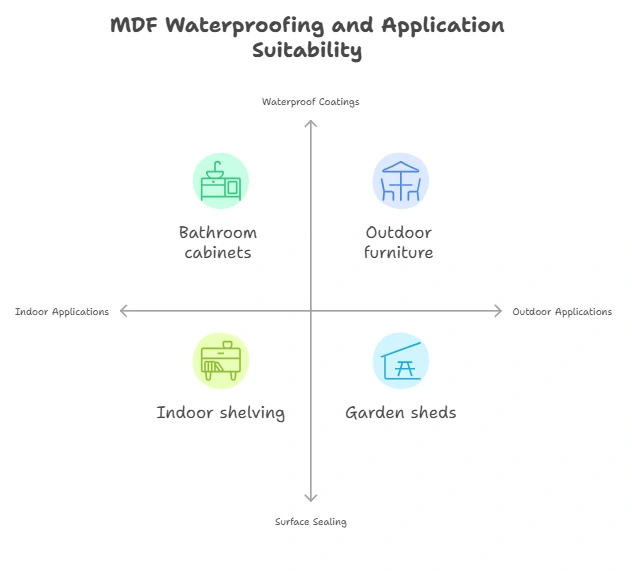
Applications For Waterproofed MDF
Waterproofed MDF (Medium Density Fiberboard) is a versatile material that is fast becoming popular due to its durability and resistance to moisture. It opens up a world of possibilities for both indoor and outdoor applications. But where exactly can you use it? Let’s dive into the many uses of waterproofed MDF and see how it can benefit your next project.
Indoor Uses
Waterproofed MDF is a game-changer when it comes to indoor applications. From kitchens to bathrooms, its resistance to moisture makes it an ideal choice. Here are some common indoor uses:
- Kitchen Cabinets: With waterproofed MDF, you don’t have to worry about spills and splashes ruining your cabinets. They stay looking fresh and new for longer.
- Bathroom Vanities: Bathrooms are naturally humid environments. Waterproofed MDF ensures your vanities remain sturdy and unwarped.
- Furniture: Ever considered making a piece of furniture that can withstand the occasional spill? Waterproofed MDF is perfect for tables, shelves, and more.
- Interior Doors: These doors can resist the moisture that may come from humid indoor environments, ensuring durability and longevity.
Imagine not having to worry about water damage in areas prone to moisture. Sounds like a dream, right?
Outdoor Uses
Now, let’s step outside and explore the outdoor applications of waterproofed MDF. Surprisingly, this material can be just as effective outdoors as it is indoors. Here’s how:
- Garden Furniture: Waterproofed MDF can be used to create durable outdoor furniture that can withstand weather elements. This means no more worrying about rain damaging your garden seating.
- Exterior Signage: Want a sign that can endure the elements? Waterproofed MDF is perfect for making long-lasting outdoor signs.
- Sheds and Outbuildings: Building a small shed or outbuilding? Using waterproofed MDF for the interior can ensure it stays solid and resistant to moisture damage.
- Decking Accessories: From planters to decorative screens, waterproofed MDF can add a stylish yet durable touch to your outdoor spaces.
Who knew that a material often used indoors could have such versatile outdoor applications? It’s like having the best of both worlds!
In conclusion, waterproofed MDF is an innovative solution for both indoor and outdoor projects. Its resistance to moisture and durability make it a valuable material for a variety of uses. Whether you’re renovating your kitchen or adding a new piece to your garden, waterproofed MDF could be the perfect choice. So, what are you waiting for? Give it a try and see the difference it makes!
Maintenance Tips For Waterproofed MDF
Waterproofed MDF boards are a fantastic choice for many projects. They are durable and resistant to moisture. To ensure they last long, proper maintenance is key. Here are some tips to keep your waterproofed MDF in top shape.
Cleaning And Care
Regular cleaning extends the life of your MDF boards. Wipe the surface with a damp cloth to remove dust and dirt. Avoid using harsh chemicals. They can damage the waterproof layer. Mild soap and water work best. Dry the surface with a soft cloth after cleaning. This prevents water spots and streaks.
Repairing Damaged Areas
Even waterproofed MDF can get damaged. Chips and scratches are common. Sand the damaged area lightly. Use fine-grit sandpaper for this. Apply a matching wood filler. Let it dry completely. Sand the area again for a smooth finish. Finally, apply a waterproof sealant. This restores the protective layer.
Frequently Asked Questions
Is It Okay For MDF To Get Wet?
MDF should not get wet. It absorbs moisture, swells, and loses its structural integrity. Use waterproof sealants for protection.
Is MDF Ok For Outdoor Use?
MDF is not suitable for outdoor use. It absorbs moisture, which can cause swelling and damage. Opt for weather-resistant materials instead.
How To Seal MDF To Make It Waterproof?
Seal MDF by applying a primer, followed by a waterproof sealer. Sand between coats for a smooth finish.
What Are 5 Disadvantages Of MDF?
1. MDF is not water-resistant. 2. It can emit harmful VOCs. 3. It has low durability. 4. It is heavy and hard to move. 5. MDF is prone to damage from screws.
Conclusion
MDF boards are not waterproof. They absorb water and swell. This makes them unsuitable for wet areas. For bathrooms or kitchens, choose water-resistant options. Consider plywood or other waterproof materials. Always check the product specifications. Proper sealing can help, but it’s not foolproof.
Know your needs before purchasing. This ensures the best material choice.