Are Oak Trees Fire Resistant: Proven Safety
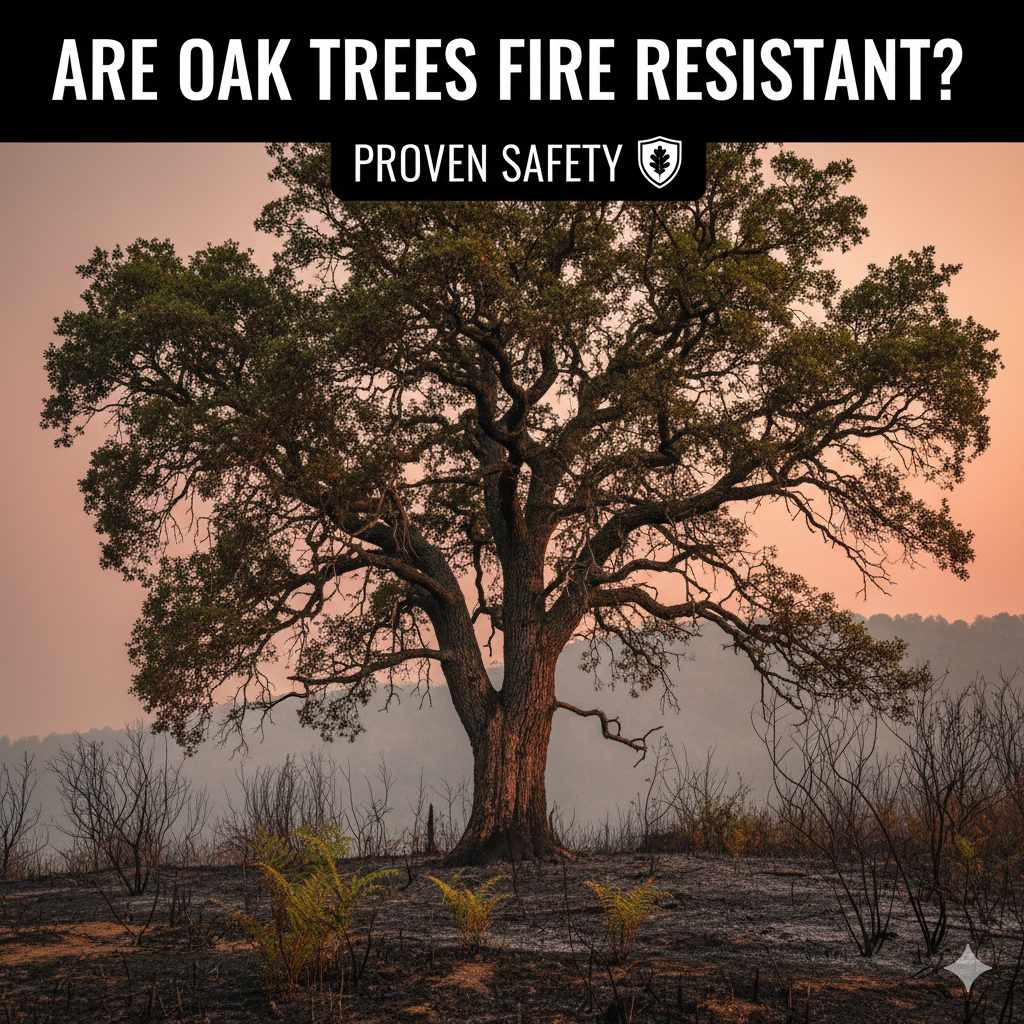
Oak trees are generally considered moderately fire resistant, especially mature ones with thick bark. However, their resistance varies by species and dryness. While they can survive many fires, significant or prolonged heat can still damage or destroy them. Understanding these nuances is key to assessing their safety in wildfire-prone areas.
Hey there, woodworking friends! Have you ever looked at a stately oak tree and wondered about its toughness, especially when it comes to fire? It’s a common question, especially for those living in areas where wildfires are a concern, or perhaps if you’re considering using oak in outdoor projects. You might think a big, strong tree like an oak is automatically fireproof, but the truth is a little more nuanced.
It’s easy to feel a bit unsure when fire safety is on your mind. We want to make good choices, whether it’s for our homes, our landscapes, or even the materials we use for our DIY projects. That’s why we’re diving deep into whether oak trees can stand up to the heat.
We’ll explore what makes some oaks more resistant than others and what factors can turn an oak from a survivor into fuel. By the end of this, you’ll have a clearer picture and more confidence in understanding oak’s relationship with fire. Let’s get started on uncovering the fire resistance of these magnificent trees!
Understanding Fire Resistance in Trees: What It Means
When we talk about fire resistance in trees, we’re not usually talking about them being completely fireproof. Instead, it’s about their ability to withstand and survive a fire event. Several characteristics contribute to a tree’s fire resistance, and they work together to protect the living parts of the tree from intense heat and flames. It’s like an all-around defense system nature has developed over time.
Think of it as a tree’s personal protective gear. Some trees have better gear than others. This gear includes things like thick bark, high moisture content in their wood and leaves, and their overall structure. These features help to insulate the tree’s vital inner tissues and prevent them from reaching temperatures high enough to ignite or be fatally damaged. Understanding these components helps us appreciate why certain species, like some oaks, are often discussed in the context of fire resilience.
The Role of Bark Thickness
One of the most crucial factors in a tree’s fire resistance is its bark. For many species, especially mature trees, the bark acts as a natural insulator. It’s like wearing a thick, protective coat. This bark can be several inches thick on older trees, and it’s often less dense and contains air pockets, which makes it a poor conductor of heat.
When a fire sweeps through, the outer layers of the bark might char and burn away, but this sacrificial layer protects the cambium – the living tissue just beneath the bark that is essential for the tree’s growth and survival. Species with naturally thick, furrowed bark, like many mature oak varieties, tend to fare much better in lower-intensity fires than trees with thin, flammable bark.
Moisture Content: A Tree’s Internal Defense
A tree’s internal moisture content plays a significant role in how it reacts to fire. Live, healthy trees, especially hardwoods like oak, contain a substantial amount of water within their tissues. This water acts as a natural fire retardant. When exposed to significant heat, the water absorbs a lot of energy as it turns into steam, helping to keep the wood temperature below its ignition point.
However, this defense is most effective when the tree is alive and well-hydrated. Drought-stressed trees, or dead trees, have much lower moisture content and become far more vulnerable to burning. This is a key reason why even fire-resistant species can succumb to intense or prolonged fires, especially during prolonged dry periods.
Tree Structure and Age
The overall structure and age of an oak tree also influence its fire resistance. Young, slender oak saplings with thin bark and less developed root systems are more susceptible to fire damage. Their living tissues are closer to the surface and less protected.
As oak trees mature, they develop thicker bark, a larger trunk diameter that can better insulate the core, and a more extensive root system. This larger mass also means there’s more internal moisture. Older, larger trees are generally more likely to survive fires than younger ones, assuming they are healthy and not suffering from drought. Their size and established presence give them a distinct advantage in surviving a firestorm.
Are Oak Trees Specifically Fire Resistant?
Now, let’s get to the heart of it: how do oak trees stack up when it comes to fire resistance? The answer is generally positive, but with important caveats. Oaks are often considered to be among the more fire-resistant deciduous trees, particularly certain species.
Their reputation for toughness in fires comes from a combination of factors we’ve discussed: thick bark, higher moisture content compared to many conifers, and their predominantly broadleaf structure, which tends to burn less readily than the fine needles of pines and firs. However, this resistance is not absolute, and understanding the nuances is critical.
Species Variation Within Oaks
Just like there are different types of dogs, there are many different species of oak trees, and their fire resistance can vary. Some acorns of fire-resistance are genetically embedded, while others are more susceptible. For instance, species like the Live Oak (Quercus virginiana), found in the southeastern United States, are renowned for their thick, corky bark and their ability to resprout vigorously after fires, making them highly resilient.
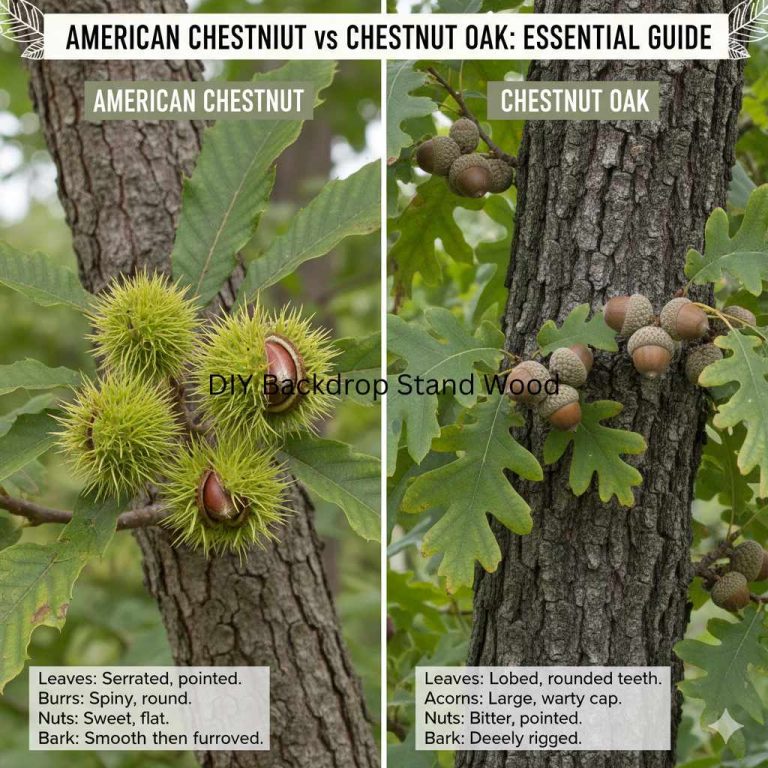
Other oak species, particularly those found in drier climates or with thinner bark, might be less resistant. White oaks (subgenus Quercus) generally have better fire resistance than red oaks (subgenus Lobatae), partly due to differences in bark structure and acorn germination habits that favor fire. Knowing the specific oak species in your area can give you a better idea of its fire resistance profile.
The Case of Live Oaks
Live Oaks are often highlighted when discussing fire-resistant trees. These evergreen oaks are incredibly tough. Their bark can be very thick, sometimes up to 2 inches or more, and it’s quite corky and spongy, providing excellent insulation.
Furthermore, Live Oaks have a remarkable ability to resprout from their root systems even after the above-ground parts have been damaged or consumed by fire. This regenerative capacity means that even if a fire appears devastating, the tree can often recover and continue to grow. This makes them a valuable component of ecosystems that experience regular fire cycles, and a sensible choice for landscaping in fire-prone regions.
Red Oaks vs. White Oaks and Fire
A common distinction made by forestry experts regarding fire resistance is between Red Oaks and White Oaks. Generally, White Oaks tend to be more fire-resistant than Red Oaks.
White Oaks: These oaks typically have lighter-colored bark that is more tightly furrowed and less flaky, providing better insulation. Their acorns also often require mineral soil stratification for germination, which can be promoted by fire, leading to a natural adaptation. For example, species like the Post Oak (Quercus stellata) are well-adapted to fires.
Red Oaks: Many Red Oak species have thinner bark and can be more susceptible to damage from ground fires. Their acorns often do not require fire for germination, so they haven’t evolved the same level of fire resilience as some White Oaks. However, mature Red Oaks can still withstand moderate fires due to their size and internal moisture.
Factors Affecting Oak Tree Fire Survival
While oaks possess inherent qualities that lend them a degree of fire resistance, several external factors can tip the scales, making even a stout oak vulnerable. It’s not just the tree itself, but the conditions during and leading up to a fire that matter most.
Understanding these influences helps us paint a fuller picture. We need to consider the intensity of the fire, the tree’s health, and the surrounding environment. These elements combined will determine whether an oak stands tall or succumbs to the flames.
Fire Intensity and Duration
The intensity and duration of a wildfire are critical. A low-intensity ground fire might only scorch the lower trunk of a mature oak, with the thick bark protecting the living tissues. However, a high-intensity crown fire, where flames reach into the tree’s canopy, or a prolonged fire that heats the trunk for an extended period, can overwhelm the tree’s defenses.
High-intensity fires can girdle a tree by burning away so much bark and cambium that the tree can no longer transport water and nutrients. Even with thick bark, extreme heat can penetrate, killing the cambium and leading to the tree’s eventual death, even if it doesn’t burn down immediately. The natural resource management challenges in wildfire defense often revolve around managing fuel loads to reduce fire intensity.
Tree Age and Health
As previously mentioned, older, healthier oak trees are generally more fire-resistant. A young sapling with its thin bark and small diameter is much more easily killed by fire than a large, mature oak with thick, insulating bark and a substantial amount of stored moisture.
A tree’s overall health is also vital. Oaks weakened by disease, insect infestation, pests, or prolonged drought are far more susceptible to fire damage. Stressed trees may have less internal moisture, thinner bark, or deadwood that can easily ignite. A vigorous, healthy oak has the best chance of surviving a wildfire.
Drought Conditions
Drought is a tree’s silent enemy and a wildfire’s best friend. When oak trees (or any trees) are subjected to extended dry periods, their internal moisture content drops significantly. This makes the wood and bark much more flammable. Even species known for their fire resistance can become tinderboxes if they are critically dehydrated.
In drought conditions, accumulated dead leaves, twigs, and dry grass around the base of the tree also become highly combustible, acting as a ready fuel source that can easily ignite the trunk and spread flames upward. This is why fire risk is so much higher during and after periods of drought.
Surrounding Vegetation and Fuel Load
The type and amount of vegetation surrounding an oak tree play a significant role in whether a fire reaches the tree, and how intense that fire is. Dense undergrowth, dry grasses, leaf litter, and flammable shrubs can carry fire directly to the tree’s base.
If the surrounding area has a heavy fuel load, fires can become much more intense and spread faster. This increased intensity can overwhelm the oak’s natural defenses. Creating defensible space around homes and structures, which involves managing vegetation, is a key strategy in wildfire safety, as recommended by agencies like FEMA.
Oak Wood and Fire Resistance for Construction
The question of “are oak trees fire resistant” can also extend to the wood itself, especially if you’re considering using oak for outdoor structures, fencing, or even furniture that might be exposed to embers or heat.
Oak lumber, particularly dense hardwoods, generally performs better in fire situations than many softwood species. However, it’s crucial to understand that “fire resistant” for wood in a construction context means it’s less likely to ignite easily, burns more slowly, and may not contribute as much to fire spread compared to other materials.
Hardwood vs. Softwood in Fires
Hardwoods like oak are denser than softwoods such as pine or fir. This density means that they have more mass to heat up, and they tend to char and smolder rather than burst into flames readily.
When exposed to flames, hardwoods often form a thick insulating layer of char on their surface. This char layer protects the underlying wood from reaching its ignition temperature, slowing down the burning process. This is a significant advantage in building safety, especially in areas with a risk of wildfires. For detailed insights into wood’s fire performance, resources from the Forest Products Laboratory (part of the USDA Forest Service) offer extensive research.
Oak Lumber for Outdoor Use
When construction meets fire risk, thinking about the material is key. Oak lumber can be a good choice for outdoor structures, not just because of its durability and appearance, but also for its relative fire performance compared to softwoods.
For instance, if you’re building a deck or a pergola in a fire-prone area, oak might offer slightly better resistance to catching fire from stray embers than a pine structure. However, it’s absolutely vital to remember that no untreated wood is truly fireproof. Proper construction techniques, maintaining clearings around structures, and considering fire-retardant treatments are still paramount for safety.
Treatments and Coatings
For enhanced fire resistance in construction applications, wood can be treated. While certain oak species might have natural resistance, treatments can significantly improve their performance. Pressure-treating wood with fire-retardant chemicals forces these chemicals deep into the wood fibers.
These treatments can make wood much less likely to ignite and can slow the spread of flames considerably. Many building codes in wildfire-prone areas require specific fire-resistant materials, and treated lumber can be an option. For outdoor furniture or decorative elements that might be near fire sources, using an exterior-grade fire-retardant sealant can also offer an additional layer of protection.
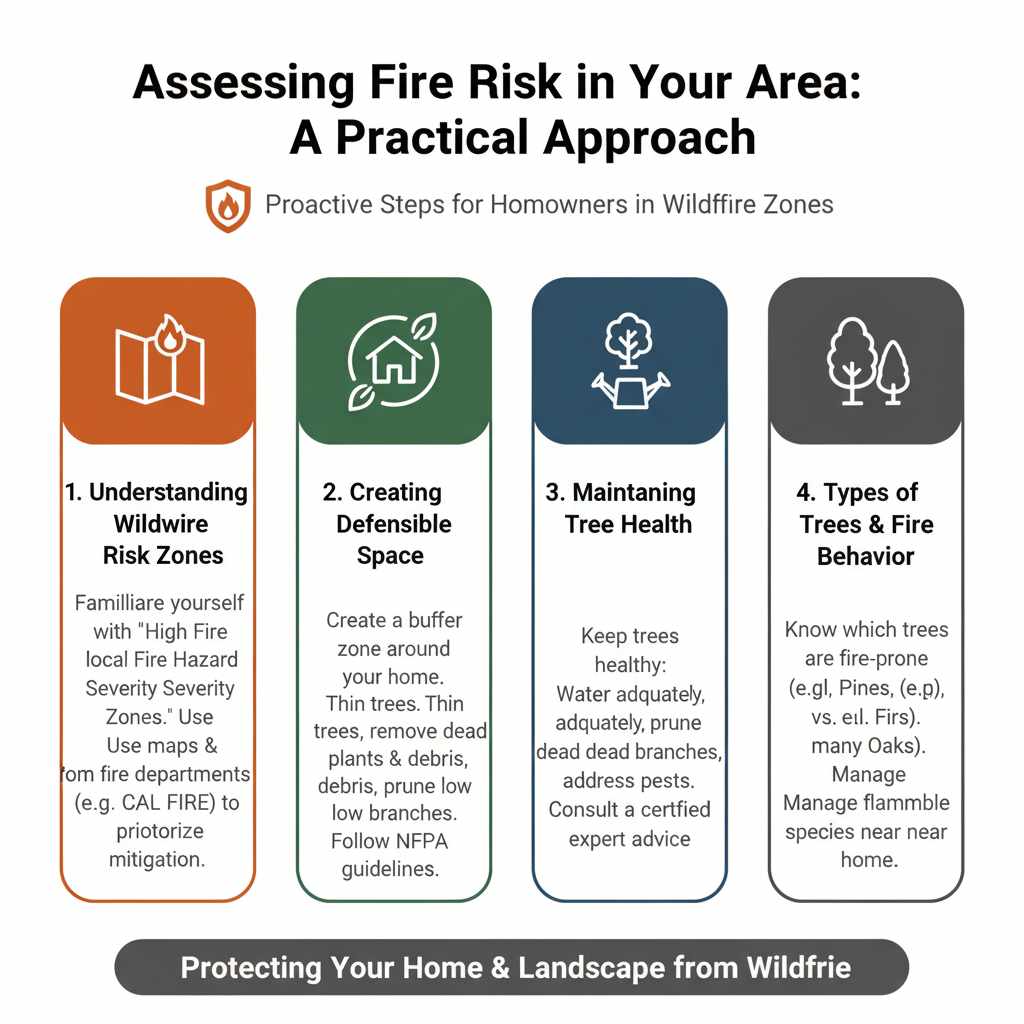
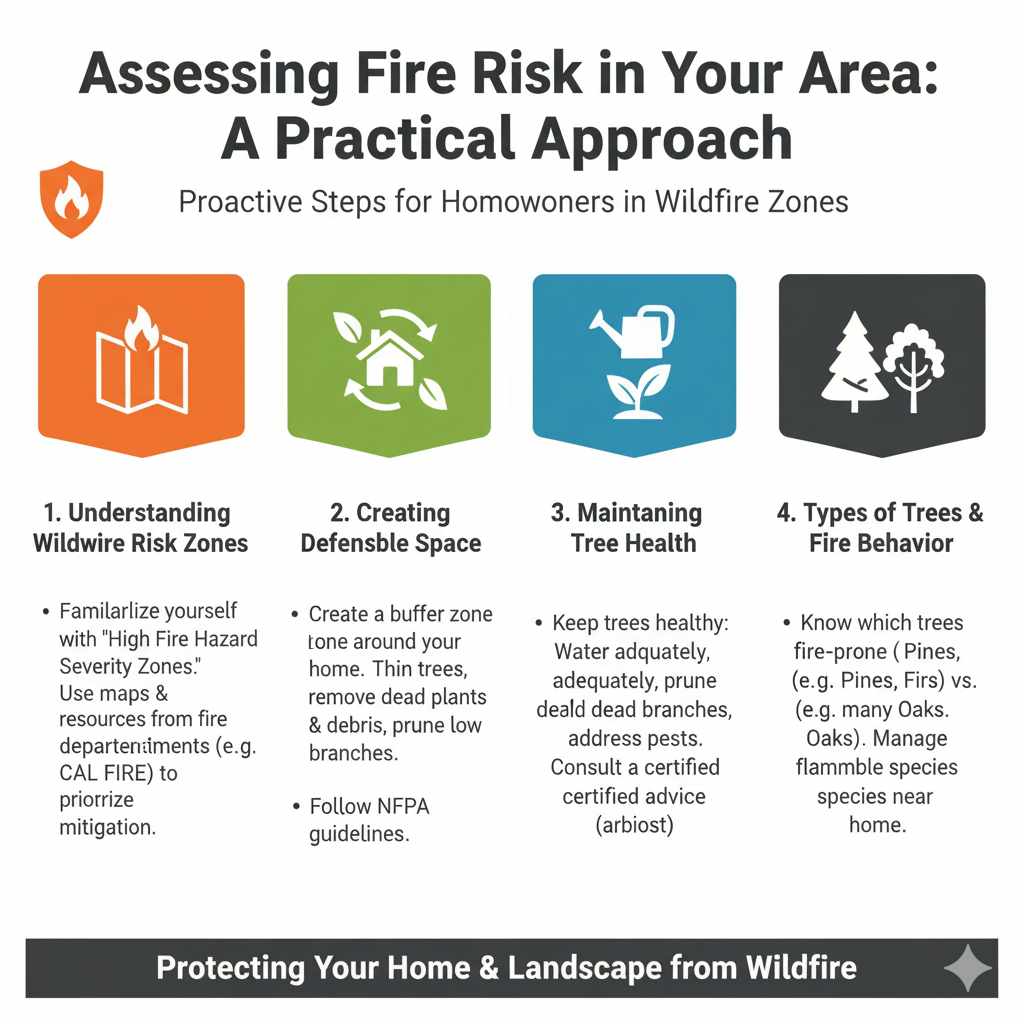
Assessing Fire Risk in Your Area: A Practical Approach
Living in or near areas prone to wildfires means that understanding and mitigating risk is essential. When we consider oak trees, it’s about seeing them not just as beautiful specimens but also as part of a larger ecological system that interacts with fire.
Homeowners can take proactive steps to ensure their property, their trees, and their loved ones are as safe as possible. This involves understanding local conditions and implementing smart strategies. Let’s look at how you can assess and manage fire risk related to trees, including oaks.
Understanding Wildfire Risk Zones
Many regions that experience wildfires have designated “high fire hazard severity zones” or similar classifications. These zones are areas with specific environmental conditions that make them more susceptible to large and damaging wildfires. Familiarizing yourself with these designations for your area is the first step.
Local fire departments, forestry services, and emergency management agencies often provide maps and resources to identify these zones. Knowing if you’re in such a zone helps you prioritize mitigation efforts. The California Department of Forestry and Fire Protection (CAL FIRE) is a good example of an agency providing extensive public resources on fire risk.
Creating Defensible Space
Defensible space is the buffer zone you create between your home and the surrounding vegetation to slow or stop the spread of wildfire. It’s a crucial concept for homeowners in fire-prone areas.
This involves managing vegetation by thinning trees, removing dead and dying plants, and maintaining grasses. For oak trees near your home, this might mean ensuring they are healthy, removing low-hanging branches that could allow fire to climb into the canopy, and keeping the area around their base clear of flammable debris like leaf litter and dry grass. The National Fire Protection Association (NFPA) offers excellent guidance on creating defensible space.
Maintaining Tree Health
As we’ve discussed, healthy trees are more fire-resistant. Regular maintenance can make a big difference. This includes:
- Adequate watering, especially during dry spells.
- Pruning dead or dying branches.
- Monitoring for and addressing pest or disease infestations promptly.
- Ensuring trees are not planted too close to the house, especially those with lower fire resistance or a tendency to drop flammable debris.
A certified arborist can provide expert advice on maintaining the health of your oak trees and other landscape plants, especially with increasing climate pressures. An arborist can also help assess which trees pose a greater risk during fire events.
Types of Trees and Their Fire Behavior
It’s helpful to know that not all trees behave the same way in a fire. While oaks are generally good, some trees are significantly more flammable. Conifers like pines, firs, and spruces, especially those with dense foliage and resinous wood, tend to ignite more easily and burn hotter.
These “fire-prone” species can act as ladders, carrying fire into the canopies of surrounding trees, including oaks, and can significantly increase the intensity of a wildfire. Understanding the species composition of your landscape can inform your decisions about vegetation management and fire safety. For example, replacing highly flammable species near your home with more resistant ones, like certain oak varieties, can be a wise strategy.
Frequently Asked Questions (FAQ) on Oak Tree Fire Resistance
Are oak trees completely fireproof?
No, oak trees are not completely fireproof. They possess a degree of fire resistance due to characteristics like thick bark and high moisture content, which helps them survive many fires. However, intense, prolonged fires, especially when the tree is stressed, can still damage or destroy them.
Which type of oak tree is most resistant to fire?
Generally, White Oak species and Live Oaks are considered to have higher fire resistance compared to Red Oak species. Live Oaks, in particular, are known for their very thick, corky bark and their ability to resprout from the root system after a fire.