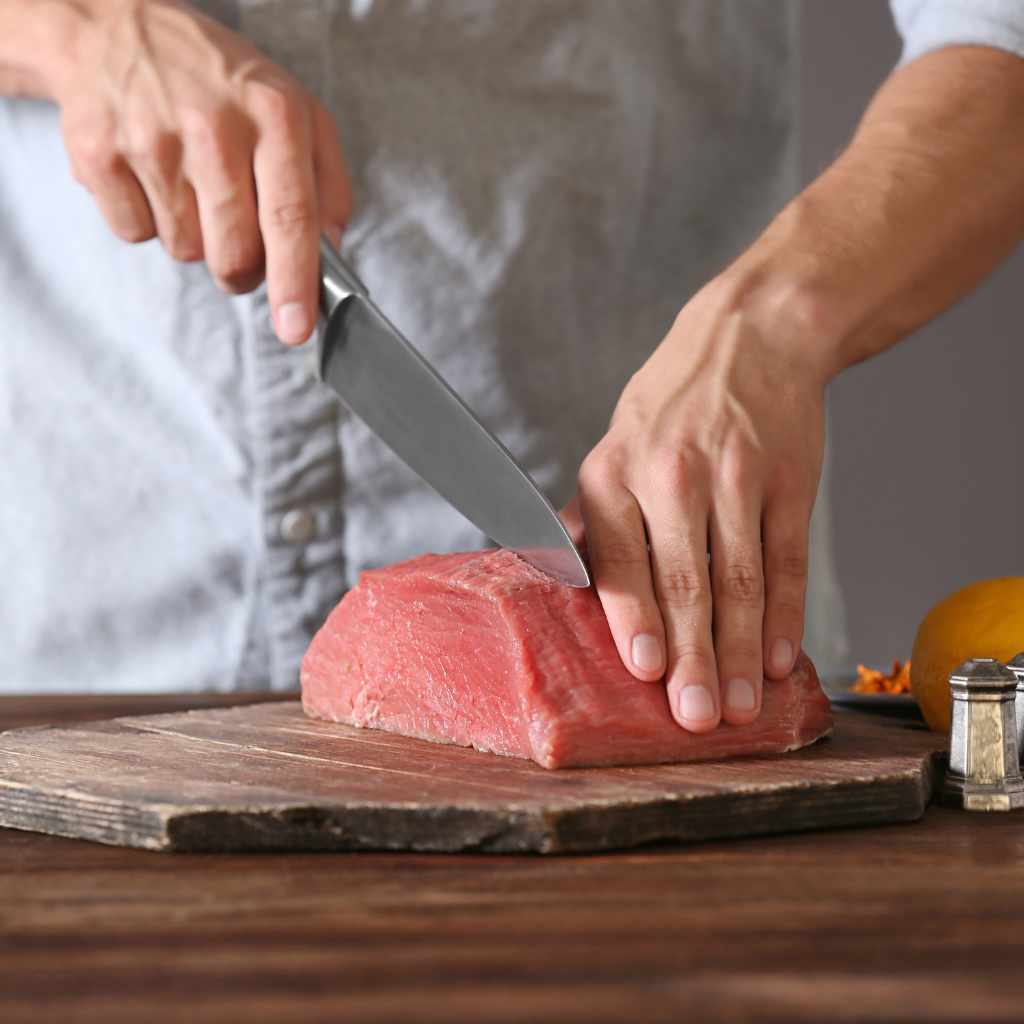
Are Wood Cutting Boards Safe for Meat?
When you’re getting ready to cook, you might wonder, “Are Wood Cutting Boards Safe for Meat?” It’s a common question, especially if you’re new to cooking or just want to be sure you’re doing things the right way. There’s a lot of information out there, and sometimes it can feel a bit confusing. But don’t worry, we’ll walk through it step by step to make it super clear.
We’ll cover all the basics so you can feel confident using your wooden boards for all your meat prep.
This is a question many home cooks ponder, and for good reason. Keeping your kitchen safe and hygienic is important, especially when dealing with raw meats that can carry bacteria. Wood cutting boards have been a kitchen staple for ages, and there’s a reason they’ve stuck around.
They offer a great cutting surface that’s kind to your knives. However, concerns about wood absorbing juices and harboring germs are valid. Let’s break down the science and practical tips to ensure your wooden cutting boards are perfectly safe for preparing any kind of meat.
The Natural Qualities of Wood
Wood is a natural material, and different types of wood have unique properties. When it comes to cutting boards, hardwoods are generally preferred. These include woods like maple, cherry, walnut, and bamboo (which is technically a grass, but often treated like wood in this context).
Hardwoods are denser and less porous than softwoods, which is a key factor in their safety and durability.
One of the most interesting aspects of wood is its natural antibacterial properties. Studies have shown that bacteria, including common foodborne pathogens like E. coli and Salmonella, tend to die off on wood surfaces over time.
This is quite different from plastic, where bacteria can get trapped in scratches and continue to multiply.
How Wood Fights Bacteria
The exact mechanisms are still being researched, but several factors contribute to wood’s ability to reduce bacterial presence:
- Absorption: When bacteria land on a wooden surface, some of them can get pulled into the wood’s pores. This makes them less accessible and can lead to dehydration and death.
- Cellular Structure: The natural structure of wood, particularly the lignin content, is thought to have antimicrobial effects.
- Surface Roughness: While fine scratches are unavoidable with use, the microscopic texture of wood can also play a role in how bacteria interact with the surface.
It’s important to note that this isn’t an instant kill. Bacteria on a wooden board won’t disappear the moment they land. This is why proper cleaning and maintenance are still absolutely essential, regardless of the material of your cutting board.
Wood vs. Plastic Cutting Boards for Meat
Comparing wood and plastic cutting boards is a frequent point of discussion when safety is concerned. Both have their pros and cons.
Plastic Cutting Boards
Plastic boards are often chosen because they are lightweight, non-porous, and can typically be put in the dishwasher. The claim is that they are easier to sanitize because they don’t absorb liquids as readily as wood.
- Pros: Dishwasher safe, lightweight, often inexpensive, less likely to warp.
- Cons: Prone to deep scratches where bacteria can hide and multiply, can dull knives faster, can become stained and retain odors, some studies suggest bacteria can persist more readily in deep cuts than on wood.
Wood Cutting Boards
Wood boards, particularly hardwoods, offer a different set of advantages and disadvantages.
- Pros: Natural antibacterial properties, gentle on knives, attractive appearance, durable when properly cared for.
- Cons: Require more manual cleaning and oiling, can warp if not cared for properly, not typically dishwasher safe, can stain or retain odors if not cleaned promptly.
The key difference often comes down to how bacteria interact with the material over time. While plastic might seem more hygienic on the surface, deep knife cuts can create reservoirs for bacteria. Wood, with its natural properties, can actually help reduce bacterial numbers if maintained correctly.
Best Wood Types for Cutting Boards
Not all woods are created equal when it comes to cutting boards. Dense hardwoods are the best choice because they are less likely to absorb moisture and are more resistant to damage.
- Maple: A very popular choice. It’s hard, dense, and has a closed grain that makes it resistant to absorbing liquids and harboring bacteria.
- Cherry: A beautiful wood that’s also hard and durable. It’s a good option for general use.
- Walnut: Another excellent hardwood. It’s softer than maple but still durable and has a rich color.
- Bamboo: While technically a grass, bamboo is incredibly dense and rapidly renewable. It’s a popular, eco-friendly option. However, some bamboo boards are made by laminating many small pieces together, which can create more potential spots for bacteria if not well-made.
- Teak: A very dense and water-resistant wood, making it a good choice for kitchens. It’s often more expensive.
Woods to avoid for cutting boards include softwoods like pine or fir. They are too porous, prone to deep scratches, and can easily absorb liquids and odors.
Proper Cleaning and Maintenance for Wooden Cutting Boards
The safety and longevity of your wooden cutting board depend heavily on how you care for it. Proper cleaning is the most critical step in ensuring it’s safe for meat and other foods.
Daily Cleaning Steps
After each use, especially after cutting raw meat, follow these simple steps:
- Scrape off Debris: Use a bench scraper or the dull side of a knife to remove any food particles.
- Wash with Hot Water and Soap: Use a mild dish soap and hot water. Scrub the board thoroughly on all sides. A stiff brush can help get into the grain.
- Rinse Thoroughly: Make sure to rinse off all soap and food residue.
- Sanitize (Optional but Recommended for Meat): For added peace of mind after handling raw meat, you can sanitize your board. A common and effective method is to use a diluted solution of white vinegar or hydrogen peroxide. Apply it with a cloth or spray bottle, let it sit for a few minutes, then rinse thoroughly. Some people use a weak bleach solution (1 teaspoon bleach per quart of water), but it’s harsh and can damage the wood over time. Vinegar and hydrogen peroxide are generally gentler.
- Dry Immediately and Thoroughly: This is a crucial step. Use a clean towel to dry the board completely. Then, prop it up on its side or edge so air can circulate around it. Never leave a wooden cutting board to air dry flat, as this can lead to warping and moisture retention.
Deep Cleaning and Oiling
Regular maintenance will keep your wooden cutting board in great shape and ensure its continued safety.
- Deep Scrub: Once a week or as needed, you can give your board a more thorough scrub. Some people use coarse salt and half a lemon to scrub away odors and stains. The salt acts as an abrasive, and the lemon has acidic properties that help clean and deodorize. Rinse and dry thoroughly.
- Oiling: This is vital for protecting the wood and preventing it from drying out, cracking, and absorbing moisture and odors.
- What Oil to Use: Food-grade mineral oil is the most recommended. It’s inexpensive, readily available, and won’t go rancid. Avoid using common cooking oils like olive oil or vegetable oil, as they can go rancid over time and make your board smell bad. Specialty cutting board oils or waxes are also excellent options.
- How Often: Oil your board whenever it looks dry or after it has been washed thoroughly. For a new board, oil it generously several times before first use. For regular use, once a month is a good starting point, but adjust based on how the wood looks and feels.
- How to Oil: Apply a generous amount of oil to the entire surface of the board using a clean cloth or paper towel. Let it soak in for at least 15-20 minutes, or even overnight. Wipe off any excess oil.
Preventing Cross-Contamination
When you are working with raw meat, preventing cross-contamination is paramount, regardless of your cutting board material. Here are key practices:
- Dedicated Boards: The safest approach is to have separate cutting boards for raw meats and ready-to-eat foods (like vegetables, fruits, and cooked items). You can dedicate one wooden board for meat and another for produce, or use different colored boards to easily distinguish them.
- Wash Hands Frequently: Always wash your hands thoroughly with soap and hot water after handling raw meat and before touching anything else.
- Clean Utensils and Surfaces: Ensure that knives, bowls, and countertops that come into contact with raw meat are also washed and sanitized.
- Cook to Safe Temperatures: Always cook meat to the appropriate internal temperature to kill any harmful bacteria.
Signs Your Wooden Cutting Board Needs Attention
Even with good care, wooden cutting boards will show signs of wear over time. It’s important to recognize these signs and know when to take action.
| Sign | Meaning | Action |
|---|---|---|
| Deep, numerous gouges | Increased surface area for bacteria to hide, potential for warping | Consider resurfacing with sandpaper or replacing the board. |
| Warping or cracking | Compromised integrity, difficult to clean properly, potential for harboring bacteria | If minor, try to rehydrate and re-oil. If severe, it may be time for a new board. |
| Persistent odors | Food residues or bacteria trapped in the wood | Try deep cleaning with salt and lemon, or consider a vinegar/peroxide soak. If odors remain, replacement might be necessary. |
| Stains that won’t come out | Discoloration from food juices | While often cosmetic, deep stains can indicate penetration. Oiling can help mask them. |
| Mildew or mold growth | Moisture has been trapped for too long, a serious hygiene issue | Scrub with a dilute bleach solution (with good ventilation) and rinse very thoroughly, then dry. If mold persists, discard the board immediately. |
Are Wood Cutting Boards Safe for Meat Summary
So, to answer the core question, “Are Wood Cutting Boards Safe for Meat?” the answer is a resounding yes, provided they are properly maintained. Their natural properties help combat bacteria, and when combined with good hygiene practices, they are an excellent and safe choice for any kitchen. The key is consistent cleaning, regular oiling, and being mindful of cross-contamination.
By following these guidelines, you can confidently use your wooden cutting boards for all your culinary adventures, knowing they are both functional and safe.
Frequently Asked Questions
Question: Can I use the same wood cutting board for raw meat and vegetables?
Answer: It is safest to have separate cutting boards for raw meat and produce to prevent cross-contamination. If you only have one wooden board, make sure to wash and sanitize it thoroughly between uses, but dedicated boards are always the best practice.
Question: How often should I oil my wood cutting board?
Answer: You should oil your wood cutting board whenever it looks dry or feels rough. For regular use, once a month is a good starting point. New boards may need oiling more frequently at first.
Question: Is it okay if my wood cutting board gets scratches?
Answer: Yes, some minor scratches are normal with regular use. However, very deep or numerous gouges can make cleaning harder and provide places for bacteria to hide, so consider resurfacing or replacing the board if the damage is extensive.
Question: Can I put my wooden cutting board in the dishwasher?
Answer: No, you should never put a wooden cutting board in the dishwasher. The prolonged exposure to water and harsh detergents can cause it to warp, crack, and lose its protective oils, making it less hygienic and durable.
Question: Do wood cutting boards harbor more bacteria than plastic ones?
Answer: Studies suggest that while bacteria can initially land on both surfaces, wood’s natural properties can help reduce bacterial populations over time, especially compared to bacteria trapped in deep cuts on plastic boards. Proper cleaning is key for both.
Final Thoughts
Choosing to use wooden cutting boards for your meat preparation is a sound decision when you know how to care for them. You’ve learned about the natural benefits of hardwoods like maple and walnut, which possess qualities that aid in keeping your kitchen hygienic. The process of cleaning involves hot water and soap, followed by thorough drying and regular oiling with food-grade mineral oil to keep the wood supple and protected.
This simple routine is the cornerstone of ensuring your boards remain safe and effective for years to come. Remember that preventing cross-contamination is vital, so consider separate boards for raw meats and ready-to-eat foods, and always wash your hands diligently. By embracing these practices, you can confidently prepare delicious meals, knowing your wooden cutting boards are a safe and reliable part of your kitchen toolkit, enhancing both your cooking experience and the longevity of your tools.