Best Screws for MDF That Won’t Strip (2026): we compared
Use coarse-thread or confirmat screws for MDF; for 3/4-inch board, 1-1/4 to 1-5/8 inch fasteners are the usual safe range, while edge joints need pilot holes and lower torque to avoid stripping. Stripped MDF leaves loose hinges, sagging shelves, and repairs that often require plugs or epoxy. This guide ranks the best screws by MDF thickness and joint type, plus no-strip drilling rules and repair fallbacks.
Does MDF take screws well?
MDF does take screws, but it does not hold them like solid wood. MDF is made by compressing wood fibers with resin, and its face is denser than its core, so the screw can bite differently from one area to another. That uneven structure is why edges can strip first and why repeated removals can weaken the hole quickly.
The weak point is usually the core near an edge or a thin panel. A good screw helps, but it cannot fix a hole that is too close to the edge, too short, or driven with a poor bit fit. If the joint carries load or gets opened often, choose the screw and pilot hole with more care than you would for plywood.
Where MDF fails first
Edges fail before faces. Thin panels tend to fail before thicker ones. Repeated removals fail before a first-time installation. Those three patterns explain most stripped MDF holes.
Say your cabinet side is 12 mm MDF and you drive a screw too close to the edge for a hinge plate. The screw can crush the fibers, then spin without biting. Once that happens, a larger screw is not always the fix; a plug or insert may be the safer move.
What a good screw can and cannot fix
A good screw can improve grip, reduce cam-out, and spread load. It cannot change the fact that MDF has limited screw-holding ability compared with solid wood. For that reason, pilot holes, correct length, and a driver that fits the recess matter as much as the screw type.
Quick comparison
| Product | Badge | Best for | Price | ||
|---|---|---|---|---|---|
 |
GRK 772691010735 8 01073 x 1-1/2" R4 Multi-Purpose ScrewsGRK | Our pick | 1-1/2" · 1000 count · Star Drive | $64.98
Price as of 13 Oct 2026
|
View |
 |
The Hillman Group 40063 8-Inch x 1-Inch Flat Head PhillipsHillman | Budget pick | 1" · Phillips head · 100 count | $10.28
Price as of 13 Oct 2026
|
View |
 |
Power Pro 83 Pc Interior Wood Screws (#9 x 3) | Star DrivePower Pro | Pair with it | $8.99
Price as of 13 Oct 2026
|
View |
The best choice depends on the joint, not just the board. MDF cabinet edges, hinge plates, and shelf supports fail in different ways, so pick the screw to match thickness, load direction, and how the parts are joined.
How we chose
We compared screw geometry, head shape, drive style, and fit for common MDF jobs. We also weighed thickness, edge distance, and whether the joint needs flush seating or pull-through resistance.
For MDF, the details that matter are simple: coarse threads grip better than fine threads, a flat or countersunk head usually seats better, and a secure driver bit reduces cam-out. We also favored screws that suit repetitive assembly and repair work.
Finally, we matched each option to real MDF tasks: edge fastening, face fastening, hinge mounting, and cabinet hardware.
Confirmat screw: best for cabinet joints
Confirmat-style screws are the best fit for many MDF cabinet joints because they are made for repeated assembly and disassembly in engineered boards. They are a strong choice when you need better thread engagement in MDF edges than a standard fine-thread screw can offer.
They work best in cabinet carcasses, panel joints, and other parts that need consistent alignment. The drawback is simple: they are not the best answer for every visible joint, and thin panels leave less room for error if the pilot hole is off.
Why confirmat-style threads suit MDF edges
MDF edges crush more easily than solid wood. A screw made for panel joinery gives the threads a better path and reduces the chance of tearing out the fiber structure around the hole.
Where they beat standard wood screws
They beat standard screws in repetitive cabinet assembly, where parts may be taken apart and put back together. They are also a better match for joins that need stronger holding in MDF’s edge grain than a general-purpose screw often provides.
Euro cabinet screw: best for hardware mounting
Euro cabinet screws are a strong choice for joining MDF panels and mounting hardware where pull-through resistance matters. Their large, flat head spreads load over a bigger area, which helps keep the surface from crushing as the screw clamps down.
Use them for hinges, slides, brackets, and panel connections when you want a broad bearing surface. The tradeoff is that you still need a good pilot hole in dense or thin MDF, and a sloppy driver fit can still strip the recess.
Why the large flat head helps in MDF
MDF can crush under small bearing surfaces. A large flat head spreads clamping force and lowers the chance that the head will sink too deeply or pull through the surface.
Best uses for hinges, slides, and brackets
Hardware mounting is where this screw style makes the most sense. It is especially useful when the part must stay aligned and the fastener head needs to sit flat against the board.
Coarse-thread wood screw: best for general fastening
Coarse-thread wood screws are the safer default for many MDF tasks because they grip MDF fibers better than fine-thread screws. The deeper, wider threads bite into compressed fiber more reliably, which improves pull-out resistance in many cabinet and furniture jobs.
Choose countersunk or flat-head versions when you want the head flush with the surface. The main drawback is that a coarse thread still needs proper pilot holes in many MDF cases, especially near edges or in thinner board.
Why coarse threads grip better
Coarse threads give MDF more material to hold onto. Fine threads can cut too little or tear too much, especially when the board is thin or the screw is near an edge.
Best length ranges for common board thicknesses
For 12 mm MDF, keep screws short and conservative. For 3/4-inch MDF, a typical safe range is about 1-1/4 to 1-5/8 inch fasteners. For 25 mm MDF, longer screws are possible, but edge distance and joint type still matter more than length alone.
Which one should you buy?
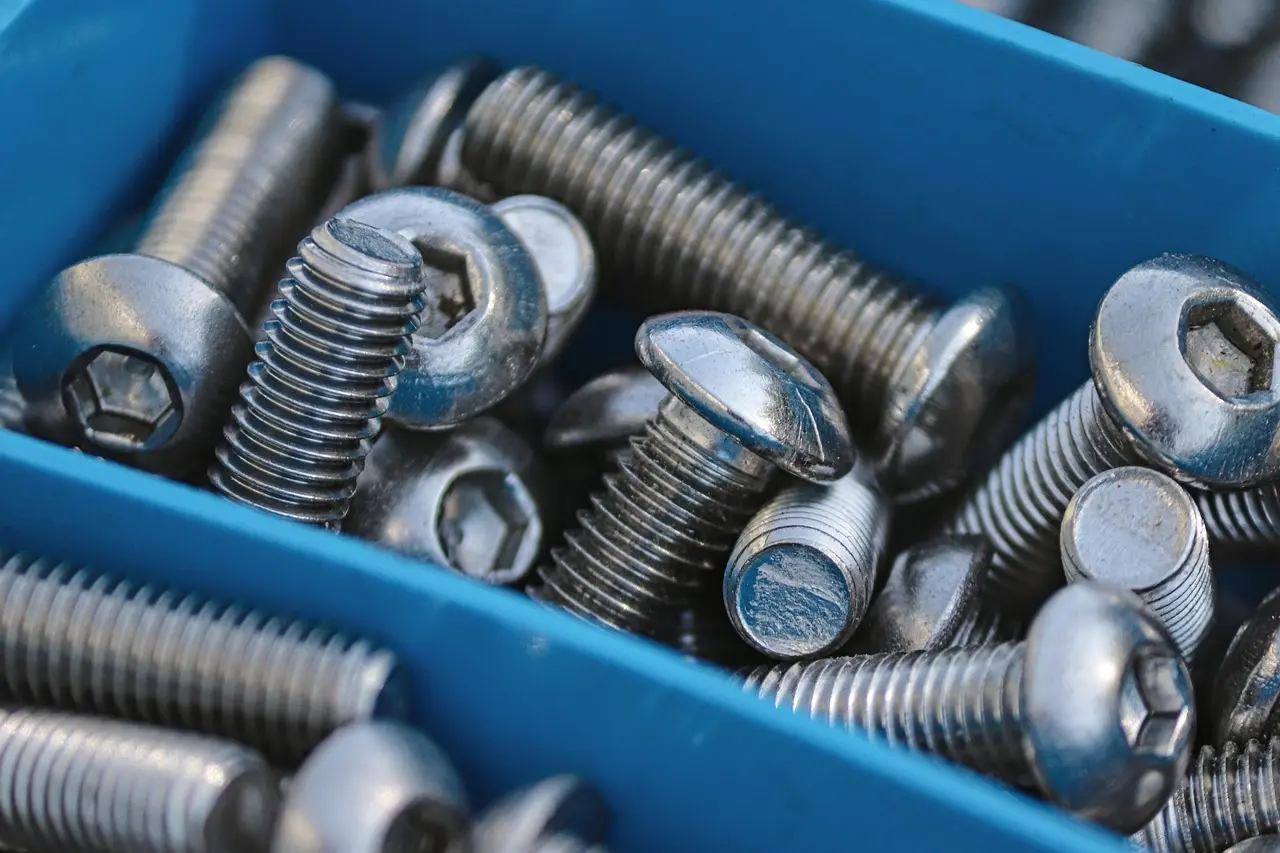
For 12 mm MDF, start with a MDF-specific or confirmat-style screw when the fastener goes into an edge, and use a broad-head hardware screw for hinges or brackets. For 18 mm MDF, coarse-thread wood screws are the best general choice, with Euro cabinet screws for hardware and panel joins. For 25 mm MDF, confirmat-style or coarse-thread screws both work well, but only if the pilot hole matches the job and the joint is not too close to the edge.
For budget work, the Hillman flat-head Phillips wood screw is the cheapest of the three listed options, but it is also the one that most depends on careful pre-drilling and a well-matched driver. For cabinet joints, choose the GRK or the Power Pro style before a generic fine-thread screw. For hardware, the Euro cabinet approach is the safer path.
Best choice for 12 mm MDF
Pick a screw made for panel work, not a generic all-purpose fastener. Thin board strips quickly, so a small error in pilot-hole size or depth can ruin the hole. If the joint is structural, switch to glue, a connector, or a repair insert rather than forcing a larger screw.
Best choice for 18 mm MDF
This is the easiest MDF thickness to fasten well. A coarse-thread screw with a flat or countersunk head is usually the most practical default, and Euro cabinet screws are a strong pick for hardware where pull-through is a concern.
Best choice for 25 mm MDF
Thicker MDF gives you more margin, but edge joints still need restraint. Confirmat-style screws are a smart choice for repeated cabinet assembly, while coarse-thread screws remain the general-purpose option when the hole pattern is simple.
Best choice for edges, faces, hinges, and hardware
Edges: choose confirmat-style or MDF-specific screws. Faces: coarse-thread wood screws usually work well. Hinges and light hardware: Euro cabinet screws or a flat-head Phillips screw with a proper pilot hole. If the joint will be opened often, favor hardware that spreads load and resists pull-through.
How we chose
We ranked the options by thread geometry, head shape, and drive style first. Then we matched each one to MDF thickness and joint direction, because edge fastening is far less forgiving than face fastening.
We also looked at stripping risk. Phillips drive recesses are common, but a poor bit fit raises cam-out risk fast, especially in MDF where the screw can seize suddenly as the fibers crush.
MDF fastening matrix and no-strip setup
| Board thickness | Joint type | Best screw type | Pilot-hole approach | Screw length | Drive type | Risk level |
|---|---|---|---|---|---|---|
| 12 mm | Edge | MDF-specific or confirmat-style | Pre-drill; keep hole centered and shallow | Short fastener only; avoid long shanks near the edge | Star or high-quality Phillips | High |
| 12 mm | Face | Coarse-thread countersunk screw | Pre-drill for alignment and to reduce splitting | Short to moderate | Phillips with tight bit fit | Medium |
| 12 mm | Hinge | Euro cabinet screw or hardware screw | Pre-drill required | Short hardware length | Phillips or square/Star if available | High |
| 12 mm | Hardware mount | Euro cabinet screw | Pre-drill required | Short hardware length | Phillips with good fit | Medium-high |
| 18 mm | Edge | Confirmat-style or coarse-thread wood screw | Pre-drill strongly recommended | 1-1/4 to 1-5/8 inch fasteners are the usual safe range | Star or deep-cut Phillips | Medium |
| 18 mm | Face | Coarse-thread countersunk screw | Pilot hole helps prevent stripping | Moderate length | Phillips with firm seat | Low-medium |
| 18 mm | Hinge | Euro cabinet screw | Pre-drill for the hinge plate | Hardware length | Phillips | Medium |
| 18 mm | Hardware mount | Euro cabinet screw | Pre-drill for alignment and pull-through control | Hardware length | Phillips or Star | Low-medium |
| 25 mm | Edge | Confirmat-style screw | Pre-drill recommended | Long enough to grip, not punch through | Star or Phillips | Medium |
| 25 mm | Face | Coarse-thread wood screw | Pilot hole for easier start and cleaner threads | Moderate to long | Phillips with exact fit | Low |
| 25 mm | Hinge | Euro cabinet screw | Pre-drill | Hardware length | Phillips | Low-medium |
| 25 mm | Hardware mount | Euro cabinet screw | Pre-drill recommended | Hardware length | Phillips or Star | Low |
How to set up the hole
- Mark the screw location and keep it farther from the edge when possible.
- Choose a pilot hole that matches the screw type and board thickness.
- Use a sharp bit and keep the drill square to the surface.
- Drive the screw slowly until the head seats.
- Stop as soon as resistance rises; over-torquing crushes MDF fibers.
Phillips drive fit and stripping risk
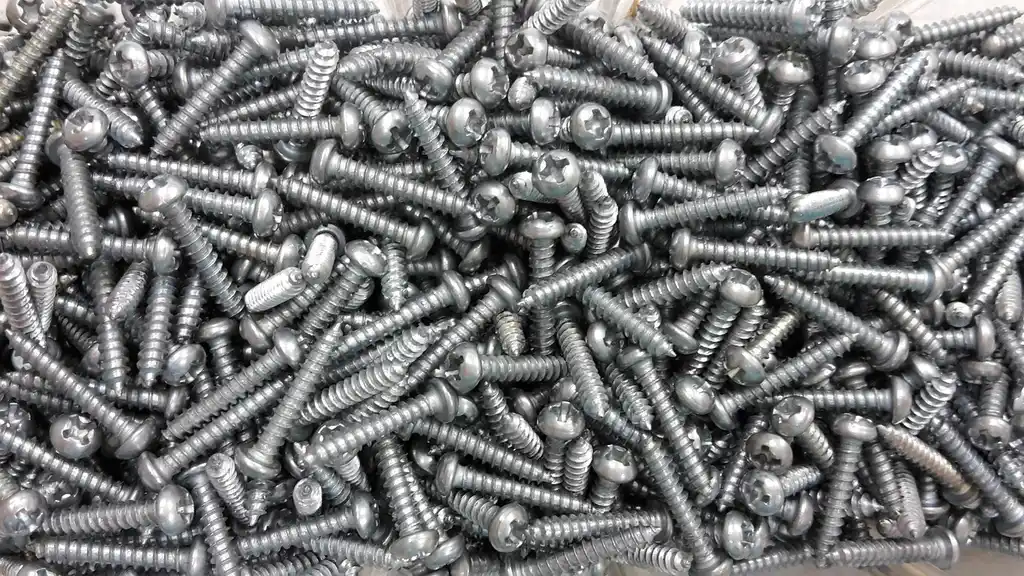
Phillips drive is common in MDF screws, but the fit matters more than the label. A shallow or worn bit slips, cams out, and rounds the recess. A deep-cut or tight-fitting Phillips variant can lower that risk, and a star drive often gives even better control where it is available.
When to stop and change the plan
If the screw spins twice without biting, stop. If the edge swells, crumbles, or the hinge starts to lean, stop. At that point, use glue, a larger repair, a connector, or a repair insert instead of driving harder.
How to avoid stripping screws
Use the right pilot hole, the right drive bit, and the lowest torque that still seats the head. In MDF, stripping usually begins with a bit that does not fit cleanly or a screw that is forced after the fibers start to crush. Slow drilling solves more problems than harder driving.
A common first-timer mistake is using a long screw in 12 mm MDF without a pilot hole, then leaning on the drill to finish the job. That often tears the hole open before the screw is fully seated. The fix is not more pressure; it is a smaller pilot, better bit fit, and a shorter fastener.
How to screw into MDF without splitting
Pre-drill every edge fastener in thin or dense MDF. Keep the screw farther from the edge if the layout allows it, and use a countersunk or flat-head screw so the head seats cleanly. If the board is only 12 mm thick, be cautious with long or wide screws.
What to use for a stripped screw
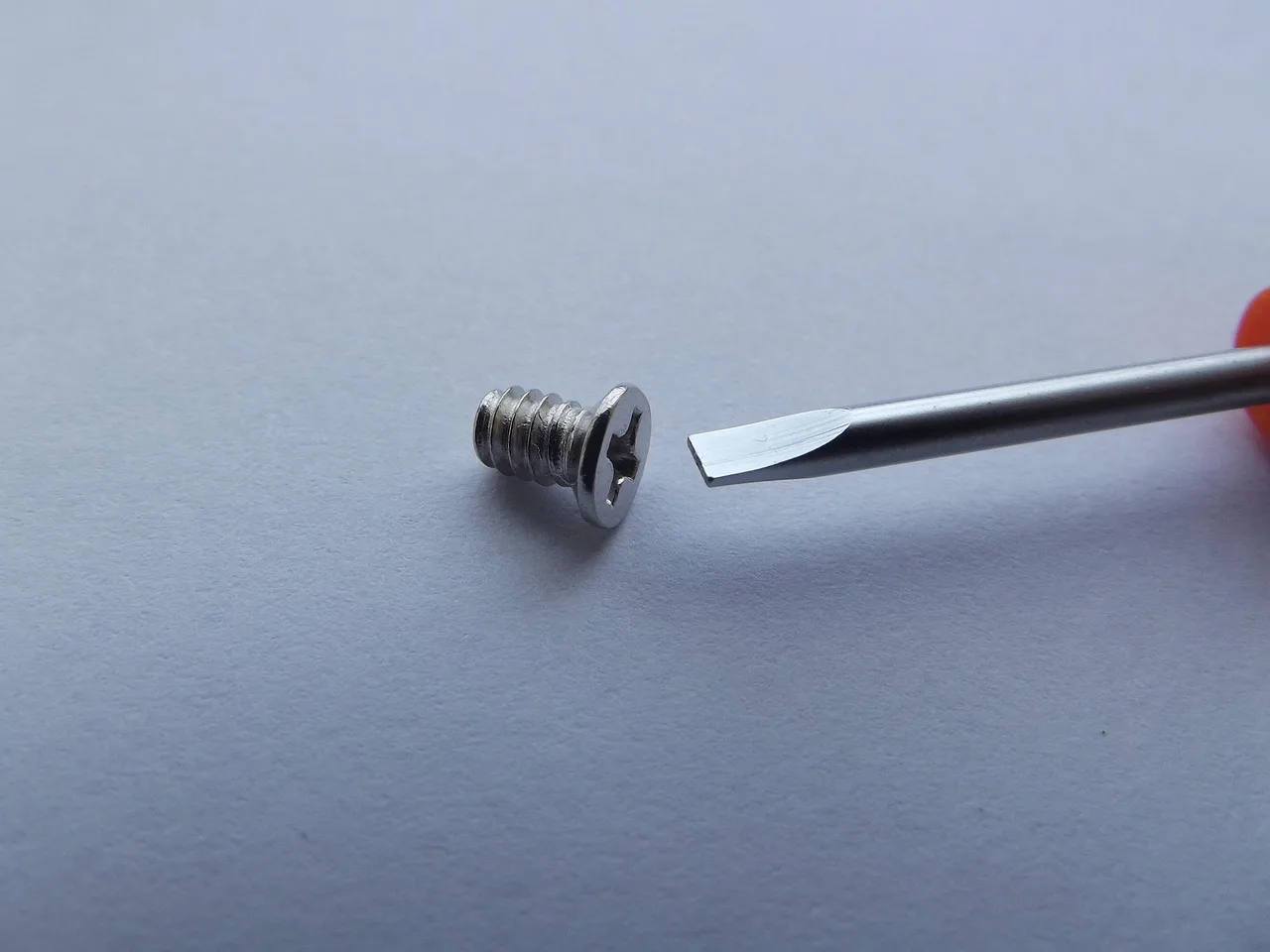
Use a repair first, not a bigger screw by default. A stripped MDF hole often needs glue and filler, a hardwood plug, or a threaded insert if the joint must hold load. If the screw only needs to clamp lightly, a repaired hole can be enough; if it carries hardware, rebuild the hole properly.
How to fix a stripped screw
Remove the screw, clean out loose fibers, and decide whether the hole is only enlarged or fully blown out. For a light-duty hole, fill it with epoxy or wood filler, let it cure, and re-drill. For a higher-load hole, glue in a hardwood dowel or plug, then drill a fresh pilot hole.
How to repair MDF screw holes
Match the repair to the load. Small hanger holes can often take filler. Hinge screws and shelf supports usually need a stronger fix. If the edge is damaged badly, move the hardware, add a wood block behind the MDF, or switch to a different fastening method.
How to deal with a stripped screw
If the screw head is stripped, use the correct bit, press firmly, and back it out slowly. If the hole itself is stripped, stop forcing the same screw back in. Rebuild the hole first; otherwise the screw will spin, wobble, and fail again.
Picture a 12 mm MDF door with a hinge screw that starts to lean outward after the third adjustment. That is a warning that the fibers have crushed. The safest next step is a repair insert or a new mounting point, not a tighter turn on the driver.
Frequently asked questions
What is the best screw type for MDF?
For most jobs, coarse-thread wood screws are the safest default because they grip MDF fibers better than fine-thread screws. For cabinet joints, confirmat-style screws are often the better fit. For hardware, Euro cabinet screws are a strong choice because the flat head spreads load well.
Should you pre-drill MDF before screwing?
Yes, pre-drilling is recommended for many MDF fasteners, especially on edges, in thin board, and around hardware. Pilot holes help alignment, reduce stripping risk, and lower the chance of splitting or crushing fibers. A poor pilot hole is one of the fastest ways to ruin the joint.
How do you not strip a screw?
Use the correct driver bit, keep steady pressure on the screw head, and stop as soon as it seats. In MDF, stripping often starts when the bit slips or the screw is over-tightened after the fibers begin to crush. A good pilot hole lowers the risk further.
Sponsored / affiliate links. As an Amazon Associate I earn from qualifying purchases. I may earn additional commission from eligible campaigns.