Ash Boards Lowes: Your Essential Guide
Don’t let finding ash boards at Lowe’s feel like a wild goose chase. This guide breaks down exactly what you need to know, from identifying ash lumber to understanding its uses and making the best purchase for your DIY project, all explained simply for beginners.
Woodworking can be incredibly rewarding, but sometimes finding the right materials feels like a puzzle. Ash boards are a fantastic choice for many projects, offering a good balance of strength, workability, and a beautiful grain. However, knowing where to find them, especially at a familiar place like Lowe’s, can be a common sticking point for beginners. You might walk through the lumber aisle and see pine, oak, and poplar, but where’s the ash?
Don’t worry! This guide is here to demystify the process. We’ll walk you through how to spot ash boards, what to look for, and how Lowe’s can be a useful, though sometimes inconsistent, source for this versatile wood. By the end, you’ll feel confident in your ability to find and choose ash boards for your next woodworking adventure.
Understanding Ash Wood: What Makes it Special?
Before we dive into where to find ash boards at Lowe’s, let’s get acquainted with the star of our show: ash wood. Understanding its properties will help you appreciate why it’s a popular choice for furniture, tool handles, sports equipment, and more.
The Characteristics of Ash Wood
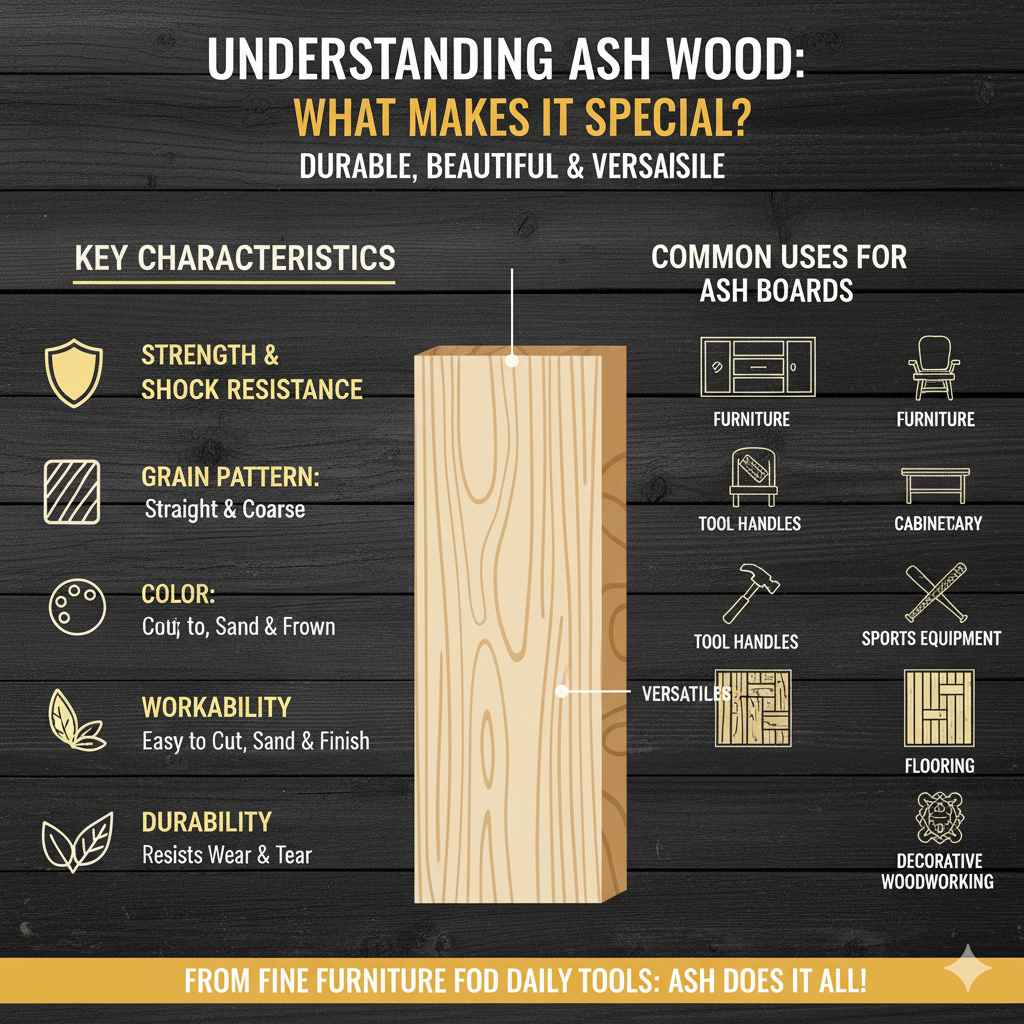
Ash (genus Fraxinus) is a hardwood known for its durability and attractive appearance. Here are some key traits:
- Strength and Shock Resistance: Ash has excellent strength-to-weight ratio. It’s known for its toughness and ability to withstand impact, making it ideal for things like baseball bats and tool handles.
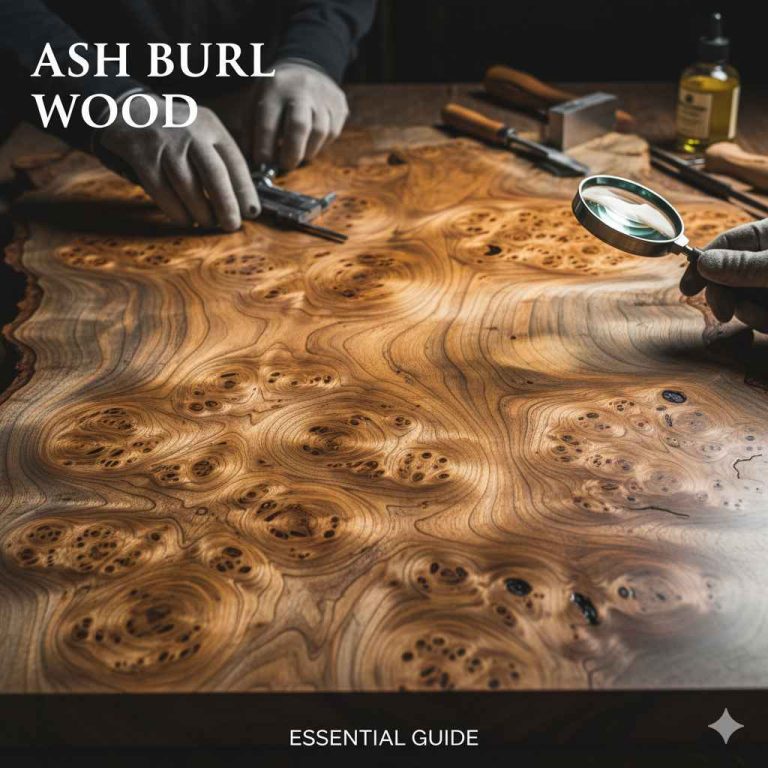
- Grain Pattern: The grain is typically straight and coarse, with a distinctive, often prominent pattern. This gives projects a classic, natural appeal.
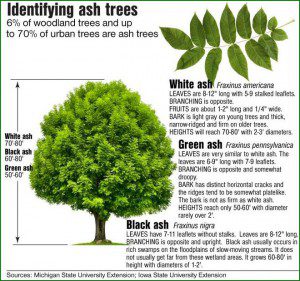
- Color: White ash, the most common type for lumber, ranges from creamy white to pale brown, often with darker streaks. The heartwood can be a medium to dark brown.
- Workability: Ash is generally easy to work with using both hand and power tools. It machines well, nails and screws without much splitting (especially if pre-drilled), and glues nicely. It also takes finishes beautifully, allowing you to achieve various looks.
- Durability: It’s a durable wood, resistant to wear and tear, which is why it’s used in high-use items.
Common Uses for Ash Boards
Because of its robust nature and appealing looks, ash finds its way into a wide variety of applications:
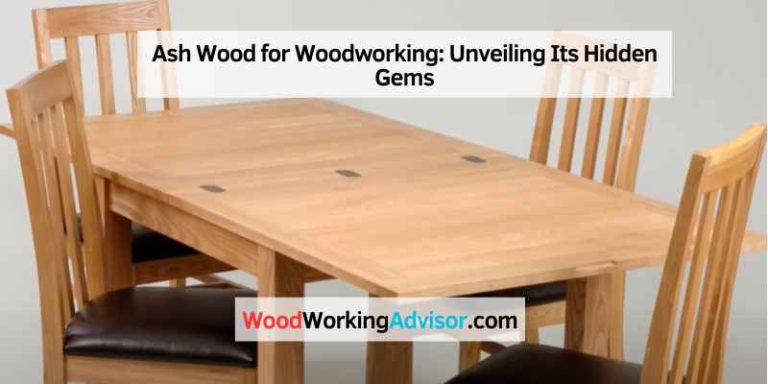
- Furniture: From tables and chairs to cabinets, ash provides a sturdy and attractive option.
- Cabinetry: Its strength and finishability make it a great choice for kitchen and bathroom cabinets.
- Tool Handles: Its shock-absorbing qualities are perfect for the handles of hammers, axes, and shovels.
- Sports Equipment: Traditionally used for baseball bats, oars, and even bows.
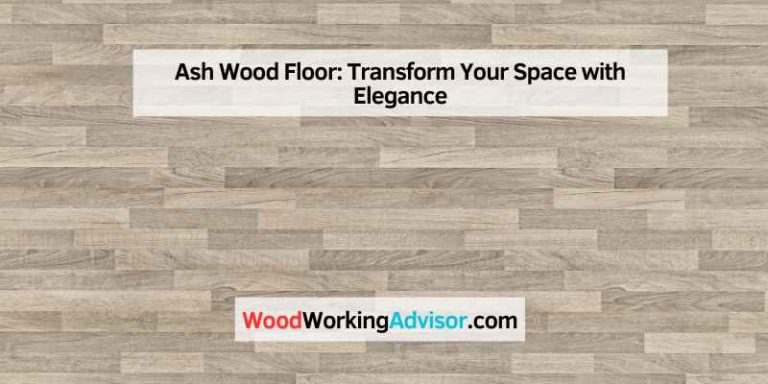
- Flooring: Its hardness and wear resistance make it a good choice for durable flooring.
- Decorative Woodworking: The distinctive grain can be a focal point in craft projects and decorative pieces.
Ash Boards at Lowe’s: What to Expect
Lowe’s is a go-to for many DIYers because of its convenience and accessibility. However, when it comes to specific hardwood species like ash, availability can vary greatly depending on location, season, and even the specific Lowe’s store.
Is Ash Wood Always Available at Lowe’s?
The short answer is: not consistently. Unlike common softwoods like pine or fir, or readily available hardwoods like oak or poplar (especially in certain regions), ash lumber is often considered a specialty wood. This means:
- Regional Availability: You’re more likely to find ash in areas where it’s locally harvested or where there’s a higher demand for it.
- Seasonal Stocking: Lumber availability can fluctuate. Sometimes, specialty woods are stocked less frequently.
- Store Variation: A large, busy Lowe’s store in a metropolitan area might have a better selection than a smaller store in a rural location.
How to Identify Ash Boards in the Store
If you find yourself in the lumber section, here’s how you can try to identify ash boards:
- Check the Labels: Most lumber at home improvement stores is clearly labeled. Look for species names like “Ash,” “White Ash,” or sometimes a genus abbreviation.
- Examine the Grain: Remember those distinct, often straight, coarse grain patterns we talked about? Look for wood that matches this description. It’s usually lighter in color, ranging from pale cream to light brown.
- Compare with Oak: Ash and oak can sometimes be confused because both are hardwoods with prominent grain. However, oak grain often has a more “flaky” or “ray fleck” appearance due to medullary rays, which are less pronounced in ash. Ash tends to be more uniform in its straight lines.
- Weight and Hardness: While you can’t easily test hardness in a store, ash is a dense hardwood. If you can pick up a few boards of similar size and thickness, ash will feel substantial.
Understanding Lumber Dimensions and Grades
When you find ash boards, they’ll likely be sold as:
- Dimensional Lumber: This lumber is surfaced (planed smooth) and cut to standard thicknesses (like 1″, 2″, 4″) and widths. What’s sold as a “1×4″ is actually about 3/4″ thick and 3.5” wide.
- S4S (Surfaced Four Sides): This means the board has been planed smooth on all four edges. It’s ready to use with minimal prep.
- Grades: Lumber is graded based on the number and size of defects (knots, splits, etc.). For most DIY projects, common or select grades are fine. Lower grades might be cheaper but require more work to cut around imperfections.
Alternatives and Complementary Resources
If Lowe’s doesn’t have the ash boards you need, don’t despair! There are other excellent avenues to explore, both for finding ash and for selecting alternative woods that might be more readily available.
Other Places to Find Ash Lumber
Beyond Lowe’s, consider these options:
- Local Sawmills and Lumber Yards: These are often the best places for a wide variety of hardwoods, including ash. You’ll likely find rough-sawn lumber (which requires milling) or more precisely milled boards, often at better prices for quality wood. A quick search for “lumber yard near me” or “sawmill near me” can yield great results.
- Specialty Wood Suppliers: Online retailers and dedicated hardwood stores often carry ash and can ship it to you. This is a good option if local sources are scarce.
- Reclaimed Wood Sources: Sometimes, you can find ash in salvaged architectural elements or old furniture that can be repurposed.
Alternative Hardwoods Available at Lowe’s
If ash is truly unavailable or too expensive at Lowe’s, here are some other hardwoods you might find that offer similar qualities:
| Wood Type | Similarities to Ash | Key Differences | Common Uses |
|---|---|---|---|
| Red or White Oak | Strong, durable, attractive grain. Commonly available. Takes finishes well. | More prominent “flaky” grain (ray fleck), can be harder to work, slightly heavier. White oak is more water-resistant than red oak. | Furniture, cabinets, flooring, barrels (white oak). |
| Maple (Hard Maple) | Very strong, durable, tight, uniform grain. Good workability. | Much finer, less pronounced grain than ash. Can be harder to stain evenly. Lighter color generally. | Furniture, cabinetry, flooring, butcher blocks, musical instruments. |
| Poplar | Easy to work with, paints well, readily available at most Lowe’s. Relatively stable. | Much softer than ash, less durable, usually green streaks or purple splotches. Grain is less pronounced. Not as impact-resistant. | Paint-grade furniture, trim, paneling, utility wood. |
| Birch | Hard, strong, fine-grained wood. Similar density to ash. Takes finishes well. | Finer, more uniform “cathedral” grain than ash. Can be similar in appearance to maple. | Furniture, cabinetry, plywood, toys. |
Your Step-by-Step Guide to Buying Ash Boards at Lowe’s (When Available)
Let’s imagine you’ve found a promising stack of ash boards at your local Lowe’s. Here’s how to make a smart selection:
Step 1: Confirm the Species
Double-check the tags. Don’t rely solely on looks, as other woods can sometimes mimic ash’s grain. If the tag is missing or unclear, it’s best to skip it unless you’re very experienced.
Step 2: Inspect for Defects
This is crucial. Walk through the stack and examine each board you’re interested in. Look for:
- Knots: Small, sound knots are usually fine and can add character. Large, loose, or missing knots can weaken the board and be difficult to work around.
- Cracks and Splits: Check the ends and along the edges for any signs of splitting, especially near the ends. Wood naturally expands and contracts, but significant splits compromise integrity.
- Warping and Twisting: Lay a straight edge (or the edge of another board) along the length and face of the board. You want the board to be as flat and straight as possible. A little crown (a slight curve along the width) might be acceptable if you can plane it out, but significant twists or bows are problematic.
- Rot or Fungal Stains: Look for any dark, soft spots or unusual discoloration that might indicate decay.
- Insect Damage: Check for small holes, which could indicate wood-boring insects.
Step 3: Assess the Grain Direction and Quality
For most projects, you’ll want straight-grained lumber. Avoid boards with wild or interlocking grain if you’re a beginner, as they can be harder to mill and finish smoothly. A consistent, straight grain will be easier to work with and give a more predictable result.
Step 4: Consider the Moisture Content
Lumber sold at home centers is typically kiln-dried, meaning it’s been dried in a controlled environment to a stable moisture content (usually around 6-10% for interior use). This is good because it means the wood is less likely to warp or crack significantly after you buy it. If the wood feels unusually damp or smells musty, it might not be properly dried, which can lead to future problems. However, this is hard to judge accurately in a store.
Step 5: Choose the Right Size and Quantity
Have your project plans ready. Measure the dimensions you need and select boards that will allow you to cut your pieces with minimal waste. It’s often better to buy slightly longer or wider boards than you think you’ll need to give yourself room for error or adjustments.
Step 6: Handle with Care
Wood can be heavy and awkward. If you’re buying longer boards, consider how you’ll transport them. If they’re unwrapped, try to keep them flat and avoid dragging them across the floor, which can cause damage.
Caring for Your Ash Boards
Once you’ve acquired your ash boards, proper storage and handling will ensure they remain in good condition until you’re ready to use them.
Storage Tips
- Keep them flat: Store boards flat on a level surface, ideally raised off the ground.
- Support them evenly: Use stickers (small strips of thin wood) or similar supports spaced evenly along the length to prevent sagging.
- Avoid extreme moisture: Keep them in a dry, climate-controlled environment. Avoid storing them in damp basements or humid garages if possible.
- Protect the ends: Seal the ends of longer boards with wax or a designated end-grain sealer to slow down moisture loss and prevent checking (split ends). You can find these sealers at woodworking supply stores.
Acclimatizing Wood
Before you start cutting and machining, it’s a good practice to let your wood acclimatize to the environment where your project will live. For example, if you’re building furniture that will be inside a climate-controlled house, let the ash boards sit in that environment for a few days to a week. This helps them adjust to the ambient moisture levels, reducing the chances of movement (warping, expansion, contraction) after the project is finished.
Safety First! Working with Wood
Woodworking is a fantastic hobby, but safety should always be your top priority. Even simple projects with readily available wood like ash require careful attention to safety protocols.
Essential Safety Gear
Always use the following protective gear:
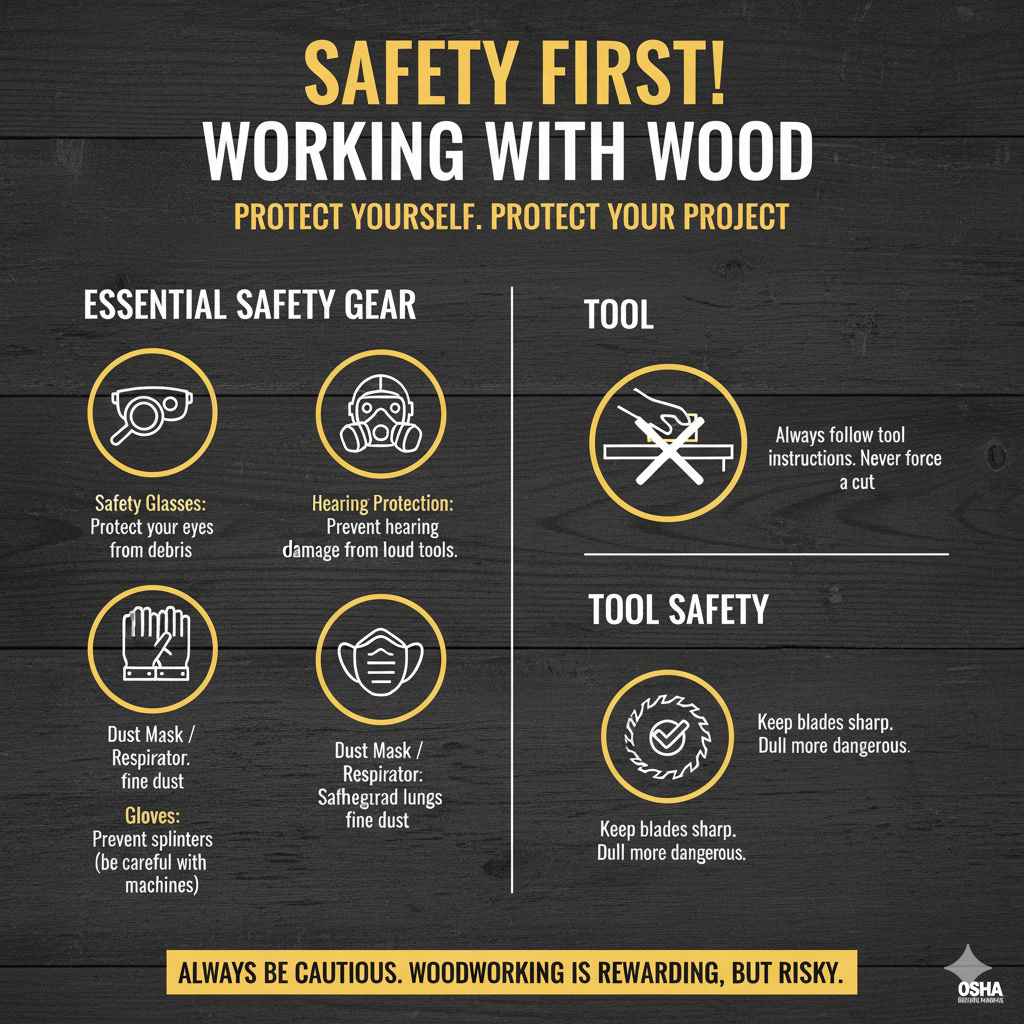
- Safety Glasses: Essential for protecting your eyes from sawdust and flying debris. Make sure they fit snugly.
- Hearing Protection: Power tools can be loud. Use earplugs or earmuffs to prevent hearing damage.
- Dust Mask or Respirator: Sawdust, especially from hardwoods like ash, can irritate your lungs and cause long-term respiratory issues. A good quality dust mask or respirator is a must.
- Gloves: Protect your hands from splinters and abrasions, especially when handling rough lumber. However, be cautious when using gloves around rotating machinery like table saws, as they can get caught.
Tool Safety
Always follow the manufacturer’s instructions for any power tool you use. Before operating a tool, ensure you understand its safety features and how to use it correctly. Never force a tool; let it do the work. Keep blades sharp, as dull blades are more dangerous because they require more force and are more prone to kickback.
For more in-depth safety information, visit resources like the Occupational Safety and Health Administration (OSHA) woodworking safety guidelines, which offer comprehensive advice from a government perspective: OSHA Wood Waste Information (While this link is about wood waste, OSHA’s general principles for safe machinery operation and personal protective equipment are widely applicable to woodworking).
Frequently Asked Questions About Ash Boards at Lowe’s
Q1: What is the typical price range for ash boards at Lowe’s?
A1: The price can vary significantly. Ash is typically more expensive than common softwoods like pine but may be comparable to or slightly less expensive than premium hardwoods like walnut. Expect prices per board foot to be higher than oak or poplar. It’s best to check your local store for current pricing.
Q2: Can I order ash boards from Lowe’s online if they aren’t in stock at my store?
A2: Lowe’s often has an online selection that may differ from in-store inventory. You can check their website for availability and delivery or in-store pickup options. However, for specialty hardwoods like ash, their online selection might still be limited compared to dedicated lumber suppliers.
Q3: How can I tell if the ash boards at Lowe’s are truly ash and not something else?
A3: Always rely on the official labeling. If you’re unsure, compare the grain pattern to known samples of ash online or in woodworking books. Ash has a distinct straight, coarse grain, typically lighter in color than oak, and lacks the strong ray fleck found in many oaks.
Q4: What is the best way to finish ash wood?
A4: Ash finishes very well. For a natural look, a clear coat of polyurethane or a Tung oil finish can enhance its beauty. Because the grain is open, filling the grain with an appropriate wood filler before finishing can create a smoother surface if desired, especially for painted projects or a glass-like finish. It also accepts stains and paints readily.
Q5: Are ash boards good for outdoor projects?
A5: White ash is moderately durable but not inherently rot-resistant like cedar or redwood. For outdoor projects, ash should be properly sealed and finished with a high-quality exterior-grade protective coating to prevent moisture damage and decay. It’s a better candidate for covered outdoor furniture than direct exposure.
Q6: Are ash boards susceptible to emerald ash borer damage?
A6: Yes, ash trees of all types are highly susceptible to the Emerald Ash Borer (EAB). While lumber sold at reputable retailers like Lowe’s is typically kiln-dried, which kills pests, it’s a good reminder that ash populations are under threat.