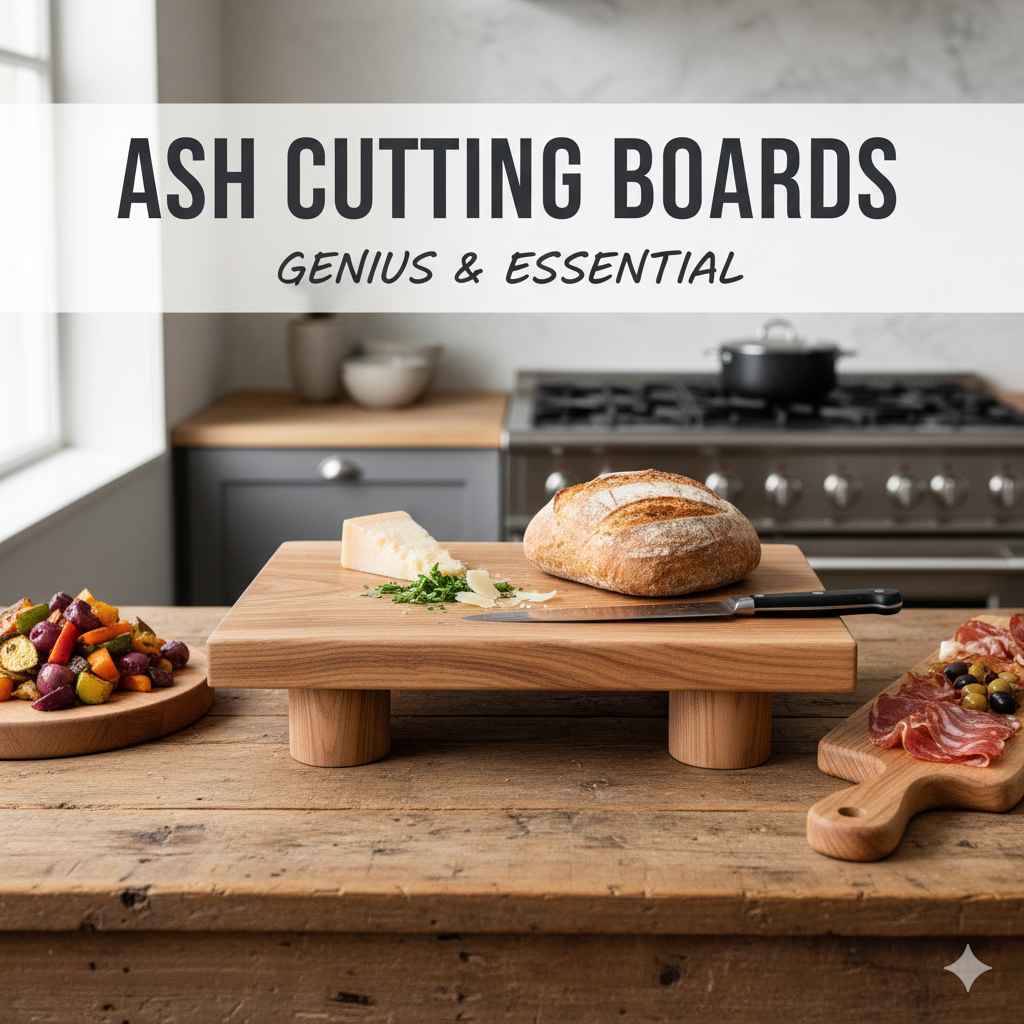
Ash Cutting Boards: Genius & Essential
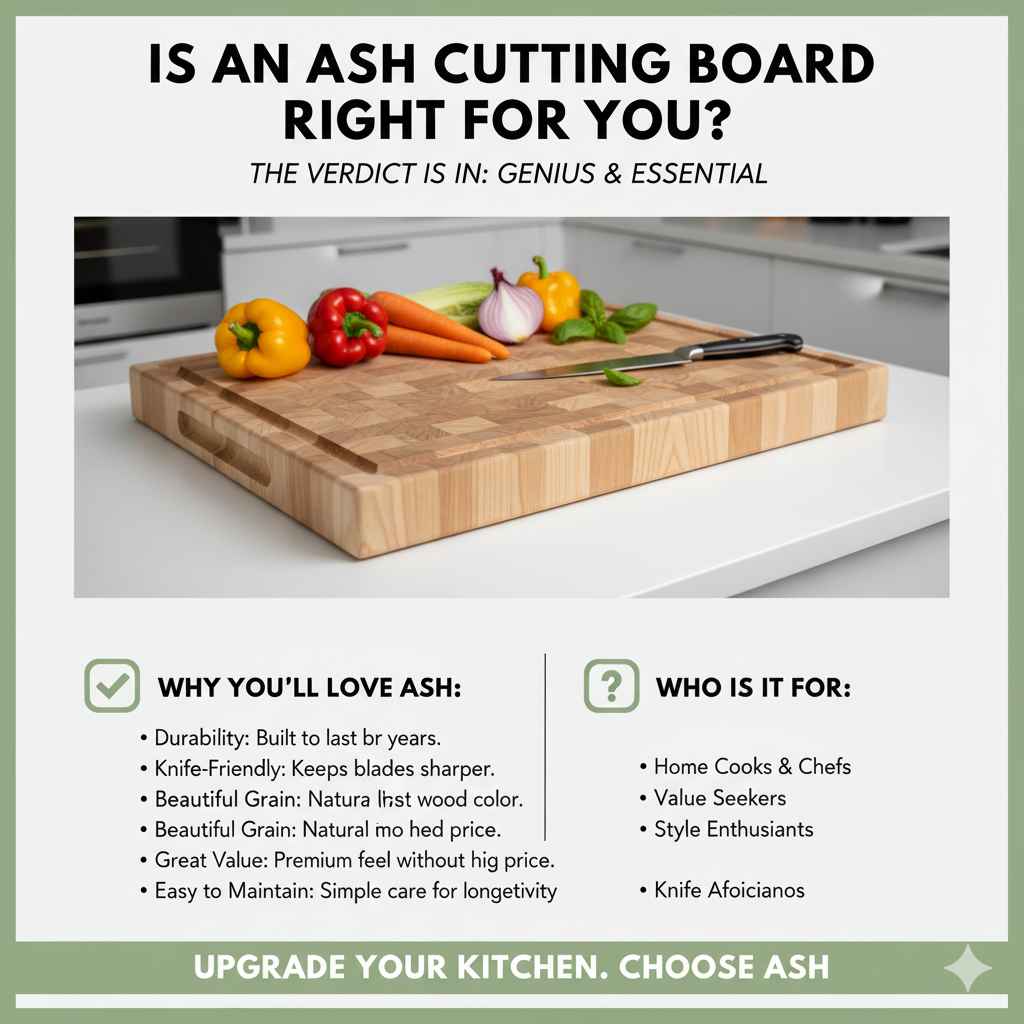
Ash cutting boards are a fantastic choice for any kitchen! They offer a great balance of durability, affordability, and a beautiful natural look, making them an essential and genius addition for home chefs and DIYers alike.
Welcome, fellow DIYers and kitchen enthusiasts! Ever stared at a cutting board and wondered if there’s a better way to prep your ingredients? You’re not alone. Many of us have struggled with cutting boards that dull knives quickly, harbor bacteria, or just don’t look good in our kitchens. It can be frustrating, especially when you’re trying to create beautiful meals. But don’t worry! Today, we’re diving into a wood that might just be the perfect solution: ash. We’ll explore why ash cutting boards are becoming a favorite, how to care for them, and what makes them a truly genius and essential addition to any home. Stick around, and you’ll be ready to make an informed choice for your next kitchen essential.
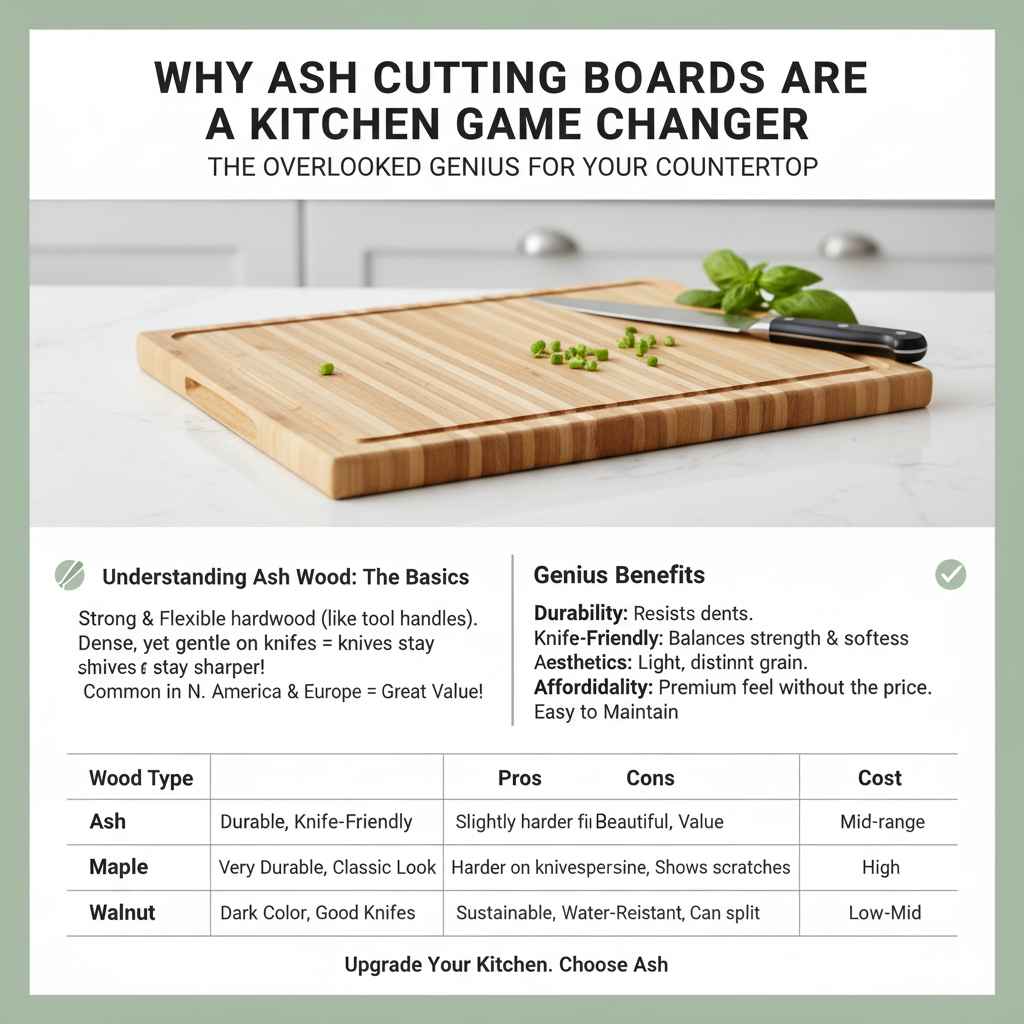
Why Ash Cutting Boards Are a Kitchen Game Changer
When you think about cutting boards, you might picture maple, walnut, or bamboo. While those are great options, ash offers a unique set of advantages that make it a seriously smart choice. It’s a wood that’s often overlooked but deserves a spot on your countertop, especially if you’re looking for something both functional and aesthetically pleasing without breaking the bank.
Understanding Ash Wood: The Basics
Ash is a hardwood known for its strength and flexibility. Think of baseball bats and tool handles – that’s often ash! This inherent toughness translates beautifully into a cutting board. It’s dense enough to withstand the daily grind of chopping, slicing, and dicing, yet it has a bit of give that’s gentler on your knife edges than some harder woods. This means your knives stay sharper for longer, a win-win for anyone who loves to cook and hates constant sharpening.
Ash trees are also relatively common in North America and Europe, which contributes to its good value. This means you can often find high-quality ash cutting boards at a more accessible price point compared to some exotic hardwoods. It’s like getting top performance without the premium price tag.
The Genius Benefits of Ash for Cutting Boards
So, what makes an ash cutting board truly “genius”? It’s a combination of practical advantages:
- Durability: Ash is tough. It can handle heavy use and resist dents and scratches better than many softer woods.
- Knife-Friendliness: While strong, ash isn’t so hard that it will instantly dull your prized chef’s knife. It provides a good balance.
- Aesthetics: Ash often has a beautiful, light-colored grain with distinct patterns, adding a natural warmth to your kitchen. It can range from creamy white to a light brown, often with straight, prominent lines.
- Affordability: Compared to woods like walnut or cherry, ash often provides excellent value.
- Easy to Maintain: With simple care, an ash cutting board will last for years.
Ash vs. Other Popular Cutting Board Woods
How does ash stack up against the usual suspects? Let’s take a quick look:
| Wood Type | Pros | Cons | Typical Cost |
|---|---|---|---|
| Ash | Durable, good knife edge retention, attractive grain, good value | Can be slightly harder to find specialty pieces than maple | Mid-range |
| Maple | Very durable, tight grain (less porous), classic kitchen look | Can be harder, potentially tougher on knives than ash, often more expensive | Mid to High-range |
| Walnut | Beautiful dark color, good for knives, relatively durable | More expensive, can show scratches more easily due to darker color | High-range |
| Bamboo | Sustainable, hard, water-resistant, lightweight | Can be very hard on knives, might split over time due to its laminated nature | Low to Mid-range |
As you can see, ash offers a sweet spot – it’s durable like maple, but often a bit kinder to your knives and wallet. Its natural beauty is a bonus that fits seamlessly into many kitchen decors.
Choosing Your Perfect Ash Cutting Board
Not all ash cutting boards are created equal. When you’re picking one out, keep a few things in mind to ensure you get a quality piece that will serve you well.
Grain Direction: Edge Grain vs. End Grain
This is a crucial detail for any cutting board, and ash is no exception. The way the wood is assembled significantly impacts its performance and longevity.
- Edge Grain: This is the most common type. Boards are made by gluing strips of wood together along their long edges. This creates a strong, durable surface that’s relatively easy to clean. They generally have a more linear, striped appearance.
- End Grain: These boards are made by cutting wood into blocks and then gluing them together so that the wood fibers run vertically, pointing upwards. When you cut on an end grain board, your knife blade passes between the wood fibers, which then close back up. This makes them incredibly forgiving on knife edges and also helps them conceal knife marks better. They often have a checkerboard or mosaic look. End grain boards are typically more expensive due to the more complex construction.
For beginners, an edge grain ash cutting board is a fantastic and budget-friendly start. If you’re a serious cook or a knife enthusiast, an end grain ash board offers superior performance for your blades.
Thickness and Size Matter
Think about how you’ll use the board. A thicker board (1.5 to 2 inches) will be more stable and less likely to warp, offering a solid base for chopping. Thinner boards (around 0.75 to 1 inch) are lighter and easier to store but might be less robust over time. Size-wise, consider your counter space and the types of food you prepare. A board around 12×18 inches is a versatile standard size for most kitchens.
Look for Quality Craftsmanship
Inspect the board. Are the seams between wood strips tight and consistent? Is the surface smooth and free of large knots or cracks? A well-made board will feel solid and look uniform. Reputable brands and woodworkers often stand behind their products. Don’t hesitate to check reviews or ask questions.
Caring for Your Ash Cutting Board: Making it Last a Lifetime
One of the best things about an ash cutting board is how easy it is to care for, ensuring it stays hygienic and beautiful for years to come. Think of this as a simple routine to protect your investment and ensure safe food prep.
The Essential Daily Care Routine
After each use, a quick clean is all you need:
- Wash Promptly: Don’t let food sit on the board for too long. Wash it with warm water and a mild dish soap.
- Scrub Gently: Use a soft sponge or cloth. For stuck-on bits, a gentle scrub brush is fine.
- Rinse Thoroughly: Make sure all soap and food particles are washed away.
- Sanitize (Optional but Recommended): For extra peace of mind, you can lightly spray the board with a mixture of equal parts white vinegar and water, or a very diluted bleach solution (1 teaspoon bleach per quart of water), let it sit for a few minutes, then rinse well. This is especially good after handling raw meats. Remember to always wash and rinse thoroughly after sanitizing.
- Dry Completely: This is critical! Never let your cutting board soak in water or leave it wet. Pat it dry with a towel and then stand it on its edge in a dish rack or prop it against a wall to allow both sides to air dry thoroughly. This prevents warping and cracking.
Regular Maintenance: Oiling is Key
Wood needs oil to stay hydrated and protected. Oiling your ash cutting board regularly will prevent it from drying out, cracking, and absorbing stains and odors. You can find specialty cutting board oils, but food-grade mineral oil is an excellent, affordable choice readily available at most pharmacies or hardware stores. Never use cooking oils like olive oil or vegetable oil, as they can go rancid over time.
Here’s how to oil your board:
- Ensure Board is Clean and Dry: Start with a spotlessly clean and completely dry board.
- Apply Oil Generously: Pour a good amount of mineral oil onto the surface of the board.
- Spread Evenly: Use a clean, lint-free cloth or paper towel to spread the oil all over the board, covering all surfaces, including the edges and ends.
- Let it Soak: Let the board sit for at least 30 minutes, or preferably overnight, to allow the oil to penetrate deep into the wood.
- Wipe Off Excess: Use a clean cloth to wipe away any excess oil that hasn’t been absorbed.
How often? For a new board, oil it every few weeks for the first few months. Once it’s seasoned, oiling once a month or whenever the wood starts to look dry is usually sufficient. You can also apply a food-safe wood conditioner, which often contains beeswax, after oiling for extra protection and a smooth finish.
Dealing with Stains and Scratches
Over time, your ash cutting board will develop minor scratches and can pick up stains. This is part of its character! However, if you want to give it a refresh:
- For Light Stains: Try making a paste of baking soda and water. Apply it to the stain, let it sit for a few minutes, then scrub gently with your sponge and rinse thoroughly.
- For Deeper Scratches: You can lightly sand the surface of the cutting board with medium-grit sandpaper (around 120-180 grit), followed by fine-grit sandpaper (220 grit). Sand in the direction of the wood grain. After sanding, clean the board thoroughly and re-oil it according to the instructions above. This process will remove scratches and rejuvenate the wood’s appearance.
For more in-depth information on wood care, resources like the Forest Products Laboratory (FPL), part of the U.S. Forest Service, offer extensive research and guides on wood properties and preservation.
Beyond Chopping: The Versatility of Ash Cutting Boards
While their primary job is to be chopped on, ash cutting boards can be so much more. Their attractive natural look makes them perfect for serving, display, and even light woodworking tasks.
Serving Platter Appeal
Got guests coming over? A beautifully maintained ash cutting board can double as a rustic and charming serving platter. Arrange cheese, charcuterie, fruits, or appetizers directly on the board. It adds a touch of warmth and artisanal style to any gathering. Just be sure it’s clean and free of food remnants from previous uses!
A Workspace for Small Projects
For the true DIY enthusiast, a durable ash cutting board can even serve as a temporary, protective surface for light crafting or small woodworking projects. Need to assemble a small item, secure something with a clamp for gluing, or do a bit of sanding that won’t damage the board? Your cutting board can be a handy stand-in for a workbench in a pinch. Just remember to clean it thoroughly afterward and avoid tasks that could involve harsh chemicals or cause deep gouges.
Aesthetic Addition to Your Kitchen
Even when not in use, a nice ash cutting board can be a decorative element. Propped against your backsplash, hung on a wall rack, or simply sitting on your counter, its natural grain and warmth can enhance your kitchen’s ambiance. It’s functional decor at its finest!
Is an Ash Cutting Board Right for You?
So, after all this, what’s the verdict? If you’re looking for a cutting board that offers a fantastic blend of durability, user-friendliness for your knives, attractive natural beauty, and excellent value, then an ash cutting board is likely a genius and essential choice for your kitchen. It’s a workhorse that doesn’t compromise on style, and with minimal care, it will become a trusted companion in your culinary adventures for years to come.
Frequently Asked Questions about Ash Cutting Boards
Q1: Are ash cutting boards safe for food?
Absolutely. Ash is a food-safe hardwood. As long as the board is properly finished with food-grade mineral oil and cleaned regularly, it’s perfectly safe for preparing all types of food.
Q2: Will ash cutting boards get knife marks easily?
Ash is a durable hardwood, so it resists deep knife marks better than softer woods. However, like all wooden cutting boards, it will eventually show signs of use. End-grain ash boards are particularly good at hiding knife marks because the fibers close back up after being cut. Minor scratches are normal and can be addressed with light sanding and re-oiling.
Q3: How often should I oil my ash cutting board?
A good rule of thumb is to oil your ash cutting board once a month. If you notice the wood looking dry or feeling rough, it’s time for a re-oil. New boards may need oiling more frequently initially.
Q4: Can I put my ash cutting board in the dishwasher?
No, never put a wooden cutting board, including one made of ash, in the dishwasher. The extreme heat and prolonged moisture can cause the wood to warp, crack, and split, ruining the board.
Q5: How do I remove stains from an ash cutting board?
For light stains, you can use a paste of baking soda and water. Apply it to the stain, let it sit for a few minutes, scrub gently, and rinse thoroughly. For tougher stains or to rejuvenate the board, light sanding with fine-grit sandpaper followed by re-oiling is the best solution.
Q6: Is ash wood better than bamboo for cutting boards?
It depends on your priorities. Ash is a natural hardwood that is generally gentler on knife edges and often feels more substantial. Bamboo is a grass, extremely hard, and very sustainable. However, bamboo’s hardness can dull knives quickly, and its laminated construction can sometimes lead to splitting over time. Ash offers a more balanced performance for many users.
Conclusion
There you have it – a deep dive into why ash cutting boards are not just good, but truly genius and essential for any kitchen. They offer that perfect sweet spot of durability, knife-friendliness, attractive natural grain, and affordability that’s hard to beat. By understanding the wood, choosing a board crafted with care, and committing to a simple maintenance routine of washing, drying, and oiling, you’re investing in a tool that will reliably serve you for years. Whether you’re a seasoned chef or just starting your culinary journey, an ash cutting board is a wise choice that brings both function and beauty to your prep work and your kitchen. So go ahead, embrace the versatility and enduring appeal of ash, and make it a cornerstone of your kitchen toolkit!