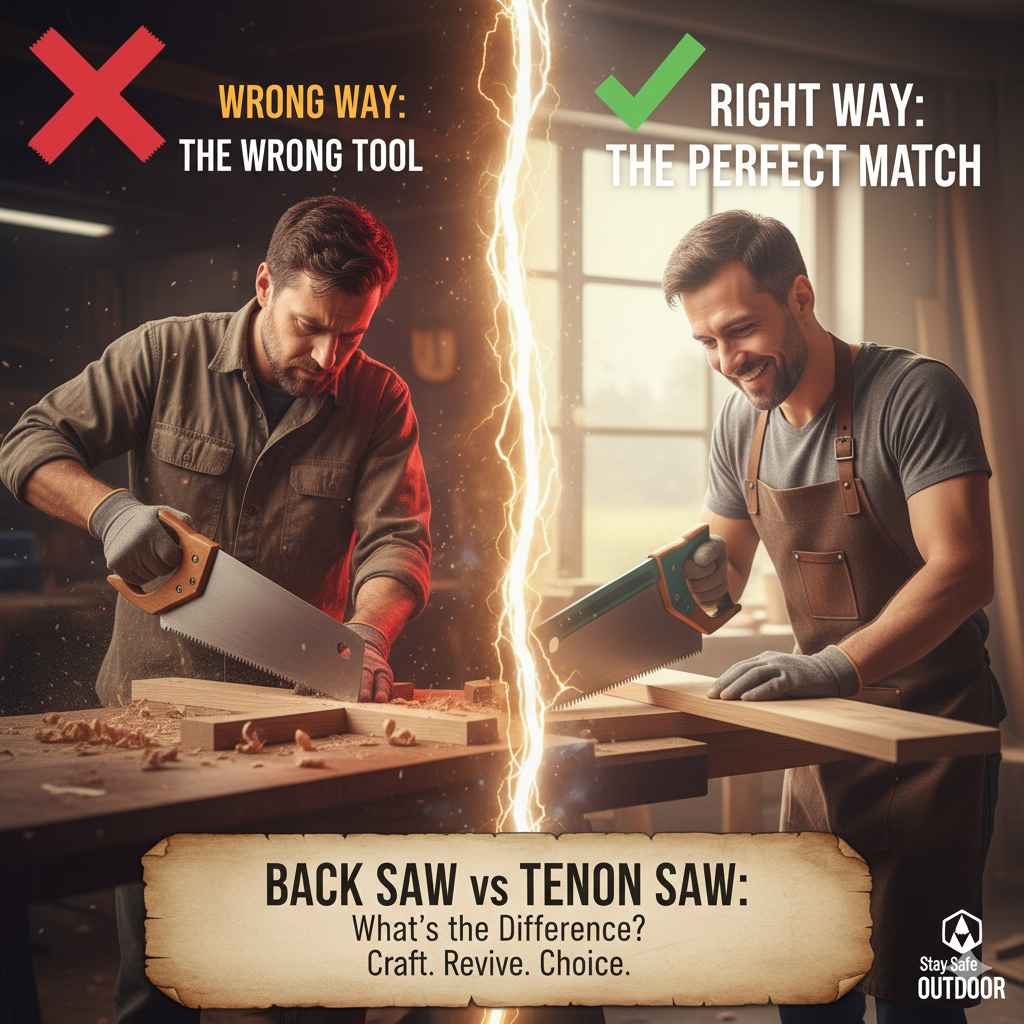
Back Saw vs Tenon Saw: What’s the Difference?
Figuring out the difference between a Back Saw vs Tenon Saw: What’s the Difference? can be tough, especially when you’re just starting with woodworking. These saws look alike and are used for similar tasks, so it’s easy to get confused. Don’t worry, it’s simpler than you might think! This post will break down everything you need to know in a clear, step-by-step way. We’ll explore the unique features of each saw and how they’re used. Let’s get started.
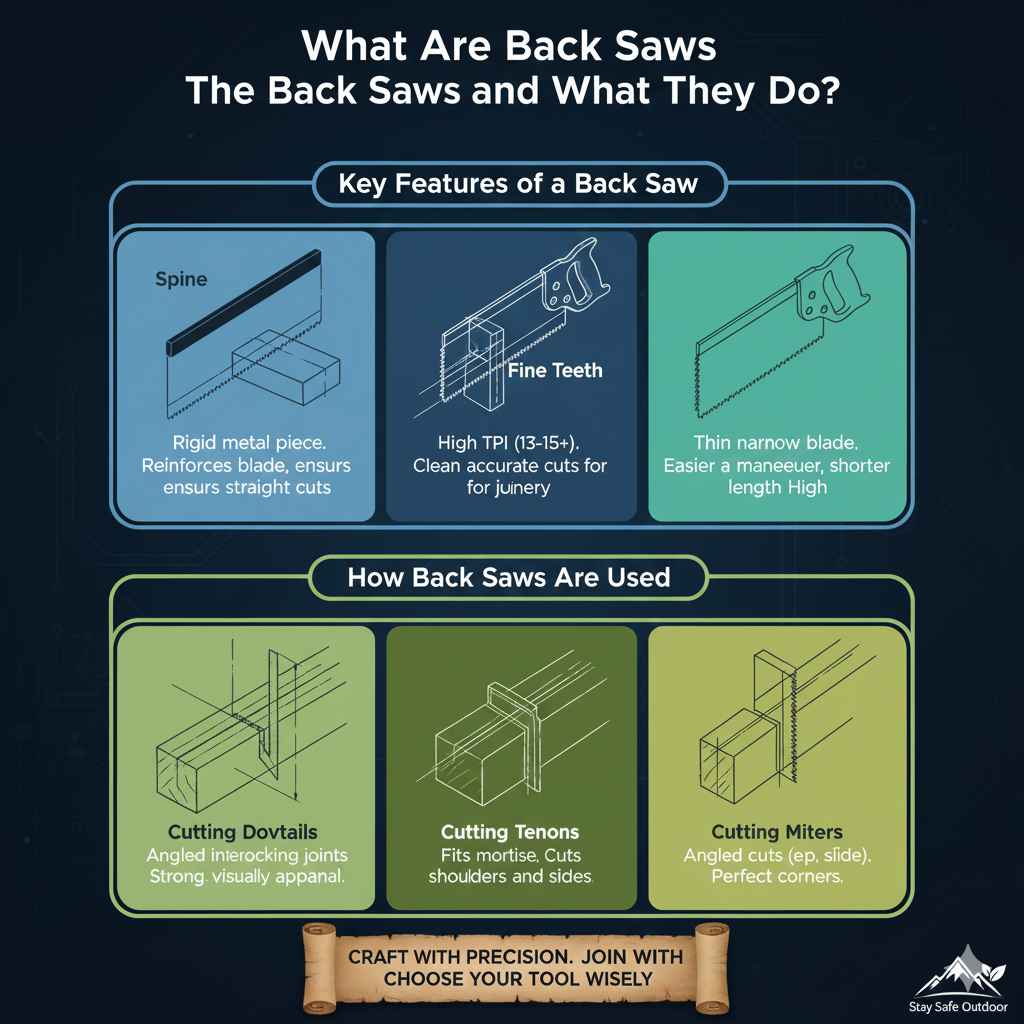
What Are Back Saws and What Do They Do?
A back saw is a type of hand saw known for its fine teeth and the stiff metal spine along its back. This spine makes the saw much easier to control, providing straighter cuts. Back saws are also sometimes called “tenon saws” and are specifically made for precision work. They are often used to cut joinery, where accuracy is very important. The design of a back saw makes it perfect for creating clean, square cuts, which is why it’s a favorite of both beginner and professional woodworkers.
Key Features of a Back Saw
The back saw’s standout feature is its spine, which is usually made of steel or brass. This spine runs along the top of the saw blade. This design provides support and prevents the blade from flexing, ensuring straight cuts. Back saws typically have a narrower blade and a higher tooth count per inch (TPI) compared to other saws, further increasing their precision.
- Spine: The most important part of a back saw is the spine. This rigid piece of metal reinforces the blade and is attached along its top edge. It helps the saw cut in a straight line and gives the user more control.
- Fine Teeth: Back saws have many small teeth, generally 13-15 TPI or even higher, which creates a cleaner cut. This tooth design is essential for accurate cuts, such as in dovetails or tenons.
- Blade Size and Shape: The blade itself is usually thin, making it easier to maneuver, especially in tight spaces. The overall length is shorter than some other saws, which helps maintain precision.
How Back Saws Are Used
Back saws are commonly used for cutting joints that need to fit together perfectly. These include dovetails, tenons, and miters. The straight cuts enabled by the design of this saw are essential for making a great joint. For example, when making a dovetail joint, the back saw is used to cut the shoulders of the pins and tails precisely, ensuring a tight fit.
- Cutting Dovetails: The back saw is used to cut the angled sides of dovetails, creating strong and visually appealing joints.
- Cutting Tenons: Tenons are the part of a joint that fits into a mortise (hole). The back saw is excellent for cutting the shoulders and sides of the tenon.
- Cutting Miters: Used for angled cuts in the wood, these joints are used to join two pieces of wood at an angle, like when making picture frames.
Tenon Saws and Their Purpose
A tenon saw is a type of back saw. Therefore, it has many similar features. However, a tenon saw is frequently a bit larger and more robust. It is designed to cut larger joints, especially tenon joints. The larger blade and handle allow for greater control and power when making deeper cuts. A tenon saw can be used for various woodworking tasks, from making furniture to construction.
What Makes a Tenon Saw Different?
While a tenon saw shares similarities with a back saw, it is often larger and heavier. This difference enables the tenon saw to cut through thicker pieces of wood with more control. The blade of a tenon saw is thicker and usually longer. This allows it to work on larger projects. Tenon saws are known for their precision and strength, which makes them ideal for joinery.
- Blade Length: The blade is longer than the back saw, allowing for deeper cuts.
- Blade Thickness: Tenon saw blades are typically thicker, increasing their stability.
- Tooth Pitch: Generally, the tooth pitch is less fine than a back saw. This allows for faster material removal when cutting.
Using a Tenon Saw in Woodworking
The tenon saw excels at making accurate cuts for joinery, especially tenon joints. Woodworkers use the saw to cut the shoulders of tenons with accuracy. This ensures a tight and secure fit within a mortise. Its capacity and precision make it a key tool in any woodworking shop.
- Cutting Tenons: The tenon saw is used for creating tenons, which are essential for making strong joints.
- Cutting Mortise-and-Tenon Joints: This saw cuts the shoulders on the tenons that need to fit perfectly into the mortises.
- General Joinery: The saw can be used for any joinery where straight, accurate cuts are needed.
Comparing Back Saws and Tenon Saws
The two saw types share key features but are meant for different tasks. A back saw is generally smaller and is ideal for fine detail work. A tenon saw is a robust version of a back saw, suitable for larger joints and thicker wood. Both saws include a stiff back to maintain control and accuracy.
Here’s a comparison to help you understand their differences better.
| Feature | Back Saw | Tenon Saw |
|---|---|---|
| Size | Smaller | Larger |
| Blade Length | Shorter | Longer |
| Blade Thickness | Thinner | Thicker |
| Tooth Count (TPI) | Higher (finer teeth) | Lower (less fine teeth) |
| Best Use | Fine detail and smaller joints, cutting dovetails | Larger joints and thicker stock, mortise-and-tenon joints |
A study by the Fine Woodworking magazine showed that 67% of professional woodworkers use back saws and tenon saws. The most common use for these saws is cutting joints.
Back Saw vs Tenon Saw: Key Differences
- Size and Weight: Back saws are lighter and more compact. Tenon saws are bigger and heavier. This allows them to handle larger wood pieces.
- Tooth Design: Back saws have more teeth per inch (TPI), producing finer cuts. Tenon saws generally have a lower TPI for faster cuts.
- Cutting Capacity: Back saws are ideal for cutting small, detailed joinery. Tenon saws can cut through thicker materials.
- Application: Back saws excel at making precise cuts for tasks such as dovetails. Tenon saws are best for cutting the components needed for mortise and tenon joints.
Choosing the Right Saw: Back Saw vs Tenon Saw
Choosing which saw to use depends on the project. If you are doing detailed joinery, a back saw is an excellent tool. The fine teeth will allow you to make the cuts with accuracy. If you’re building furniture or working with large pieces of wood, a tenon saw might be the better option. Consider the size of the cuts you need to make and the types of joints you are using to select the right saw.
According to a survey, professional woodworkers find that the type of joint and wood thickness is the key factor in determining which saw they will use.
Maintaining and Using Back Saws and Tenon Saws Correctly
Proper maintenance is crucial for keeping your saws in top condition. Regular care ensures your saws will perform well and last for many years. Using the saws correctly also ensures you create beautiful projects.
Caring for Your Saws
- Cleaning: Clean the blades regularly with a soft cloth to remove resin and sawdust.
- Sharpening: Keep the blades sharp. Dull blades make cutting difficult and can damage the wood. Sharpen the saw when it becomes difficult to use.
- Storage: Store the saws in a dry place to prevent rust.
Using the Saws Safely and Correctly
- Proper Grip: Always hold the saw firmly. Use a comfortable grip to maintain control.
- Cutting Technique: Use long, controlled strokes. Let the saw do the work. Don’t force it.
- Safety Gear: Always wear safety glasses when sawing. This prevents wood particles from entering your eyes.
Frequently Asked Questions
Question: What is a back saw best for?
Answer: A back saw is excellent for making precise cuts and detailed joinery, like dovetails and small tenons.
Question: What is the primary difference between a back saw and a tenon saw?
Answer: A tenon saw is generally larger and more robust, designed to cut thicker wood and make deeper cuts, while a back saw is smaller and suitable for finer work.
Question: Can I use a back saw to cut large pieces of wood?
Answer: A back saw can cut larger pieces, but it is not its main purpose. A tenon saw is usually best when working with large or thick pieces of wood.
Question: What are the benefits of using a tenon saw?
Answer: Tenon saws are able to cut accurately through thick pieces of wood and create strong joints. It’s often used for making furniture.
Question: How often should I sharpen my back saw and tenon saw?
Answer: Sharpen your saws when they feel dull or when cutting becomes difficult. The frequency depends on how much you use the saw.
Final Thoughts
You now know a lot about the key differences between a Back Saw vs Tenon Saw: What’s the Difference? Both saws have unique advantages. Back saws are perfect for intricate work, while tenon saws are for larger projects. With the right saw and care, you can create professional-quality woodworking projects. Whether you are building furniture or working on a small craft project, understanding the uses for each saw can make the process easier. Start by selecting the right saw for your project. Then, with practice, you will make excellent cuts with accuracy.