Sawstop Patent Expiration: What It Means for Woodworkers
The SawStop patent expiration marks a significant moment in the woodworking industry. SawStop is known for its safety feature that stops the blade quickly when it contacts skin.
Woodworkers have long appreciated this technology for preventing serious injuries. With the SawStop patent expiring, other manufacturers can now create similar safety features. This change could lead to more affordable and accessible safety tools for everyone. In this blog post, we’ll explore what the patent expiration means for the industry.
We will look at potential new products, safety improvements, and how this could affect prices. Stay with us to understand the impact of SawStop’s innovative technology becoming more widely available.
Introduction To Sawstop
SawStop was started by Dr. Steve Gass. He wanted to reduce table saw injuries. Safety was his main goal. The technology used a braking system. It stops the blade when it touches skin. This invention changed the woodworking world.
Many woodworkers now feel safer. Less accidents happen in shops. The SawStop technology is now found in many places. Other companies may create similar products. This competition can be good for users. More choices mean better tools. The woodworking field continues to improve.
Overview Of Sawstop Technology
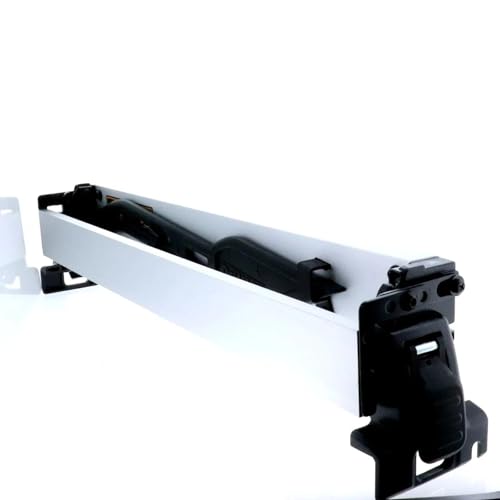
Sawstop uses a special sensor. This sensor detects human skin. If skin touches the blade, it stops. The blade drops below the table. This happens fast. The user stays safe. Sawstop saves hands and fingers.
Sawstop reduces serious injuries. The blade stops in milliseconds. This feature is unique. Workers feel safer. Less fear in the workshop. Sawstop makes woodworking safer for all. It is a smart choice for safety.
Patent Expiration Details
SawStop’s core flesh-detection patents were filed around 2000-2001, when founder Dr. Steve Gass first demonstrated the technology to saw manufacturers. Under standard U.S. utility patent law, a patent term runs 20 years from the filing date — which put the company’s original, foundational patents on track to expire in the early-to-mid 2020s, not on one single headline date. In 2021, SawStop’s parent company also announced it would dedicate one of its saw-stop patents directly to the public domain, a step tied to its public support of a proposed federal rule requiring blade-stopping technology on table saws. That pledge made at least some of the core mechanism freely usable by any manufacturer years before its natural expiration.
Separately, in 2023 the U.S. Consumer Product Safety Commission (CPSC) voted to advance a proposed rule that would have required table saws sold in the U.S. to include “active injury mitigation” (AIM) technology — the general category SawStop’s blade brake belongs to. That rule never took effect: on August 20, 2025, the CPSC withdrew the proposed rulemaking entirely under new agency leadership, citing cost and competition concerns. SawStop’s 2021 pledge to dedicate its broad AIM patent (U.S. Patent 9,724,840, the “840 patent”) to the public domain was explicitly conditional on that rule taking effect — since the rule was withdrawn, the pledge never triggered, and the 840 patent remains SawStop’s enforceable property until it expires on April 8, 2033 (a term extended well past the standard 20 years by patent-office and court delays). That leaves a real gap between the two things people mean by “SawStop patent expiration”: the earliest, narrow 2000-2001 concept patents have lapsed, but the broad mechanism patent a competitor would need to build a true SawStop equivalent is still years from expiring on its own.
Key stakeholders include inventors and competitors. Inventors lose exclusive rights after a patent’s term ends, but SawStop continues to hold newer patents covering specific mechanisms, refinements, and later product designs — so competitors generally still can’t clone a current SawStop saw feature-for-feature even once the earliest patents lapse.
Impact On Competitors
With only the oldest, narrowest concept patents expired and the CPSC rule withdrawn, the real picture is more modest than headlines about “SawStop’s patent expiring” suggest. Competitors can legally build on the lapsed early concept, but the core AIM mechanism SawStop uses today is still covered until 2033. Bosch took a different route rather than waiting on SawStop’s patents to lapse: it engineered its own reactive braking system that retracts the blade instead of destroying it, so the saw can be reset and put back to work without buying a new blade and brake cartridge after every activation — a genuinely different mechanism, not a copy.
Expect more of that pattern — manufacturers engineering their own detection systems independently — rather than a flood of direct SawStop clones once a single patent lapses.
Changes For Woodworkers
For everyday woodworkers, the immediate takeaway is that federal law does not currently require AIM technology on any table saw, and that isn’t changing soon — the CPSC dropped its rulemaking in August 2025. SawStop remains the only saw brand with two full decades of field-tested flesh-detection data, and buying one is still a deliberate choice rather than something regulation will soon force onto every saw on the shelf.
If you want the safety feature without the SawStop premium, watch for saws using independently engineered systems like Bosch’s reactive brake, and check any new saw’s actual mechanism and post-trip replacement cost rather than assuming a “similar” feature saves money the same way a SawStop cartridge swap does.
Future Innovations
Because the broad mechanism patent doesn’t expire until 2033 and the federal mandate was withdrawn, near-term innovation is more likely to come from manufacturers engineering their own detection systems — as Bosch already has — than from companies simply waiting out SawStop’s patent clock.
Litigation is also part of the picture: several manufacturers have publicly alleged that SawStop refused to license its safety technology on reasonable terms, a dispute that could shape how quickly alternative systems reach the market independent of the patent timeline.
SawStop vs. New Flesh-Detection Competitors
As SawStop’s earliest concept patents lapse and manufacturers like Bosch engineer independent alternatives, buyers are starting to see flesh-detection features move beyond SawStop’s own lineup — even without the CPSC mandate that was once expected to force the issue. Here’s how the landscape breaks down when comparing options:
| Factor | SawStop (original) | Newer AIM-technology entrants |
|---|---|---|
| Core mechanism | Aluminum brake pawl drops into the blade on skin contact, destroying the blade and brake cartridge in the process | Varies by brand — Bosch’s reactive system retracts the blade instead of destroying it, avoiding a cartridge replacement; other entrants use sacrificial brake designs closer to SawStop’s own |
| Replacement cost after a trip | New blade plus a brake cartridge (roughly $100 combined, depending on the saw) | Varies; retraction-style designs may avoid destroying the blade |
| Track record | Two decades of field use and documented injury-prevention data | Newer to market, less long-term field data |
| Price premium vs. non-AIM saws | Historically several hundred dollars over a comparable non-AIM cabinet or contractor saw | Expected to narrow as more manufacturers adopt the technology at scale |
For most home shops, the practical takeaway is simple: flesh-detection technology is moving from a single-brand premium feature to an industry-wide baseline. If you’re shopping now, weigh the mechanism, the cost of a post-trip replacement, and how the saw otherwise fits your shop — not just whether it carries the SawStop name.
Legal And Ethical Considerations
Patents grant an inventor exclusive rights for a set term, after which anyone can use that specific claimed invention. SawStop’s situation shows why that’s rarely a clean, single-date story for a company that keeps filing new, related patents: only its earliest, most general concept claims have lapsed, while the mechanism behind its current saws is patented until 2033.
For woodworkers, the practical question isn’t just whether a competitor can legally build something — it’s whether they can build a genuinely independent, well-tested system. A copy of an expired narrow claim is not the same as a mechanism with two decades of documented field performance.
Frequently Asked Questions
Did The Sawstop Patent Expire?
Partially, and it’s more nuanced than a single yes/no. SawStop’s earliest, narrowest concept patents from 2000-2001 have expired under standard 20-year terms. But the core mechanism behind its current saws is covered by a separate patent (U.S. 9,724,840) that doesn’t expire until April 8, 2033. SawStop pledged in 2021 to dedicate that patent to the public if a federal rule mandating the technology took effect — the CPSC withdrew that proposed rule in August 2025, so the pledge never triggered and the patent remains enforceable.
Did Festool Buy Sawstop?
Yes, Festool acquired SawStop in 2017. This merger aimed to combine innovative woodworking tools and enhance product offerings.
Is Sawstop Osha Approved?
SawStop is not officially approved by OSHA. However, it meets OSHA safety standards and is recognized for enhancing workplace safety.
Does Festool Table Saw Have Sawstop?
No, Festool table saws do not have SawStop technology. SawStop is a separate brand known for its safety system.
Is There A Federal Law Requiring Table Saw Safety Technology?
No. The CPSC had advanced a proposed rule in 2023 that would have required active injury mitigation technology on table saws sold in the U.S., but the agency withdrew that rulemaking on August 20, 2025 under new leadership, citing cost and competition concerns. There is currently no federal requirement for any table saw to include flesh-detection technology.
Conclusion
SawStop’s patent situation is more layered than a single expiration date: its earliest concept patents have lapsed, but the mechanism behind its current saws is protected until 2033, and the federal rule that would have forced industry-wide adoption was withdrawn in 2025. Expect gradual, independently-engineered competition — like Bosch’s reactive brake — rather than a sudden wave of SawStop clones. Staying updated on new developments is still worthwhile.
The future of woodworking safety is bright. Keep learning, stay safe, and enjoy your craft.
Sponsored / affiliate links. As an Amazon Associate I earn from qualifying purchases. I may earn additional commission from eligible campaigns.