Best Fillers for Floor Gaps (2026): Based on Specs and Reviews
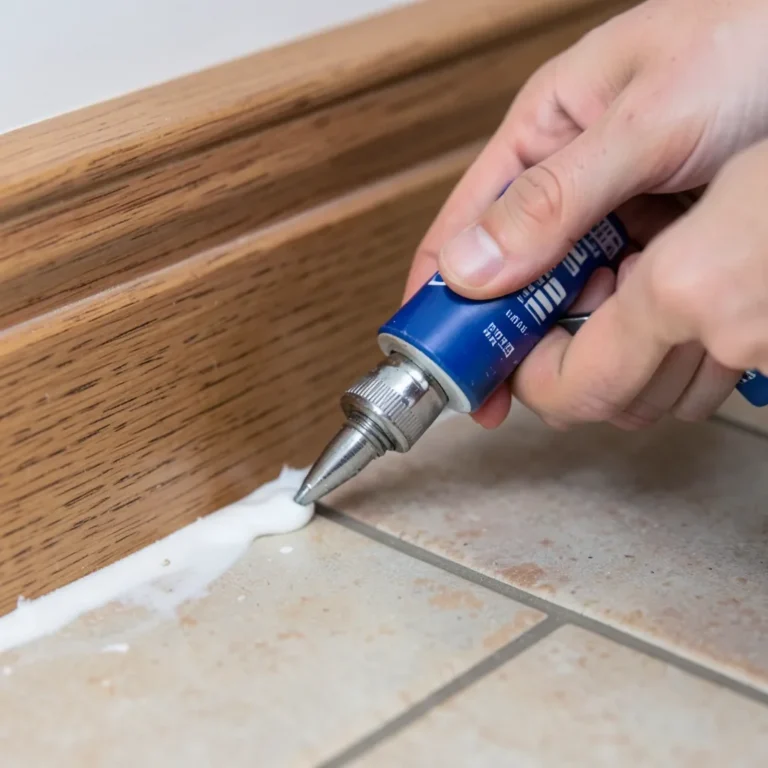
A hardwood floor filler for gaps and cracks should match the amount of movement: use a flexible, stainable latex filler for seasonal gaps up to about 1/8 inch, and use epoxy or wood slivers for larger cracks and chipped edges. Choose the wrong filler, and it can split, pop out, or show the defect again. This guide compares filler types by gap behavior so you can choose the right fix for cosmetic, seasonal, or structural damage.
Quick comparison
| Product | Badge | Best for | Price | ||
|---|---|---|---|---|---|
 |
DAP Plastic Wood-X with DryDex Wood FillerDAP | Our pick | 5.5 oz · color-change · wood filler | $6.28
Price as of 6 Nov 2026
|
View |
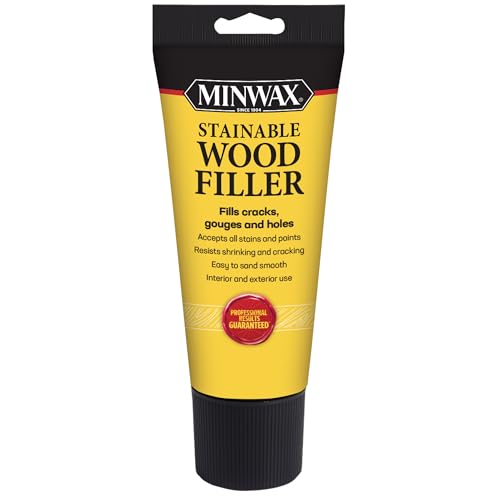 |
Minwax Stainable Wood FillerMinwax | Also great | 6 oz · stainable · latex wood filler | $8.88
Price as of 6 Nov 2026
|
View |
 |
pt Eclectic Products 40022126 Natural Famowood Water-BasedFamoWood | Also great | Water-based · fast dry · latex filler | $13.21
Price as of 6 Nov 2026
|
View |
 |
Elmer’s Carpenter’s Color Change Wood FillerElmer’s | Pair with it | 8 oz · color-change · interior filler | $25.00
Price as of 6 Nov 2026
|
View |
 |
Bondo Wood Filler 30 oz (850.49 g) with Bondo Cream Hardnerbondo | Upgrade pick | 30 oz · two-part · permanent filler | $18.90
Price as of 6 Nov 2026
|
View |
Sort products by how the opening moves, not by label or price. A tight, dry seam needs a different repair than a gap that opens every heating season, and a chipped edge needs different support again.
How we chose
Three factors matter most: gap width, how much the wood moves, and whether the filler can accept your finish. A product that sands well but fails in an opening seam is the wrong tool.
Wood species matters too. Oak may accept some fillers more predictably than mixed-species flooring, and solid 3/4 inch hardwoods generally move more with seasonal moisture changes than engineered floors.
Dry time, stain behavior, and shrink risk matter because floor repairs often need sanding and finishing after the fill. A repair that cures fast but shrinks later is a short-lived fix.
Finally, repair permanence matters. Cosmetic fills can be short-term; rotted sections and open structural cracks need board repair or epoxy, not a paste meant only for surface defects.
Quick picks for hardwood floor gaps
- Timbermate Wood Filler: best for moving cosmetic gaps because it is water based, reconstitutable, accepts stain well, and shrinks less than most fillers.
- Bona Mix and Fill: best for oak floors because it sands easily, colors match well, and it takes finish consistently.
- Glitza Wood Flour Cement: best for color match when you want to blend with dust and need a durable repair.
- Goodfilla Water-Based Wood & Grain Filler: best low-VOC option because it is zero VOC, non-toxic, reconstitutable with water, and freeze-thaw stable.
Rust-Oleum Parks Pro Finish Floor Filler: best for fast red oak repairs
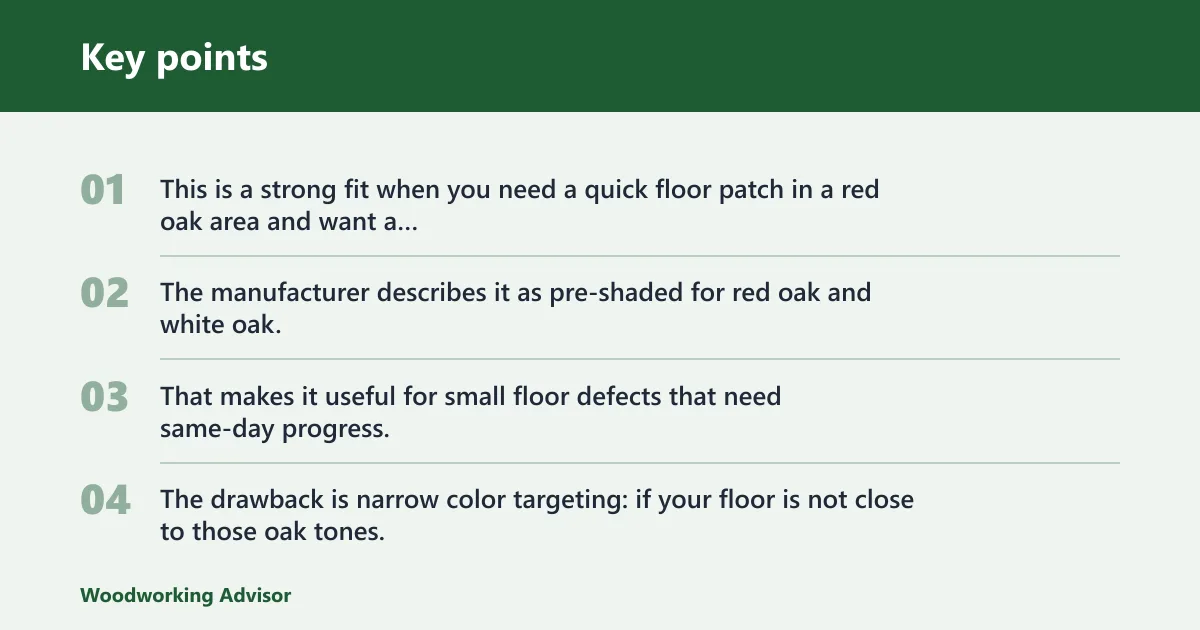
This is a strong fit when you need a quick floor patch in a red oak area and want a short wait before sanding. The manufacturer describes it as pre-shaded for red oak and white oak, and it dries in about 15 minutes with sanding possible in roughly 30 to 60 minutes.
That makes it useful for small floor defects that need same-day progress. The drawback is narrow color targeting: if your floor is not close to those oak tones, the repair can stand out after finish goes on.
Minwax Color-Matched Wood Filler: best for finished wood touchups
Choose this for finished hardwood repairs where you want a stainable filler that can also be sanded, drilled, varnished, painted, or lacquered. It is offered in Walnut and Golden Oak versions, which helps when you need a closer visual match on visible trim or floor touchups.
The tradeoff is that it is still a filler, not a movement fix. In a gap that opens and closes with the seasons, it may crack or pop out if the opening is active.
FamoWood Water-Based Latex Wood Filler: best for quick general repairs
Based on the published product details, this is a fast-drying latex filler that suits small cracks, dents, and other cosmetic defects. It is listed as drying in 15 minutes, and the company says it will not crack or shrink as it cures.
That said, fast dry time does not make it a solution for active seasonal gaps. If the board edges are still moving, a quick-set filler can still fail when the floor contracts again.
Elmer’s Carpenter’s Color Change Wood Filler: best for visible dry-time control
This filler changes color as it dries, which helps when you want a visible cue before sanding. It goes on purple and dries white, and the product details say it is sandable, stainable, and paintable when dry.
That makes it practical for small cosmetic repairs where timing matters. The drawback is that color change does not solve the bigger issue of movement, so it is not the right answer for a wide seasonal seam.
Bondo Wood Filler: best for stable chips and cracks
This two-part filler is aimed at harder repairs where a firmer, more permanent fill makes sense. The manufacturer describes it as non-shrinking, sandable in about 15 minutes, and stainable, which is useful for chips, cracks, and damaged edges that need a stable repair.
The drawback is fit. It is better for static damage than for a gap that breathes with humidity. If the floorboards are still moving, a rigid filler can telegraph that movement later.
Timbermate Wood Filler: best for moving gaps
Timbermate is water based and reconstitutable, which gives you more control over working time and mix consistency. It also accepts stain well and shrinks less than most fillers, which is why it is often a better fit for cosmetic gaps that need to blend into the floor.
That said, it is still a filler. It can improve the look of a small seasonal seam, but it is not a permanent answer for wide gaps that open and close every year.
Bona Mix and Fill: best for oak floors
Bona Mix and Fill is a strong choice when the floor is oak because it is described as great for oak, sands easily, and takes finish consistently. That combination matters on site-finished floors, where the filler has to disappear under stain or clear topcoat.
The limitation is scope. It is a finish-compatible filler, not a structural repair. If the board edges are split or the gap is too wide, you need a different method.
Glitza Wood Flour Cement: best for color match
Glitza Wood Flour Cement is described as incredibly durable and is often used when a near-perfect match is needed, especially when blending with dust. That makes it a practical choice for repairs where appearance is the main concern and the floor is otherwise stable.
The drawback is size and use case. It is usually sold in larger containers, so it makes less sense for a single tiny nick. It is best when you have several matched repairs or need more product on hand.
Will wood filler stay in seasonal gaps?
Not reliably. Seasonal gaps in hardwood flooring happen because the wood loses moisture and the boards shrink, then close again when humidity rises. Solid 3/4 inch hardwoods expand and contract with these changes, so no filler works effectively unless humidity stays constant.
That is why filler often fails in winter gaps that reopen in summer. If the seam is moving, the repair has to tolerate movement or the floor needs a different fix.
Suppose a 3/16 inch gap opens in January between two solid oak boards and closes almost fully by July. A rigid filler may look fine for a few weeks, then split once the boards start shifting again.
Can you use wood filler on wide gaps?
Not as a standard fix. Wood filler is designed for small holes, nail pops, minor chips, and tiny imperfections, and it cannot fix wide seasonal gaps. Once the opening is large enough to move or catch a fingernail deeply, filler usually becomes a short-lived patch.
A wider seam often needs wood slivers, board replacement, or a repair that can move without breaking. Sawdust and glue is not a universal fix either, and wood glue does not take stain well.
A common first-timer mistake is packing a wide gap with paste because it looks easy. The repair may sand flush at first, then crack along the same seam after the next humidity swing.
Gap repair decision table
| Gap width | Movement pattern | Wood type | Finish type | Recommended repair method | Fail or not-fail | Short reason |
|---|---|---|---|---|---|---|
| Hairline to about 1/16 inch | Stable, cosmetic | Engineered or solid hardwood | Clear or stained site finish | Stainable wood filler | Not-fail | Small defects are within filler’s normal use range. |
| About 1/16 to 1/8 inch | Minor seasonal movement | Solid hardwood | Site-finished floor | Flexible, stainable latex filler with sanding and refinish | Borderline | May hold if movement is slight and humidity is controlled. |
| Over 1/8 inch | Active seasonal opening and closing | Solid hardwood | Any finish | Wood sliver, board replacement, or pro repair | Fail | Gap is wide enough that filler is likely to split or pop out. |
| Chipped edge at board end | Stable | Engineered or solid hardwood | Prefinished or site-finished | Epoxy paste or repair compound | Not-fail | Epoxy better supports missing fibers than standard filler. |
| Soft, rotten, or crumbling section | Structural damage | Any hardwood | Any finish | Replace damaged wood or use epoxy repair paste | Fail | Filler cannot restore sound wood structure. |
| Cosmetic crack in oak | Stable or low movement | Oak | Stain and topcoat | Bona Mix and Fill or similar oak-matched filler | Not-fail | Oak-match products sand and finish more predictably. |
Should you use wood filler or replace boards?
Use wood filler when the damage is cosmetic, the board is sound, and the gap is small enough that movement is limited. Replace boards or use epoxy when the wood is rotten, the crack is wide, or the repair needs structure instead of surface appearance.
PC Products PC-Woody Wood Repair Epoxy Paste is a suitable choice when replacing larger sections of rotted wood fibers. It is an epoxy repair paste with about 30 to 40 minutes of working time, so it suits deeper damage better than a standard filler.
Picture a floorboard edge that is soft enough to crumble under a putty knife. That is not a filler job. The sound wood around the damage needs to be preserved first, or the repair will fail at the same weak point.
How to choose
Start with gap behavior. If the crack is small and stable, a stainable wood filler is usually enough. If the gap moves with the seasons, choose a product that tolerates movement better or switch to wood slivers and replacement.
Then match the floor. Oak often responds well to oak-specific or oak-friendly fillers, while mixed finishes need better sanding and stain compatibility than a brand name alone can tell you.
Finally, check the repair target. For fast cosmetic work, dry time matters. For visible finished floors, stain behavior and sanding matter more than raw hardness.
One last rule helps avoid bad outcomes: if the floor opens in winter and closes in summer, a filler repair only works when the gap is small and humidity is controlled. If the room stays dry every heating season, the same seam may keep reopening.
Frequently asked questions
What is the best hardwood floor filler for gaps and cracks?
The best choice depends on movement. For small, stable defects, use a stainable wood filler. For oak floors, Bona Mix and Fill is a strong fit. For moving seasonal gaps, a flexible filler is better than a rigid paste, and wide or rotten areas usually need repair pastes, slivers, or replacement.
Will wood filler stay in seasonal hardwood floor gaps?
Usually not for long if the gap keeps opening and closing. Seasonal gaps come from moisture loss and humidity swings, so the boards move after the repair. Wood filler can help only when the opening is small and movement is limited. Wide gaps or repeated winter reopening are likely to break the fill.
Can I use wood filler on wide gaps between floorboards?
Wood filler is not a good answer for wide gaps. It is meant for small holes, nail pops, chips, and tiny imperfections, and it cannot fix wide seasonal gaps. For larger openings, use wood slivers, board replacement, or a repair method that can handle movement without cracking.
What filler works best for oak hardwood floors?
Bona Mix and Fill is a strong choice for oak because it is described as great for oak, sands easily, and takes finish consistently. Rust-Oleum Parks Pro Finish Floor Filler is also useful if your floor matches its red oak or white oak shading. Color fit matters as much as fill strength.
Should I use wood filler or replace boards for floor cracks?
Use wood filler for small, stable cracks that only affect appearance. Replace boards when the wood is soft, rotten, or structurally broken, or when the gap is too wide to stay filled. If the floor is moving seasonally, filler may look good at first and then fail again.
How long does wood filler take to dry on hardwood floors?
Dry time varies by product. Rust-Oleum Parks Pro Finish Floor Filler dries in about 15 minutes and can be sanded in 30 to 60 minutes. Some other fillers also dry quickly, but faster drying does not fix movement, so the repair still has to match the gap’s behavior.
Can stainable wood filler be used on finished hardwood floors?
Yes, but only when the repair is small and the finish is compatible. Minwax Color-Matched Wood Filler is made for finished wood touchups and can be sanded, drilled, stained, varnished, painted, or lacquered. The key is to blend the repair into the existing finish, not just fill the hole.
What is the difference between wood filler and epoxy for floor repairs?
Wood filler is best for small surface defects and minor cracks. Epoxy is better when the repair needs strength, shape retention, or rebuilding of damaged wood fibers. PC Products PC-Woody Wood Repair Epoxy Paste is aimed at larger rotted sections, while standard filler is more appropriate for cosmetic floor blemishes.
Sponsored / affiliate links. As an Amazon Associate I earn from qualifying purchases. I may earn additional commission from eligible campaigns.