Disadvantages of a Cedar Fence: 7 Real Drawbacks to Know
A cedar fence costs more upfront than pressure-treated pine or vinyl, and the extra expense does not stop at installation. The boards need resealing every 1 to 3 years to hold their color, the wood is soft enough to dent from a stray mower or an energetic dog, and, the detail most buying guides leave out, cedar posts set directly in soil or concrete actually decay faster underground than pressure-treated posts do, even though cedar’s natural oils protect the boards well above ground. Here is what to actually expect before you commit to one.
The 7 Disadvantages of a Cedar Fence at a Glance
Cedar is still one of the best-looking wood fence materials you can buy, but it comes with real tradeoffs worth weighing before you order lumber. If you want a head start on the most universal fix, keeping the color from fading, here is a sealer worth having on hand before your fence needs its first recoat.
Best Cedar Fence Sealer Pick
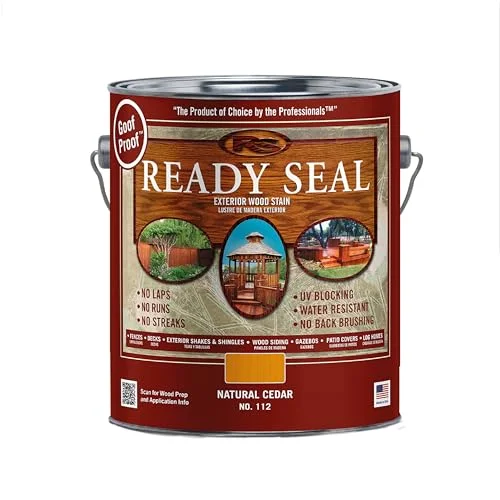 |
Ready Seal 112 Natural Cedar Stain & Sealer – $39.99 The easiest way to fight the silvering and UV fading covered above, without back-brushing or a careful wet-line application.
|
With that out of the way, here is the full rundown of what actually goes wrong with a cedar fence over time.
1. Cost: Cedar Is the Most Expensive Common Wood Fencing Option
Cedar is generally the priciest wood fencing material on the market, and it is not close. You are paying for the natural oils that give cedar its rot and insect resistance, plus a straighter grain and fewer knots than construction-grade lumber. Here is roughly how it stacks up against the alternatives:
| Fencing Material | Approximate Cost (per linear foot) | Notes |
|---|---|---|
| Pine (untreated) | $10 – $20 | Needs significant treatment and upkeep |
| Pressure-Treated Pine | $15 – $25 | Durable, but a less refined look |
| Cedar | $25 – $40+ | Natural beauty, insect and rot resistant, higher upfront cost |
| Vinyl | $20 – $35 | Low maintenance, can get brittle in cold climates |
| Wrought Iron / Aluminum | $50 – $100+ | Very durable and decorative, but the most expensive |
Cedar is not the single most expensive option on this list (that honor goes to wrought iron and aluminum), but it costs noticeably more than pine, pressure-treated lumber, and often vinyl too. Lower grades of cedar exist at a lower price point, but they usually have more knots and less consistent color, so you are trading budget for appearance.
2. Maintenance: Sealing and Staining to Stop the Silvering
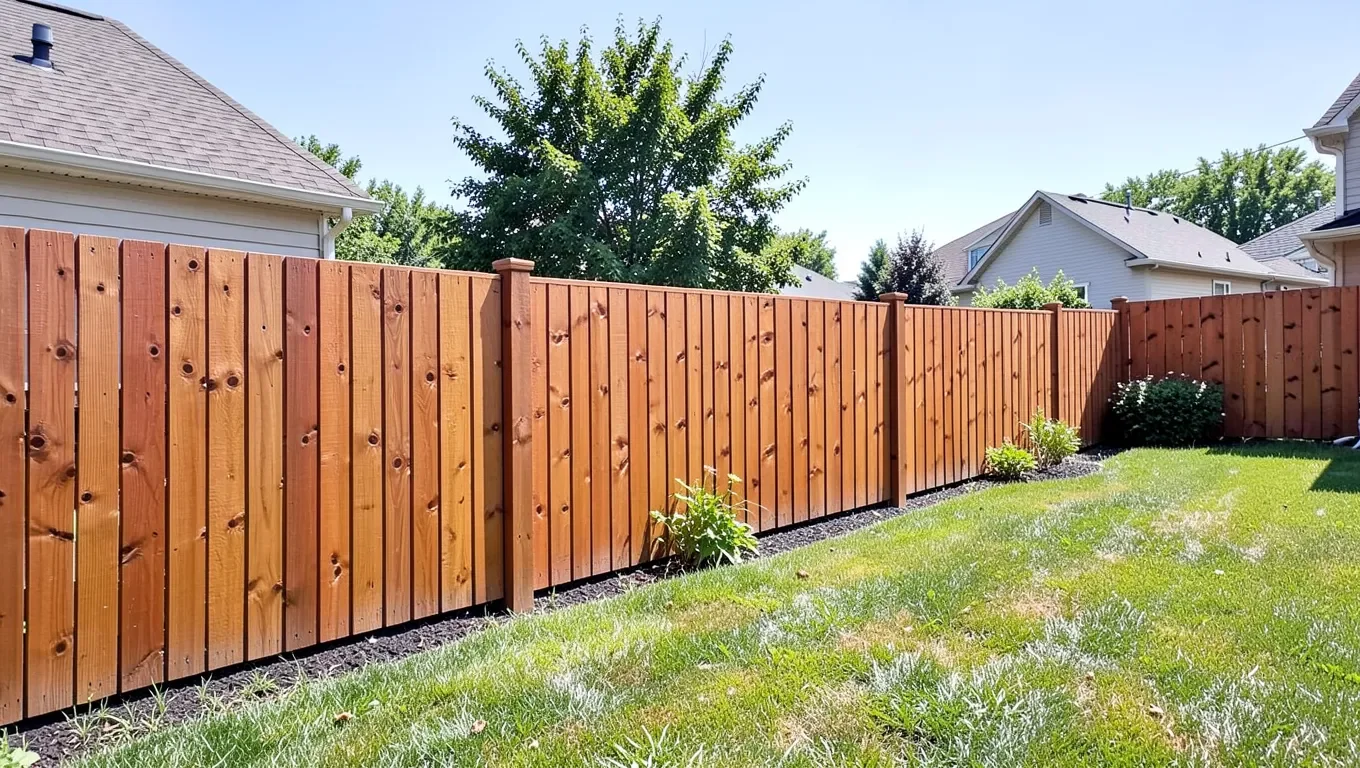
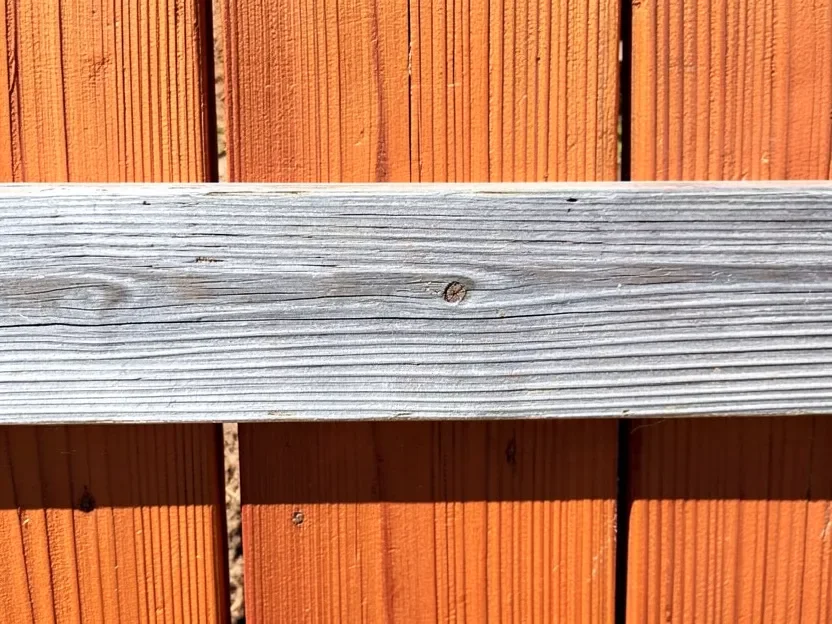
Cedar’s natural oils resist rot and insects, but they do not stop the sun. Left untreated, cedar weathers to a silvery gray within a year or two as UV exposure breaks down the surface oils. Plenty of homeowners like that rustic, driftwood look and never seal their fence at all, which is a perfectly valid choice. If you want to keep cedar’s warm reddish-brown tone instead, you are signing up for a maintenance routine, not a one-time purchase.
- Cleaning: Rinse or lightly power wash off dirt, mildew, and algae before recoating.
- Light sanding: Smooths raised grain and helps the new coat bond evenly.
- Sealant or stain: A UV-blocking exterior product is what actually slows the graying, plain water sealers protect against moisture but do little for color.
- Use pressure-treated posts, cedar boards: Let the below-grade structural posts be pressure-treated for ground-contact durability, and save cedar for the visible, above-ground pickets and rails.
- Buy a premium grade: Western Red Cedar and Alaskan Yellow Cedar have more natural oil content and fewer knots than budget grades, which helps with both durability and appearance.
- Install with a gap: Galvanized or stainless fasteners, a couple of inches of ground clearance, and small expansion gaps between boards all reduce warping, cracking, and rust staining.
- Stick to a sealing schedule: Reseal every 1 to 3 years if you want to keep the color, and inspect annually for loose boards or early mildew so small problems do not turn into big ones.
- Manage what is around it: Trim back shrubs and vines for airflow, and consider metal post boots or a gravel base at ground level to keep posts out of standing water.
Plan on recoating every 1 to 3 years depending on your climate and how much direct sun the fence gets. Skip a cycle and the fence will not fail, it will just gray faster and need more prep work (sanding, brightening) the next time you do seal it.
3. Warping and Cracking as the Wood Moves With the Weather
Wood expands and contracts as humidity and temperature swing, and cedar is no exception. Boards installed without an expansion gap, or exposed to repeated wet-dry or freeze-thaw cycles, can cup, bow, crack, or split over several years. Cedar’s natural oils reduce moisture absorption compared to untreated pine, but they do not eliminate the physical movement. Better installation (proper fasteners, gapped boards, a couple of inches of ground clearance) minimizes this, but it is a real, ongoing risk that vinyl and composite fencing simply do not share.
4. Softness: Cedar Dents and Scratches More Easily Than Hardwoods
Cedar is a softwood, which is exactly why it is easy for DIYers to cut and fasten, and exactly why it dings so easily. A rock kicked up by a mower, a weed trimmer string running along the bottom rail, a dog that likes to scratch or chew at the lower boards, kids leaning a bike against it, all of these leave marks on cedar that a hardwood or composite fence would shrug off. None of this is a structural problem, but if you want a fence that still looks pristine after a summer of yard work and pets, cedar needs more careful handling than tougher materials do.
5. The Overlooked One: Cedar Fence Posts Decay Faster Underground Than Pressure-Treated Posts
This is the disadvantage most cedar fence articles skip entirely, and it matters more than the cosmetic issues above. Cedar’s rot resistance comes from natural oils and tannins in the wood, and those oils do real work above ground: a well-maintained cedar fence can hold up for 30 years or more in that environment. The posts are a different story, because the bottom two feet or so of every post lives underground, or worse, gets set in concrete, where it sits in constant contact with soil moisture and bacteria. Concrete in particular can act as a trap, wicking and holding groundwater against the wood instead of letting it drain and dry between rains.
In that constant-moisture environment, cedar’s natural oils simply run out faster than they do above ground. Realistic numbers: cedar posts in ground contact typically last around 15 to 20 years, while pressure-treated posts rated for ground contact commonly last 20 to 25 years or more in the same conditions. That is why plenty of experienced fence builders mix materials on purpose, using pressure-treated posts for the structural, below-grade part of the fence and cedar boards or pickets for the visible, above-ground sections where the appearance actually matters. We go deeper on these above-ground versus ground-contact numbers, including how utility-pole-grade treated lumber compares, in our cedar vs. treated wood guide.
6. Mold and Mildew in Damp or Shaded Spots
Cedar resists rot better than most woods, but “resistant” is not “immune.” In shady, poorly ventilated corners of a yard, or anywhere the fence stays damp longer than it should (overgrown vines, sprinklers hitting the same section daily, low airflow between the fence and a hedge), mold and mildew can still take hold. It is mostly a cosmetic problem, dark blotchy staining, but persistent growth can slowly break down wood fibers and leave the surface slippery. A low-pressure wash and better airflow (trimming back vegetation, giving the fence a few inches of clearance from dense shrubs) usually solves it.
7. Repairs Are Harder to Match Than With Manufactured Materials
If a board cracks or gets damaged years after installation, finding a replacement that matches is genuinely harder with cedar than with vinyl or composite. Cedar’s color and grain vary board to board and change further as the fence weathers, so a brand-new board dropped into an older section will look visibly different until it weathers in too, which can take a season or more. Keeping a few extra boards from the original installation, stored out of the weather, is the easiest way around this.
How Cedar Stacks Up Against the Alternatives
Cedar vs. pressure-treated pine: PT pine costs less and, as covered above, actually outlasts cedar below the soil line, but it typically has a greenish tint when new and can warp as it dries out. For a full breakdown of how pressure treatment works and where it makes sense beyond cedar comparisons, see our difference between pressure-treated wood and regular wood guide.
Cedar vs. vinyl: Vinyl will not rot, warp, or need staining, and it is close to zero-maintenance. It usually costs more than mid-grade cedar, does not have a natural wood look, and can become brittle and crack on impact in very cold climates.
Cedar vs. composite: Composite blends wood fiber and plastic for a low-maintenance material that holds its color well and resists rot and insects. It costs about as much as cedar or more, and some homeowners find the wood-grain texture noticeably less authentic than the real thing.
Tips to Minimize These Disadvantages
Frequently Asked Questions About Cedar Fence Disadvantages
What is the biggest disadvantage of a cedar fence?
The higher upfront cost combined with the ongoing sealing schedule is the biggest practical drawback for most homeowners. If you are specifically worried about longevity, the bigger issue is that cedar posts set in the ground decay faster than pressure-treated posts, even though the above-ground boards can last decades.
Does cedar rot or get termites?
Cedar’s natural oils and tannins make it genuinely resistant to rot and insects, but that resistance is not absolute or permanent. Given enough constant moisture, severe insect pressure, or simple time, cedar can still rot or attract termites, especially at the ground line where a post never fully dries out.
How often do I need to seal or stain a cedar fence?
Plan on resealing every 1 to 3 years. The exact interval depends on your climate, how much direct sun the fence gets, and the quality of the product used, so an annual inspection is the best way to know when it is actually due.
Do cedar fence posts really decay faster than pressure-treated posts?
Yes, specifically below the soil line. Cedar posts in ground contact typically last around 15 to 20 years, while pressure-treated posts rated for ground contact commonly reach 20 to 25 years or more, because constant soil moisture (and moisture trapped by concrete footings) uses up cedar’s protective oils faster than it degrades the chemical preservative in treated wood.
Will my cedar fence turn gray if I do not seal it?
Yes. Left untreated, UV exposure breaks down the natural oils at the surface and the wood weathers to a silvery gray, usually within a year or two. It is a cosmetic, not structural, change, and many homeowners like the look and skip sealing entirely.
Can lawn equipment really damage a cedar fence?
Yes. Cedar is soft enough that string trimmers can fray or gouge the bottom rail and a mower bumper or a kicked-up rock can dent or chip the boards. Adding a mow strip or protective edging along the fence line is a simple way to avoid most of this damage.
The Bottom Line
None of these disadvantages make cedar a bad choice, they just mean it is not a truly low-maintenance material. Cedar still delivers real natural beauty, a genuine rot and insect resistance, and a fence that can last decades above ground with reasonable care. Go in knowing you are paying a premium upfront, committing to a sealing schedule if you want to keep the color, and, if longevity matters most, pairing cedar boards with pressure-treated posts below the ground line where they actually count.
Sponsored / affiliate links. As an Amazon Associate I earn from qualifying purchases. I may earn additional commission from eligible campaigns.