Best Cutting Board Cleaners for Food Prep: Research Shows
For most home cooks, CLARK’S Natural Cutting Board Spray Cleaner is the best starting point because it is a spray-and-wipe cleaner with food-surface ingredients and an included microfiber cloth, while true sanitizing still calls for a separate sanitizer on compatible boards after raw-meat cleanup.
Knife marks can trap bacteria, odors, stains, and moisture. Regular cleaning clears residue; sanitizing lowers bacteria on compatible surfaces. The right product depends on board material, contamination risk, and the amount of follow-up care the board needs.
Quick comparison
| Product | Badge | Best for | Price | ||
|---|---|---|---|---|---|
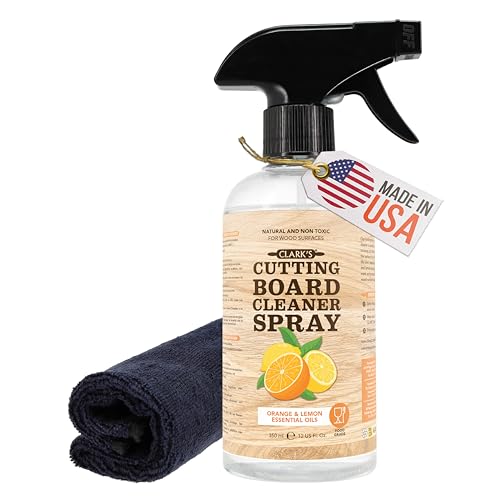 |
CLARK’S Cutting Board Spray Cleaner 12 oz, with MicrofiberCLARK’S | Our pick | 12 oz · Citrus · Microfiber included | $24.99
Price as of 15 Oct 2026
|
View |
 |
CITRATIDE Cutting Board Cleaner Spray – Food Safe Cleaner &CITRATIDE | Budget pick | 16 fl oz · Plant-Based · Citrus | $15.97
Price as of 15 Oct 2026
|
View |
This comparison separates everyday cleaners from true sanitizers. It also shows where wood-only formulas make more sense than multi-surface sprays.
If you need odor control and routine wipe-downs, start with a cleaner. If you need bacteria reduction after raw meat, choose a sanitizer that is labeled for food-contact use and follow its contact time exactly.
How we chose
We compared each option on four points: whether it is a cleaner or a sanitizer, whether the board material fits the label, whether the application method is practical for daily use, and whether it supports long-term board care.
Food-contact safety matters. So does compatibility with wood, bamboo, and plastic. A product can clean well and still be the wrong choice if it dries out unfinished wood or if you use it where true sanitizing is needed.
For the sanitizer side, label claims matter more than marketing language. For the cleaner side, ingredient profile and maintenance value matter more than disinfecting language.
CLARK’S Natural Cutting Board Spray Cleaner: best for everyday cleaning
CLARK’S fits buyers who want a daily cleaner for wood, bamboo, and utensils with a simple spray-and-wipe routine. Based on the published product details, it includes filtered water, distilled vinegar, castile soap, and citrus oil extracts, and it comes with a microfiber cloth for wiping.
The main strength here is routine cleanup. That makes it a strong match for removing light residue, onion odor, and everyday grime without turning every board wash into a heavy-duty sanitizer step.
The drawback is that it is still a cleaner, not a dedicated sanitizer. If you have just cut raw meat on a board, you still need a compatible sanitizing step for the board material before you put it away.
CITRATIDE Cutting Board Cleaner Spray: best for wood and plastic
CITRATIDE is aimed at buyers who want one spray for wood, bamboo, and plastic cutting boards. The published details describe it as food safe, plant-based, and designed to clean and condition, with a simple spray-and-wipe application.
That broader material fit is useful in kitchens with mixed board types. It can be a practical choice if you want one routine cleaner for butcher blocks and nonporous boards alike.
The tradeoff is that a multi-surface cleaner is not the same as a sanitizer. For raw-meat contamination, you still need a product and method that are actually labeled for bacteria reduction on that surface.
How to clean and sanitize a cutting board
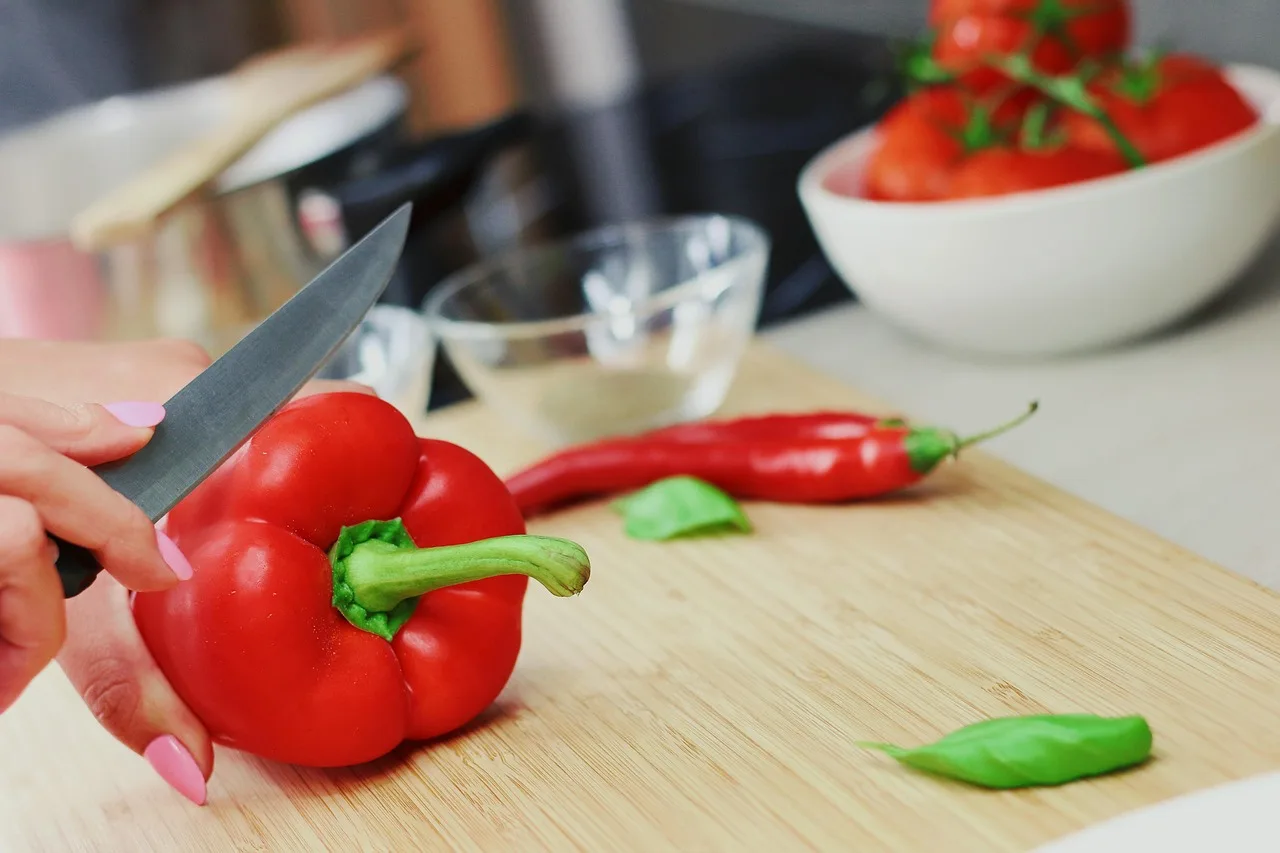
Start by cleaning off visible soil with dish soap and water, then sanitize only if the board is compatible and the food-safety risk calls for it. Cleaning removes residue; sanitizing reduces bacteria. Do not reverse the order, and do not apply a sanitizer over grease or food scraps.
Daily cleaning sequence
Wash the board with warm water and a pH-neutral dish soap, then scrub both faces and the edges. Rinse thoroughly. Dry it right away with a clean towel and stand it upright so air can reach both sides.
That routine is enough for most vegetable prep, bread, and light meal prep. It also helps slow odor buildup and keeps wood from staying damp long enough to cup or crack.
Raw meat cleanup sequence
After raw meat, poultry, or fish, first remove visible residue with soap and water. Then apply a food-safe sanitizer that is labeled for kitchen or food-contact surfaces, and let it sit for the full dwell time on the label before wiping or rinsing if the label requires it.
Say your plastic board handled raw chicken and still smells faintly after washing. The smell does not mean the board is clean enough on its own, and the cleaner step alone does not replace sanitizing on a nonporous board that can take it.
When to rinse
Rinse after washing, and rinse again only if the sanitizer label says to do so. Some sanitizers are meant to air-dry after contact time. Others require a rinse on food-contact surfaces. The label controls the next step.
Drying and storage
Drying matters as much as cleaning. Leaving water on wood boards invites warping, swelling, and surface checking. Store boards upright or in a way that lets both sides dry evenly.
How to sanitize a wooden cutting board
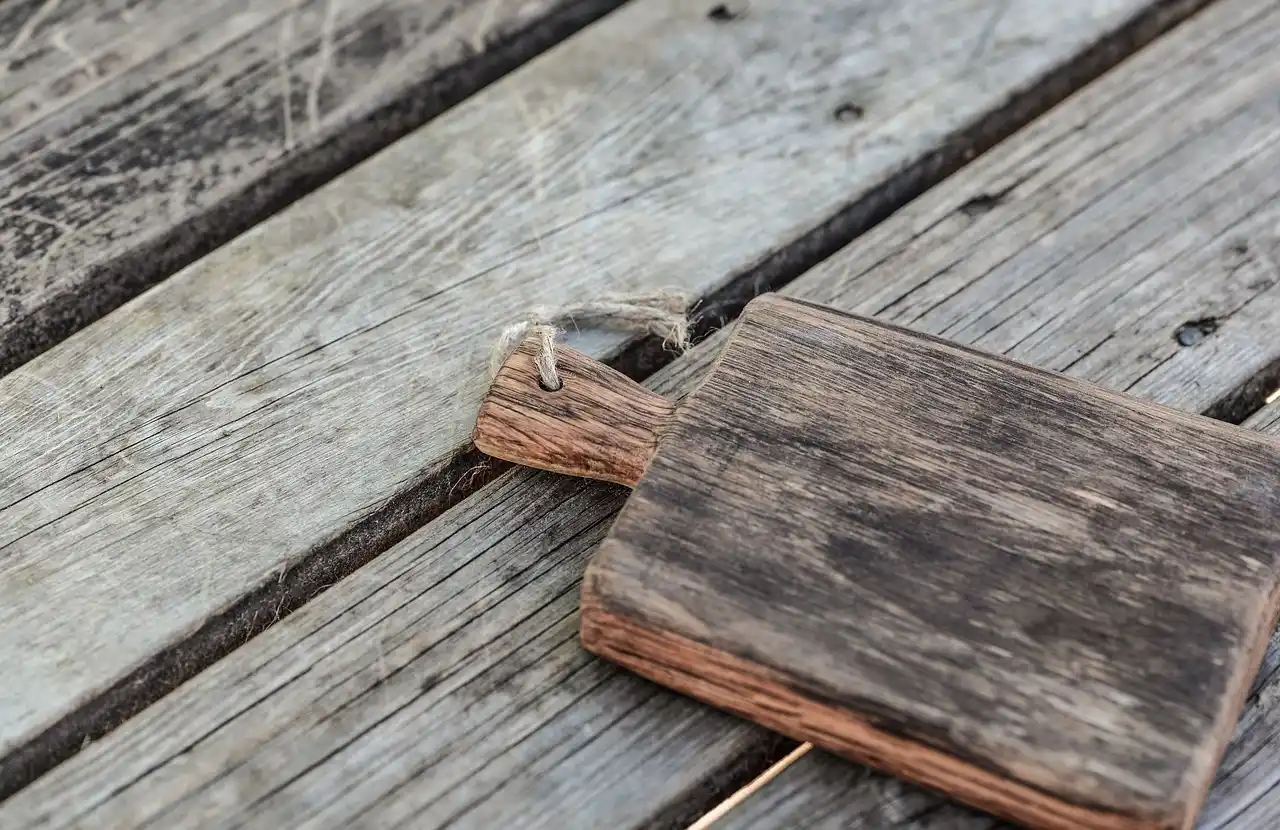
Sanitizing a wooden board makes sense after raw meat or other higher-risk food contact, but only if the sanitizer is compatible with the board’s finish and construction. Use a food-safe product that is labeled for the task, keep the surface visibly clean first, and respect dwell time before wiping or air-drying.
When sanitizing makes sense
Use a sanitizer after raw meat, poultry, fish, or when a board has crossed from raw to ready-to-eat food. Use cleaning alone for onion residue, oil, flour, or routine crumbs. Those are different jobs.
Dwell time and surface contact
The sanitizer must stay wet long enough to work. That contact time is not optional. If the label says spray and wipe, use that method exactly. If it says let the surface remain wet for a set time, do not shorten it.
Jani-Source Bussit Clean is presented as a foodservice surface sanitizer and cleaner, claims to kill 99.9% of kitchen bacteria, uses a spray-and-wipe method, and comes in a 1 quart size. Those are sanitizer-style claims, so it belongs in the higher-risk cleanup category, not the everyday wood-conditioning category.
When to avoid harsh sanitizer
Avoid aggressive sanitizer use on unfinished or heavily oiled wood unless the label specifically says it is safe for that surface. Strong chemistry can strip finish, dull the surface, or leave a board so dry that it needs more maintenance afterward.
That caution matters most on end grain and edge grain boards with open pores, because excess liquid can linger there longer than on plastic. Bamboo also wants careful drying, even though it is harder than many softwoods.
Follow-up oiling
After the board is fully dry, wood boards often benefit from periodic mineral oil or beeswax-based board care. That step helps slow drying and cracking and can support longer service life. Do not oil before sanitizing, and do not oil a board that is still damp.
Cutting board care decision matrix
Use the material first, then choose the job. A cleaner handles residue and odor. A sanitizer handles bacteria reduction on compatible surfaces. Follow-up care keeps the board from drying out, warping, or holding stains.
| Board material | Contamination scenario | Recommended product type | Follow-up care step |
|---|---|---|---|
| Wood, bamboo, or plastic | Raw meat use | Cleaner first, then sanitizer if label allows | Rinse only if required, then dry fully before storage |
| Wood or bamboo | Odor-only cleaning | Cleaner | Air-dry upright; repeat cleaning before food prep if odor lingers |
| Wood, especially older boards with knife marks | Stain removal | Cleaner, not sanitizer | Dry completely, then oil if the surface looks dry |
| Any daily-use board | Everyday maintenance | Cleaner or both, depending on food type handled | Wipe dry after each wash and store where air can circulate |
Note: avoid harsh sanitizer on unfinished or heavily oiled wood unless the product label specifically approves that surface. Unfinished wood can absorb too much liquid. Heavily oiled wood can lose its protective feel if the chemistry is too aggressive.
How to clean a stained cutting board
A stain usually needs cleaning help, not stronger sanitizing. If the color came from turmeric, berries, beets, or onion juice, scrub the area after washing, then let the board dry. If the stain is dark, greasy, or in a groove, the board may need a more careful follow-up.
Surface stains and odor marks
For light staining, a board cleaner can remove residue that plain water leaves behind. For onion odor, repeated cleaning and air-drying often helps more than extra sanitizer. Odor and bacteria are different problems.
Deep grooves and black spotting
Deep grooves can trap residue and moisture. Black spotting on wood may be mold or embedded staining, and it usually signals that the board needs closer inspection. If scrubbing cannot remove it, the board may be past routine care and into replacement territory.
Material-specific caution
End grain boards can hide residue in the open ends of fibers. Edge grain boards are easier to wipe, but knife tracks still collect grime. Bamboo boards are hard but can still split if they stay wet. Plastic boards are easier to sanitize, but deep cuts can become hard to clean fully.
Which one should you buy?
Choose the cheapest option only if it fits the job. A good cleaner is not a sanitizer, and a sanitizer is not a conditioner for a dry wood board. Buy for the board you own and the food you cut most often.
Best budget-minded pick
CITRATIDE is the more flexible cleaner choice if you want one spray across wood, bamboo, and plastic. It suits buyers who care more about daily wipe-downs than wood-only conditioning details.
Best natural cleaner
CLARK’S is the strongest pick for a natural-leaning everyday cleaner. The filtered water, distilled vinegar, castile soap, citrus oils, and included microfiber cloth make it convenient for routine maintenance.
Best sanitizer for higher-risk cleanup
For raw-meat cleanup and foodservice-style sanitizing, Jani-Source Bussit Clean is the clear fit from the available information. Its sanitizer positioning, 99.9% bacteria claim, and spray-and-wipe method make it the better match when bacteria reduction matters more than conditioning.
Best for wood upkeep
Howard Products CBC012 is the wood-first choice among the products covered here. It is described as a cutting board cleaner for wooden boards, uses natural ingredients safe for food surfaces, and is framed around maintenance and conditioning rather than heavy sanitizing.
Picture a 16-inch maple board used for sliced tomatoes at lunch and raw chicken at dinner. The lunch cleanup needs a cleaner; the dinner cleanup needs a sanitizer on a board that can take it, followed by thorough drying and occasional oiling. One product does not replace all three steps.
A common first-timer mistake is spraying a sanitizer onto visible crumbs and calling it done. Clean first, sanitize second, and match the product to the board material. That order matters more than the brand name on the bottle.
Frequently asked questions
What is the cleanest cutting board?
Nonporous boards, especially well-maintained plastic, are usually the easiest to sanitize after raw meat because they do not absorb liquids the way wood can. For everyday cleanup, however, the “cleanest” board is the one you wash promptly, dry fully, and keep free of deep knife grooves.
Sponsored / affiliate links. As an Amazon Associate I earn from qualifying purchases. I may earn additional commission from eligible campaigns.