Teak vs Cedar for Outdoor Furniture
Choose teak for furniture that stays outdoors year-round, especially in wet or sunny climates. Choose cedar for covered or seasonal use when lower cost matters more than long service life. The wrong choice leads to faster cracking, warping, fading, and replacement. This guide compares exposure, upkeep, lifespan, and budget so you can pick the better wood for your yard.
| Factor | Teak | Cedar for Outdoor Furniture | Winner |
|---|---|---|---|
| Weather resistance | High natural weather resistance; commonly left outside all year round | Good outdoors, but more dependent on finish and coverage | Teak |
| Maintenance | Lower upkeep if you accept silver-gray weathering | Higher upkeep if you want color retention and a cleaner surface | Teak |
| Upfront cost | Usually higher | Usually lower | Cedar for Outdoor Furniture |
| Weight | Heavier, which can help furniture stay planted | Lighter, easier to move but easier to shift in wind | Depends on use |
| Stability | Strong, dense, and less prone to denting; heartwood matters most | Less dent-resistant; surface marks show sooner on high-use parts | Teak |
| Repairability | Repairs well, but silica can dull tools | Easier to cut and sand; softer fibers can bruise and dent | Cedar for Outdoor Furniture |
| Appearance retention | Can hold a richer look longer with the right finish, then weather to silver-gray | Colors fade sooner under UV exposure and weather to gray | Teak |
| Best-use scenario | Full-sun, wet climates, or year-round outdoor placement | Covered patio, seasonal furniture, or budget builds | Depends on exposure |
Teak vs cedar: the short answer
Teak is often chosen for fuller exposure and lower upkeep. Cedar makes more sense when budget or easier handling matters more than long service life. Both woods can be used outdoors, but teak is generally reported to handle weather better, while cedar may need more protection if you want it to look good longer.
When teak makes more sense
Teak fits furniture that stays outside through rain, sun, and temperature swings. Its natural oils, dense heartwood, and strong weather resistance make it a better fit for chairs, tables, and benches that see steady exposure.
When cedar makes more sense
Cedar fits a covered patio, screened porch, or seasonal setup where you can limit exposure and accept more upkeep. It is lighter, usually less expensive, and easier to move, which helps for folding chairs, occasional tables, and budget projects.
Outdoor furniture
This decision matrix turns the comparison into a quick check. Use it to match the wood to your exposure level, maintenance tolerance, and budget before you buy or build.
- Full-sun exposure: Teak
- Covered patio: Cedar for Outdoor Furniture
- Lowest budget: Cedar for Outdoor Furniture
- Lowest upkeep: Teak
How teak performs outdoors
Teak is a tropical hardwood with natural oils and strong weather resistance, which is why it is often used for outdoor furniture. It can stay outside all year round, and untreated teak can turn silvery-gray under ultraviolet radiation while still remaining serviceable.
Natural oils and weather resistance
The oils in teak slow water uptake and reduce surface breakdown. That does not make it maintenance-free, but it does mean teak usually resists outdoor exposure better than softer woods, especially when the furniture sees repeated rain and sun.
Heartwood, sapwood, and Janka hardness
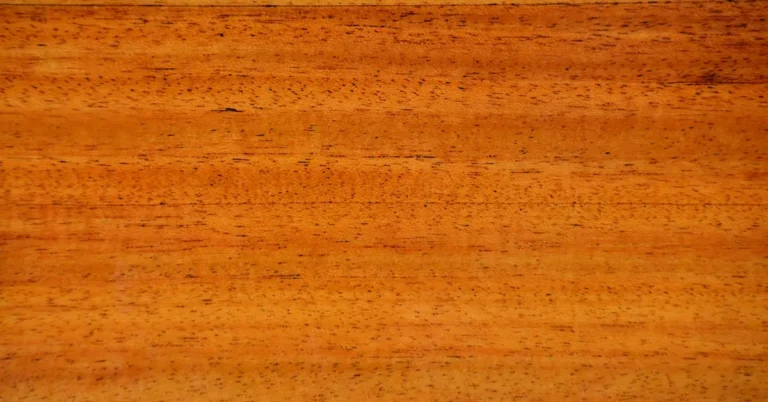
Heartwood is the more durable outer core wood, and it matters most for outdoor performance. Teak color can range from light yellow sapwood to brown-chocolate, red, or black heartwood, and the lighter sapwood is usually narrower, which helps when you are identifying real teak. Its strength properties are similar to oak, and that matters for chair legs, table aprons, and other high-load parts.
Janka hardness helps separate teak from cedar because it gives a practical dent-resistance comparison. On chair arms, tabletops, and seat slats, higher hardness usually means fewer visible dents from daily use.
How teak weathers and what finishes change
Untreated teak can develop a silver-gray patina over the years, and that change comes from UV exposure plus weathering. Oil can slow color loss, but it does not replace structural durability; sealants and UV-protective finishes mainly help the surface keep its tone and resist roughening for longer.
How cedar performs outdoors
Cedar is often used for outdoor projects because it is lighter, easier to handle, and is commonly reported as less expensive than teak. It can work well outside, but it generally needs more maintenance than teak in many use cases, especially if you want to preserve color and limit surface wear.
Why cedar is common for outdoor furniture
Cedar’s lighter weight makes it easy to move, stack, and store. That helps with benches, chairs, and small tables that may be brought under cover between uses, and it also makes cedar a practical budget choice for DIY builds.
Denting, weight, and maintenance demands
Cedar is softer than teak, so dents and edge wear show sooner on legs, arms, and tabletops. For high-traffic furniture surfaces, that matters more than the natural smell or initial color, because repeated use can leave marks that are hard to hide without refinishing.
A common first-timer mistake is choosing cedar for a sun-exposed dining set and then expecting teak-like color retention. If the table sits in full sun, the surface will weather faster, and the finish schedule becomes part of the ownership cost.
Weathering, sealing, and finish limits
Left unfinished, cedar weathers to gray as UV exposure breaks down the surface. Sealing or using a UV-protective finish can slow that change, but it does not make cedar equal to teak in long-term outdoor durability. Finish wear, especially on edges and flat seating surfaces, usually appears sooner on cedar.
What sun, rain, and finishes do to both woods
UV exposure drives the silver-gray look on both woods. Rain, heat, and temperature swings then wear on the finish layer, which changes how long the furniture holds its color, how rough the surface feels, and how often you need to renew the coating.
Oil vs sealant vs UV protection
Oil helps maintain a warm tone, but it needs reapplication if you want the look to stay consistent. Sealants create a stronger barrier against moisture, and UV-protective products slow fading, but all finishes eventually wear outdoors.
For teak, the finish mainly controls appearance. For cedar, finish choice affects appearance and maintenance burden more strongly, because the wood itself offers less resistance to denting and surface wear.
Maintenance intervals that matter
The right interval depends on sun, rain, and how often the furniture is used. Full-sun pieces need the closest attention, while covered patio furniture can usually go longer between touch-ups. If you want low maintenance, teak gives you more margin before a refresh becomes necessary.
Mixed-material fastener issues also matter outdoors. Stainless hardware is usually the safer choice because dissimilar metals and wet conditions can stain wood, loosen joints, or leave black marks around screws and bolts.
Choose teak if you need lower upkeep; choose cedar if you need a lower budget
Choose teak for full-sun furniture, wet climates, and pieces you plan to leave outside most of the year. Choose cedar for covered patio furniture, lighter seasonal pieces, or builds where lower upfront cost matters more than long service life.
Full-sun furniture
Teak is the safer pick here because UV exposure, rain, and repeated wet-dry cycles shorten finish life and change surface color. If you want the furniture to stay outdoors with less attention, teak is the better fit.
Suppose you are building a 6-foot dining table for an open deck with no roof. Teak will usually keep its structure and appearance better than cedar, while cedar will need more frequent finishing if you want to slow gray weathering and surface roughness.
Covered-patio furniture
Cedar becomes more attractive under cover because the wood sees less direct sun and rain. That lower exposure reduces the gap in service life, so the lower price can outweigh teak’s durability advantage for many homeowners.
Picture a pair of lounge chairs under a roof overhang, used mostly on weekends. Cedar can be the smarter buy if you accept that the finish will still need attention and the chair arms will dent sooner than teak.
Budget furniture builds
Cedar usually wins when the budget is tight. It gives you a workable outdoor material at a lower entry cost, and it is easier to move, cut, and repair than teak.
If the goal is a short- to medium-term project, cedar makes sense as long as you plan for sealant upkeep and understand that appearance retention will not match teak.
- Match the wood to the exposure level first.
- Decide whether lower upkeep or lower cost matters more.
- Check whether you need dent resistance for tabletops and chair legs.
- Choose a finish plan before the first season starts.
- Use stainless fasteners and outdoor-rated joinery.

Frequently asked questions
Is teak or cedar better for outdoor furniture?
Teak is better when the furniture will face full sun, rain, or year-round outdoor storage. Cedar is better when budget matters more and the furniture will stay covered or be used seasonally. The right answer depends on exposure, finish maintenance, and how long you want the set to last.
Is teak good for outdoor furniture?
Yes. Teak is one of the stronger outdoor furniture woods because its natural oils and durable heartwood help it handle weather exposure well. It can stay outside all year round, and it generally needs less upkeep than cedar if you are comfortable with the silver-gray patina that UV exposure creates.
Is teak outdoor furniture durable?
Yes, teak outdoor furniture is durable when the structure uses quality heartwood and outdoor-rated fasteners. Its strength properties are similar to oak, and its weather resistance gives it an edge in damp or sunny climates. Finish choice changes appearance more than core durability.
Is teak wood good for outdoor furniture?
Yes. Teak wood is a strong outdoor choice because it combines natural oils, solid weather resistance, and good dent resistance. It is especially useful for tabletops, chair frames, and benches that stay outside often, though silica in the wood can dull tools during building or repair.
Why is teak good for outdoor furniture?
Teak is good for outdoor furniture because it handles UV exposure, moisture, and seasonal weather swings better than many softer woods. It also has a tighter, more durable heartwood structure, which helps furniture keep its shape and resist dents in common wear areas.
Does cedar last outdoors without sealing?
Cedar can last outdoors without sealing, but its appearance and surface condition change faster than teak in many use cases. Left unfinished, it weathers to gray, and it usually needs more maintenance if you want to slow color loss, reduce roughness, or protect heavily used surfaces.
Sponsored / affiliate links. As an Amazon Associate I earn from qualifying purchases. I may earn additional commission from eligible campaigns.