What Color Is Teak Wood When Freshly Cut vs Weathered
Freshly cut teak is often pale yellow-brown to golden brown, and it may darken over time; weathered teak can turn silver-gray on the surface. If a new board is gray through the cut face, that usually suggests the board itself rather than normal aging. Missing that difference can lead you to buy mismatched parts, judge finish needs poorly, or reject sound teak that only needs sanding. This guide tracks teak color from fresh cut to weathered so you can spot normal change and problem boards.
This guide is part of our Mahogany wood guide series.
| Decision factor | What Color Is Teak Wood When Freshly Cut | Weathered | Winner |
|---|---|---|---|
| Best visible color | Pale yellow-brown to golden brown, often uneven at first | Silver-gray on the outer surface | What Color Is Teak Wood When Freshly Cut |
| Color consistency across boards | Varies by heartwood, sapwood, grade, and milling | More uniform at the surface if evenly weathered | Weathered |
| Maintenance needed to keep color | Lower if you want the fresh tone right away, but it still changes with air and light | Higher if you want to hold gray as a stable finish choice or slow further change | What Color Is Teak Wood When Freshly Cut |
| Fit for a warm furniture look | Better starting point for honey-brown furniture and indoor pieces | Better only if you want a silvery outdoor look | What Color Is Teak Wood When Freshly Cut |
| Best fit for outdoor aging | Accepts gradual change as oxidation and UV start the shift | Already at the common outdoor end point | Weathered |
Teak color at a glance: fresh cut, indoors, oiled, and weathered


Teak starts in a warm range, deepens with oxidation, and turns gray on exposed outdoor surfaces if left unfinished. Color is a useful clue, but only if you read the stage correctly. A board can look uneven at first and still be normal teak.
Teak color timeline table
| Stage | What the board should look like | What causes the color | Normal? |
|---|---|---|---|
| Freshly cut | Pale yellow-brown, gold, or light golden brown; may look dark or splotchy in places | Fresh exposure, mineral streaks, sapwood contrast, and early oxidation after cutting | Yes, if the variation matches heartwood, sapwood, or grain |
| Acclimated indoors | Honey brown to medium brown, usually deeper and more even than the cut surface | Oxidation as oils react with air and light | Yes |
| Oiled or finished | Warm golden-brown with more color depth and a slightly richer surface | Oil or finish wets the surface and slows moisture exchange | Yes, if the coating is even |
| Weathered outdoors | Silver-gray on the exposed surface, often with less warmth than before | Oxidation plus UV exposure and weathering over time | Yes for unfinished outdoor teak |
What changes are normal and what should prompt a closer look?
Normal teak color change follows the surface conditions around it. Fresh pieces mellow indoors, finished pieces hold warmth longer, and unfinished exterior pieces drift toward gray. A closer look is warranted when a new board looks gray through the cut face, shows unusually large pale bands, or swings sharply between boards in the same stack.
What color is teak when freshly cut?
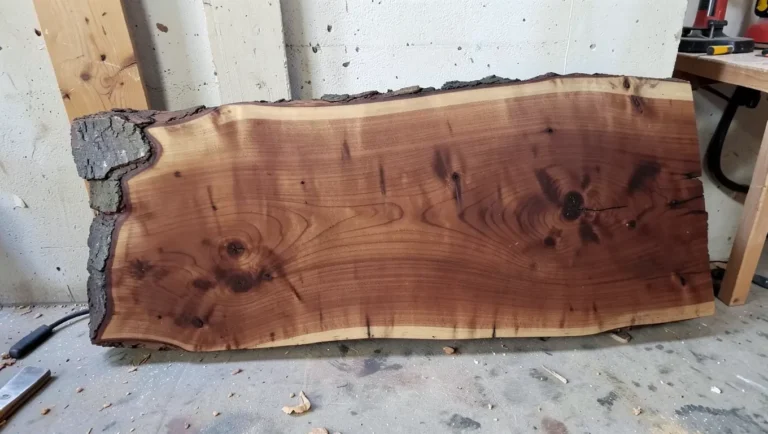
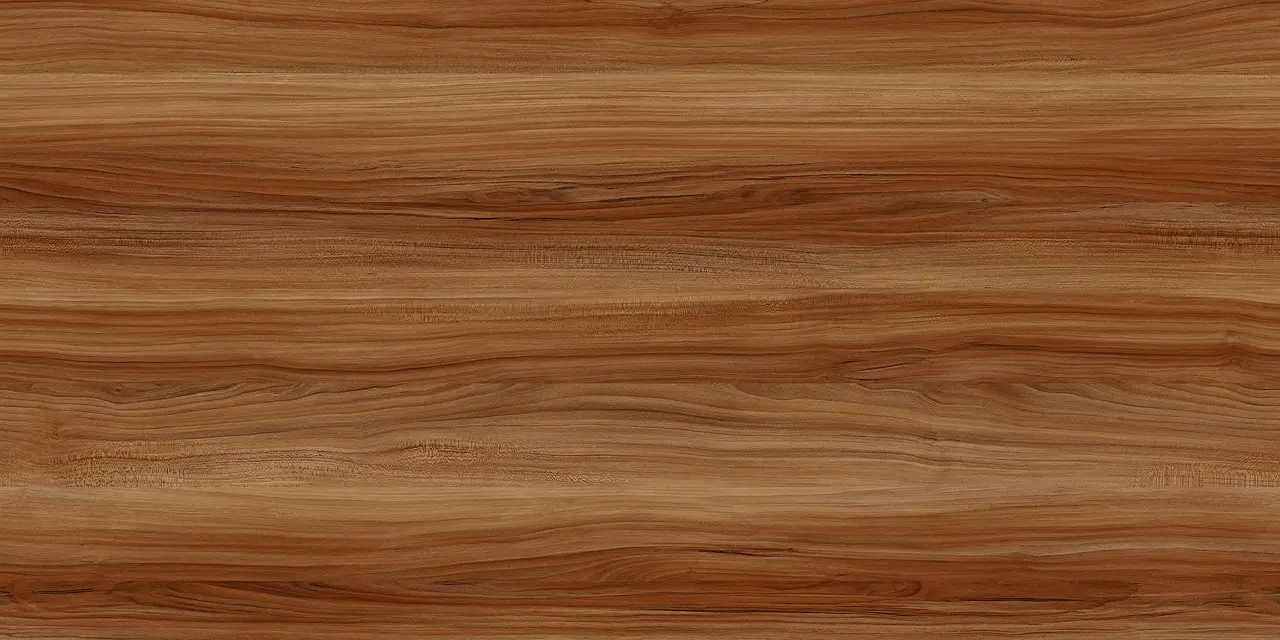
Freshly cut teak is usually pale yellow-brown to golden brown, though it can look darker, lighter, or blotchier depending on the board. The first cut face often looks less even than the finished furniture color people expect, because the exposed surface has not yet reacted fully with air, light, and surface moisture.
Freshly milled teak color range and why it looks uneven
Freshly milled teak can look dark and splotchy with mineral streaks. That is common on a new cut face and does not automatically mean a defect. The tone often settles toward a warmer honey brown after the board is exposed to air and light.
Why oxygen, light, and mineral streaks change the first impression
Oxidation starts as soon as the surface is exposed. Light exposure then shifts the appearance further, and mineral streaks can make one area read darker than another. If the board is mostly heartwood, the color usually looks more stable than a piece with noticeable sapwood or mixed-grade stock.

What is the difference between teak heartwood and sapwood color?
Teak heartwood is the desirable inner wood. It is typically golden to medium brown, darker than sapwood, and contains natural oils and resins that help it resist decay and age toward a deeper patina. Sapwood is the lighter outer wood and often shows up as pale stripes or patches.
Heartwood color and why it is usually the desired portion
Heartwood is the part buyers usually want when they expect a classic teak look. It starts in the warm brown range and tends to darken with age, which is why mature teak furniture often looks richer after it has been indoors or finished. The color is usually more even than mixed material.
Sapwood color, pale striping, and what lower grades can show
Sapwood reads as a lighter outer band, sometimes almost straw-colored beside the heartwood. Lower grades may show more of it, which can create pale stripes or patches across a face. That is not the same as weathering; it is a board-selection issue.
Why does fresh teak look blotchy or streaky?
Fresh teak often looks blotchy or streaky because grade, grain, sapwood content, and mineral streaks do not distribute color evenly. That appearance is common right after milling. It can be normal, but it can also reveal a board made from mixed material rather than tight, uniform heartwood.
Grade, grain, and sapwood content as the main causes
Premium and marine grades are often more uniform in color than select or lower grades. Select grade can show lighter and darker patches, especially if the board includes sapwood or varied grain orientation. The wider the color swing, the more likely the board will need sorting before finishing or installation.
How to separate normal variation from a board-selection problem
A common first-timer mistake is rejecting a sound teak board because the fresh face looks uneven. If the board is mostly golden-brown and the pale areas are limited to thin edges or stripes, that is usually normal. If the board is gray through the cut face or full of broad pale bands, the problem is selection, not aging.
- Look at the end grain first.
- Check whether pale areas are thin sapwood bands or large sections.
- Compare several boards under the same light.
- Decide whether the variation fits the grade you paid for.
How teak changes color indoors over time
Indoors, teak often shifts from pale golden brown toward honey brown and then to a medium brown over time. That shift comes from oxidation, where the wood’s natural oils react with air and light. The change is gradual, and it is part of normal patina formation.
Oxidation and patina: why teak deepens toward honey brown
Oxidation darkens teak over time. A fresh surface often looks brighter at first, then settles into a warmer, more even tone after exposure. This is the stage many buyers describe as the honey-brown look, and it is normal for indoor furniture.
What finishes do to color shift on indoor furniture
A finish changes how teak reads by altering the surface reflection and slowing moisture exchange. A clear finish can keep the color looking fuller and more even, while an oil finish often deepens the warm tone. If the finish is uneven, the color can look patchy or darker in spots.
Does teak turn gray outside?
Yes. Unfinished teak left outdoors usually turns silver-gray on the surface over months to years, and exposed teak can shift to honey brown in days or weeks on a deck before that gray stage arrives. The gray color comes from oxidation and sun exposure, not from a failure of the wood itself.
Why unfinished teak becomes silver gray outdoors
UV exposure speeds the color shift. First, outdoor teak may pull toward honey tones, then the surface steadily moves into a weathered silver-gray appearance. Moisture, sun, and repeated drying cycles all help that change along.
How oil and sealer affect the rate of color change
Oil or sealer can slow the move to gray by reducing exposure to water and air at the surface. Teak oil is often used to preserve the golden tone after cleaning, but it does not reverse graying by itself. Once the wood has weathered gray, the color must usually be cleaned and renewed, not merely oiled.
How to keep teak golden-brown or let it weather naturally
If you want teak to stay warm and golden, clean it and apply oil or sealer before the surface turns heavily gray. If you prefer low maintenance outdoors, leave it unfinished and let the surface age naturally. Both choices are valid, but they suit different uses.
When to oil teak and what oil can and cannot do
Use teak oil after cleaning when you want to preserve the warm tone on furniture or protected outdoor pieces. Oil can help seal and protect the surface, but it does not turn a fully weathered gray board back to fresh brown on its own. That correction takes cleaning and often sanding or refinishing.
When to leave teak unfinished based on use
Leave teak unfinished when the goal is a low-maintenance outdoor surface and a naturally gray finish is acceptable. That choice makes sense for exposed garden furniture, marine trim, and similar pieces. If the look matters more than ease, regular oiling or sealing is the better route.
Why do some teak boards look lighter than others?
Some teak boards look lighter because of grade, sapwood content, board selection, and how recently the wood was cut. Premium and marine grades are usually more uniform, while select grade can show more contrast. Fresh milling can also leave one board brighter than another until oxidation evens things out.
Common causes of lighter boards
Lighter boards often contain more sapwood, or they may have been cut from a part of the log with less mature heartwood. Surface sanding can also reveal a paler layer before oxidation deepens it. If the difference is extreme, mixed stock is more likely than normal aging.
What to inspect before buying or finishing
Check for broad pale streaks, gray-through color, and sharp board-to-board mismatch. Those are signs to sort stock before you commit to a finish schedule. A uniform golden-brown board is easier to match, but a little variation is still normal in real teak.
Should you let teak gray, oil it, or seal it?
Let teak gray if you want the simplest outdoor maintenance and do not mind a silver-gray surface. Oil it or seal it if you want to hold onto the golden-brown look longer. The right choice depends on whether the piece lives indoors, under cover, or fully exposed outside.
Simple decision framework
If the piece is decorative indoor furniture, oiling or finishing usually makes sense. If it is a patio chair, deck item, or marine part that sees sun and rain, leaving it unfinished may be more practical. If you need a stable appearance but less upkeep than oil alone, choose a sealer made for exterior wood.
Common failure signs to watch for
Unexpected gray on a supposedly new board, heavy pale striping, or a finish that turns blotchy can signal a selection or preparation problem. In those cases, re-sanding or re-sorting the boards may fix the look. If the color is uneven because of sapwood, finishing will not make it uniform by itself.
Verdict: choose fresh teak if you want warm color now; choose weathered if you want low-maintenance gray
Choose freshly cut teak if your goal is a golden-brown look, better color matching for indoor furniture, or a surface you plan to finish. Choose weathered teak if you want the classic silver-gray outdoor appearance and prefer less upkeep. For a buyer, the key is simple: warm tone points to fresh or finished teak, while gray on the outer surface points to normal outdoor weathering.
A practical middle ground is to buy uniform heartwood, then decide whether to leave it bare or protect it with oil or sealer. That keeps the color path under your control instead of leaving it to sun and rain.
Frequently asked questions
What color is teak wood when freshly cut?
Freshly cut teak is usually pale yellow-brown to golden brown, but it can read darker or blotchier right after milling. The first face often changes as it sees air and light, so the fresh cut color is only the starting point, not the final look.
Does teak wood turn gray when left outside?
Yes. Unfinished teak left outside normally weathers to silver-gray on the surface. That change comes from oxidation and UV exposure, and it usually happens over months to years rather than all at once.
Why does freshly milled teak look blotchy or streaky?
Freshly milled teak can look blotchy because mineral streaks, grain direction, and sapwood content do not color evenly. Some boards also come from mixed grades, which makes the face look uneven until oxidation settles the tone.
Should teak be oiled to keep its golden-brown color?
Yes, if you want to slow graying and keep the warm tone visible, oiling after cleaning is a common choice. Teak oil helps preserve the color, but it does not reverse gray weathering by itself. Once gray, the surface usually needs cleaning or refinishing.
Is weathered teak damaged or just naturally aged?
Weathered teak is usually naturally aged, not damaged. The silver-gray look is a surface change caused by sun, air, and moisture. If the wood is still sound, weathering is mainly a cosmetic condition unless rot, checking, or loose fibers are present.
Sponsored / affiliate links. As an Amazon Associate I earn from qualifying purchases. I may earn additional commission from eligible campaigns.