Best Woods for Carving (2026): We Compared
Basswood is the better all-around choice for fine detail and beginner control; choose butternut when you want warmer color and relief-friendly depth on larger carvings. Pick the wrong stock and you may fight fuzzy cuts, crushed edges, or a finish that flattens the carving. This guide compares grain, hardness, tool feel, finishing, and the projects each wood suits best.
Quick comparison
| Product | Badge | Best for | Price | ||
|---|---|---|---|---|---|
 |
ACXFOND 2 Pack Unfinished Basswood Carving BlocksACXFOND | Our pick | 12x4x2 in · 2-pack · basswood | $24.99
Price as of 6 Nov 2026
|
View |
 |
KEILEOHO 4 Pack 6 x 3 x 3 Inches Basswood Carving BlocksKEILEOHO | Also great | 6x3x3 in · 4-pack · basswood | $29.99
Price as of 6 Nov 2026
|
View |
 |
3 Pack Basswood Carving Blocks 12x4x2 Inch Large BasswoodYEXEXINM | Also great | 12x4x2 in · 3-pack · basswood | $27.49
Price as of 6 Nov 2026
|
View |
 |
Geytetqi 60 PCS Basswood Carving BlocksGeytetqi | Pair with it | 6x1x1 in · 60 pcs · basswood | $31.99
Price as of 6 Nov 2026
|
View |
 |
BeaverCraft Basswood Carving Blocks BW1 Large Wooden BlockBeaverCraft | Our pick | $41.99
Price as of 22 Nov 2026
|
View |
Basswood is the safer default if you want cleaner knife control, tighter detail, and a predictable surface. Butternut is the better pick when the project needs warmer tone, more visible depth in relief work, and a surface that reads finished without heavy coloring.
| Criteria | Basswood | Butternut |
|---|---|---|
| Grain | Fine, even, and very low-visibility grain; many sources describe it as almost grain-free | Straight grain with occasional waviness; open enough to show texture |
| Hardness | Very soft hardwood; cuts with little resistance | Soft hardwood, but a touch firmer in feel than basswood in many carving blanks |
| Detail holding | Excellent for crisp knife work and small cuts | Good, but open grain can interrupt ultra-fine lines |
| Tear-out risk | Low when the grain runs true; denting can be the bigger issue | Moderate if grain shifts or waviness crosses a cut |
| Color | Pale white to light brown | Light to medium brown, warmer than basswood |
| Finish visibility | Finish can look washed out if the surface is flat or the color is left pale | Finish usually reads richer, with more visible depth in relief work |
| Beginner friendliness | Very high; often the top starter wood | High; still beginner-friendly, but grain matters more |
| Relief carving fit | Good for practice and sharp detail, less dramatic color contrast | Very good for plaques and panels where depth should read clearly |
| Whittling fit | Excellent for small figures and practice cuts | Good for figures, but grain direction needs more attention |
| Best blank format | Surfaced blocks, smooth blanks, and kiln-dried stock | Surfaced boards or crack-free blanks with straight grain and stable moisture |
How we chose
The decision here comes down to grain behavior, hardness, project type, and finish response. Basswood is favored when control matters most. Butternut moves ahead when a warmer surface and better visual depth matter more than absolute ease.
Grain is the first filter. Straight, fine grain supports cleaner detail and lowers chip-out risk; waviness and open grain make the carving read more textured, which can help relief work but complicate tiny details.
Softness matters next. Softer wood reduces hand strain and makes knife and gouge cuts easier, but it also dents more readily and can crush at thin edges. That tradeoff matters when you carve small parts or leave delicate rims.
Project type changes the answer. Relief panels, plaques, whittled figures, and small model parts do not ask the same thing from the wood. A board that looks plain in a flat carving can look better once the relief has shadows and finish.
Stock quality matters as much as species. Look for kiln-dried pieces, surfaced or smooth blanks, and crack-free stock. Knots, worm tracks, warp, and uneven moisture can turn an easy carve into a broken one, no matter which species you choose.
Basswood: best for fine detail
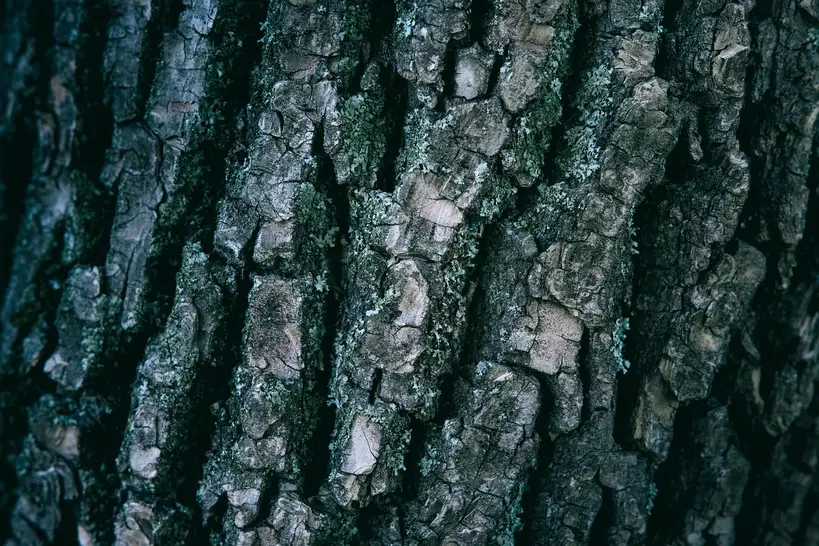
Basswood is the safer default for beginners who want cleaner control around small cuts, figure details, and shallow undercuts. It is a very soft hardwood from the Tilia genus, often sold as linden or limewood, with fine, even grain that helps hand tools track predictably.
For carving, that matters. Fewer grain interruptions mean less chip-out on tight curves, and the pale color makes it easy to see tool marks while you shape. Sources consistently describe basswood as easy to cut with hand tools and suitable for hand carving.
The downside is also simple. Basswood can dent easily, especially on thin edges, noses, fingers, leaves, and other small projections. It can also look washed out if you want the wood itself to supply color; stain usually helps, but only if the surface is sanded and prepared evenly.
Choose surfaced or smooth blocks when you can. For basswood, blocks are usually the most practical format for whittling, small model parts, and test pieces. Before buying, check for flat faces, straight grain, and any hidden checks or compression marks along the ends.
Suppose you are carving a 2-inch face medallion with a knife and shallow gouges. Basswood is the easier place to start because the grain gives fewer surprises, and the pale surface makes it easier to read the cut. A soft edge can still crush if you push too hard.
Best basswood stock formats and what to inspect before buying
For basswood, blocks and larger carved blanks are usually the cleanest buy. Some listings also include many small pieces for practice work, which helps if you want repeated cuts rather than one large project. Availability varies by region, so the best format often depends on what local hobby shops and online sellers carry.
- Choose kiln-dried stock when the listing says so.
- Prefer surfaced or smooth blanks over rough-sawn pieces.
- Inspect end grain for cracks, checking, or worm tracks.
- Look for straight grain when the project needs crisp detail.
- Avoid warped pieces if you plan a flat plaque or panel.
Butternut: best for warm relief work
Butternut is a good carving wood when you want a warmer tone and visible depth, especially on relief panels, plaques, and decorative forms. It is a soft hardwood with a light to medium brown color, and sources describe it as lightweight compared with black walnut and soft enough to shape with hand tools.
Its grain is usually straight, though occasional waviness shows up. That grain gives a more open read in the finished carving, which can be an advantage when the goal is visible depth rather than the sharpest possible edge. It also tends to polish nicely, so the surface can look more finished with less color added.
The tradeoff is detail interruption. Open grain can break the look of tiny cuts, especially across fine facial features, lettering, or narrow background textures. If the grain shifts under the cut, you may need to adjust direction more often than with basswood.
Butternut is strongest when the carving needs depth cues. Relief panels, plaques, and larger decorative figures benefit because the brown tone naturally separates highs and lows. That can reduce the need for heavy stain or strong contrast work later.
Picture a 10-by-14-inch relief panel with leaves, bark texture, and a raised bird. Butternut can help the recesses read deeper after the first pass, while basswood may need more finish contrast to create the same visual separation. If the design includes very fine feathers or lettering, though, basswood still has the edge.
Best butternut stock formats and what to inspect before buying
For butternut, look for boards or flat blanks with straight grain and clean faces. Relief work often benefits from broader stock than whittling does, and a stable board makes layout easier. Choose crack-free pieces with smooth surfaces and avoid blanks that show twist, cup, or end checks.
Because butternut’s grain can vary a little more, the stock choice matters. A board with a clean, straight run will carve more predictably than one with waviness crossing the design. If the listing does not specify moisture content, check the seller’s details before you buy.
Which one should you buy?
Buy basswood if you want the easiest control for small details, practice cuts, and beginner knife work. Buy butternut if your priority is relief carving, visible depth, and a warmer finished look. If the project must feel easy and forgiving, basswood is the safer first choice.
Cost and availability vary by region and by buying format. Basswood is commonly found in hobby supply shops, while butternut may appear more often as boards or larger blanks from carving suppliers. If local stock is limited, choose the better blank rather than the cheaper one with knots or warp.
Say your project is a small bird figure with a 1-inch body and thin wing tips. Basswood is the better bet because the grain is steadier and the thin edges are easier to shape without surprise chip-out. Suppose the same bird is carved as a 12-by-16-inch wall plaque with a raised background; butternut gives the depth more visual weight.
Three common scenarios
- Whittling: Choose basswood for knife control, clean cuts, and easy correction. Use a sharp knife and avoid pushing through cross-grain details.
- Relief panels: Choose butternut when you want the background and raised forms to read with more depth. Use basswood if the panel is tiny or the design is extremely fine.
- Decorative figures: Choose basswood for small, detailed figures and butternut for larger forms that benefit from a warmer color and a more finished look.
A common first-timer mistake is choosing a board with a knot or a worm track because the face looks clean. On a 6-by-8-inch plaque, that defect can sit right where the tool needs to cut a smooth background, and the grain can split or break around it.
Frequently asked questions
What is the best wood for carving, basswood or butternut?
Basswood is the better all-around answer for beginners and fine detail, while butternut is better when the project needs a warmer color and stronger visual depth. If you want the safest start with hand tools, basswood usually wins. If the carving is larger and more relief-focused, butternut often reads better.
Is basswood better than butternut for beginner carving?
Yes, for most beginners basswood is easier to control because the grain is finer and the wood is very soft. That helps with knives and small gouges. Butternut is still beginner-friendly, just a little less forgiving when grain direction changes or the design includes thin, delicate edges.
What is butternut wood good for carving?
Butternut is a strong choice for relief carving, plaques, panels, and decorative figures that benefit from a warmer finish. Its straight grain and soft texture work well with hand tools, and the color gives the surface more depth without heavy staining. It is less ideal for ultra-fine line work.
Is basswood good for detailed carving?
Yes. Basswood is one of the best choices for detailed carving because it has fine, even grain and very soft cutting behavior. That makes it easier to keep knife lines clean and to shape small features. The main limit is that it can dent or crush if you leave edges too thin.
Does butternut carve easier than basswood?
Not usually. Butternut is still easy to carve, but basswood generally gives the lightest tool resistance and the most predictable knife feel. Butternut can feel slightly more forgiving in larger relief work because its warmer color shows depth well, yet basswood remains the easier wood for very fine control.
Where to buy basswood for carving?
Look for basswood in hobby shops, carving supply stores, and online listings that specify smooth, kiln-dried blanks. Blocks are common for whittling and practice, while larger blocks suit bigger figures. Availability varies by region, so compare the blank format, grain description, and condition before buying.
Sponsored / affiliate links. As an Amazon Associate I earn from qualifying purchases. I may earn additional commission from eligible campaigns.