Best Woods for Pizza Ovens (2026): research shows
For most pizza ovens, the best wood is kiln-dried hardwood with moisture under 20%, especially oak, maple, ash, or beech; choose oak or beech for longer coal life, and maple or ash for faster heat-up with cleaner flavor. Bad fuel slows preheat, weakens floor heat, and can leave soot or off flavors on the crust. This guide compares woods by heat-up speed, coal life, and flavor neutrality so you can pick the right fuel for your oven.
This guide is part of our Wood burning guide: tools, techniques, and safety series.
Quick comparison
| Product | Badge | Best for | Price | ||
|---|---|---|---|---|---|
 |
Kona Pizza Oven Wood Pellets, Apple & Oak Blend, 2 lb, forKona | Also great | Apple & Oak pellet blend · 2 lb bag | $16.95
Price as of 14 Oct 2026
|
View |
 |
FiveOaks Firewood Kiln Dried Oak Pizza Oven Wood, Mini 5FiveOaks Firewood | Our pick | Kiln-dried oak splits · 5 inch mini logs | $36.99
Price as of 14 Oct 2026
|
View |
 |
Smoking Wood Chips Variety Pack – Apple, Cherry, Hickory &KORELION WOOD | Pair with it | 4-flavor variety pack · 1.6 lb each bag | $34.96
Price as of 14 Oct 2026
|
View |
 |
Woodover Pizza Oven Wood – Kiln Dried White Oak Logs, 6Woodover | Upgrade pick | Kiln-dried white oak logs · 6 inch · 12 lb | $32.99
Price as of 14 Oct 2026
|
View |
Kiln-dried hardwood is the default because it burns hot, lights reliably, and is less likely to stall the fire before the floor reaches baking temperature. For faster heat-up, ash is the practical pick; for longer floor-temp hold, oak and beech usually make more sense.
The right fuel depends on oven size and session length. Small portable ovens need quick ignition and fast recovery. Larger outdoor ovens benefit from longer coal life and steadier heat.
📊 The article says the target oven floor is about 900°F. Source: Best Wood for a Pizza Oven (2026): What to Burn (and Never To).
How we chose
This comparison uses a few practical filters for a live-fire pizza oven: moisture content, ignition speed, coal production, and flavor neutrality. Those factors change how fast the oven reaches about 850°F to 950°F floor heat, how long it stays there, and how much smoke reaches the crust.
Oven type matters too. A small portable oven needs quick heat and predictable recovery between pies. A larger outdoor oven can use a longer-burning wood that builds a deeper coal bed and holds the deck temperature more evenly.
Flavor matters, but only as a secondary filter. Most pizza ovens work best with neutral hardwood. Strong smoke should stay occasional and controlled, not constant.
Kiln-dried hardwood: best overall
Kiln-dried hardwood is the safest default for most pizza ovens because it burns clean and hot when the moisture content sits below about 20%. That gives you a better chance of reaching the target floor temperature, which is about 900°F for a fast Neapolitan-style bake.
This choice fits both portable and larger outdoor ovens. In compact ovens, kiln-dried hardwood helps you avoid temperature stalls; in bigger ovens, it gives you a cleaner coal bed and fewer smoky swings during a longer service.
The main drawback is simple: not all kiln-dried wood behaves the same. Split size, species, and storage still matter, so the label alone is not enough if the pieces are oversized or have absorbed moisture after delivery.
Oak: best for steady heat hold
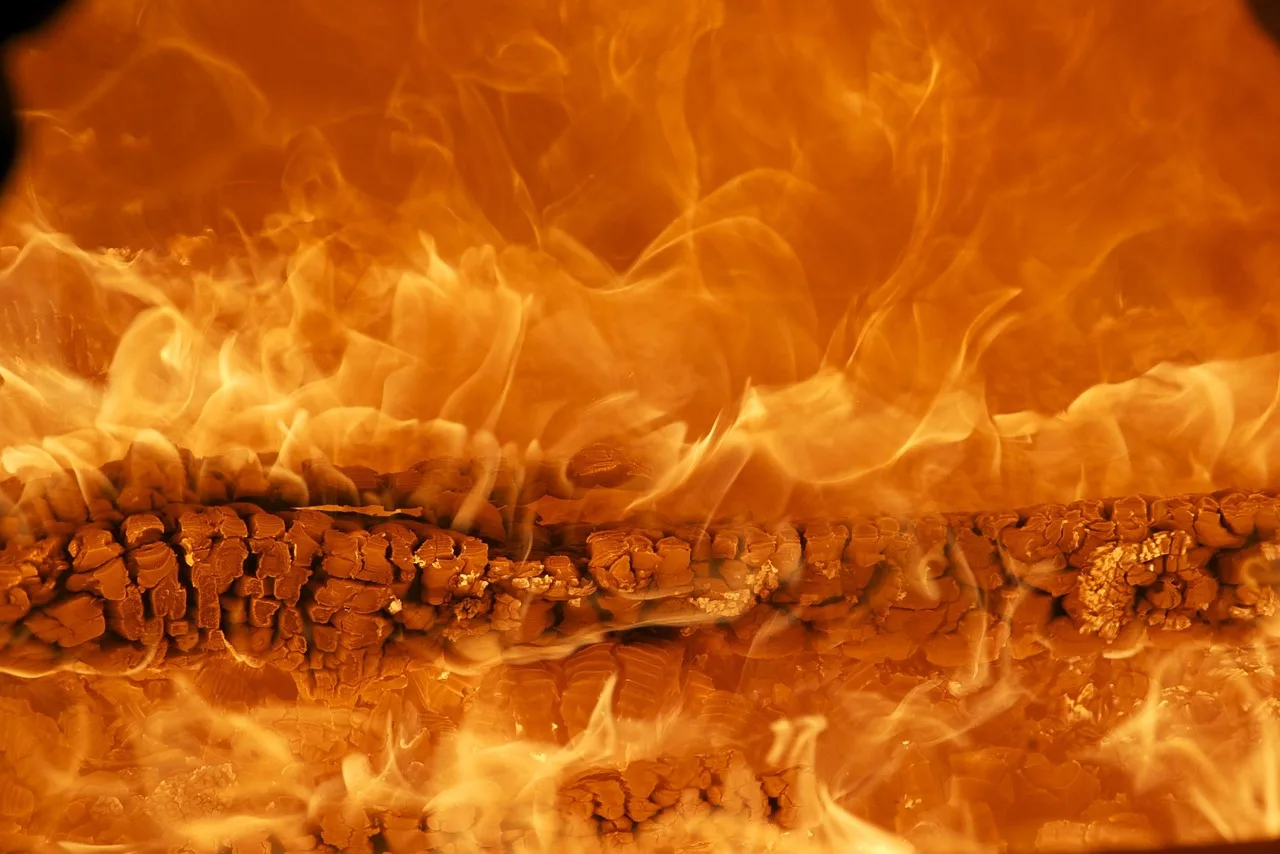
Oak is one of the best hardwoods for longer bakes because it burns steadily and leaves a coal bed that supports floor-temp hold. If you want fewer firebox reloads and a more neutral smoke profile, oak is usually a strong choice.
Oak makes more sense than faster-burning woods when you are cooking several pies in a row or working in a larger oven that benefits from a stable coal bed. It is also a practical default when flavor neutrality matters and you do not want the fuel to fight the toppings.
The drawback is slower response. Oak is not the quickest way to get a cold oven hot, so a small portable oven may feel sluggish during the first part of the preheat compared with ash.
Ash: best for fast heat-up
Ash is a good pick when you want quicker ignition and a faster climb toward baking temperature. It lights readily, builds heat fast, and works well in smaller ovens where you need the dome and floor hot before the first pizza goes in.
This wood is especially useful if you value speed more than long coal life. In a portable oven, ash can get the fire established sooner, then you can switch to a longer-burning hardwood once the oven is up to temp.
The tradeoff is shorter burn duration than oak in many setups. That means more attention during a long session, and it can be a weaker standalone choice for large outdoor ovens that need sustained floor heat.
What wood should you avoid?
You should avoid softwoods such as pine, cedar, fir, and spruce, along with green or wet wood and any painted, stained, treated, or construction lumber. Softwoods can be resinous and smoky, while wet wood smolders and steams instead of driving the oven toward pizza-making heat.
Moisture matters more than species. Kiln-dried wood sits below about 20% moisture, while green wood can be around 40% moisture or more, which makes it far more likely to stall preheat and coat the oven with soot.
A common first-timer mistake is loading a small portable oven with damp offcuts because they look dry on the outside. The fire seems to start, then the flame turns lazy, white steam appears, and the floor never gets near the temperature needed for a proper bake.
Wood selection matrix
This matrix compares common pizza-oven fuels by performance, not by species name alone. Use it to match the wood to your oven size, service length, and tolerance for smoke.
| Fuel | Ignition speed | Burn duration | Coal production | Flavor intensity | Best use case |
|---|---|---|---|---|---|
| Kiln-dried hardwood | Fast to moderate | Moderate to long | Good | Low | Best all-around choice for most ovens |
| Oak | Moderate | Long | High | Very low | Larger ovens and longer sessions |
| Maple | Moderate | Moderate to long | Good | Low | Balanced choice for portable or outdoor ovens |
| Ash | Fast | Moderate | Moderate | Low | Quick heat-up in compact ovens |
| Beech | Moderate | Long | Good | Very low | Clean burn and steady heat hold |
| Food-grade hardwood pellets | Fast in pellet-fed ovens | Moderate | Moderate | Low | Pellet ovens only |
| Lump hardwood charcoal | Moderate | Long | High | Low to moderate | Multi-fuel ovens needing steady base heat |
Ignition speed matters most in portable ovens. Coal production matters most in larger ovens, where a stable bed helps the floor recover between pies. Flavor intensity should stay low unless you want a slight smoke note from a carefully managed small chunk of wood.
Say your oven is a compact portable unit and you want the first pizza out quickly. Ash or kiln-dried hardwood is the more practical path, because both help you reach cooking heat without waiting on a deep coal bed.
Suppose you are feeding a large backyard oven for a family dinner. Oak or beech usually gives you steadier heat hold, so the third and fourth pies do not suffer from a fading fire.
What about pellets and charcoal?
Food-grade hardwood pellets are a good option for pellet-fed ovens, but only if they are 100% hardwood and intended for cooking. Do not confuse them with heating or stove pellets, which may contain binders or additives that do not belong in food cooking.
Lump hardwood charcoal can help in multi-fuel ovens because it gives a steady heat base that pairs well with a wood chunk on top. That setup can improve consistency, but charcoal is not a full substitute for the live wood flame that many pizza ovens need for top heat and browning.
The drawback with pellets is that the wrong bag can be a poor fit even if it looks similar. The drawback with charcoal is that it can shift the flavor and heat profile away from the cleaner wood-fired result some cooks want.
Which one should you buy?
If you want the simplest default, buy kiln-dried hardwood and start with oak, maple, ash, or beech. If you want the fastest heat-up in a small oven, ash is the easiest place to start. If you want the longest, steadiest heat hold, oak or beech is usually the better bet.
For an Ooni-style portable oven, a quick-igniting hardwood often makes the most sense because the oven needs rapid preheat and fast recovery. For a larger outdoor oven, prioritize coal life and floor-temp hold instead of chasing the fastest flame.
Cost per session depends more on oven size, preheat time, and how aggressively you run the fire than on species alone. A denser hardwood may cost more up front, yet it can reduce reloads, improve consistency, and waste less fuel during a long cook.
Keep storage simple. Buy split pieces sized for your firebox, keep them dry, and avoid mixing in mystery wood just because it is available. The right fuel is the one that gives you a hot, clean burn with the least drama.
Frequently asked questions
what is the best wood for a pizza oven
Kiln-dried hardwood is the best default for most pizza ovens because it burns hot, lights reliably, and supports the high floor heat needed for a fast bake. Oak, maple, ash, and beech are the safest species choices. Moisture content matters more than the species name on the label.
what is the best firewood for a pizza oven
The best firewood is kiln-dried hardwood with moisture below about 20%. That gives you cleaner combustion, less smoke, and better odds of reaching about 850°F to 950°F floor heat. For a long session, oak or beech usually holds up well.
what is the best wood for a wood fired pizza oven
For a wood-fired pizza oven, the best wood is a dry hardwood that fits the oven’s job. Ash helps with fast heat-up, while oak and beech are better when you want longer coal life. If flavor neutrality matters, keep the smoke light and the wood clean.
what is the best wood for an ooni pizza oven
For an Ooni-style portable oven, ash or kiln-dried hardwood is often the most practical choice because those woods help the oven come up to temp quickly. If you want longer heat hold, oak is a strong follow-up fuel. Avoid wet or resinous wood, which can stall the fire.
what is the best wood to use for a pizza oven
The best wood to use is kiln-dried hardwood, especially oak, maple, ash, or beech. That mix gives you reliable ignition, cleaner burn behavior, and a better chance of keeping the oven in the pizza zone. Use pellets only in pellet-fed ovens, and only if they are food-grade hardwood pellets.
what wood is best for pizza ovens
Oak is often the best all-around answer for pizza ovens that need steady heat, while ash is better when speed matters. Maple and beech sit close to oak in behavior and are good neutral options. The right pick depends on whether you need quick heat-up or longer floor-temp hold.
Sponsored / affiliate links. As an Amazon Associate I earn from qualifying purchases. I may earn additional commission from eligible campaigns.