5 Best Woods for a Fire Pit (2026): research shows
The best wood for a fire pit depends on your pit and goal: use kiln-dried hardwoods like oak or maple for the hottest, longest burn, and dry ash or birch for lower smoke. Wet or resin-heavy wood makes more smoke, leaves more creosote, and gives weaker heat. This guide matches firewood to steel, stone, and portable fire pits for lowest smoke, hottest burn, and best aroma.
This guide is part of our Wood burning guide: tools, techniques, and safety series.
Quick comparison
| Product | Badge | Best for | Price | ||
|---|---|---|---|---|---|
 |
WFLUOLUO Pre-Cut 5” Lengths Mini Firewood,Pine Kiln DriedWFLUOLUO | Our pick | Pine · 5-inch · Kiln-dried | $21.99
Price as of 9 Oct 2026
|
View |
 |
Kiln-Dried Oak Wood for Pizza Ovens, 8-Inch Barkless Logs,VERSAWOOD | Upgrade pick | Oak · 8-inch · 15 lbs | $42.99
Price as of 9 Oct 2026
|
View |
 |
GAVISCITY 30 Inch Firewood Rack Outdoor Indoor with HandleGAVISCITY | Pair with it | 30-inch rack · Heavy duty | $37.99
Price as of 9 Oct 2026
|
View |
 |
Stove Gasket Tape, Wood Stove Gasket, 1" Wide, 1/8" Thick,Protalwell | Also great | 1-inch wide · 72 inches long | $11.99
Price as of 9 Oct 2026
|
View |
 |
Western BBQ Smoking Wood Chips Variety Pack Bundle (4)-Western | Budget pick | 4-Flavor bundle · Apple, Mesquite | $27.99
Price as of 9 Oct 2026
|
View |
Use this chart to match wood to the job, not to chase one universal “best.” Moisture content matters a lot, alongside species, and it can matter even more in smokeless designs where airflow is tightly controlled.
For a fire pit used around kids or guests, start with dry, low-spark wood. For cooking, favor cleaner-burning hardwoods with predictable coals and flavor that stays pleasant rather than sharp.
How we chose
These choices are based on four practical filters: smoke output, heat and burn time, ignition ease, and value based on common availability. The goal is a safer, cleaner fire rather than the fanciest species name.
Wood moisture content is the first check. Then species, then cut size, then storage history.
Decision table: common firewood choices by smoke, heat, ignition ease, and use case
| Wood choice | Smoke | Heat | Ignition ease | Best use case |
|---|---|---|---|---|
| Oak, kiln-dried | Low | High | Moderate | Standard fire pits, longer fires, cooking coals |
| Ash, seasoned or kiln-dried | Low to moderate | Medium-high | Easy | Casual fire pits, quick starts, steady coal bed |
| Maple, kiln-dried | Low | Medium-high | Moderate | Lower-smoke ambience and steady burn |
| Cherry, kiln-dried | Low to moderate | Medium | Moderate | Cooking, aroma, smaller social fires |
| Seasoned mixed hardwood | Moderate | Medium-high | Moderate | Good value when properly stored and dry |
| Green wood | High | Low | Poor | Avoid for fire pits |
| Fatwood kindling | Moderate | High as starter | Very easy | Ignition aid, especially in damp weather |
| Common softwood, dry | Moderate | Medium | Easy | Starter fuel, fast ignition, short casual fires |
Kiln-dried oak: best overall for most fire pits
Kiln-dried oak is often a practical default for many buyers because it tends to light reliably for a hardwood, burn hot, and give you a long fire with less smoke than wet wood. Oak is a common fire pit hardwood for slow, high-heat fires and is a strong choice when you want a longer burn.
It fits standard steel, stone, and portable pits well. That makes it the broadest “best” answer for general use.
The drawback is that oak is denser than ash or softwood, so it usually needs better kindling and a hotter coal base to get going. If your main goal is the easiest first flame, oak is not the fastest starter.
Why oak is a strong default choice
Hardwood firewood generally burns longer and hotter than softwood, and properly dried oak follows that rule well. Kiln-dried firewood has had moisture reduced by the kiln process, so it burns more evenly and cleanly than fresh-cut wood.
That combination matters in a backyard fire pit where smoke drifts toward seating. Lower moisture means easier lighting, steadier flames, and fewer sparks than green wood.
When oak is not the best pick
Choose something else if your priority is quick ignition, delicate aroma, or a very low-smoke cooking fire. Oak can be a bit stubborn in damp weather unless you have dry kindling and good airflow.
If your pit is a small tabletop model, oak logs may also be too large or too slow for practical use.
Ash: best for easy lighting and a steady coal bed
Ash is a strong choice when you want a fire that starts more easily than many dense hardwoods and settles into a steady coal bed. It is popular fire pit wood because it balances simple lighting with dependable heat.
For casual evening use, ash often feels less fussy than oak. It is a good middle ground for people who want a cleaner burn without fighting the fire all night.
The tradeoff is that ash usually does not hold the same long, slow burn profile as oak when both are perfectly dry and cut to similar size.
Why ash works well for casual fire pit use
Ash lights faster because its structure is less demanding at the start than very dense hardwoods. Once lit, it gives you a steady burn that supports a usable coal bed for roasting or keeping a group warm.
That makes ash useful when you want a fire pit wood that behaves predictably without needing constant tending.
Who should choose ash over oak
Choose ash if you value easier ignition, less fuss, and a practical fire for a smaller gathering. It is also a good option when you want a fire that reaches usable coals sooner than oak.
If you are buying for a mixed-purpose pit where some smoke is acceptable but you still want hardwood performance, ash is a sensible pick.
Maple: best for lower smoke and a steady burn
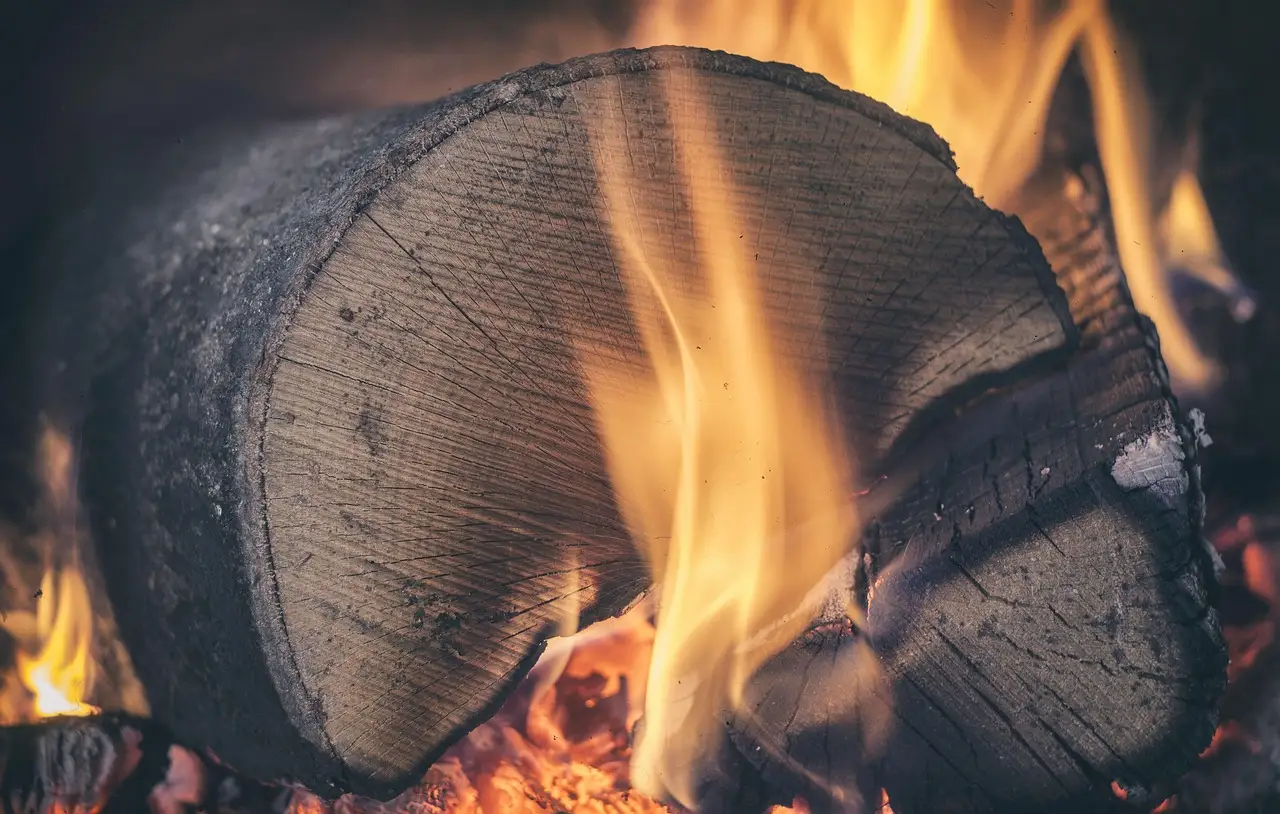
Maple is a good lower-smoke option when it is seasoned or kiln-dried, and it can give you a long-lasting, steady burn with a mild aroma. That makes it a strong choice for people who care more about comfort and less about a very aggressive fire.
Wilson maple firewood is described as low smoke, long-lasting, and kiln dried, which fits that use case well. The honest drawback is that maple is not usually the easiest species to ignite compared with lighter kindling or ash.
For standard fire pits, maple is best when you want a cleaner backdrop fire for conversation. For smokeless pits, it works well only if the wood is very dry and split to the right size.
Maple for a cleaner, steady burn
Maple sits in the practical zone between fast-lighting wood and very dense long-burn hardwoods. It is often chosen when smoke reduction matters, because dry maple tends to behave cleanly and predictably.
That makes it useful around children and larger groups, where smoke and sparks are more than a minor annoyance.
Cherry for aroma and cooking
Cherry is often used for fire pits and cooking because it gives off a fruity aroma and burns cleaner when dry. Old Potters kiln-dried cherry logs are described as about 8 by 2.5 inches and as great for cooking, which suits smaller fires and food-focused setups.
The drawback is that cherry is usually chosen for character, not maximum heat. If you want the hottest, longest fire, oak is the better default.
Why dry wood matters more than species alone
Species matters, but moisture content matters first. A dry softwood log can outperform a damp hardwood log for startup and smoke control, while a wet hardwood can smoke heavily and light poorly.
That is why kiln-dried or properly seasoned wood should come before species name in your buying decision.
What is the best wood for a smokeless fire pit?
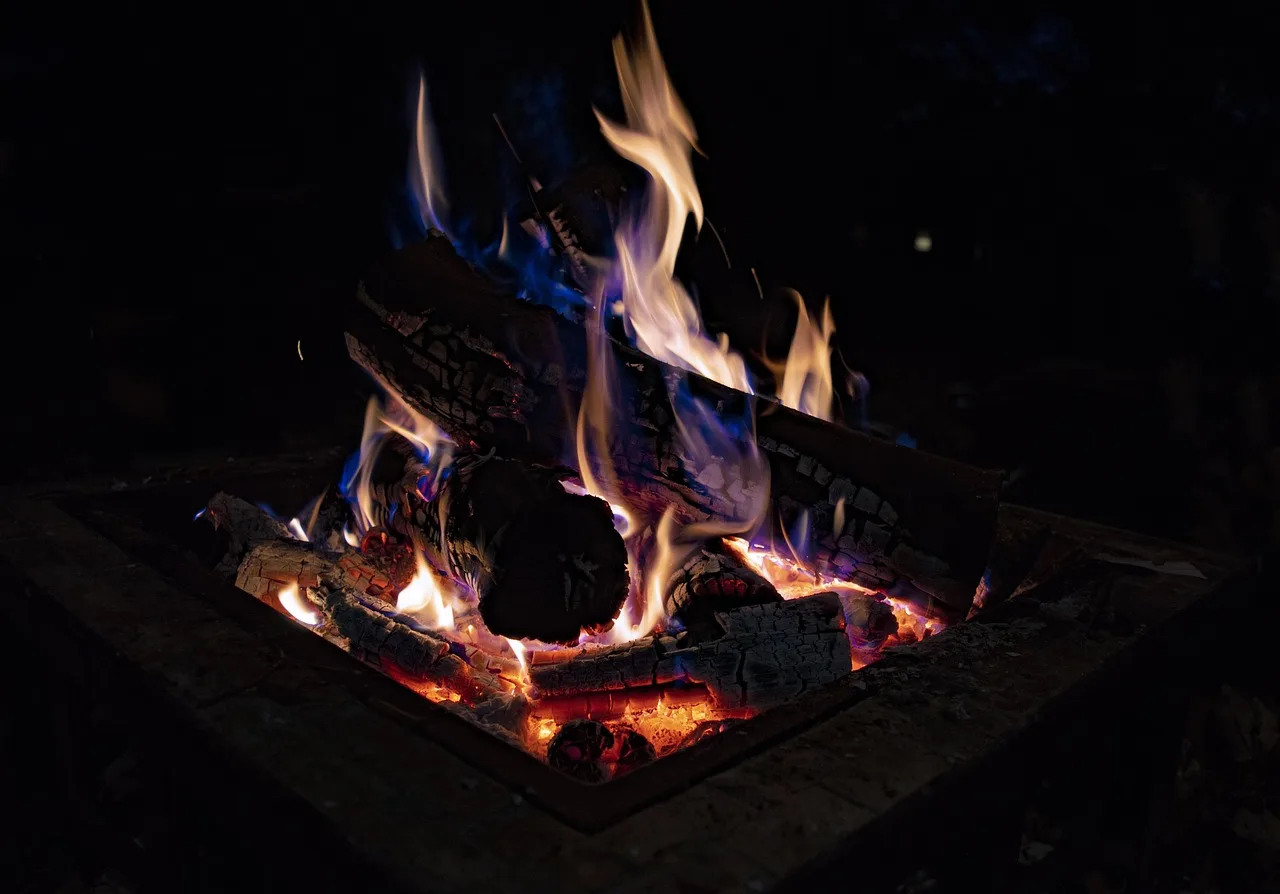
The best wood for a smokeless fire pit is very dry hardwood, usually kiln-dried oak, maple, or ash, cut to fit the pit’s airflow pattern. Smokeless pits still need dry fuel because moisture creates smoke before the fire reaches the hot, clean secondary burn those pits rely on.
Why smokeless pits still need dry fuel
Smokeless fire pits reduce smoke by improving airflow and burning gases more completely, but they cannot fix wet wood. If the fuel is damp, the fire wastes energy boiling off water before it can burn cleanly.
That leads to smoke, weaker heat, and more soot on the pit.
Which woods work best in smokeless designs
Dense, kiln-dried hardwoods usually work best because they produce strong heat with less excess moisture. Oak is the safest all-around pick, while ash and maple can be easier to start and still stay relatively clean.
Cherry can be a good option for a smaller smokeless fire where aroma matters, but it is not the top choice for raw heat.
What to avoid in a smokeless fire pit
Avoid green wood, wet split logs, painted scraps, treated lumber, pressure-treated wood, and moldy material. Those fuels create more smoke and can release unwanted compounds.
Also avoid oversized logs that choke airflow. Smokeless pits need room for oxygen to move.
How we chose these firewoods
The comparison favors woods that are dry, common, and practical for actual fire pit use. It also separates fire goals, because the best fuel for a cooking fire is not always the best fuel for a long social fire.
Smoke output
Smoke is driven mostly by moisture content, then by species. Lower-smoke woods are better for comfort, safety, and visibility around groups.
Heat and burn time
Dense hardwoods generally burn longer and hotter than softwoods. That makes oak a strong choice for longer fires and cooking coals.
Ignition ease
Ash and fatwood help if you want a faster start. Fatwood has high resin content and is useful as a fire starter for campfire and fireplace use, especially in wet weather.
Availability and value
Common hardwoods tend to give the best value because they are easier to source in seasoned or kiln-dried form. Value is better when the wood is dry enough to light cleanly the first time.
Say your fire pit is 24 inches wide and you want a low-smoke evening with four adults around it. Kiln-dried maple or oak is a better buy than cheap green wood, because the first one gives a calmer, cleaner burn and the second one usually makes the whole group shift away from the smoke.
A common first-timer mistake is buying any split wood that “looks dry.” If the ends are dark, the pieces feel heavy for their size, or the fire hisses and steams after lighting, the moisture content is still too high.
Which one should you buy?
If you want the lowest smoke, buy kiln-dried maple or kiln-dried oak. If you want the hottest, longest fire, buy kiln-dried oak. If you want the best aroma for cooking, choose kiln-dried cherry. If you need the easiest startup in damp weather, pair dry ash or a softwood starter with fatwood kindling.
Best wood for the lowest smoke
Choose kiln-dried maple first, then kiln-dried oak or ash. All three can burn cleanly when dry, but maple tends to fit the low-smoke, easy-comfort brief especially well.
Best wood for the hottest, longest fire
Choose kiln-dried oak. It is dense, burns slowly, and holds heat well, which makes it the strongest all-purpose hardwood default for standard fire pits.
Best wood for cooking over fire
Choose kiln-dried cherry for aroma, or kiln-dried oak for stronger coals and longer cooking time. Cherry is often preferred when flavor and scent matter more than maximum heat.
Best starter setup for wet weather
Use fatwood kindling, then add a dry hardwood like ash or oak once the fire is established. Fatwood’s resin helps ignition, but it is a starter, not a full replacement for good firewood.
How to judge if wood is dry enough
Look for split ends, lighter weight, and cracks that run with the grain. Wood that has been air-dried over time is seasoned firewood; kiln-dried wood is dried faster and more consistently. Both are better than green wood, but kiln-dried is usually the cleaner default.
- Check that the wood is split, not round.
- Confirm it was stored off the ground and covered on top, not wrapped in plastic.
- Prefer kiln-dried or properly seasoned wood over fresh-cut wood.
- Use fatwood or other dry kindling to start the fire.
- Avoid wet, moldy, painted, treated, or pressure-treated wood.
WFLUOLUO pine kindling: best for tabletop fire pits
This pine kiln-dried kindling is a fit for small tabletop pits and quick-light setups where fast ignition matters more than long burn time. The product is described as bark-free, kiln-dried to below 6 percent moisture content, and reduced smoke with low sap resin content.
Its strength is startup. The drawback is obvious: pine kindling is not the same thing as full-size firewood, so it is best used as a starter rather than the main fuel for a larger backyard fire pit.
VERSAWOOD kiln-dried oak: best for pizza ovens and longer burns
This oak bundle is a good fit for people who want barkless, kiln-dried oak with strong burn time and versatility for pizza ovens, grills, and Solo Stoves. Oak is a practical choice when you want clean heat and a steady coal bed.
The drawback is size and purpose: the 8-inch logs are great for some appliances, but they are not the most convenient option for every fire pit setup or for very small tabletop models.
 As an Amazon Associate we earn from qualifying purchases. Prices and availability are accurate as of the date shown and are subject to change.
GAVISCITY firewood rack: best for dry storage
This is not firewood, but it matters because proper storage is part of better firewood performance. A rack helps keep split wood off the ground and organized, which supports better drying and easier access.
The drawback is that a rack does nothing to improve wood that is already wet or moldy. It is a storage tool, not a fuel upgrade.
As an Amazon Associate we earn from qualifying purchases. Prices and availability are accurate as of the date shown and are subject to change.
Protalwell stove gasket tape: best for sealing gaps
This gasket tape is for sealing equipment, not for burning in the pit. It belongs in the setup category if you are maintaining a wood stove or similar appliance and want to reduce air leaks with a heat-resistant strip rated up to 1100F.
The drawback is that it does not solve firewood selection. For a fire pit, the real priority remains dry fuel and proper airflow.
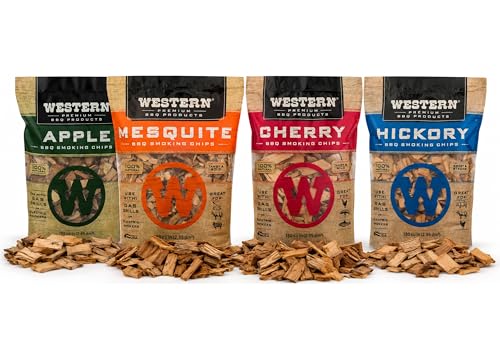
Western BBQ smoking wood chips: best for flavor experiments
This chip bundle is better for grills and smokers than for an open fire pit. It gives you apple, mesquite, hickory, and cherry in compact form, which is useful if you want to experiment with smoke flavor rather than build a full fire.
The drawback is that chips are not a substitute for split firewood in a fire pit. They burn differently and are best treated as cooking accessories.
Frequently asked questions
What is the best wood for a fire pit?
Kiln-dried oak is the best all-around answer for most fire pits because it burns hot, lasts a long time, and produces less smoke than wet wood. If you want easier lighting or a lower-smoke feel, ash or maple can be better. Match the wood to the pit and the goal.
What is the best firewood for a fire pit?
The best firewood for a fire pit is dry hardwood, especially kiln-dried oak, ash, or maple. Those woods offer a better mix of heat, burn time, and lower smoke than green wood or poor-quality softwood. Cherry is a strong option when aroma and cooking are part of the plan.
What is the best wood for a smokeless fire pit?
The best wood for a smokeless fire pit is very dry hardwood, with kiln-dried oak and maple near the top. Smokeless pits depend on airflow, so wet or oversized fuel can still make smoke. Choose split logs that fit the design and light them with dry kindling.
What type of wood for fire pit?
For a fire pit, choose dry hardwood rather than wet, painted, or treated wood. Oak is the long-burn default, ash lights more easily, maple burns steadily with lower smoke, and cherry is useful for aroma and cooking. Dryness matters more than almost anything else.
What is the best wood to use in a fire pit?
The best wood to use in a fire pit depends on what you value most. For most people, kiln-dried oak is the safest pick because it gives strong heat and a long burn. For quick starts, ash and fatwood help. For cooking, cherry is a strong choice.
What type of fire pit is best?
The best fire pit type depends on how you plan to use it. Smokeless designs are better for tighter neighborhoods and more comfortable seating, while standard pits are simpler and often cheaper. In either type, dry hardwood remains the best fuel because it keeps smoke and sparks down.
What wood is good for a fire pit?
Good fire pit wood is split, properly stored, and dry enough to light without hissing or heavy smoke. Oak, ash, maple, and cherry are common choices. If the wood is seasoned or kiln-dried, it is usually a better buy than fresh-cut wood of the same species.
Sponsored / affiliate links. As an Amazon Associate I earn from qualifying purchases. I may earn additional commission from eligible campaigns.