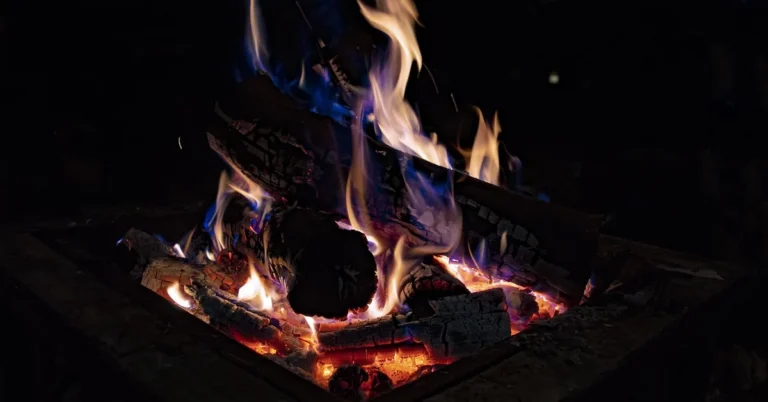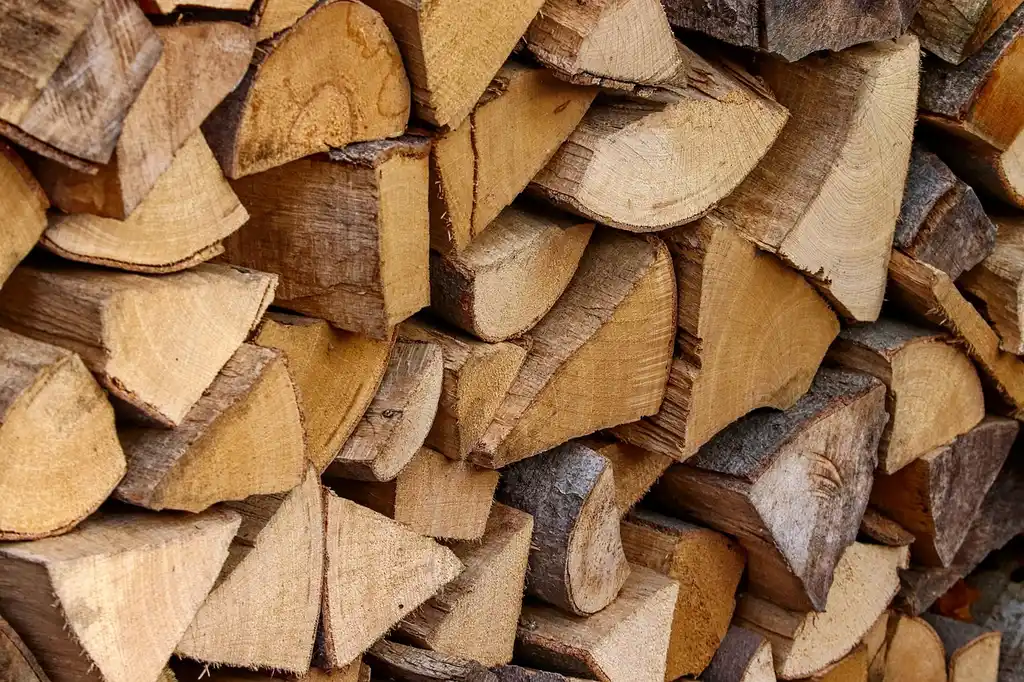
Best Woods for Kindling for Fireplaces (2026): research shows
The best kindling for most fires is kiln-dried softwood sticks. Use fatwood for damp conditions, and use dry natural softwood shavings or splits when you need quick ignition from material you already have. Pick the wrong fuel and you waste matches, fill the room with smoke, and still fail to build a coal bed. This guide shows which choice fits each setup and what wood to avoid.
Quick comparison
| Product | Badge | Best for | Price | ||
|---|---|---|---|---|---|
 |
Greenes Fence Fatwood Fire Starter – 50 lb Box – 100%Greenes Fence | Our pick | 50 lb natural resin pine kindling box | $79.99
Price as of 12 Oct 2026
|
View |
 |
Heatcraft Premium Kiln Dried Wood Kindling for Pizza Ovens,Heatcraft | Also great | Premium kiln-dried hardwood kindling sticks | $19.70
Price as of 12 Oct 2026
|
View |
 |
ZIMOMOTA Firewood Kindling Splitter, Manual Log Splitter,ZIMOMOTA | Pair with it | Manual cast iron log splitting wedge | $29.99
Price as of 12 Oct 2026
|
View |
 |
Kindling Cracker King XL Cast Iron Kindling Splitter, 9in.Kindling Cracker | Upgrade pick | 9-inch patented cast iron kindling splitter | $109.99
Price as of 12 Oct 2026
|
View |
 |
AMAGABELI GARDEN & HOME Canvas Firewood Carrier FirewoodAMAGABELI GARDEN & HOME | Also great | Waxed canvas firewood carrier tote | $19.79
Price as of 12 Oct 2026
|
View |
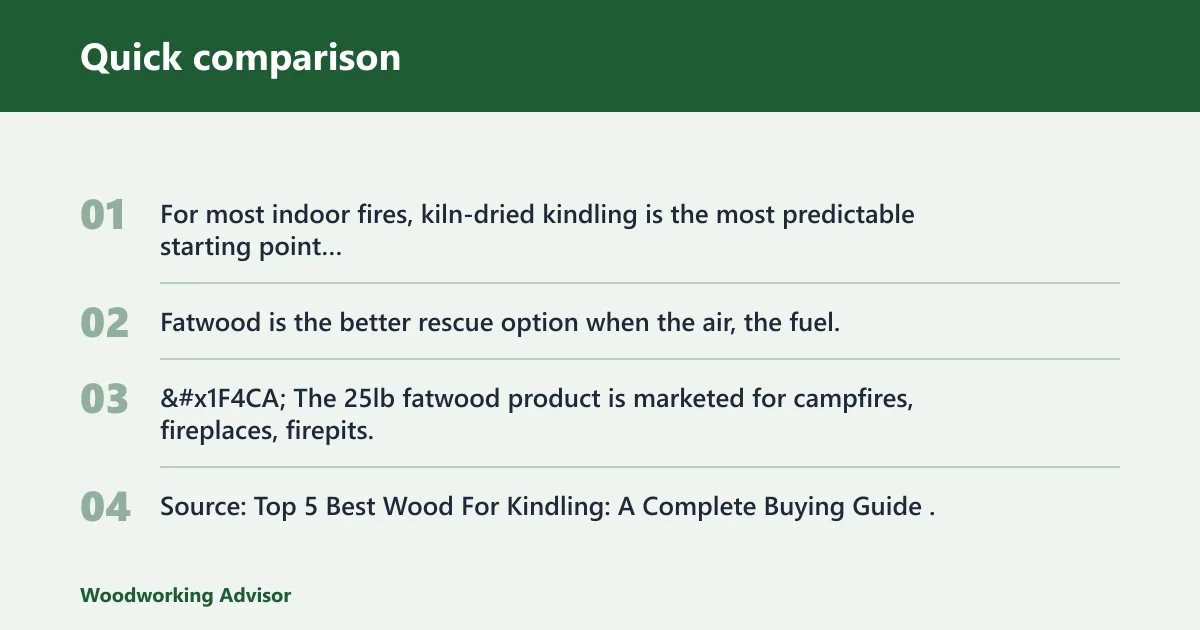
For most indoor fires, kiln-dried kindling is the most predictable starting point because low moisture lights faster and burns hotter than air-dried wood. Fatwood is the better rescue option when the air, the fuel, or the weather works against you.
📊 The 25lb fatwood product is marketed for campfires, fireplaces, firepits, and wood stoves. Source: Top 5 Best Wood For Kindling: A Complete Buying Guide.
How we chose
The comparison below is based on four practical factors: moisture content, ignition speed, stick size, and indoor cleanliness. Availability and cost per use matter too, but kindling that lights slowly or smokes heavily is a poor trade for a fireplace or wood stove.
Moisture content matters most. A dry stick with the wrong shape can still fail if it is too thick, too dense, or damp from storage.
Stick consistency matters next. Uniform sawn pieces light more predictably than mixed scrap, especially in pizza ovens and enclosed stoves.
Safety and air quality matter as well. Treated lumber, painted scraps, and unknown reclaimed material should stay out of any indoor fire.
What is the best wood for kindling?
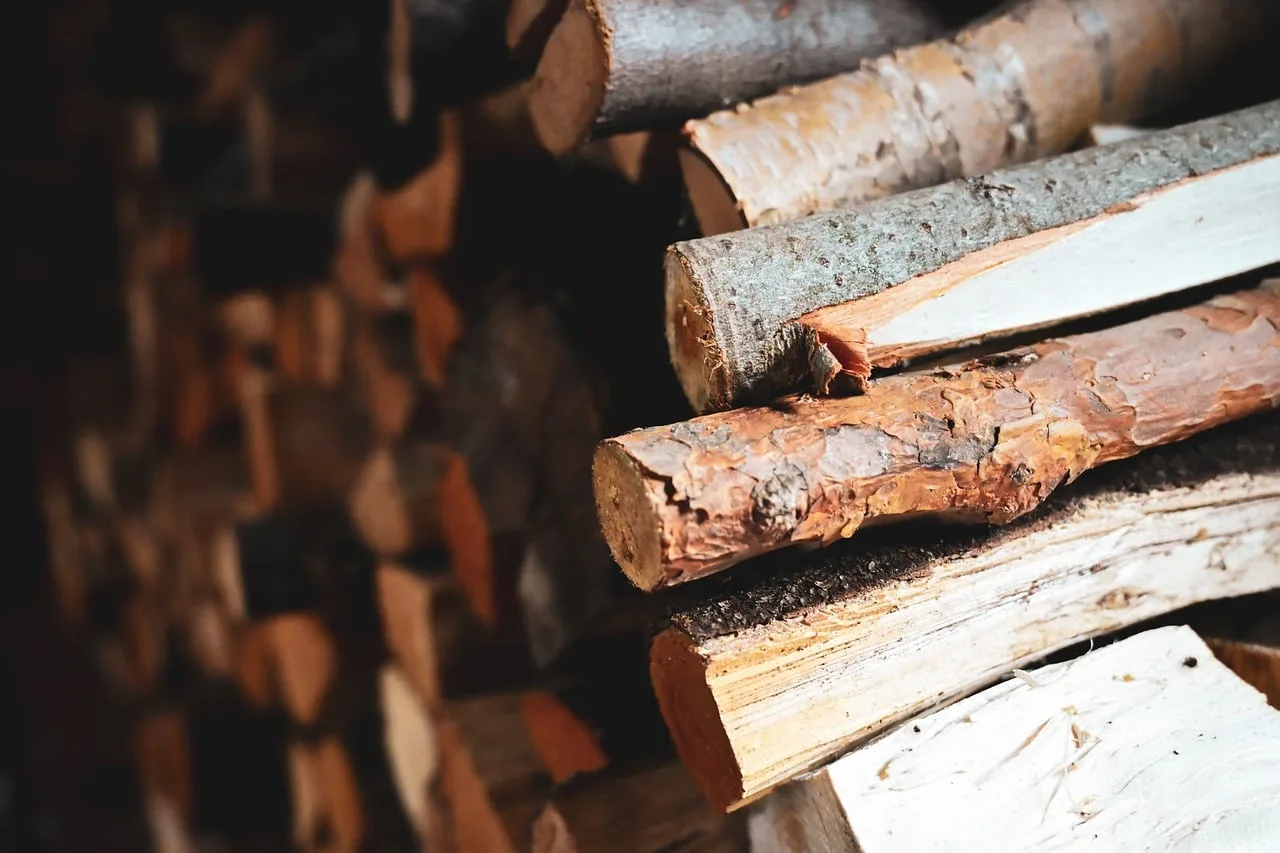
The best wood for kindling is kiln-dried softwood for most indoor fires, fatwood for stubborn or damp starts, and dry split softwood when you want a simple, natural option. The right answer depends on how quickly the wood catches, how much smoke it gives off, and how dry it is.
For most fireplaces and wood stoves, kiln-dried kindling is the clearest all-around pick because it is more reliable than air-dried wood. Competitor listings describe kiln-dried kindling at 6%-8% moisture content, and kiln drying is done in a heated, controlled hardwood lumber kiln. That low moisture content helps the fire climb from flame to coals faster.
Fatwood is the best backup when conditions are poor. It is a natural pine fire starter with high resin content, so it can ignite quickly even when damp or wet. That makes it useful for outdoor starts and for anyone who wants a more forgiving fire starter than plain split sticks.
Natural split softwood is enough when the wood is truly dry, thin, and well stacked. If you already have very dry pine or another softwood, small shavings and narrow splits can light a fire without needing a commercial starter.
Fatwood: best for stubborn starts
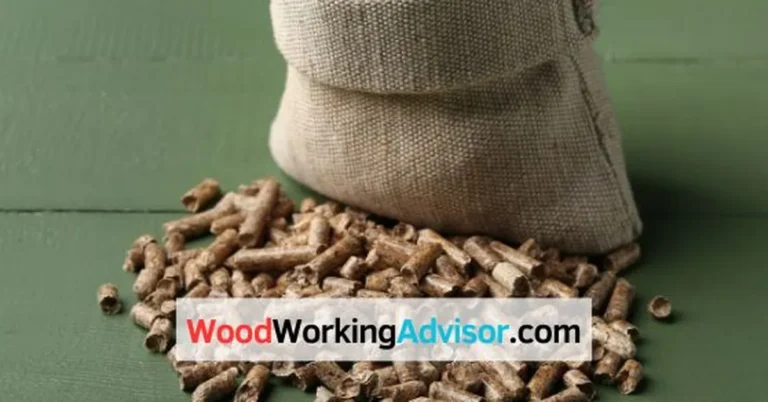
Fatwood is resin-rich pine that lights quickly because the resin helps the flame take hold. The guide recommends fatwood fire starter sticks for indoor or outdoor use, and one product listing describes 100% all-natural pine that ignites quickly even when damp or wet.
It works well for fireplaces, campfires, firepits, grills, and wet-weather starts. A 25lb box is marketed for those uses, and another fatwood product is sold in a 10lb box. That makes it a strong pick if you want a ready-to-grab starter that does not depend on perfect storage conditions.
The drawback is indoor smoke and odor. Resinous wood can be effective, but it is not the cleanest choice for routine indoor lighting. Use it when the fire is reluctant, not as the default for every load.
Picture a damp shoulder-season evening. Your stacked kindling feels a little cool and musty, the first match dies, and a small fatwood stick solves the start in one step. That is the kind of problem fatwood is meant to fix.
Kiln-dried softwood sticks: best for fireplaces and wood stoves
Kiln-dried softwood sticks are the most reliable choice for most fireplaces and wood stoves because they are dry, uniform, and easy to arrange for airflow. Kiln-dried wood burns hotter than air-dried or time-dried wood, which helps a small flame become a stable fire more quickly.
Ideal kindling is thin. A practical target is roughly pencil-thin to thumb-thin pieces, with a few shaved or split edges to catch flame faster. Keep the pieces similar in size so they heat evenly and do not smother each other.
That consistency matters in enclosed stoves. A wood stove needs a fast, hot start to get draft established, and a pile of thick or uneven sticks can stall ignition. Smaller, dry pieces let air move through the stack.
The drawback is storage discipline. If kiln-dried kindling sits in a damp shed or unsealed bin, it can lose the moisture advantage that made it useful in the first place.
How kindling size changes ignition
Kindling wood is small dry pieces used to start fires, usually split into thin sticks or shaved pieces. The smaller the piece, the easier it is for heat to dry the surface and ignite the wood. Too large, and the flame spends its energy warming the stick instead of spreading to the larger fuel.
- Split or choose sticks close to pencil thickness for fast ignition.
- Use a few thinner pieces, then add slightly thicker ones after the flame holds.
- Keep the stack loose enough for air to move through it.
- Place the kindling over tinder or under a small starter as your setup requires.
A common first-timer mistake is building a tight cone of thick sticks. The center looks promising, but the fire chokes because the flame cannot reach enough dry surface area.
Pine and resin in fire starters
Pine shows up often in fire starters because its resin helps it catch faster than many dense hardwoods. Fatwood products are typically made from pine-rich material, and that resin content is the reason they can light even in damp conditions.
That same resin is also why pine is not always the cleanest indoor choice. It is useful, but it should be matched to the setting. For a fireplace or stove, dry kiln-dried kindling is often cleaner and more controlled; for wet-weather outdoor starts, pine-based fatwood can be the smarter tool.
What is good kindling?
Good kindling is dry, thin, and predictable. It lights with little fuss, stays lit long enough to ignite larger fuel, and does not bring along treated coatings, paint, or excess moisture that make the fire smoky or stubborn.
The best kindling also matches the job. A fireplace wants easy lighting and cleaner burn behavior. A wood stove wants faster heat and steady draft. A pizza oven wants hot, fast ignition with minimal smoke and uniform pieces that stack neatly.
Reclaimed wood starters can be a good option only when the wood is clearly dry and untreated. One guide describes reclaimed-wood starters that can burn up to 10 minutes, which can be useful if the pieces are consistent and free of coatings.
The common failure mode is simple: wet wood, treated lumber, or the wrong species can make fire starting difficult. That problem shows up as weak flame, extra smoke, and repeated relighting.
What to use for kindling
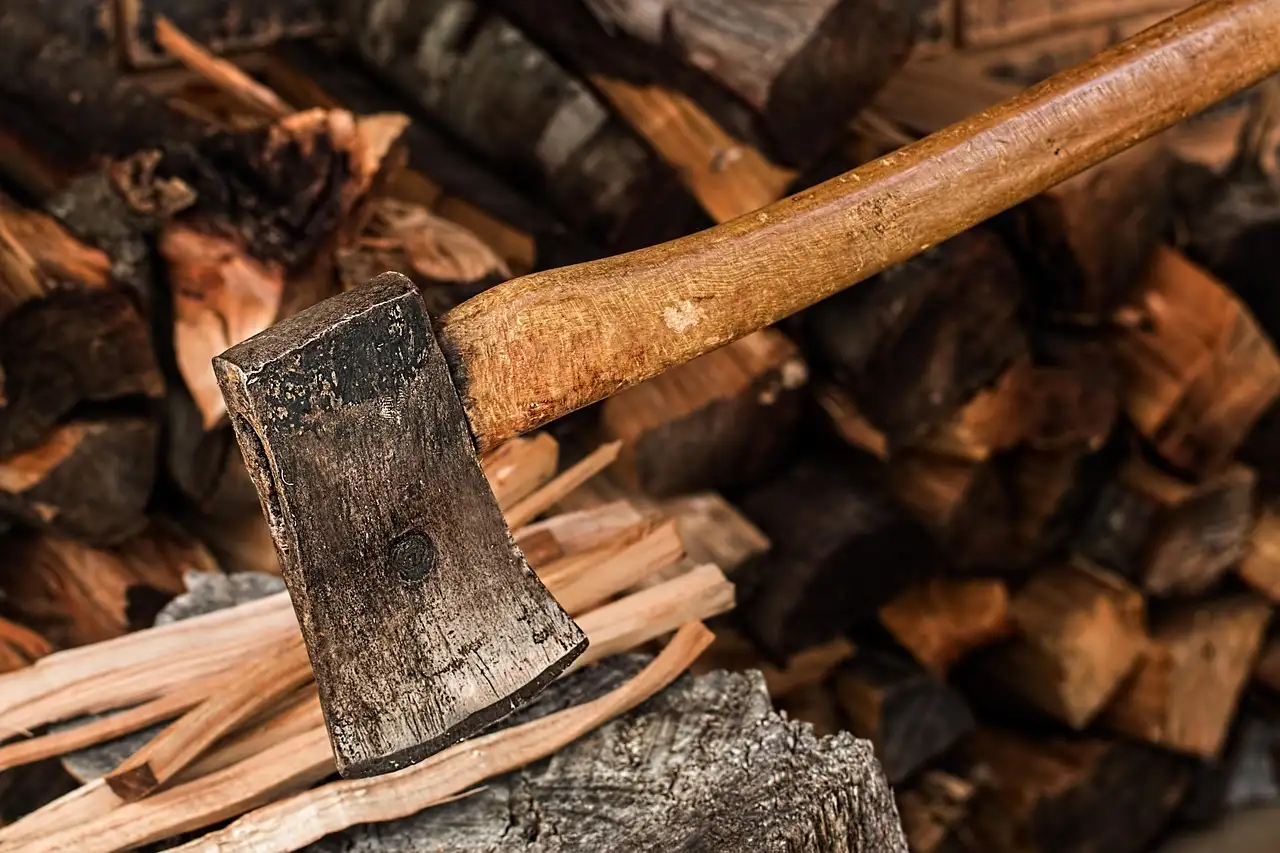
Use kindling that fits the fire source, not just the species label. For most homes, kiln-dried softwood is the safest default. For damp conditions or awkward starts, fatwood is the better helper. For pizza ovens, kiln-dried sawn-cut sticks are the more practical choice because they light fast and burn hot.
Choose a format that matches how you start the fire. Thin split sticks are easy to arrange. Sawn-cut rectangles are easy to stack evenly. Shaved pieces or feathered edges help flame grab quickly.
Storage matters as much as species. Dry kindling in a sealed container or covered bin stays more dependable than a better wood that has absorbed moisture from the air.
What wood should you avoid for kindling
Avoid treated lumber, painted scraps, plywood, particleboard, and any wood with unknown coatings or adhesives. Those materials can smoke heavily and release unwanted fumes. Avoid wet wood as well, because moisture steals heat from the flame and slows ignition.
Also avoid relying on random reclaimed scraps unless you know they are untreated and fully dry. “Looks like wood” is not enough. Fire starting is a place where the label matters.
Why moisture content is the deciding factor
Moisture content is the main ignition factor because a fire must drive off surface water before the wood can heat enough to burn well. Lower moisture generally burns hotter and lights more reliably. That is why kiln-dried kindling outperforms wood that simply sat outdoors for a while.
If kindling feels cool, heavy for its size, or slightly soft at the edges, it may still carry too much moisture. That does not always make it useless, but it does make it less dependable.
Can you use fatwood as kindling?
Yes, fatwood can be used as kindling, and it is one of the best choices when you need a fast, forgiving starter. Because it is resinous pine, it lights quickly and can keep a small flame alive long enough to catch nearby wood.
It is especially useful for damp conditions, windy outdoor starts, and situations where a fire refuses to take after the first few matches. The tradeoff is that it can be smokier and smell more resin-heavy than plain kiln-dried kindling, so it is best used selectively indoors.
If you burn fatwood regularly in a fireplace, keep the pieces small and use only what you need to get the fire going. Once the larger wood catches, there is no benefit to overloading the firebox with resin-rich starter material.
What kindling works best for a wood stove?
Kiln-dried softwood sticks work best for a wood stove because they ignite fast, create strong initial heat, and help establish draft. A stove needs a clean, hot start more than it needs a long-burning starter, so dry uniform pieces are usually better than chunky split wood.
Use small sticks, often around pencil to thumb thickness, and keep them evenly spaced for airflow. A few pieces are enough to build a coal bed if the wood is dry and the draft is active.
Fatwood still has a place here as a backup, especially if the stove is cold or the room is damp. But as a daily choice, kiln-dried kindling is cleaner and easier to control.
What makes the best kindling?
The best kindling is the kind that lights quickly, burns hot enough to catch larger fuel, and matches the fire type you are starting. Dryness, size, and shape matter more than broad wood labels. A perfect species choice still fails if the pieces are thick or damp.
For indoor fires, low smoke matters too. That is why kiln-dried sticks usually beat random split scraps. For stubborn starts, resinous fatwood is hard to beat. For food-use setups, uniform kiln-dried pieces are often the cleanest option.
How to make kindling wood
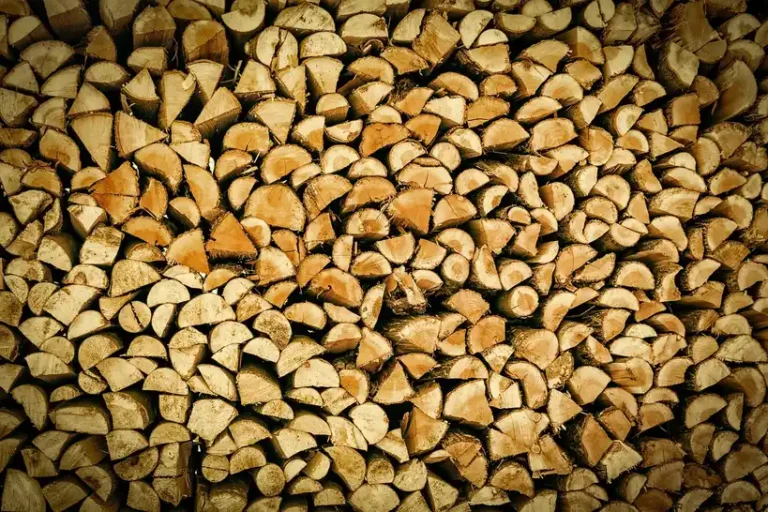
To make kindling wood, split dry, untreated wood into thin sticks or shave it into narrow pieces. The goal is to create small surfaces that catch flame quickly. Straight grain softwood is easiest to split into useful kindling sizes.
Use these practical targets: pieces roughly pencil thickness for fast starts, slightly thicker pieces for the next layer, and a few shaved edges or feathered curls if you need extra ignition points. Keep the lengths short enough to fit your firebox or stove grate neatly.
If you split your own kindling, store it dry and separate from larger firewood. A kindling pile that soaks up moisture loses the advantage of the extra work you put into making it.
Pizza-oven kindling: best for fast high-heat startup
Pizza ovens need dry, thin kindling that lights quickly and gets the chamber hot without adding much smoke. Kiln-dried kindling is the most practical choice because it is dry, uniform, and positioned for fast startup in high-heat use.
Kiln-dried sawn-cut sticks are common in pizza oven kits because the pieces stack neatly and create a predictable burn. That consistency matters when you want a fast rise in temperature and a cleaner fire path.
Avoid damp scraps, painted wood, and anything with adhesives. Food-use fires should start from clean, untreated fuel. If the starter smokes heavily, it is the wrong choice for the job.
Suppose the oven floor is still cool and you only have a few minutes before loading. Small, dry, uniform kindling gets the chamber hot without wasting time on a slow, smoky start.
Which one should you buy?
Choose by fire type first. For a fireplace, buy kiln-dried softwood sticks unless you often deal with damp storage or poor draft, in which case fatwood is the better backup. For a wood stove, kiln-dried kindling is usually the best everyday pick. For a pizza oven, choose kiln-dried sawn-cut sticks made for high-heat startup.
Choose by storage conditions next. If your kindling lives in a dry mudroom or indoors, natural split softwood may be enough. If it sits in a garage, shed, or covered bin with humidity swings, kiln-dried or resin-rich starter wood is more dependable.
Commercial fire starter sticks are worth buying when you want uniform size, clean packaging, and less sorting before each fire. The market includes boxes sold as 25 lb and 10 lb options, plus listings with more than 100 pieces of kindling wood. Those formats are useful when you start fires often or want a grab-and-go supply.
Greenes Fence Fatwood Fire Starter: best for stubborn starts
This 50 lb box is for users who want a natural resin-pine starter for fireplaces, campfires, firepits, wood stoves, or grills. Based on the spec sheet and product positioning, it fits damp-weather lighting and situations where plain kindling struggles to catch.
What stands out is the all-natural pine resin profile and the claim that it ignites quickly even when damp or wet. That makes it a practical backup in humid storage areas or for outdoor fires that need a stronger first flame.
The drawback is the same trait that makes it effective: resin. It is not the cleanest everyday starter for indoor use, so it is better as a problem-solver than as the default for every fire.
Heatcraft Premium Kiln Dried Wood Kindling: best for pizza ovens and tabletop fire pits
This kindling is aimed at pizza ovens, tabletop fire pits, and campfires where fast ignition and low smoke matter. Based on the listing, the uniform sawn-cut rectangles make stacking easy and help keep startup more predictable.
What stands out is the kiln-dried format and the claim that it burns hotter with less smoke than air-dried wood. That combination suits high-heat food setups and small enclosed fires that need a clean start.
The drawback is price per piece compared with split scraps or home-made kindling. It is efficient, but you are paying for consistency and convenience.
ZIMOMOTA Firewood Kindling Splitter: best for splitting your own kindling
This manual splitter is for readers who already have dry logs and want to turn them into usable kindling pieces. It is a tool, not fuel, and it makes sense if you prefer split softwood over buying starter bundles.
What stands out is the cast iron build and X-shaped base, which are meant to help keep the splitting process stable. For someone making kindling in volume, that can be easier than handling a hatchet for every piece.
The drawback is obvious: you still need suitable wood, and you still need physical force. It will not solve damp fuel, and it does not help if the log species is poor for kindling.
Kindling Cracker King XL Cast Iron Kindling Splitter: best for larger logs
This splitter is for users who want a safer, fixed tool for turning larger rounds into thin starting pieces. Its 9-inch opening and patented safety ring suit households that prepare kindling in batches rather than making a few pieces at a time.
What stands out is the single-piece cast iron construction and the larger opening, which can handle logs nearly 40% larger than standard. That can make sense if your starter wood comes in uneven sizes.
The drawback is cost. It is much more of an investment than a simple wedge, so it makes the most sense for frequent wood burners.
AMAGABELI GARDEN & HOME Firewood Carrier: best for moving and storing kindling

This waxed canvas carrier is for keeping kindling and logs together while moving fuel from storage to stove, fireplace, or outdoor fire area. Based on the listing, the 40-inch capacity is useful when you want one tote for both kindling and larger wood.
What stands out is the water-resistant lining and outer fabric, which can help protect dry fuel during transport. The padded handles and strap also make repeated trips easier.
The drawback is that it is not a storage cure-all. If the carrier sits in a damp place or carries wet wood, the fabric may help a little, but it will not fix moisture in the fuel itself.
Decision table: the best kindling by fire scenario
| Fire scenario | Best kindling type | Ideal stick thickness | Dryness target | Most common ignition failure |
|---|---|---|---|---|
| Fireplace | Kiln-dried softwood sticks | Pencil-thin to thumb-thin | Very dry; kiln-dried kindling is often listed at 6%-8% moisture content | Too many pieces packed too tightly, which blocks airflow and smoke evacuation |
| Wood stove | Kiln-dried softwood sticks, with fatwood as backup | Pencil-thin, with a few slightly thicker splits | Very dry and stored in a dry place | Thick or damp pieces that fail to build draft quickly enough |
| Pizza oven | Kiln-dried sawn-cut sticks | Thin, uniform rectangular sticks | Very dry, clean, and untreated | Smoky or uneven startup from damp wood or mixed scrap |
Frequently asked questions
Is softwood or hardwood better for kindling?
Softwood is usually better for kindling because it is easier to split into thin pieces and often lights faster than hardwood. Hardwood can work if it is very dry and cut small, but it usually belongs in the main fuel load rather than the starter layer.
Sponsored / affiliate links. As an Amazon Associate I earn from qualifying purchases. I may earn additional commission from eligible campaigns.