Birch Vs Maple Butcher Block: Ultimate Durability Showdown
Choosing the perfect butcher block for your kitchen can feel tricky. You want something durable, beautiful, and easy to maintain.
When it comes to wood options, birch and maple are two popular choices—but which one is truly best for your needs? You’ll discover the key differences between birch and maple butcher blocks. By the end, you’ll know exactly which wood suits your cooking style, budget, and kitchen vibe.
Keep reading to make a confident decision that you’ll be happy with for years to come.
Birch Butcher Block Features
Birch butcher blocks offer a unique blend of beauty and strength. They fit well in many kitchen styles. Their features make them a popular choice for cutting surfaces and countertops. Understanding these features helps in choosing the right wood for your kitchen needs.
Wood Grain And Appearance
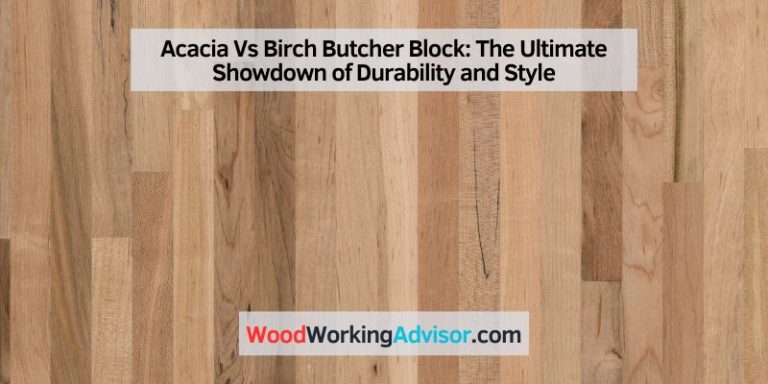
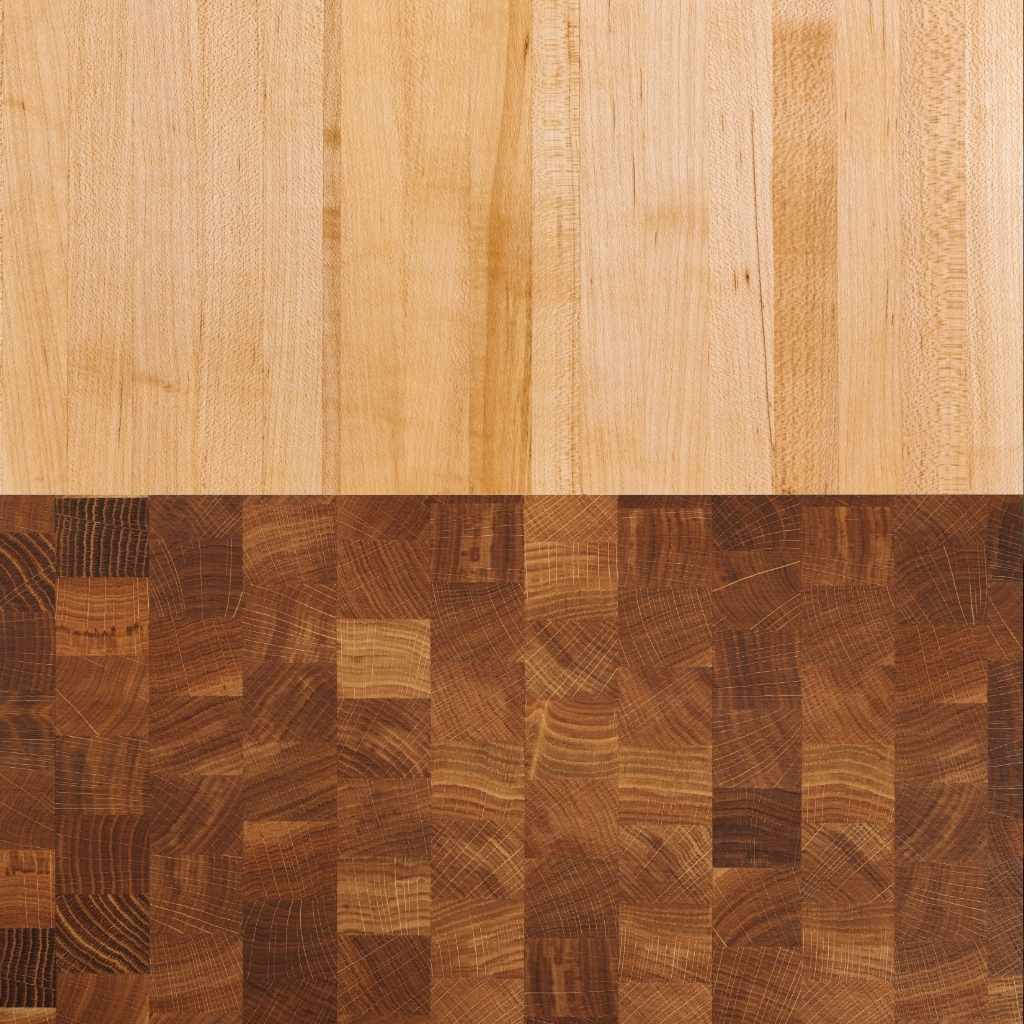
Birch wood has a fine, even grain. It shows a smooth texture with subtle patterns. The color is usually light, ranging from pale yellow to white. These shades brighten any kitchen space. Birch butcher blocks have a clean, classic look. They often blend well with different decor styles.
Hardness And Durability
Birch ranks moderately high on the hardness scale. It resists dents and scratches better than softer woods. This makes it suitable for frequent chopping and cutting. Birch holds up well with proper care. It is durable enough for daily kitchen use. Yet, it is less hard than maple, which affects long-term wear.
Maintenance Needs
Birch butcher blocks require regular oiling to stay healthy. This helps prevent drying and cracking. Cleaning with mild soap and water keeps the surface safe. Avoid soaking or harsh chemicals to protect the wood. Sanding may be needed to remove deep marks. Proper upkeep extends the block’s lifespan.
Cost Factors
Birch butcher blocks tend to cost less than maple options. Their price suits many budgets without sacrificing quality. Availability of birch wood also keeps prices stable. The cost may vary based on block size and thickness. Overall, birch offers good value for kitchen worktops.
Maple Butcher Block Features
Maple butcher blocks offer a classic and sturdy choice for kitchen surfaces. Known for their smooth finish and strong build, they suit many cooking styles. This wood type provides a reliable workspace that lasts for years with proper care.
The features of maple butcher blocks include their unique grain, hardness, upkeep needs, and cost. Understanding these aspects helps you choose the right block for your kitchen.
Wood Grain And Appearance
Maple wood has a light, creamy color with a fine, even grain. Its smooth texture gives a clean and bright look to butcher blocks. The subtle patterns make each block unique. Maple’s natural shine improves over time with use and oiling.
Hardness And Durability
Maple is a hard wood, which resists dents and scratches well. It stands up to heavy chopping and cutting. This durability makes it ideal for busy kitchens. The wood also resists moisture better than many other types.
Maintenance Needs
Maple butcher blocks need regular oiling to keep the wood healthy. Cleaning with mild soap and water works best. Avoid soaking or harsh chemicals to protect the wood. Sanding may be needed over time to smooth rough spots.
Cost Factors
Maple butcher blocks usually cost more than softer woods like pine. Their long life and strength justify the price. Prices vary depending on size, thickness, and brand. Investing in maple means a quality surface for many years.
Durability Comparison
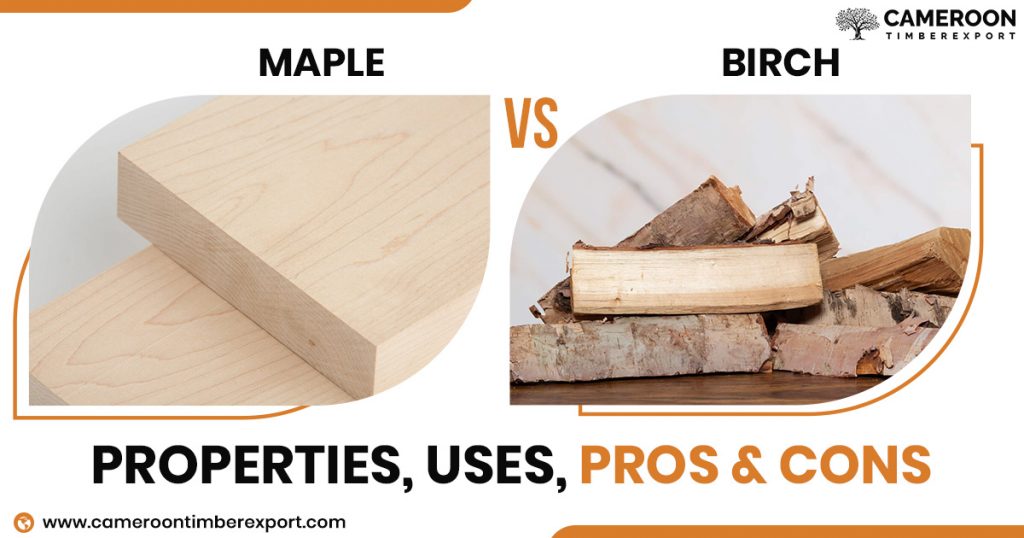
Durability is a key factor when choosing between birch and maple butcher blocks. Both woods offer good strength, but they behave differently under daily use. Understanding their durability helps you pick the best option for your kitchen needs.
Resistance To Scratches And Dents
Maple is known for its hardness and dense grain. This makes it more resistant to scratches and dents than birch. Birch is softer and can show marks faster with heavy use. For a surface that stays smooth longer, maple holds an advantage.
Impact Of Moisture And Heat
Both birch and maple can handle kitchen moisture, but maple fares better over time. Birch may absorb water more easily, causing swelling or warping. Heat from pots or pans can leave marks on both woods, but maple resists heat damage more effectively.
Long-term Wear And Tear
Maple butcher blocks maintain their look after years of use. They age well and can be sanded and refinished multiple times. Birch may wear faster and need more maintenance. For lasting durability, maple is usually the smarter choice.
Care And Maintenance Tips
Birch and maple butcher blocks need care to stay strong and beautiful. Proper care keeps the wood safe from water and cuts. Regular maintenance helps avoid cracks and stains. Follow these simple steps to keep your butcher block looking great for years.
Cleaning Practices
Clean your butcher block after each use. Use a soft cloth and warm water with mild soap. Avoid soaking the wood or using harsh cleaners. Dry the surface quickly with a towel. This stops water from soaking into the wood and causing damage.
Oiling And Conditioning
Apply food-safe oil to the butcher block every few weeks. This keeps the wood moist and prevents it from drying out. Rub the oil in with a clean cloth, covering the entire surface. Let the oil soak in, then wipe off any extra. Conditioning helps protect the wood from stains and cracks.
Repairing Minor Damage
Small scratches and cuts happen over time. Sand the damaged area lightly with fine-grit sandpaper. Clean the dust off before applying oil again. For deeper cuts, use wood filler made for butcher blocks. Regular repair keeps your block smooth and ready for use.
Choosing The Right Butcher Block
Choosing the right butcher block is important for your kitchen’s look and function. Birch and maple are popular woods used for butcher blocks. Each has unique features that suit different needs and styles. Understanding these differences helps you pick the best option for your kitchen.
This guide covers key points like kitchen style, budget, and how often you use the block. These factors make your choice easier and more practical.
Kitchen Style Compatibility
Birch has a light, smooth look that fits modern kitchens well. Its pale color blends with bright, clean designs. Maple offers a warmer tone. It suits rustic, traditional kitchens with natural wood accents. Both woods are durable but give different vibes. Choose based on your kitchen’s overall feel.
Budget Considerations
Birch is usually less expensive than maple. It works well if you want a quality block on a budget. Maple costs more but lasts longer with heavy use. Think about how much you want to spend. A bigger budget allows for stronger wood like maple. A smaller budget can still get good quality with birch.
Usage Frequency And Needs
Maple is harder and resists dents better than birch. It is ideal for frequent chopping and heavy kitchen tasks. Birch is softer and may show marks faster. It is good for lighter use or as a decorative surface. Consider how much you use the block daily. This helps match the wood to your cooking style.

Frequently Asked Questions
What Are The Main Differences Between Birch And Maple Butcher Blocks?
Birch is softer and lighter, while maple is harder and denser. Maple offers better durability and resistance to knife marks. Birch tends to be more affordable but may wear faster. Both have attractive grains but differ in hardness and longevity.
Which Butcher Block Wood Is Better For Heavy Use?
Maple is better for heavy use due to its hardness and durability. It resists dents and scratches more effectively than birch. Birch is suitable for light to moderate kitchen tasks but may show wear sooner with heavy use.
How Do Birch And Maple Butcher Blocks Compare In Maintenance?
Both require regular oiling to prevent drying and cracking. Maple’s dense grain makes it slightly more resistant to stains and moisture. Birch needs careful cleaning to avoid damage from water and stains. Proper care extends the lifespan of both woods.
Is Birch Or Maple More Cost-effective For Butcher Blocks?
Birch butcher blocks are generally more affordable than maple options. Maple’s hardness justifies its higher price by offering longer durability. Budget-conscious buyers often choose birch, but maple provides better long-term value due to its strength.
Conclusion
Birch and maple butcher blocks both offer strong, durable surfaces. Birch has a lighter color and is slightly softer than maple. Maple is harder and resists dents better over time. Choose birch for a warm, natural look. Pick maple if you need extra toughness for heavy chopping.
Both woods work well in kitchens and last long with care. Think about your style and how you use your board. Either way, you get a quality surface that helps with food prep. Simple, sturdy, and practical choices for any home chef.