How To Finish A Butcher Block Desk: Why “Food-Safe” Isn’t Your Top Priority
To finish a butcher block desk, sand the surface evenly, then choose a finish based on how the desk is actually used — not on the food-safe default most butcher block guides recommend. A desk faces coffee rings, laptop heat, and keyboard traffic, not raw food contact, so a harder-curing hardwax oil or wipe-on polyurethane usually outperforms mineral oil here.
This guide covers sanding, curing times, and stain options like any butcher block guide should — but starts from the stressors a desktop actually faces, so you pick a finish that matches how you’ll really use it, not just what’s food-safe.
Choosing The Right Butcher Block
Best Desk-Durability Finish Pick
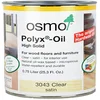 |
Osmo Polyx-Oil Hardwax Oil, Clear Satin, .75 Liter – $59.99 As this guide covers below, a desk deals with coffee rings and keyboard traffic, not food contact — a hardwax oil like this seals harder than the mineral oil this article’s oil-finish section walks through.
|
Compare more butcher block desk finish options
 Option 1 Rubio Monocoat Oil Plus 2C, Natural, 350ml – $77.99
|
 Option 2 General Finishes Arm-R-Seal Oil-Based Topcoat, Satin, 1 Quart – $46.75
|
 Option 3 Howard Feed-N-Wax Wood Polish & Conditioner, 16 oz – $10.98
|
As an Amazon Associate we earn from qualifying purchases.
Choosing the right butcher block is crucial for your desk. The wood type and size affect durability and aesthetics. Make informed decisions to create a functional workspace.
Types Of Wood For Durability
Different types of wood offer varying levels of durability. Here are some popular choices:
| Wood Type | Durability | Appearance |
|---|---|---|
| Maple | High | Light color, fine grain |
| Oak | Very High | Warm tones, pronounced grain |
| Cherry | Medium | Rich, reddish hue |
| Walnut | High | Dark, luxurious look |
Choose a wood that matches your style and needs. Each type provides unique benefits.
Size And Thickness Considerations
Size and thickness matter for stability and usability. Consider these factors:
- Width: A wider desk offers more workspace.
- Length: Ensure it fits your room.
- Thickness: At least 1.5 inches for strength.
- Weight: Heavier blocks resist warping.
Measure your space carefully. A well-sized butcher block enhances functionality.

Preparation Before Finishing
Preparing your butcher block desk before finishing is essential. Proper preparation ensures a smooth, beautiful surface. Follow these steps to achieve the best results.
Sanding Techniques For A Smooth Surface
Sanding is crucial for a flawless finish. Here are effective sanding techniques:
- Start with coarse sandpaper (60-80 grit).
- Sand in the direction of the wood grain.
- Gradually move to finer sandpaper (120-220 grit).
- Keep the surface clean while sanding.
Use a sanding block for even pressure. For rounded edges, consider using a sponge sander. This helps reach all corners.
Cleaning The Wood Properly
Cleaning the wood is vital after sanding. Dust and debris can ruin the finish. Follow these steps for a thorough clean:
- Use a vacuum to remove loose dust.
- Wipe the surface with a damp cloth.
- Allow the wood to dry completely.
Check for any missed spots. Repeat cleaning if necessary. A clean surface ensures the finish adheres well.
Selecting The Finish
Choosing the right finish for your butcher block desk is vital. The finish affects both appearance and durability. A well-finished desk enhances the wood’s natural beauty. It also protects against spills and scratches.
Oil Vs. Polyurethane: Pros And Cons
Two common finishes are oil and polyurethane. Each has its strengths and weaknesses. Here’s a quick comparison:
| Finish Type | Pros | Cons |
|---|---|---|
| Oil |
|
|
| Polyurethane |
|
|
Eco-friendly Options For A Natural Look
Eco-friendly finishes are great for your health and the planet. Consider using:
- Natural oils: Such as linseed or tung oil.
- Beeswax: Offers a soft sheen and protection.
- Coconut oil: Provides a light finish that’s food-safe.
These options help maintain a natural appearance. They are safe for indoor use. Regular maintenance keeps the finish looking fresh.
Desk Use vs. Cutting Board Use: Why “Food-Safe” Isn’t The Priority
Most butcher block finishing guides default to food-safe mineral oil because “butcher block” usually means a cutting board or countertop. A desk is different — it almost never touches raw food, but it takes a completely different kind of daily abuse:
- Coffee and water rings from mugs and glasses set down without a coaster.
- Localized heat from laptop vents and charging bricks left in one spot for hours.
- Fine scratches from keyboards, staplers, and papers sliding across the surface daily.
- Almost zero food contact — no knife cuts, no dishwashing, no raw-food safety requirement.
A cutting board’s finish has to be food-safe above all else, which is why mineral oil dominates that conversation. A desk’s finish has to resist heat and moisture rings and daily scuffing — mineral oil alone is the weakest option here, even though it’s the safest for food contact. A hardwax oil (Osmo Polyx-Oil, Rubio Monocoat) or a wipe-on oil-based polyurethane like Arm-R-Seal cures to a harder film that shrugs off coffee rings and keyboard traffic far better than mineral oil, without requiring the food-safety certification a cutting surface needs. The only time to prioritize a food-safe finish on a desk is if it doubles as an occasional food-prep surface — in that case, follow the oil-finish steps below instead.
Applying The Oil Finish
Applying an oil finish to your butcher block desk enhances its beauty. It protects the wood from stains and moisture. This process is simple yet vital for longevity.
Steps For Even Application
- Choose the Right Oil: Select a food-safe mineral oil or a blend.
- Gather Your Supplies: You will need:
- Clean, lint-free cloths
- A small bowl for oil
- Fine sandpaper (optional)
- Prepare the Surface: Ensure the desk is clean and dry.
- Apply the Oil: Dip the cloth in oil. Rub it on the wood.
- Use Circular Motions: This helps distribute the oil evenly.
- Let It Soak: Allow the oil to absorb for 15-30 minutes.
- Wipe Excess Oil: Use a clean cloth to remove any excess.
Curing Time And Additional Coats
After applying the oil, curing time is essential for a durable finish. Each coat requires time to harden.
| Step | Curing Time | Coats Recommended |
|---|---|---|
| First Coat | 24 hours | 1 |
| Second Coat | 24 hours | 1-2 |
| Third Coat | 48 hours | Optional |
Check the surface after each coat. Add more oil if it looks dry. Repeat as needed for a beautiful finish.
Working With Polyurethane
Applying polyurethane to your butcher block desk enhances durability. This finish protects against scratches and moisture. It’s crucial for maintaining the beauty of wood. Follow these guidelines for best results.
Best Practices For A Durable Topcoat
To achieve a strong finish, follow these best practices:
- Choose the Right Polyurethane: Use oil-based for durability.
- Prepare the Surface: Sand the wood to a smooth finish.
- Apply in Thin Coats: A thin layer dries faster and cures better.
- Use a High-Quality Brush: A good brush prevents streaks.
- Allow Adequate Drying Time: Follow the manufacturer’s instructions.
Avoiding Common Mistakes
Many mistakes can ruin your finish. Avoid these pitfalls:
- Skipping Sanding: Always sand between coats for better adhesion.
- Applying Too Thick: Thick layers can lead to bubbles.
- Ignoring Temperature: Work in a well-ventilated area.
- Rushing the Process: Patience is key for a great finish.
- Forgetting to Clean: Dust and debris can ruin the look.
By following these tips, you’ll create a stunning and lasting finish. Enjoy your beautiful butcher block desk!
Maintaining The Finish
Keeping your butcher block desk in great shape is essential. Regular care enhances its beauty and durability. Proper maintenance prevents damage and extends its lifespan.
Routine Cleaning Tips
Regular cleaning helps maintain your desk’s finish. Follow these simple steps:
- Use a damp cloth: Wipe the surface daily.
- Avoid harsh chemicals: Stick to mild soap and water.
- Dry immediately: Prevent water damage by drying the surface.
- Use mineral oil: Apply every few weeks for added protection.
Consider these tips for routine cleaning:
| Cleaning Task | Frequency |
|---|---|
| Wipe down with a damp cloth | Daily |
| Apply mineral oil | Every 2-4 weeks |
| Deep clean with soap and water | Monthly |
When To Reapply Finish
Knowing when to reapply finish is crucial. Look for signs of wear:
- Faded areas: Notice dull spots on the surface.
- Rough texture: Feel any roughness when touching.
- Water stains: Notice water pooling or staining.
Reapply finish every 6 to 12 months. Use a food-safe finish for best results. This keeps your butcher block desk looking brand new.
Addressing Stains And Scratches
Butcher block desks can experience stains and scratches over time. These imperfections can affect the desk’s beauty and usability. Knowing how to handle these issues will keep your desk looking great.
Removing Tough Stains
Stains on butcher block desks can be stubborn. Use the following methods to remove them:
- Soap and Water: Mix mild soap with warm water. Wipe the stain gently.
- Baking Soda Paste: Combine baking soda with water. Apply to the stain and scrub lightly.
- White Vinegar: Use undiluted vinegar on tough stains. Wipe clean with a damp cloth.
- Olive Oil and Vinegar: Mix equal parts. Apply to the stain and buff with a cloth.
For best results, act quickly. Blot stains instead of rubbing them. This prevents them from spreading.
Repairing Scratches Without Refinishing
Scratches are common on butcher block desks. Use these simple methods to fix them:
- Mineral Oil: Apply mineral oil to the scratch. It helps darken the wood.
- Wood Wax: Use wood wax for a smooth finish. Rub it into the scratch.
- Touch-Up Markers: Choose a marker that matches your wood. Fill in the scratch carefully.
- Sanding: Lightly sand the scratch with fine sandpaper. Apply oil afterward to restore shine.
These methods can make scratches less visible. Regular maintenance helps keep your butcher block desk looking new.
Customizing Your Butcher Block Desk
Creating a unique butcher block desk is easy. Personal touches can transform a simple desk into a statement piece. Use stains, colors, and creative elements to make it yours.
Adding Personal Touches With Stains And Colors
Stains and colors enhance the beauty of your butcher block desk. Here’s how to choose the right options:
- Choose a base color: Light or dark wood tones?
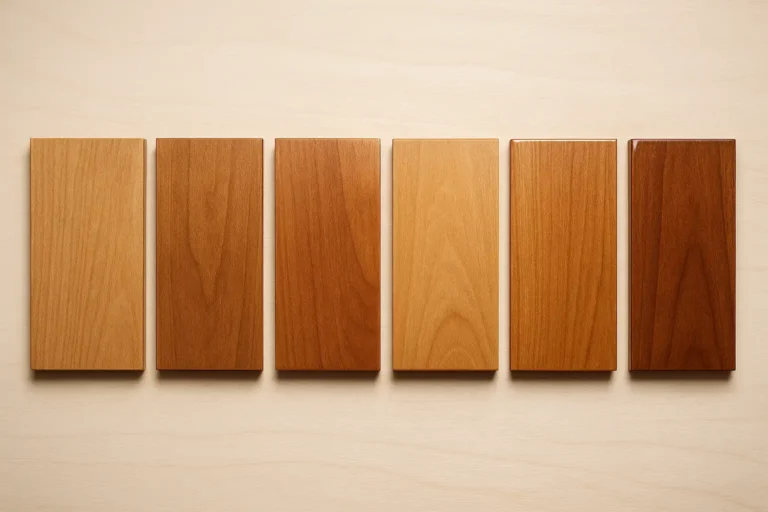
- Test samples: Apply stains on scrap wood first.
- Consider finishes: Matte, satin, or glossy?
Popular stain colors include:
| Stain Color | Effect |
|---|---|
| Natural | Showcases wood grain |
| Walnut | Dark and rich |
| Cherry | Warm and inviting |
| Gray | Modern and stylish |
Incorporating Creative Design Elements
Design elements add flair to your desk. Consider these ideas:
- Engraving: Add initials or patterns.
- Inlays: Use different woods for contrast.
- Unique hardware: Choose stylish drawer pulls.
Other creative options include:
- Decals: Add fun designs or quotes.
- Lighting: Incorporate LED strips for ambiance.
- Accessories: Use colorful desk organizers.
Customizing your butcher block desk enhances functionality and style. Enjoy the process and let your creativity shine!
Frequently Asked Questions
How Do I Prepare A Butcher Block Desk?
To prepare a butcher block desk, start by sanding the surface with fine-grit sandpaper. This removes any imperfections and ensures a smooth finish. Clean the dust thoroughly before applying any finish. Proper preparation enhances the look and durability of your desk.
What Finish Is Best For Butcher Block?
The best finishes for butcher block are mineral oil, tung oil, or a food-safe varnish. These options protect the wood while maintaining its natural beauty. Mineral oil is easy to apply and reapply, while varnishes offer added durability. Choose based on your usage and desired appearance.
How Often Should I Refinish My Butcher Block Desk?
Refinishing your butcher block desk typically depends on usage. For everyday use, consider refinishing every six months to a year. Regular maintenance ensures the wood remains protected and looks vibrant. Keep an eye out for wear and damage to determine when it needs attention.
Can I Use Butcher Block Desk For Food Prep?
Yes, you can use a butcher block desk for food prep. Ensure the finish is food-safe, like mineral oil or a certified varnish. Regularly clean and maintain the surface to avoid contamination. This makes it a versatile choice for both office and kitchen use.
Conclusion
Finishing a butcher block desk enhances its beauty and durability. Proper sanding and sealing protect the wood from damage. Regular maintenance keeps it looking fresh for years. Embrace your creativity and personalize your workspace with thoughtful finishing touches. Enjoy the satisfaction of crafting a unique piece that reflects your style and needs.
Sponsored / affiliate links. As an Amazon Associate I earn from qualifying purchases. I may earn additional commission from eligible campaigns.