Birch Vs Maple Hardwood: Ultimate Guide to Choose the Best Wood
When it comes to choosing hardwood for your home, the decision can feel overwhelming. You want wood that looks great, lasts long, and fits your style perfectly.
Birch and maple are two popular options, but which one is right for you? Understanding the key differences between birch and maple hardwood will help you make a confident choice. Keep reading, and you’ll discover which wood matches your needs, your budget, and your vision for your space.
Your perfect floor or furniture piece is just a few steps away.
Birch Hardwood Characteristics
Birch hardwood is a popular choice for many woodworking projects. It has unique traits that make it stand out. Understanding these characteristics helps you decide if birch is right for your needs.
Appearance And Grain
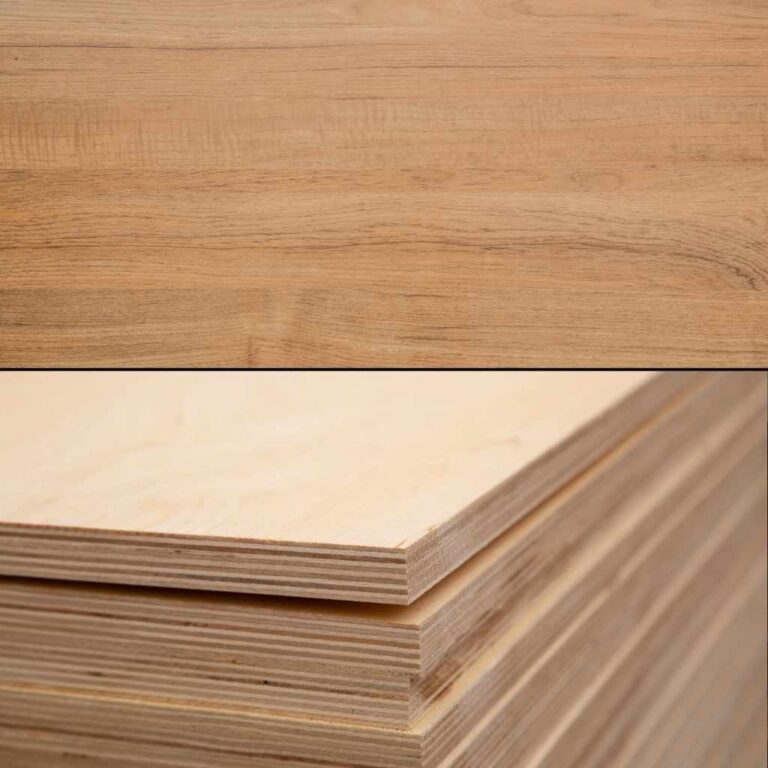
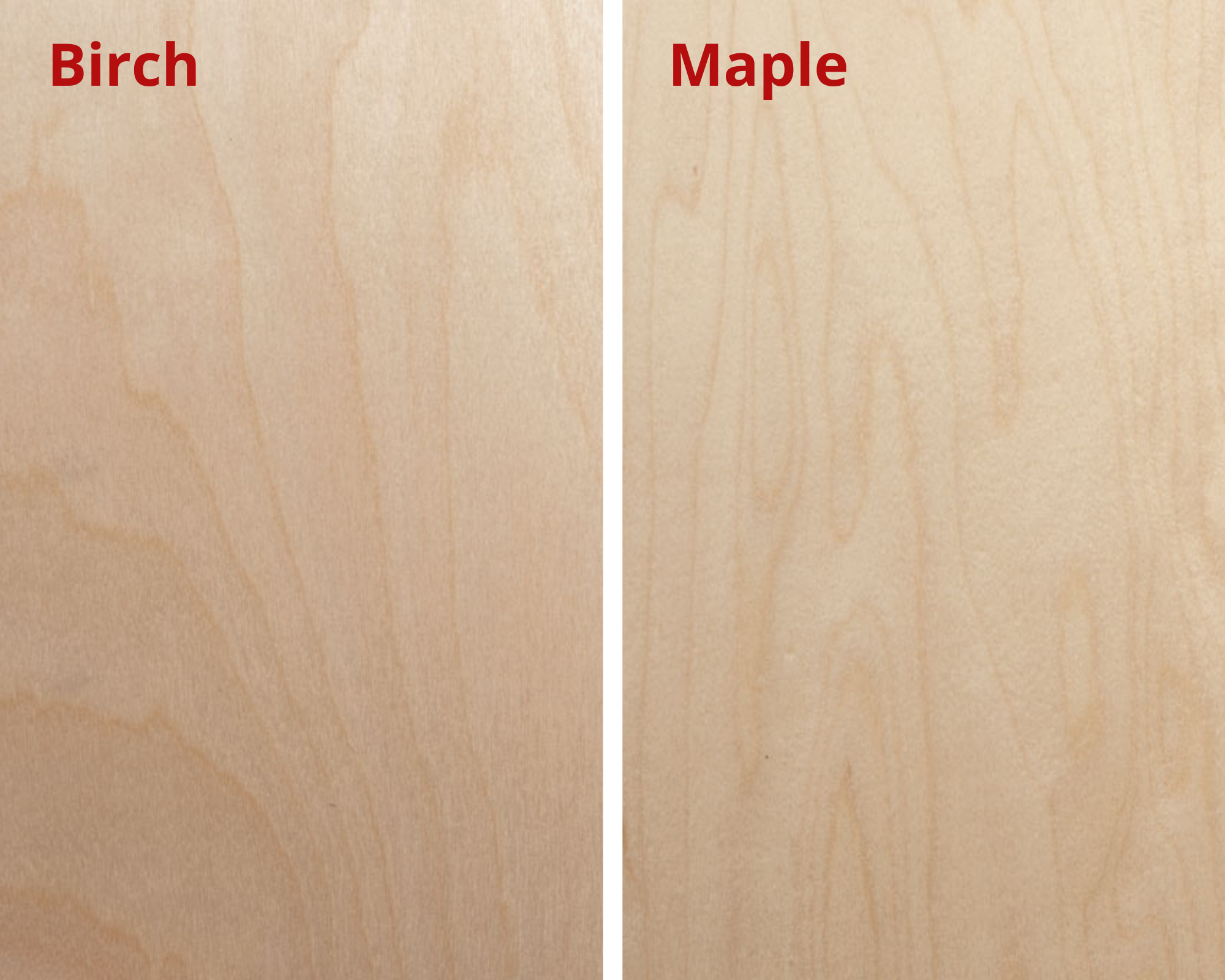
Birch wood has a light color, usually pale yellow or white. Its grain is fine and smooth, with small, even patterns. The surface often has a subtle shine. This makes birch ideal for a clean, fresh look in furniture and floors.
Durability And Hardness
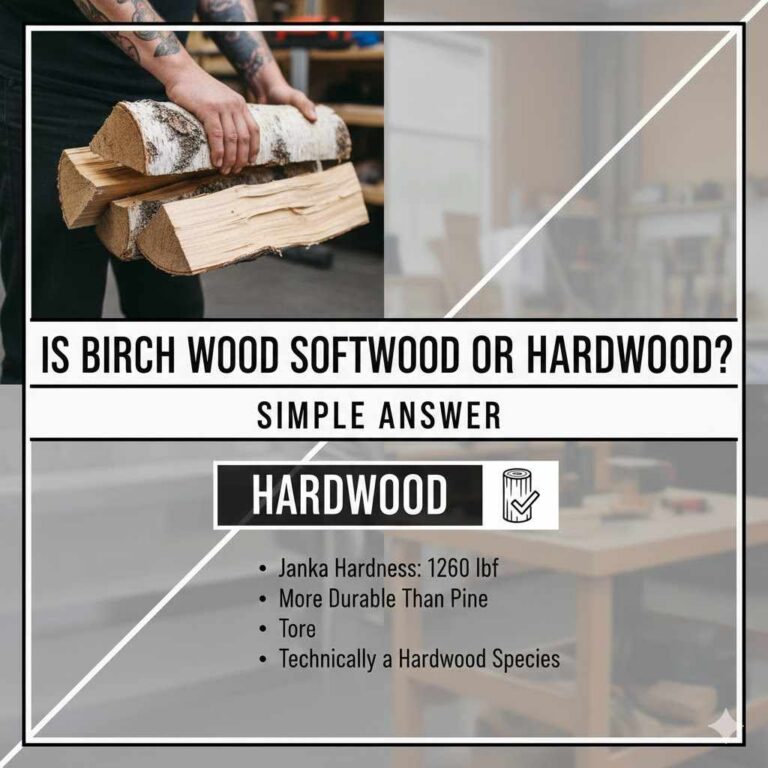
Birch is a hard wood, but not as hard as some other types like maple. It resists dents and scratches fairly well. This makes it suitable for everyday use. It holds up nicely over time with proper care.
Workability And Finishing
Birch is easy to work with. It cuts and shapes smoothly without splintering. It glues and nails well. Finishing birch is simple because it absorbs stains evenly. This helps create a consistent color and polished look.
Common Uses
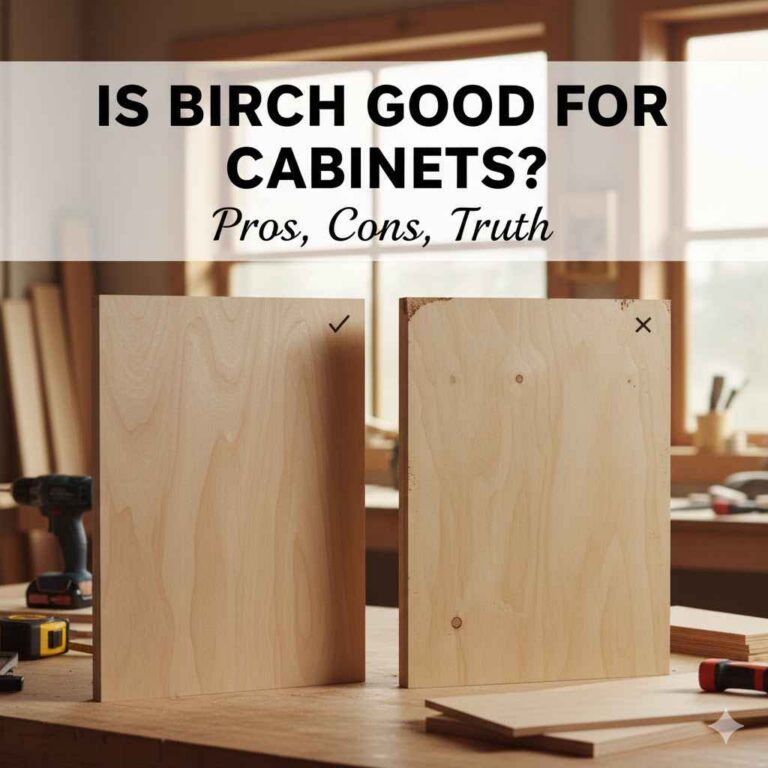
Birch is used in furniture, cabinets, and flooring. It is also popular for interior doors and paneling. Its strength and appearance make it a good choice for many home projects. Birch fits well in both modern and traditional styles.

Maple Hardwood Features
Maple hardwood is a popular choice for many wood projects. It offers a mix of beauty and strength. This wood has unique qualities that make it stand out from others. Understanding these features helps in choosing the right wood for your needs.
Visual Traits And Texture
Maple wood usually has a light cream color. Sometimes, it shows a slight reddish or golden tint. The grain is straight and fine. It creates a smooth and clean look. The texture feels even and tight. This makes maple good for a polished finish.
Strength And Longevity
Maple is very strong and hard. It resists dents and scratches well. This wood can last many years without damage. It holds up well under heavy use. Maple is a reliable choice for floors and furniture. It stays sturdy even in busy spaces.
Ease Of Use And Staining
Maple is easy to work with tools. It cuts and sands smoothly. The wood takes stains evenly. This helps create different looks. Maple can be light or dark, based on the stain used. It also glues and nails well, making it simple to build with.
Typical Applications
Maple is often used in flooring and cabinets. It is popular for furniture and cutting boards. The wood suits both modern and classic styles. Maple is also common in musical instruments. Its strength and look make it a versatile choice.
Comparing Birch And Maple
Birch and maple are popular hardwood choices for floors, furniture, and cabinetry. Both woods offer durability and beauty but differ in key areas. Understanding these differences helps pick the right wood for your needs.
This section compares birch and maple based on their color, hardness, cost, and maintenance.
Color And Aesthetic Differences
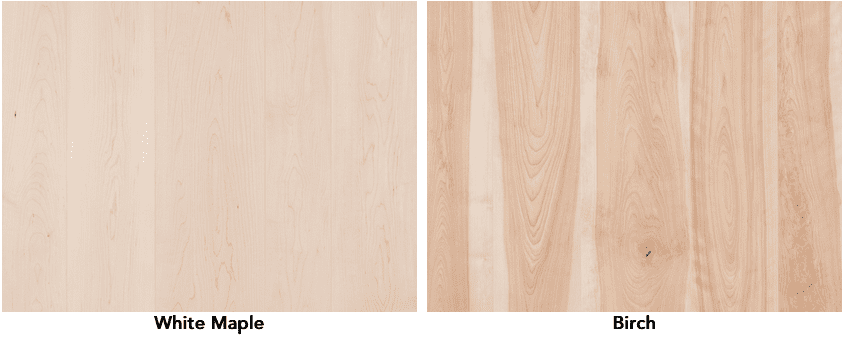
Birch wood often shows light yellow or pale brown tones. It has a fine grain pattern with subtle waves and occasional knots. Maple is usually lighter, with creamy white to light reddish hues. Its grain is smooth and uniform, sometimes with a curly or wavy pattern. Birch gives a warm, natural look. Maple creates a clean, bright appearance.
Hardness And Wear Resistance
Maple is harder than birch. It scores higher on the Janka hardness scale, making it more resistant to dents and scratches. Birch is softer but still holds up well under daily use. Maple suits high-traffic areas better. Birch works fine in places with moderate wear.
Cost And Availability
Birch tends to cost less than maple. It is widely available in many regions, which keeps prices lower. Maple can be more expensive due to its popularity and harder nature. Both woods are easy to find, but maple prices vary more depending on quality and source.
Maintenance Needs
Both birch and maple need regular cleaning to keep their look. Birch may show wear faster and need refinishing sooner. Maple’s hardness helps it stay smooth longer. Avoid harsh cleaners on both. Use mild soap and water for best results.
Choosing The Right Hardwood
Choosing the right hardwood is important for any wood project. Birch and maple are popular options. Each has unique qualities that fit different needs and styles. Understanding these differences helps you pick the best hardwood for your space and budget.
Project Type And Function
Think about how you will use the wood. Maple is very hard and resists dents well. It works great for floors and furniture that get heavy use. Birch is slightly softer but still strong. It suits cabinets and decorative pieces. Choose wood that matches the wear and tear of your project.
Budget Considerations
Maple usually costs more than birch. Birch offers a nice look for less money. If you want a durable wood but need to save, birch is a good choice. Maple’s higher price reflects its hardness and durability. Decide how much you want to spend before choosing.
Personal Style Preferences
Maple has a light, smooth grain with a clean look. Birch shows a fine grain with warm tones. Both can be stained, but birch absorbs stain unevenly sometimes. Maple gives a more consistent finish. Pick the wood that matches your color and style ideas best.
Environmental Impact
Both birch and maple grow in similar climates. Choose wood harvested from sustainable forests. Check for certification like FSC to ensure responsible sourcing. Using local wood reduces environmental impact. Think about how your choice affects the planet.
Frequently Asked Questions
What Are The Main Differences Between Birch And Maple Hardwood?
Birch hardwood is generally softer and has a fine grain. Maple is harder, denser, and has a more uniform texture. Birch offers warm tones, while maple provides a lighter, creamier color. Both are durable but suit different aesthetic and functional needs.
Which Hardwood Is Better For Flooring, Birch Or Maple?
Maple is often preferred for flooring due to its hardness and resistance to wear. Birch is softer, making it less ideal for high-traffic areas. However, birch’s warm tones can enhance cozy spaces. Choose based on durability needs and design preferences.
How Does The Grain Pattern Differ In Birch And Maple Wood?
Birch wood has a fine, even grain with occasional waves. Maple wood features a smooth, consistent grain, often with subtle figuring. Maple’s uniform texture creates a sleek look, while birch’s grain adds natural character and warmth to furniture or flooring.
Are Birch And Maple Hardwoods Easy To Stain Or Finish?
Both birch and maple accept stains well, but birch tends to blotch without proper sealing. Maple’s dense grain can be harder to stain evenly but finishes smoothly. Proper preparation ensures a beautiful, durable finish on either wood type.
Conclusion
Both birch and maple hardwood have strong qualities. Birch offers a warm, light tone that fits many styles. Maple is tough and has a clean, smooth look. Choosing depends on your budget, style, and use. Birch suits casual, cozy spaces well.
Maple works great for areas needing more strength. Each wood brings charm and durability to your home. Think about how you want the floor to feel and last. Either choice can make your space beautiful and inviting. Simple and smart decisions lead to happy homes.