Wood Floor Finish Sheen Chart: Matte vs Satin vs Gloss
For most hardwood floors, satin is the best default because it keeps daylight under control without making the floor look flat. Matte hides wear best, satin balances light and cleanup, semi-gloss shows more dust, and gloss shows the most. Pick the wrong sheen and you can end up with floors that glare in daylight, look dirty faster, or make scratches obvious. This guide compares matte, satin, semi-gloss, and gloss by lighting, traffic, and how much upkeep you can live with.
What does floor sheen change?
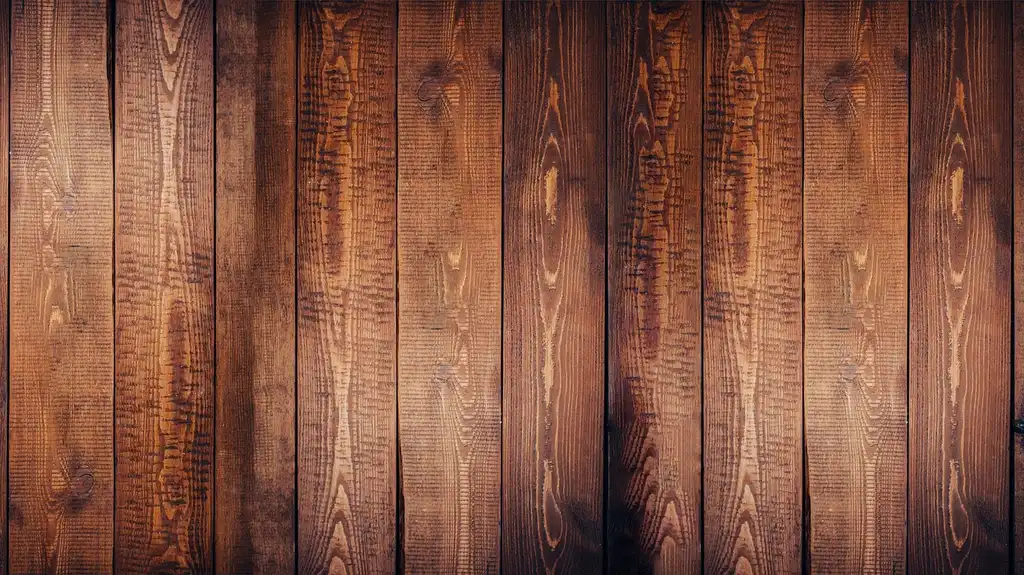
Sheen changes how much light the topcoat reflects, not the stain color itself. The same species and stain can read darker, lighter, clearer, or cloudier depending on the topcoat sheen, because the surface reflection changes how your eye reads grain, sanding marks, and dust.
That topcoat matters most on site-finished floors, where sheen is set by the clear finish layer. On factory-finished flooring, the sheen is typically built into the wear layer at the plant, so changing it later usually means sanding and refinishing rather than a simple surface wipe-down.
Wood floor sheen decision matrix
| Decision factor | Matte | Satin | Semi-gloss | Gloss | Winner |
|---|---|---|---|---|---|
| Scratch hiding | 4 | 3 | 2 | 1 | Matte |
| Dust visibility | 4 | 3 | 2 | 1 | Matte |
| Glare control | 4 | 3 | 2 | 1 | Matte |
| Dark-stain clarity | 2 | 3 | 4 | 4 | Semi-gloss / gloss |
| Ease of touch-up | 3 | 4 | 2 | 1 | Satin |
Recommended sheen by room
- Hallway: Matte or satin. Hallways see constant foot traffic, so wear marks and dust matter more than a bright finish.
- Living room: Satin. It handles mixed light and daily use without making every footprint stand out.
- Bedroom: Matte. The lower reflectivity keeps the floor calmer in soft light and hides minor wear well.
- Formal dining room: Semi-gloss or gloss if the room is used less often and gets controlled light.
Open-plan continuity can override room-by-room choice. If a hallway opens into a kitchen and living room with the same flooring, changing sheen at the threshold can create a visible seam even when the stain and wood species match. In that case, one consistent sheen usually reads cleaner than a sequence of different sheens.
Say a hallway gets strong morning sun and regular dog traffic throughout the day. A glossy floor will show paw prints and dust lines quickly, while matte or satin will keep the path looking more even between cleanings.
How do matte, satin, semi-gloss, and gloss compare?
These four sheens are ranked from least to most reflective: matte, satin, semi-gloss, and gloss. The practical difference is how much surface detail they reveal. Low sheen hides more wear; higher sheen gives more reflected light, but it also makes dust, sanding marks, and fingerprints easier to notice.
Matte
Matte is the lowest-reflection sheen level. Hardwood floor guides commonly place it around 0-10% light reflection, and it is often chosen for high-traffic or pet-heavy homes because it hides scratches, dust, and footprints well.
Matte can be the safer choice over imperfect subfloor prep or older floors that still show some sanding variation. The trade-off is clarity: over dark stain, a matte clear coat can look cloudy on some finishes, especially when matting agents are used to cut reflectivity.
Satin
Satin sits in the middle and is the most common residential baseline in many competitor pages. One common range listed for satin is 25-35% light reflection. It gives more light return than matte, but it still keeps wear from standing out across the room.
Satin is often the best compromise when you want some clarity without a bright sheen. It also tends to make touch-ups easier to live with, because minor mismatch is less obvious than on semi-gloss or gloss.
Semi-gloss
Semi-gloss sits above satin and shows more shine, more dust, and more surface defects. It can improve the look of dark stain by adding clarity, but it also makes scratches, footprints, and sanding marks easier to spot in angled light.
Use semi-gloss when you want a brighter floor and can keep up with cleaning. It is less forgiving in rooms where daylight rakes across the floor or where people notice every scuff near chair legs.
Gloss
Gloss is the most reflective option. It can look crisp in formal rooms, but it also has the highest defect visibility and the least forgiveness for dust, streaks, and touch-up patches. If the substrate prep is not excellent, gloss will reveal it.
Gloss can make a floor look more dramatic. It can also make it look busier. In sunny rooms, it is the sheen most likely to create glare and bring out every cleaning streak from a microfiber pad.
How is sheen measured?
Gloss is measured with a gloss meter at a 60-degree angle. On that scale, 0 is no gloss and 100 is mirror-like gloss. For very low-gloss surfaces, an 85-degree setting may be used, since the 60-degree reading can be too coarse at the low end.
Gloss unit quick guide
| Sheen name | Typical comparison range | What that means for homeowners |
|---|---|---|
| Matte | 0-10 GU | Very low reflection; best at hiding wear and glare |
| Satin | About 25-35 GU | Middle reflection; balanced look and visibility |
| Semi-gloss | Higher than satin | Noticeably brighter and less forgiving |
| Gloss | Near mirror-like | Highest reflection and highest defect visibility |
Gloss units matter because manufacturer names are not always consistent. One brand’s satin can read closer to another brand’s matte, especially when matting agents, film thickness, and product chemistry differ. A label helps, but a GU range is more useful when you compare showroom samples or replacement products.
Sheen can also change with the number of coats on traditional finishes. A thicker applied coat can produce a higher sheen with the same product, so coat build matters as much as the can label on some systems.
How does sheen change the look of wood?
Sheen changes how the eye reads grain, color depth, and surface texture. Higher sheen can improve the sense of clarity over dark stain, but lower sheen can make a floor look softer and less busy. The same wood species can look meaningfully different at each sheen level.
Grain, stain, and side effects
Matte clear coats can look cloudy over dark stains. That is one reason some dark floors look flatter than expected after finishing. Satin or semi-gloss often gives better clarity and color over dark stain, because more reflected light keeps the surface from reading as hazy.
There is a trade-off. Higher sheen can better preserve the natural grain feel and texture only if the finish does not build a film. Once the coating builds into a stronger film, the surface can still look smoother and brighter, but the tactile grain is less pronounced.
Suppose a walnut floor in a south-facing living room is stained dark brown. Matte may mute the grain and read slightly cloudy near the windows, while satin can keep the color clearer without turning every sunbeam into glare.
Why sanding marks matter more in brighter sheens
Sanding marks are easier to see as sheen rises. Semi-gloss and gloss reflect enough light to pull attention toward uneven prep, drum marks, or patchy transitions between passes. Matte is more forgiving because it scatters light rather than bouncing it back.
That is why the same floor can look excellent in a sample room and rougher after installation if the sheen is changed upward. The finish did not create the imperfections, but it made them easier to see.
Choose matte if… / Choose gloss if…
Use matte when your priority is hiding wear and reducing glare. Use gloss only when you want maximum reflectivity and can accept that every footprint, dust line, and touch-up will be easier to spot. Satin and semi-gloss sit between those extremes and are usually the practical middle ground.
Choose matte if…
- You have a busy hallway, mudroom, or pet path where scratches and dust show first.
- Your rooms get strong daylight and you want less glare on the floor.
- You prefer the floor to disappear into the room instead of drawing attention.
- The stain is dark and you want to reduce the chance of a cloudy look.
Choose satin if…
- You want one finish that works in most living spaces without pushing reflectivity too far.
- You need some light bounce, but not the defect visibility that comes with semi-gloss or gloss.
- You expect routine cleaning and want streaks to be less obvious than on higher-sheen floors.
- You are trying to keep an open-plan main floor visually consistent across several connected rooms.
Choose semi-gloss if…
- You want more clarity over a dark stain and can keep the floor clean often.
- The room gets moderate light and you want a brighter, more reflective look.
- The surface prep is excellent and you do not mind seeing minor wear sooner.
- You want more visual punch than satin, without going all the way to gloss.
Choose gloss if…
- The room is formal, lightly used, and not flooded with sunlight.
- You want the brightest possible reflected look and accept the maintenance burden.
- The floor can be kept very clean, because dust and streaks will stand out.
- You want the highest-contrast surface and can live with visible defects.
- Check light direction first. South- and west-facing rooms usually show more glare and cleaning streaks than shaded rooms.
- Check traffic second. Hallways, steps, and pet routes need more forgiveness than a guest bedroom.
- Check cleanup tolerance third. If you do not want to see every microfiber streak, stay lower on the sheen scale.
- Check continuity last. If rooms flow into each other, choose the sheen that keeps the whole floor reading as one surface.


Frequently asked questions
What is the difference between matte, satin, semi-gloss, and gloss wood floor finish?
The difference is reflectivity. Matte is least reflective, satin sits in the middle, semi-gloss is brighter, and gloss is most reflective. That change affects how much you see scratches, dust, footprints, sanding marks, and glare, even when the stain color and wood species stay the same.
Which wood floor sheen hides scratches and dust best?
Matte hides scratches and dust best because it reflects less light. Satin is the next most forgiving choice. As sheen rises toward semi-gloss and gloss, defects become easier to see, especially in daylight or under bright fixtures that rake across the floor.
Is satin or matte better for hardwood floors with pets and kids?
Matte is usually better if you want the most wear concealment in a pet- and kid-heavy home. Satin is a strong middle choice if you want a little more light return without giving up much forgiveness. The better pick depends on whether glare or cleanup visibility matters more to you.
Does gloss make hardwood floors look more expensive or just show more flaws?
Gloss can make a floor look more dramatic and polished, but it also shows more flaws. That includes dust, streaks, scratches, and sanding marks. In a formal room with controlled light, the effect can look intentional. In a sunny, busy room, it often looks demanding instead.
How many gloss units are matte, satin, semi-gloss, and gloss?
Gloss units are measured with a gloss meter at a 60-degree angle. A common interpretation is 0-10 GU for matte and about 25-35 GU for satin. Semi-gloss is higher than satin, while gloss moves toward the mirror-like end of the scale, near 100 GU.
Can the same wood species look different depending on sheen?
Yes. Sheen changes how light bounces off the surface, so the same oak, maple, or walnut can look clearer, flatter, darker, or cloudier depending on the finish. That is why sample boards should be viewed in the actual room light before you commit.
Does sheen affect how dark or cloudy a wood floor looks?
Yes. Lower sheen can make dark stains look cloudy on some finishes, especially when matting agents are used. Satin or semi-gloss often improves clarity and color over dark stain. Higher sheen also changes how dark the floor reads because it reflects more light back to the eye.
Which sheen works best in high-traffic rooms or sunny rooms?
Matte or satin usually works best in high-traffic rooms, and matte is the safer choice when glare is the bigger problem. Sunny rooms tend to expose cleaning streaks and surface defects, so the lower-sheen options are easier to live with when daylight is strong.
Can sheen be changed during refinishing without changing stain color?
Yes, if the floor is being refinished or recoated with a compatible system. The stain color can stay the same while the topcoat sheen changes. On factory-finished flooring, changing sheen usually takes more work because the sheen is built into the original finish layer.
Why do manufacturers label sheens differently?
Manufacturers use different names because product chemistry, matting agents, and film build affect appearance. One company’s satin can be closer to another’s matte. Gloss-unit ranges are more useful than the name alone, because they give you a measurable way to compare products and samples.
Sponsored / affiliate links. As an Amazon Associate I earn from qualifying purchases. I may earn additional commission from eligible campaigns.