Black Wood Stain Vs Paint: Ultimate Guide to Stunning Finishes
Are you planning to give your wood surfaces a fresh, dark look but can’t decide between black wood stain and paint? Choosing the right option can change the entire feel of your space and affect how long your project lasts.
You want something that looks great, protects your wood, and fits your style. But how do you know which one is best for your needs? Keep reading to discover the key differences, benefits, and surprises that will help you make the smartest choice for your wood makeover.
Your perfect finish is just a few steps away!
Black Wood Stain Basics
Black wood stain changes the look of wood while keeping its natural texture. It seeps into the wood, showing the grain and knots. Unlike paint, stain does not cover the wood surface. This makes it popular for wood furniture, decks, and floors.
Understanding the basics of black wood stain helps in choosing the right product. It also guides proper application for the best results.
Types Of Wood Stains
Wood stains come in three main types: oil-based, water-based, and gel stains. Oil-based stains soak deep and last long. Water-based stains dry faster and have less odor. Gel stains are thick and good for vertical surfaces. Each type offers a different finish and protection level.
How Stains Interact With Wood
Stains soak into the wood pores. This highlights the natural patterns and grain. The color changes without hiding wood’s texture. Stains do not create a solid layer like paint. Wood can still breathe, which helps prevent cracking and peeling.
Benefits Of Using Stain
Stain protects wood from water and sun damage. It keeps the wood strong and durable. Stains show off the wood’s natural beauty better than paint. They are easy to apply and maintain. Stains also allow for touch-ups without removing the old layer.
Black Paint Essentials
Black paint is a popular choice for wood surfaces. It can give a bold and sleek look. Understanding the basics helps you pick the right paint and finish. This ensures your project looks good and lasts long.
Choosing the right paint finish affects the final look and feel. Surface preparation is key for smooth application. Painting also has benefits compared to staining wood.
Different Paint Finishes
Paint comes in several finishes. Each offers a unique look and texture.
- Matte: No shine, soft and smooth finish.
- Eggshell: Slight shine, easy to clean.
- Satin: Moderate shine, durable surface.
- Semi-gloss: Noticeable shine, very washable.
- Gloss: High shine, highlights wood details.
Pick a finish based on the style and use of your wood piece.
Surface Preparation For Paint
Good surface preparation is essential for paint to stick well. Start by cleaning the wood to remove dirt and dust. Sand the surface to smooth rough spots and help paint grip. Remove old paint or finish if needed. Use a primer to seal the wood and improve paint adhesion. Let each layer dry fully before adding the next.
Advantages Of Painting Wood
Painting wood offers strong protection against weather and wear. It hides imperfections and creates a uniform look. Paint provides more color options than stains. It is easier to change color later by repainting. Paint forms a protective layer that seals out moisture. This helps prevent wood damage and decay. It is also easier to clean painted surfaces.
Appearance And Texture
The appearance and texture of wood greatly affect the final look of any project. Choosing between black wood stain and paint changes how the wood looks and feels. This section explores these differences clearly. It helps you understand what to expect from each option. That way, you can pick the right finish for your wood surface.
Natural Grain Visibility
Black wood stain soaks into the wood, showing the natural grain. The wood’s unique patterns remain clear and add character. Paint covers the grain completely. It hides the wood’s natural texture under a solid color layer. Stain keeps the wood looking natural. Paint gives a flat, uniform surface.
Color Depth And Uniformity
Stain gives a deep, rich color that changes with the light. The finish looks varied and alive because the wood grain shows through. Paint creates a smooth, even color across the surface. The black shade is consistent and bold. It does not change with light or angle.
Surface Feel And Finish
Stained wood feels smooth but still natural. You can sense the grain and texture under your touch. The finish can be glossy or matte, depending on the product used. Painted wood feels thicker and more sealed. The surface is slick and solid. It can be glossy or matte too, but it covers the wood’s texture fully.
Durability And Maintenance
Durability and maintenance are key factors when choosing between black wood stain and paint. Both affect how well the wood holds up over time and how much care it needs. Understanding these differences can help you pick the best option for your project.
Resistance To Weather And Wear
Black wood stain soaks into the wood, protecting it from water and sun damage. It allows the wood to breathe, reducing the chance of peeling. Paint forms a thick layer on top of the wood. This layer blocks moisture but can crack or peel under harsh weather. Stain handles wear better because it moves with the wood. Paint may chip if the wood expands or shrinks.
Touch-up And Repair Options
Touching up black wood stain is easy. You can apply more stain to worn areas without sanding. The color blends well with the old finish. Paint touch-ups need more work. You must sand the damaged area and prime it before painting. Matching the exact paint color can be tricky. Stain repairs look more natural and less noticeable.
Longevity Of Stain Vs Paint
Black wood stain generally lasts 3 to 5 years before reapplication. Paint usually lasts 5 to 7 years but may need repairs sooner. Stain fades gradually but does not peel. Paint may peel or blister with time. Both need regular care to keep wood protected. Stain is a better choice for a natural look and easier upkeep.
Application Process
Applying black wood stain or paint changes the look and feel of wood surfaces. The process is different for each. Understanding how to apply both helps you get the best result. Preparation, tools, and techniques all play a part. This section explains the application process clearly and simply.
Tools And Techniques
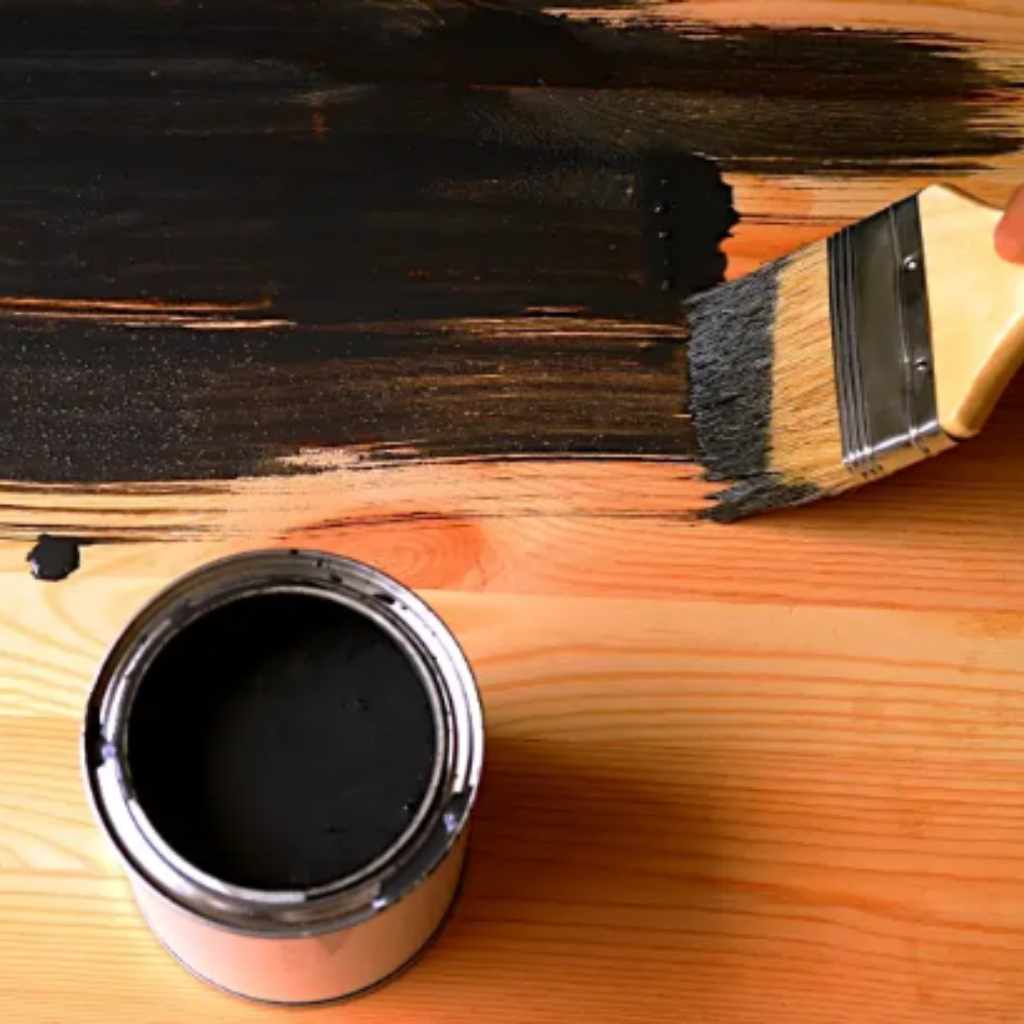
For black wood stain, use a brush or cloth. A brush works well for large areas. A cloth helps spread stain evenly on small spots. Always apply stain along the wood grain. This allows the color to soak in properly.
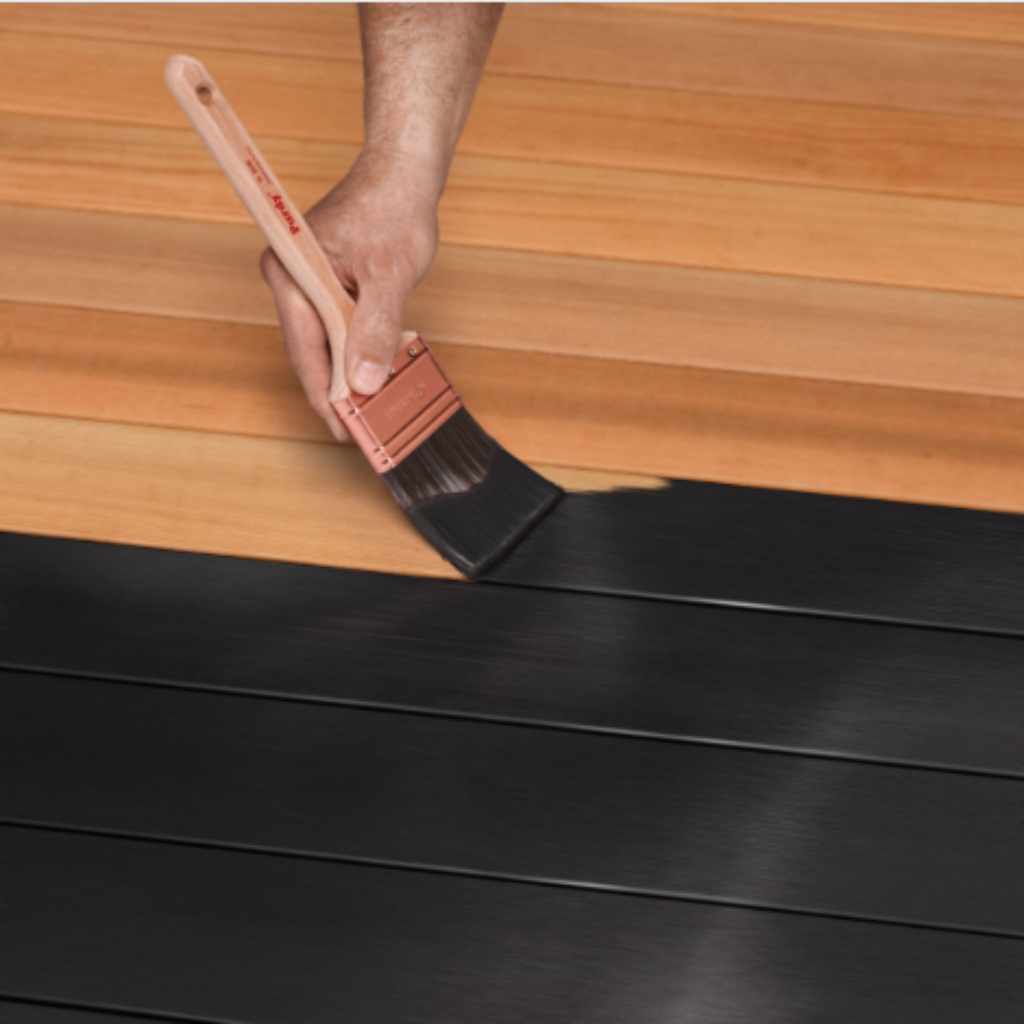
Black paint needs a brush or roller. Rollers cover big flat surfaces fast. Brushes are good for edges and corners. Use smooth, even strokes to avoid streaks. Sand wood lightly before painting for better grip.
Drying And Curing Times
Black wood stain dries quickly, usually within an hour. Let it cure for 24 hours for full strength. Avoid touching or placing objects on stained wood during this time.
Black paint takes longer to dry, about 2 to 4 hours. Curing can take up to a week for hardening. Keep painted surfaces in a dust-free place to prevent marks.
Common Mistakes To Avoid
Applying stain too thickly causes blotches and uneven color. Avoid skipping sanding before staining or painting. It helps the finish stick better.
Not cleaning the wood surface causes poor adhesion. Using old or dirty brushes leads to rough finishes. Rushing the drying process can ruin the look.
Cost And Environmental Impact
Choosing between black wood stain and paint affects both your budget and the environment. Understanding costs and eco-effects helps make the best choice. Both options have pros and cons in price and green impact.
Material And Labor Expenses
Wood stain usually costs less than paint. It needs fewer coats to cover wood. Labor is simpler because stain soaks into wood fast. Paint covers wood surface and may need more layers. This increases material and labor costs. Stain also lasts longer, reducing reapplication expenses.
Eco-friendly Product Choices
Many stains use natural oils and water-based formulas. These options release fewer harmful fumes. Paints often contain chemicals that can pollute air and water. Choosing low-VOC or no-VOC products lowers environmental harm. Stains generally have fewer toxic ingredients than paints.
Health And Safety Considerations
Stains emit less strong odors during application. Paints can cause headaches and dizziness due to fumes. Proper ventilation is important for both. Protective gear is needed to avoid skin contact. Stains usually dry faster, reducing exposure time. This makes stains safer for indoor use.
Choosing Between Stain And Paint
Choosing between black wood stain and paint is important for your wood project. Each option changes the look and protection of the wood. Understanding the differences helps you pick the best choice. Consider the type of project, the wood’s condition, the look you want, and how much care you can give over time.
Project Type And Wood Condition
Stain works best on wood with good grain. It soaks into the wood and shows the natural patterns. Paint covers the wood completely and hides the grain. For outdoor projects, stain lets wood breathe and resists cracking. Old or damaged wood might need paint to cover flaws. Think about how rough or smooth the wood is before choosing.
Desired Aesthetic Outcome
Black stain gives a natural, rich look. It highlights the wood’s texture and color depth. Paint provides a solid, uniform black finish. It creates a modern or bold style. Stain looks more subtle, while paint stands out more. Choose based on how you want the wood to appear.
Long-term Maintenance Plans
Stained wood usually needs reapplying every few years. It fades slowly and shows wear less. Painted wood can last longer but may peel or chip. It needs scraping and repainting to stay fresh. Consider how often you want to maintain your wood surface. Stain often requires less work but less coverage. Paint offers strong protection but needs more upkeep.
Frequently Asked Questions
What Are The Main Differences Between Black Wood Stain And Paint?
Black wood stain penetrates wood, enhancing its natural grain and texture. Paint forms a solid, opaque layer covering the wood surface. Stain offers a more natural look, while paint provides stronger color and protection against elements.
Is Black Wood Stain Better For Outdoor Wood Protection?
Yes, black wood stain is often better for outdoor use. It penetrates wood, preventing moisture damage and UV fading. Stain allows wood to breathe and reduces peeling compared to paint, which can crack and chip over time.
How Long Does Black Wood Stain Last Compared To Paint?
Black wood stain typically lasts 2-5 years before reapplication. Paint generally lasts 5-10 years with proper maintenance. Stain may need more frequent touch-ups but preserves wood’s natural look better than paint.
Can I Switch From Black Paint To Wood Stain?
Yes, you can switch from paint to stain, but it requires removing the old paint completely. Sanding or stripping ensures the stain penetrates wood evenly for the best finish and durability.
Conclusion
Choosing between black wood stain and paint depends on your project needs. Stain shows wood grain and protects from moisture. Paint covers flaws and offers many color options. Both need proper surface prep for best results. Think about durability, look, and maintenance before deciding.
Each option has its own style and strength. Use what fits your wood type and design plan. This helps you create a beautiful, lasting finish. Simple steps lead to great results. Choose wisely and enjoy your wood’s new look.