Bow Saw Vs Pruning Saw: Ultimate Guide to Choose the Best Tool
When it comes to cutting through branches and shaping your garden, choosing the right saw can make all the difference. You might be wondering: should you go for a bow saw or a pruning saw?
Both tools look similar but serve different purposes, and picking the wrong one could slow you down or even cause frustration. You’ll discover the key differences between a bow saw and a pruning saw, helping you make the best choice for your gardening needs.
Keep reading, and you’ll soon have the confidence to tackle your next project with the perfect tool in hand.
Bow Saw Features
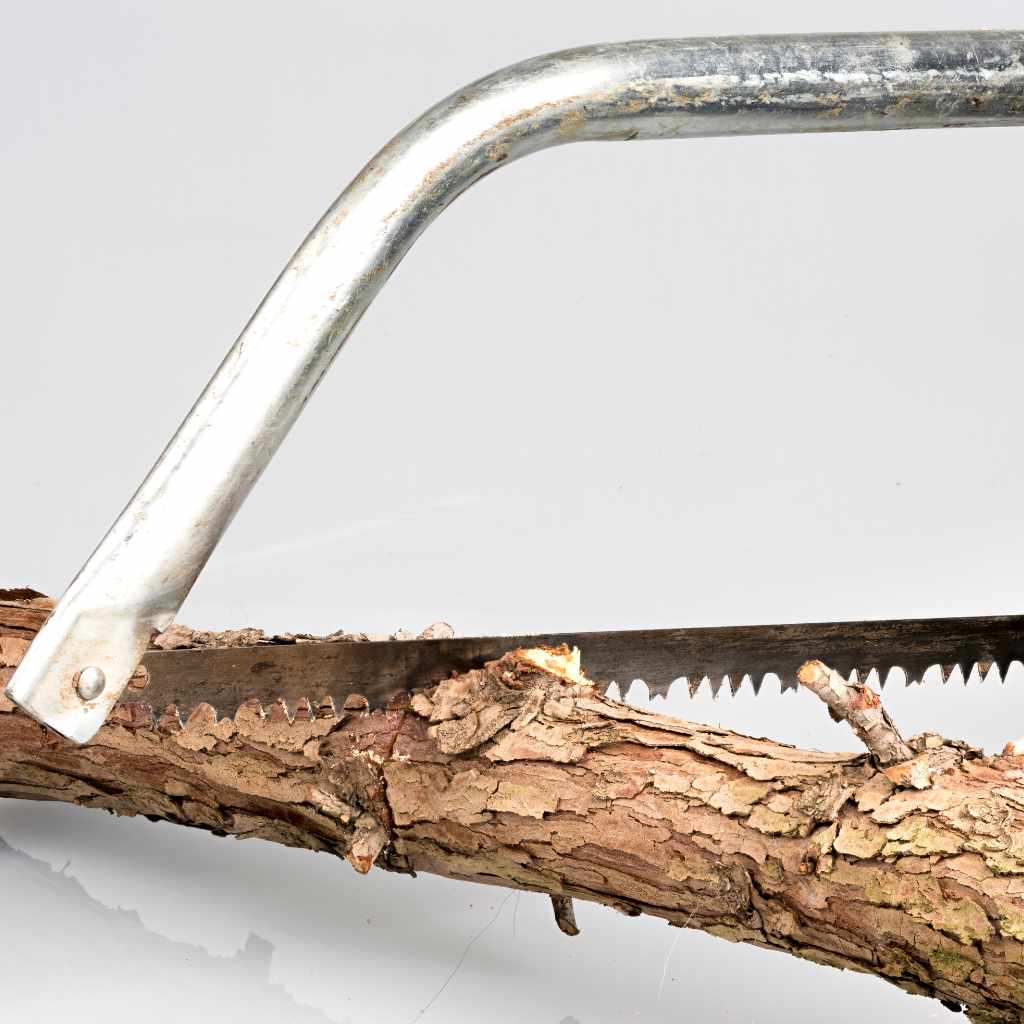
The bow saw stands out with unique features that make it ideal for heavy cutting tasks. Its design and build focus on strength and ease of use. Understanding these features helps choose the right saw for outdoor work.
Each part of the bow saw plays a role in its performance. The blade, frame, and cutting ability all work together for efficient cutting.
Blade Design And Length
The bow saw has a long, narrow blade with sharp teeth. This blade design allows it to cut through thick branches and small logs. Blades usually range from 21 to 28 inches. The length helps cover more area with each stroke. The blade is replaceable and often made of high-carbon steel for durability.
Frame Structure
The frame looks like a bow, hence the name. It is made from metal or strong plastic. The frame holds the blade tightly under tension. This tension keeps the blade straight while cutting. The open design of the frame makes it light and easy to handle. It also provides space to saw larger branches.
Cutting Efficiency
The bow saw cuts quickly through wood with less effort. Its sharp teeth and long blade make smooth, fast cuts. It works well for both wet and dry wood. The tensioned blade reduces bending and allows more control. This efficiency helps finish outdoor tasks faster and with less fatigue.
Pruning Saw Features
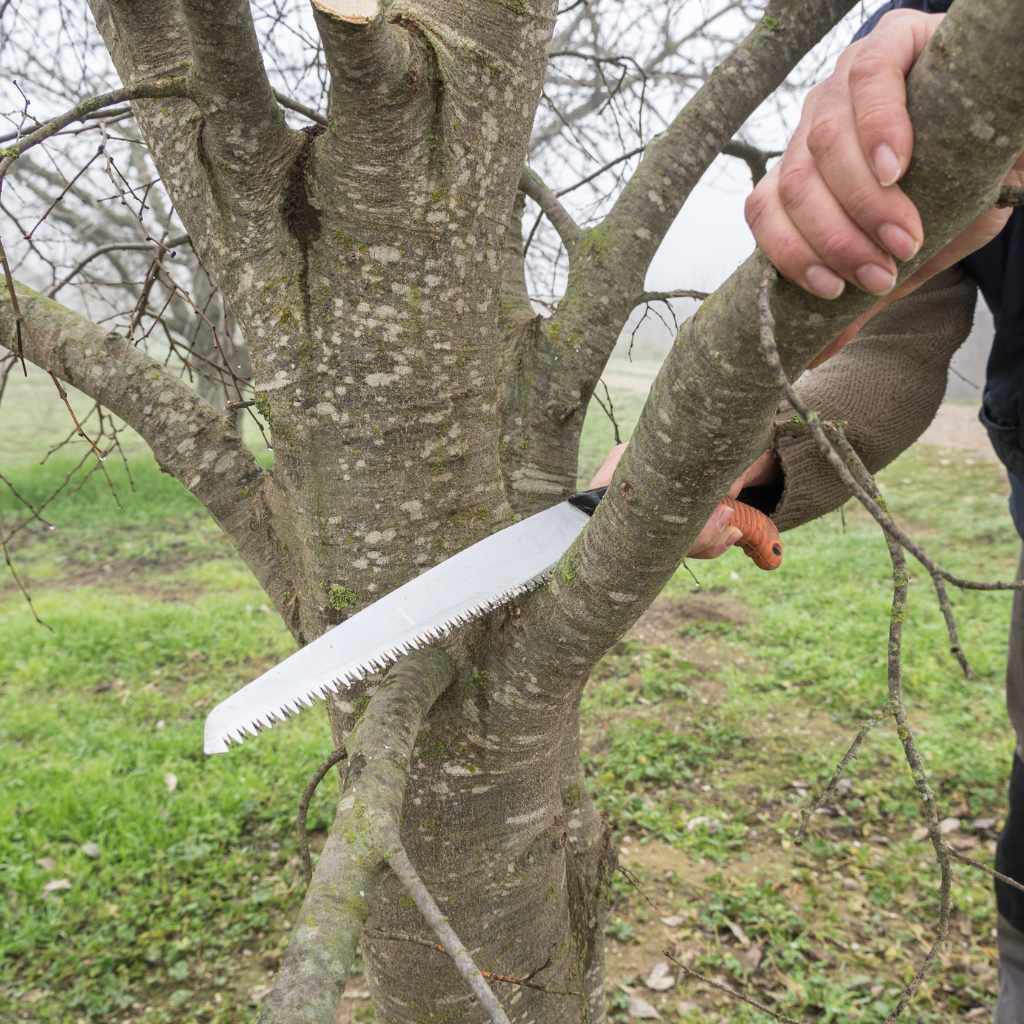
Pruning saws are essential tools for gardeners and landscapers. They help cut branches cleanly and easily. Understanding their features makes choosing the right saw simple. This section explores key pruning saw features.
Blade Types
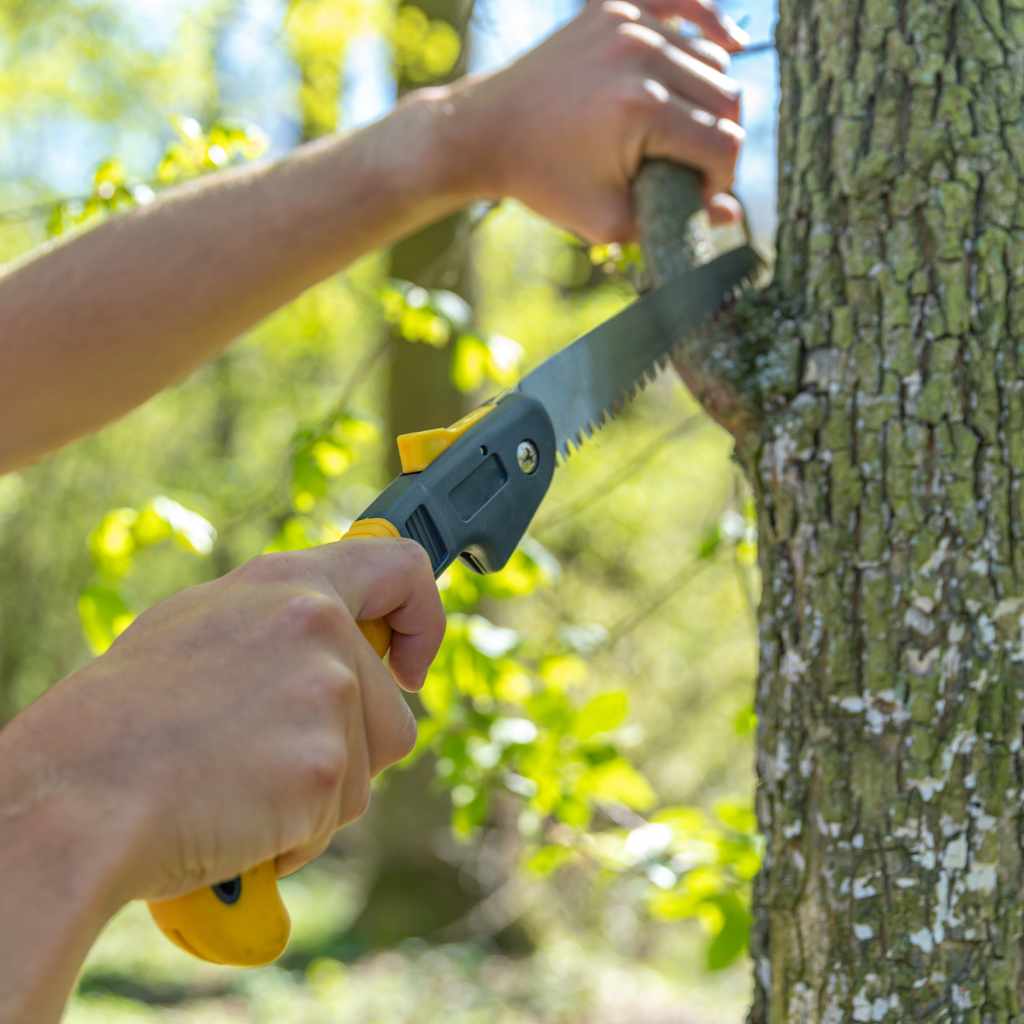
Pruning saw blades come in various shapes and sizes. Some have curved blades for easier cutting on thick branches. Others have straight blades for more control on thin branches. Teeth size also varies to match branch thickness. Sharp, fine teeth work best for small branches. Large, coarse teeth are good for bigger branches. The blade material affects durability and rust resistance. High-quality steel blades last longer and stay sharp.
Handle Comfort
Comfortable handles reduce hand fatigue during use. Many pruning saws have ergonomic handles that fit the hand well. Soft rubber grips prevent slipping, even when wet. Lightweight handles make the saw easier to control. Some handles have non-slip textures for added safety. A good handle helps you work longer without discomfort.
Precision Cutting
Pruning saws are designed for precise cuts to protect plants. Sharp blades cut cleanly, avoiding damage to branches. This helps plants heal faster and stay healthy. Some saws have narrow blades for detailed cutting in tight spaces. Precision cutting reduces effort and improves results. It is important for shaping plants and removing dead wood.
Comparing Cutting Power
Comparing the cutting power of a bow saw and a pruning saw helps choose the right tool. Each saw has strengths that suit different tasks. Understanding how they perform on various wood types, cutting speed, and effort needed reveals which saw fits your needs best.
Type Of Wood
Bow saws work well on thick, rough wood like logs and branches. Their large blades handle dense wood easily. Pruning saws suit smaller branches and softer wood. Their fine teeth cut cleanly without damaging delicate stems.
Cutting Speed
Bow saws cut faster on big wood pieces because of their wide blades. They remove more wood with each stroke. Pruning saws cut slower but give more control. They excel at precise cuts on thin branches.
Effort Required
Bow saws need more strength due to their size and blade toughness. They are best for strong users or heavy-duty jobs. Pruning saws require less effort, making them good for light pruning and long sessions.
Portability And Storage
Portability and storage play a big role when choosing between a bow saw and a pruning saw. You want a tool that is easy to carry and simple to keep at home. Both saws have different features that affect how you handle them. Understanding these differences helps in picking the right saw for your needs.
Weight Considerations
Bow saws are usually heavier due to their metal frame and larger blade. This weight can make them harder to carry for long periods. Pruning saws are lighter, with smaller blades and simpler designs. Carrying a pruning saw is easier, especially for quick jobs or hikes. Weight matters if you need to move a lot while working.
Compactness
Pruning saws are often compact and foldable. They fit easily into small bags or toolboxes. Bow saws are larger and take more space. Their long blades and frames do not fold down much. Storage in tight spaces can be a challenge with bow saws. Compact pruning saws suit those with limited storage room.
Durability
Bow saws have strong frames that hold up well over time. They can handle heavy cutting without bending. Pruning saws, while durable, have thinner blades that may wear faster. Both saws need proper care to last long. Durability depends on build quality and how you store the saw after use.
Safety And Maintenance
Safety and maintenance are key for using both bow saws and pruning saws. Proper care keeps the tools sharp and safe. It also helps avoid accidents during cutting jobs.
Taking time to maintain your saws means they will work well longer. Knowing how to handle and care for these tools protects your hands and body.
Handling Tips
Always wear gloves to protect your hands from cuts. Hold the saw firmly but do not squeeze too hard. Use smooth, steady strokes to cut wood. Avoid forcing the saw; let the teeth do the work. Keep your body balanced to prevent slips or falls. Store saws in a safe place, away from children and pets.
Blade Care
Clean the blade after every use to remove sap and dirt. Use a brush or cloth and mild soap for cleaning. Dry the blade completely to stop rust from forming. Sharpen the teeth regularly with a file to keep cutting easy. Check for bent or broken teeth and replace the blade if needed.
Longevity
Store saws in a dry area to avoid rust and damage. Oil the blade lightly to protect it from moisture. Keep the saw away from extreme heat or cold. Regular maintenance prevents costly repairs or replacements. Taking care of your saws helps them last many years.
Best Uses For Bow Saw
The bow saw is a versatile tool ideal for many outdoor cutting jobs. Its design allows for fast and efficient sawing. The sharp, wide blade cuts through wood with ease. Understanding the best uses helps you choose the right tool for your task. The bow saw shines in specific situations where power and reach matter.
Outdoor Tasks
Bow saws work well in gardens and yards. They cut branches and small trees quickly. Their long blades reach places other saws cannot. Use a bow saw to clear paths or trim bushes. The tool handles rough wood without bending or breaking.
Larger Branches
Cutting big branches is easier with a bow saw. The wide blade makes straight, deep cuts. It removes heavy limbs from trees safely. The bow saw’s frame keeps the blade tight for smooth cutting. This strength helps you finish tough jobs fast.
Firewood Preparation
Bow saws help prepare firewood efficiently. They cut logs into smaller pieces for burning. The tool’s sharp teeth slice through wood fibers cleanly. This saves time and effort compared to other saws. Bow saws make wood ready for stoves or fireplaces.
Best Uses For Pruning Saw
Pruning saws are essential tools for gardeners and plant lovers. They are designed to cut through small to medium branches cleanly and easily. These saws help keep plants healthy and looking good. Knowing the best uses for a pruning saw helps you choose the right tool for your garden work.
Gardening
Pruning saws work well for general garden tasks. They cut branches that are too thick for pruning shears. This tool helps remove dead or damaged wood quickly. It makes garden care faster and less tiring. The saw’s sharp teeth cut smoothly without harming plants.
Fine Branch Work
Pruning saws handle fine branch work with precision. They trim small branches that grow in tight spaces. This helps keep plants neat and tidy. The saw’s slim blade fits where other tools cannot. It prevents damage to nearby leaves and flowers.
Shaping Plants
Shaping plants is easier with a pruning saw. It allows careful cuts to form the desired shape. This is useful for hedges and shrubs. The saw helps create clean edges and smooth curves. It supports healthy growth by removing unwanted parts.
Price And Value
Price and value play a big role when choosing between a bow saw and a pruning saw. Both tools serve different purposes but share some cost similarities. Understanding their price range helps you pick the best tool for your budget and needs.
Cost Range
Bow saws usually cost between $20 and $50. The price depends on size and blade quality. Pruning saws often range from $15 to $40. Smaller saws with basic blades are cheaper. Larger or folding pruning saws may cost more. Both tools offer affordable options for casual users.
Quality Vs Price
Higher price often means better blade sharpness and durability. Bow saws with strong frames and sharp teeth cut faster. Pruning saws with quality blades last longer and stay sharper. Low-cost saws may need frequent blade changes. Choose a tool that balances price with how often you will use it.
Warranty Options
Some brands provide warranties for bow saws and pruning saws. Warranties can cover defects and blade issues. A good warranty adds value and peace of mind. Check the length and coverage before buying. Warranties differ by manufacturer and price point.
Choosing The Right Tool
Choosing the right saw can make your gardening tasks easier and safer. Both bow saws and pruning saws serve different purposes. Picking the best tool depends on what you need and how you work.
Understanding your needs helps you select the right saw. This section breaks down key points to consider before buying.
Assessing Your Needs
Think about the type of cutting you will do. Bow saws cut larger branches and thick wood. Pruning saws are better for smaller branches and precise cuts. The size of the wood matters a lot. Also, consider how often you will use the saw. Frequent use may require a stronger, durable tool.
Tool Versatility
Bow saws can handle rougher jobs and outdoor tasks. They work well for cutting dead branches and firewood. Pruning saws offer more control for shaping plants. Their smaller blades make detailed cuts easier. Choose a saw that fits many tasks you expect to do.
Personal Preference
Comfort and grip affect how you use the saw. Test the weight and handle feel if possible. Some prefer the bow saw’s frame for stability. Others like the pruning saw’s lightness and ease of use. Your strength and hand size also matter. Pick a saw that feels right in your hand.
Frequently Asked Questions
What Is The Main Difference Between Bow Saw And Pruning Saw?
A bow saw has a large, wide frame with a coarse blade for cutting thick branches. A pruning saw is smaller, handheld, and ideal for precise cuts on thinner branches and shrubs.
Which Saw Is Best For Cutting Thick Branches?
Bow saws are best for thick branches due to their strong, wide blade. They cut faster and handle larger wood compared to pruning saws.
Can Pruning Saws Be Used For Detailed Pruning Work?
Yes, pruning saws are designed for detailed pruning. Their curved, sharp blades allow precise cuts without damaging surrounding plants.
Are Bow Saws Suitable For Beginners?
Bow saws can be used by beginners but require caution due to their size and sharpness. They are ideal for larger cutting tasks.
Conclusion
Choosing between a bow saw and pruning saw depends on your task. Bow saws cut larger branches and work well with thick wood. Pruning saws handle smaller branches and offer more control. Both tools have unique strengths for garden work.
Think about what you need to cut most often. This will help you pick the right saw. Using the right tool makes your work easier and faster. Keep your saw sharp and clean for best results. A good saw lasts longer and cuts better.