Electric Saw Blade Sharpener: DIY vs. Pro Cost Compared
An electric saw blade sharpener uses a motorized grinding wheel to restore dull circular saw, table saw, or chainsaw teeth in minutes — but carbide-tipped blades need the original bevel angle kept exact, or the edge chips faster than it did before. Get the angle wrong and you can ruin a $60 blade in one pass. This guide covers how these sharpeners work, when DIY beats a professional sharpening service, and the angle mistake that damages carbide teeth.
Quick Answer
A benchtop electric sharpener (roughly $80–$180) pays for itself after 4–6 blades if you own several saws — but it only works well on HSS and lightly-worn carbide teeth. Badly chipped or heavily worn carbide-tipped blades still sharpen better and last longer at a professional shop, which typically charges $1–$3 per tooth.
What an Electric Saw Blade Sharpener Actually Does
Best Electric Saw Blade Sharpener Pick
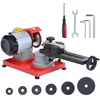
VEVOR Circular Saw Blade Sharpener, 370W Rotary Angle Mill Grinder
A 370W bench-mounted grinder built specifically for carbide-tipped blades, with 6 saw centerings for different diameters and a 5-inch wheel.
- Best for: carbide-tipped circular saw and table saw blades from 3.15″ to 27.5″
- Why we picked it: the adjustable 20° wheel tilt plus 30°/45° handle rotation keeps the original rake angle intact, which is the single most common mistake with cheaper sharpeners
- Main drawback: at $171.99 it costs more than a budget unit, and it’s overkill if you only own one or two blades
Compare more electric saw blade sharpener options
 Option 1 — Budget VEVOR 140W Sharpener, Ceramic & Diamond Wheels
|
 Option 2 — Mid-Range 120V Sharpener with Diamond & Emory Wheels
|
 Option 3 — Chainsaw Chains 230W Electric Chainsaw Chain Sharpener
|
As an Amazon Associate we earn from qualifying purchases.
An electric saw blade sharpener is a bench-mounted machine that holds a dull blade against a spinning grinding wheel, one tooth at a time, to restore the cutting edge. Unlike a hand file, it uses a motor — usually 100W to 400W — to spin a ceramic, diamond, or emery wheel at 2,800–3,800 RPM, which cuts sharpening time from an hour of hand-filing down to 10–20 minutes per blade.
Most models clamp the blade in an indexing arm that rotates it to the next tooth after each grind, so every tooth gets the same angle and the same amount of material removed. That consistency is the main advantage over hand sharpening — it’s also exactly what goes wrong when the wheel angle isn’t set correctly before you start, since the machine will repeat that same wrong angle on every single tooth.
Circular Saw, Chainsaw, and Universal Sharpeners: What’s the Difference?
“Electric saw blade sharpener” covers three genuinely different tools, and buying the wrong one is the most common mistake first-time buyers make.
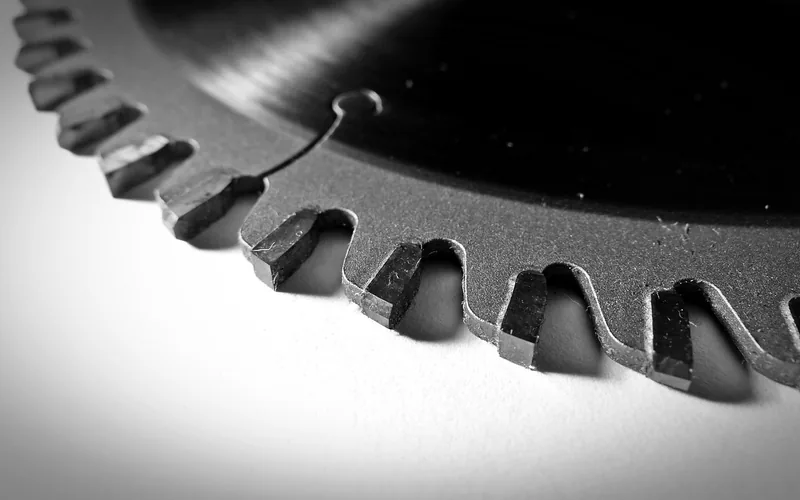
- Circular/table saw blade sharpeners — bench-mounted grinders with an indexing arm built for flat, round blades. They handle circular saw, miter saw, and table saw blades from roughly 3.5″ to 16″ in diameter.
- Chainsaw chain sharpeners — a completely different mechanism that grinds the cutters on a chain loop, not a flat disc. A circular saw blade sharpener cannot sharpen a chainsaw chain, and vice versa.
- Universal sharpening stations — multitask machines that add knife, chisel, and HSS drill bit attachments to a base grinder. Useful if you want one machine for the whole shop, but usually less precise on any single blade type than a dedicated unit.
If your chainsaw chain is what actually needs attention rather than a circular blade, a dedicated chain sharpener will get better results than a universal station.
DIY Electric Sharpener vs. Professional Sharpening: Real Cost Comparison
This is the decision most buying guides skip. A professional sharpening service typically charges $1–$3 per tooth, or a flat $10–$25 for a standard 24–40 tooth blade, with 1–5 business days turnaround. A benchtop electric sharpener costs $80–$230 once, then near-zero per blade after that. The table below breaks down when each option actually wins.
| Factor | DIY Electric Sharpener | Professional Sharpening Service |
|---|---|---|
| Upfront cost | $80–$230 one-time for the machine | $0 upfront |
| Cost per blade | Near-zero after the machine (just wheel wear) | $1–$3 per tooth, often $10–$25 flat for a 24–40 tooth blade |
| Turnaround | 10–20 minutes per blade, same day | 1–5 business days at most shops |
| Best for | HSS blades and carbide blades with light, even wear | Chipped carbide teeth, high tooth-count blades, warranty-sensitive tools |
| Break-even point | ~4–6 blades sharpened, then it’s cheaper than pro service | Cheaper if you only sharpen 1–3 blades a year |
If you own two or three power saws and sharpen blades a few times a year, the DIY sharpener usually pays for itself within a single season. If you sharpen one blade a year, a professional shop’s precision equipment — and their ability to true up a blade that’s been chipped or slightly warped — is worth the per-tooth cost.
Key Features to Look For When Buying One
- Adjustable wheel angle — look for at least 20° of tilt in both directions so the sharpener can match your blade’s factory rake angle instead of forcing one fixed angle on every tooth.
- Wheel material matched to your blades — diamond wheels are required for carbide-tipped teeth; ceramic or emery wheels work fine on steel (HSS) blades but wear out fast on carbide.
- Motor power — 140W is adequate for occasional home use; 300W+ cuts grinding time roughly in half on carbide and holds up better under repeated use.
- Indexing arm and blade clamp — a sturdy clamp that locks the blade in place prevents the uneven, chattery edge that comes from the blade shifting mid-grind.
How to Sharpen a Saw Blade With an Electric Sharpener
Follow these steps in order — skipping the angle-check step is the single most common way a home sharpener damages a good blade.
- Clean and inspect the blade: Brush off pitch, resin, and sawdust with a stiff nylon brush, then check every tooth for cracks or missing carbide tips — a cracked tooth needs replacement, not sharpening.
- Match the sharpener angle to the blade: Check the wheel’s tilt against one unworn tooth before you start. Most electric sharpeners adjust 20°–30° left and right; set it to the blade’s existing rake angle, not a generic default.
- Clamp the blade securely: Lock the blade into the indexing arm or clamp so it can’t shift mid-grind. A loose blade is the most common cause of an uneven, chattery edge.
- Grind each tooth with light, even passes: Bring the tooth to the wheel with light pressure, hold for 1–2 seconds, then back off. Index to the next tooth and repeat, keeping pressure and dwell time identical across every tooth.
- Let the blade cool between passes: If a tooth looks discolored or feels hot to the touch, stop and let it cool before continuing — overheating is what draws the temper out of steel or cracks carbide.
- Inspect the finished edge: Run a fingernail (not a fingertip) lightly across each tooth to confirm an even edge, and sight down the blade to check all teeth sit at the same height and angle.
Carbide vs. HSS Blades: The Angle Mistake That Ruins Blades
Carbide-tipped teeth are brazed-on tungsten carbide — extremely hard, but brittle. HSS (high-speed steel) teeth are cut directly into the blade body — softer, but tougher and more forgiving to sharpen. The angle that works for one can ruin the other.
Steel can hold a very thin, acute edge without failing. Carbide can’t — grinding a carbide tooth to a steeper bevel than it was designed for makes it feel razor-sharp off the wheel, but the thin edge chips out within the first few cuts because carbide doesn’t flex the way steel does. The fix is simple but easy to skip: check the existing angle on an unworn tooth before you touch the grinding wheel to a worn one, and match it exactly rather than guessing at a “standard” angle.
Safety Precautions and Common Mistakes
- Wear cut-resistant gloves and eye protection when handling blades before and after sharpening — freshly ground teeth are sharper than they look.
- Unplug the sharpener before changing blades or wheels, and check that the grinding wheel is undamaged before every use.
- Don’t force the pressure. Heavy pressure to speed up a grind is what overheats the tooth and draws the temper out of steel or cracks carbide — let the wheel do the work.
- Don’t sharpen a blade with cracked or missing carbide tips. Replace the blade instead; grinding around a crack can cause a tooth to break off during use.
Maintaining Your Electric Saw Blade Sharpener
Clean sawdust and metal grit off the sharpener after every use with a soft brush or compressed air — buildup around the motor and wheel housing is the most common cause of premature motor failure. Inspect the grinding wheel for uneven wear or glazing (a shiny, smooth surface that stops cutting effectively) and replace it once grinding starts taking noticeably longer. Store the machine in a dry area; rust on the indexing arm or clamp is what eventually throws off the angle consistency that makes an electric sharpener worth owning in the first place.
Frequently Asked Questions
Can you sharpen carbide-tipped saw blades yourself?
Yes, but carefully. A diamond-wheel electric sharpener can resharpen carbide teeth, but carbide is hard and brittle rather than tough like steel. Grinding a steeper bevel than the tooth originally had — a common home-sharpening mistake — makes the edge feel sharper to the touch but chips out faster under load. Keep the factory angle and take light passes.
How often should you sharpen a saw blade?
Sharpen a circular saw or table saw blade when cuts start burning the wood, feeding gets noticeably harder, or you see chip-out on the exit side — typically every 50–100 linear feet of hardwood, sooner in plywood or MDF, which dulls carbide faster than solid wood.
Is it cheaper to sharpen a blade or buy a new one?
For blades under about $25, replacement is usually cheaper than a $10–$25 professional sharpening bill. For premium blades ($40+), sharpening — whether DIY or professional — almost always costs less than replacement, and a quality carbide blade can typically be resharpened 3–5 times before the teeth run out of carbide to grind.
What angle do you sharpen a circular saw blade at?
Most circular saw blades use a 15°–20° hook or rake angle set at the factory. The safest approach with any electric sharpener is to check the wheel angle against an unworn tooth on the same blade before grinding, rather than assuming a fixed number — angles vary by blade design and tooth style (ATB, FTG, TCG).
Do electric sharpeners damage saw blades?
They can, if used incorrectly. Applying too much pressure or holding the blade against the wheel too long generates heat that can draw the temper out of steel teeth or crack carbide tips. Light, even passes with brief pauses to let the tooth cool are what actually protects the blade — speed for its own sake is what causes damage.
Conclusion
An electric saw blade sharpener earns its keep if you own a few saws and sharpen blades several times a year — it beats professional sharpening on cost and turnaround once you pass roughly the fourth or fifth blade. For a single occasional blade, or for carbide teeth that are chipped rather than just dull, a professional sharpening service still delivers a more precise, longer-lasting edge. Whichever route you choose, matching the original tooth angle — not just getting the edge sharp — is what actually determines how long the blade lasts afterward.
For related sharpening jobs, see our guides to crosscut hand saw sharpening tools and the full woodworking saws & tools guide.
Sponsored / affiliate links. As an Amazon Associate I earn from qualifying purchases. I may earn additional commission from eligible campaigns.