How to Attach a Hammock to a Stand: Check the Weight Rating and Hardware First
Most hammock stands attach through a simple three-piece hardware chain – crossbar, frame bar, and J-hook – connected to the hammock’s rope loop, S-hook, or chain, not raw knots. Skipping the stand’s weight rating (usually 400-600 lbs) or leaving one side higher than the other is what makes stands tip or hammocks dump riders. This guide covers wood vs. metal vs. portable stand hardware, the exact assembly steps, and the 30-degree hang angle that keeps a hammock comfortable without straining the frame.
Quick Answer
Secure the crossbar to the base, the frame bar to the crossbar, and the J-hooks to the frame bar using the stand’s own knobs and wrench – then hang the hammock’s loops, chains, or S-hooks onto the J-hooks on each end. Check that both hooks sit at the same height and that the stand’s weight rating covers everyone who will use it before you climb in.

Types Of Hammock Stands
Hammock stands fall into three categories – wood, metal, and portable – and the material decides both the weight rating and how permanent the setup is. All three use the same basic idea: a base, a frame bar spanning the top, and a hook or eyelet at each end to hold the hammock.
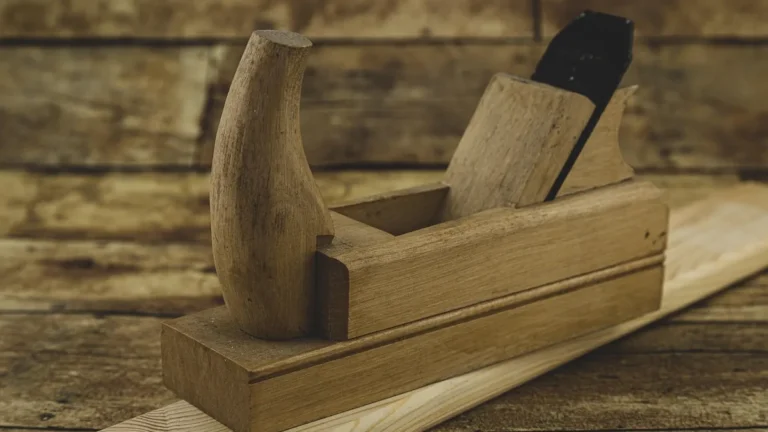
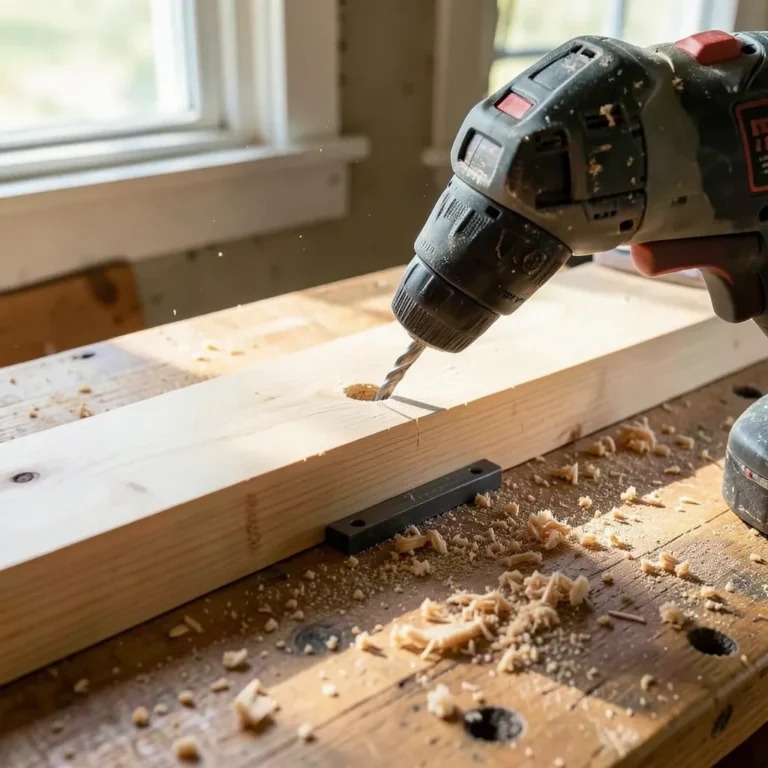
Wooden hammock stands are built from cedar, pine, or pressure-treated lumber and typically hold 300-450 lbs. They need pilot-drilled, lag-bolted joints rather than screws alone at the leg-to-crossbar connection, since that joint takes the full swinging load every time someone gets in or out – the same joinery principle covered in our woodworking tips hub. Wooden stands come in light or dark finishes to match a deck or patio, but they’re the least portable option – most are assembled once and left in place, often alongside a permanent structure like a backyard wood deck.
Metal hammock stands use powder-coated steel tubing and are rated higher on average (400-600 lbs), since steel tube walls resist the bending load better than a solid wood beam of the same weight. They bolt together with knobs and a wrench instead of screws, which is why they’re also the easiest to take apart for winter storage.
Portable hammock stands use thinner steel tubing to cut weight, which is why their capacity usually tops out lower (350-450 lbs) than a full-size metal stand. They fold down into a carrying case for camping or beach trips, but that lighter tubing is also why they’re more prone to wobble on soft ground unless the base is fully spread out.
| Stand Type | Typical Weight Capacity | Typical Price | Best For |
|---|---|---|---|
| Wood | 300-450 lbs | $150-$400 | Permanent patio/deck installs, matching existing outdoor woodwork |
| Metal (standard) | 400-600 lbs | $80-$180 | Backyard use, two-person hammocks, easy seasonal takedown |
| Portable | 350-450 lbs | $50-$110 | Camping, beach trips, apartment patios with limited storage |
Tools And Hardware You’ll Need
Attaching a hammock to a stand only takes four things: the hammock itself, the stand, the connecting hardware (S-hooks, chains, or straps), and the wrench that usually ships with the stand’s hardware kit. If you’re building the stand’s supports yourself rather than buying a kit, the same lag-bolted joint technique used in our wooden sawhorse build guide applies to a hammock stand’s leg-to-crossbar connection.
- Hammock: check its listed length against the stand’s spread – most 9-foot stands are sized for hammocks between 11 and 13 feet long, measured end-loop to end-loop.
- Hammock straps or chains: straps protect tree bark and are adjustable in small increments; chains and S-hooks give finer height adjustment but add metal-on-metal wear points that are worth inspecting once a season.
- Hooks and chains: match the hook’s rated capacity to the stand’s rated capacity, not just the hammock’s – the weakest link in the chain sets the real safe load, not the average.
- Stand: confirm the base spread (the distance between the front and back legs) is wide enough for the space – most full-size stands need roughly 5 feet of clearance on each side.
How To Assemble A Hammock Stand
Assembling a stand before attaching the hammock takes four connections, all made with the knobs and wrench included in the hardware kit – no separate tools required for most metal and portable stands.
- Lay out your parts: unpack everything and check the part list against what’s in the box before starting – a missing knob or bent frame bar is easier to catch now than mid-assembly.
- Secure the crossbar to the stand base: insert the crossbar into the base and tighten the knob by hand, then snug it with the wrench so the joint doesn’t work loose under load.
- Attach the frame bar to the stand base: line up the frame bar’s holes with the base, insert the knob, and tighten with the wrench until the frame bar sits flush and doesn’t rock.
- Attach the J-hooks to the frame bar: align each J-hook’s holes with the frame bar, insert the knob, and make sure the hook opening faces outward and slightly upward so the hammock’s loop can’t slip off sideways.
- Attach the hammock to the J-hooks: lift the hammock onto both hooks so it’s centered on the stand, then slide the hooks closer together or farther apart to set the tension you want.
Best Hammock Stand Pick
 |
Amazon Basics 2-Person Heavy-Duty Hammock Stand – $103.20 A 9-foot steel-tube stand rated for 400 lbs – fits the S-hook/carrying-case style covered in the assembly steps above, and disassembles into the included bag for winter storage.
|
As an Amazon Associate we earn from qualifying purchases.
Attaching The Hammock To The Stand
Once the stand is assembled, attaching the hammock itself comes down to two methods: chains and hooks, or straps. Both get you to the same result – a level hammock with even tension on both ends.
Using Chains And Hooks
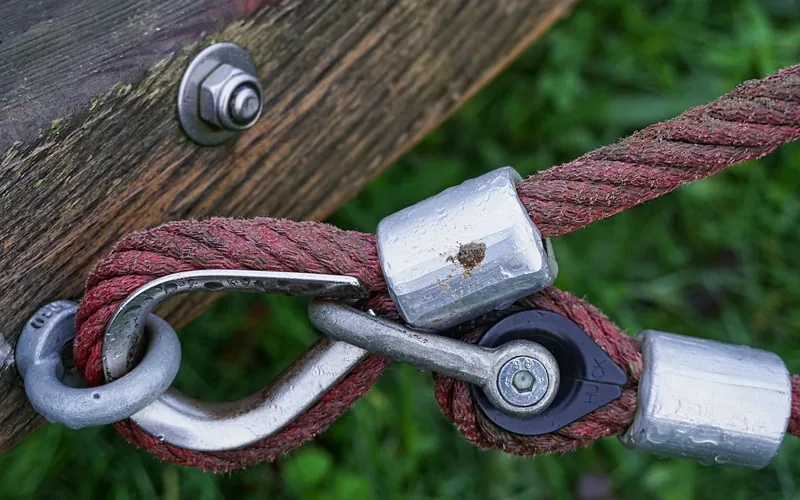
- Secure the chains to the hooks on each end of the hammock, matching the chain length on both sides.
- Wrap the chains around the top frame bar of the stand.
- Attach the hooks at the end of the chains to the S-hooks on the stand.
- Check that both attachment points sit at the same height before letting go.
Using Hammock Straps
- Wrap the strap around the top frame bar and clip it back onto itself.
- Loop the hammock’s end through the strap and tie it off, or clip it with a carabiner if the strap has one.
- Repeat on the other side, matching the strap length so the hammock hangs level.
📊 Aim for roughly a 30-degree angle between the hammock’s straps and the ground, with the bottom of the hammock about 18 inches off the ground – that angle gives enough sag to sit comfortably without over-stressing the frame or your back. Source: REI Expert Advice, 2026
Common Mistakes That Make A Stand Tip Or Sag
Most stand failures trace back to one of four setup mistakes, not a defective stand.
- Mismatched hook heights: if one J-hook sits even an inch higher than the other, weight shifts toward the low side and can walk a hook off its bar over repeated use.
- Ignoring the stacked weight rating: a stand’s rating covers everyone using it at once, not one person – two adults totaling 500 lbs on a 450-lb-rated stand is over the limit even if each person individually is within range.
- Over-tightening straps on a wooden stand: cranking a strap drum-tight transfers more shock load into the leg-to-crossbar joint on every sit-down; a wood joint that’s lag-bolted (not just screwed) handles this far better than one that isn’t.
- Setting up on soft or sloped ground: a stand rated for hard, level ground can sink unevenly on grass or sand, which throws off the hang angle even when the hardware itself is installed correctly.
“On a wooden stand, the leg-to-crossbar joint is doing the same job as a mortise-and-tenon joint on a chair – it’s absorbing a swinging, off-center load every time someone gets in. Lag bolts through pre-drilled pilot holes hold up here; screws alone tend to work loose within a season of regular use.”
Hanging A Hammock Without A Stand
If you don’t have a stand, sturdy trees, posts, or a covered structure work as long as the anchor points are spaced correctly and rated to hold the load.
Wrap Straps Around Trees
Space the trees 10-14 feet apart and wrap tree-friendly straps (at least 0.75 inches wide) around each trunk at roughly 5-6 feet off the ground. Narrow rope digs into bark and can damage a tree’s growth layer over time, which is why wide webbing straps are the safer choice for anything other than a one-time setup.
Use A 4×4 Post Setup
A properly set 4×4 post set in concrete footing can support a hammock, but the post needs to be buried deep enough (typically a third of its above-ground height) to resist the sideways pull of a loaded hammock – a post that’s just driven into loose soil will lean or pull out over time.
Hang From A Sturdy Structure
A pergola, porch beam, or covered patio frame can work if it’s structurally rated for the load – use eye bolts driven into a joist or beam (never just drywall or a fascia board), and keep the same 8-9 foot spacing and 30-degree hang angle used for tree setups.
What To Check Before You Buy Or Build A Stand
- Location: pick a flat, level spot with clearance on both ends – outdoors that means sturdy trees, set posts, or a rated structure; indoors it means a wooden ceiling joist, never drywall alone.
- Measurements: match hammock length to stand spread (roughly 11-13 feet of hammock for a 9-foot stand) and measure the chain or rope length so both sides end up equal.
- Weight limit: add up everyone who might use the hammock at once and compare that total against the stand’s rated capacity, not just the heaviest single user – use a weight limit calculator if you’re building rather than buying.
Frequently Asked Questions On How To Attach A Hammock To A Stand
What Do You Attach A Hammock To?
A hammock can attach to a stand, sturdy trees, set posts, concrete or brickwork anchors, or a wooden ceiling joist indoors. On a stand, the crossbar, frame bar, and J-hooks connect together with knobs, and the hammock’s loop, chain, or strap hangs from the J-hook on each end.
Will A 4×4 Post Hold A Hammock?
Yes, if it’s set in concrete footing deep enough to resist sideways pull – typically about a third of the post’s above-ground height. A post that’s just driven into loose soil without concrete can lean or work loose under a hammock’s swinging load.
How Do You Tighten A Hammock On A Stand?
Pull the hammock’s rope or strap snug and wrap any excess around the stand’s frame bar before attaching the loop to the hook on each end. Aim for the 30-degree hang angle described above rather than pulling it as tight as possible, which just transfers more stress into the frame and makes the hammock feel flat instead of cradled.
How Do You Hang A Hammock Without A Hook?
Loop two lengths of sturdy rope or webbing straps around the hammock’s end-loops and secure them to trees, posts, or a rated structure with a knot or carabiner. This works without any hooks or a stand at all, and wide webbing straps are gentler on tree bark than rope.
How Long Do Hammock Stands Last?
A powder-coated steel stand kept dry or covered typically lasts 5-10 years before the finish or joints need attention; a wooden stand left outdoors uncovered usually needs joint re-tightening or a fresh sealant coat every 1-2 years to prevent the lag-bolted connections from loosening as the wood moves with humidity.
Conclusion
Attaching a hammock to a stand comes down to matching the hardware – crossbar, frame bar, J-hooks – and checking two numbers before you relax in it: the stand’s weight rating against everyone who’ll use it, and the roughly 30-degree hang angle that keeps the frame from taking unnecessary stress. Get those right and the rest is just tightening knobs.
Sponsored / affiliate links. As an Amazon Associate I earn from qualifying purchases. I may earn additional commission from eligible campaigns.