Cabot vs Valspar Stain: Why They’re Not Really Rivals
Cabot and Valspar aren’t really rival brands – Valspar Corporation acquired Cabot in 2005, and Sherwin-Williams then acquired Valspar Corporation in 2017, so both brands have been under the same corporate roof for years. That doesn’t mean the products are identical, but it does explain why “premium vs. budget” isn’t the clean divide marketing on the shelf suggests – both brands draw on overlapping formulation know-how from the same parent company.
The Ownership History That Explains the Overlap
Best Stain for Full-Sun Decks
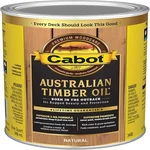 |
Cabot Australian Timber Oil, 1 Quart – $31.78 The oil-based, UV-focused formula this article recommends for decks and surfaces that take full sun.
|
Samuel Cabot Incorporated was an independent, family-run stain maker dating back to 1877 before Valspar Corporation bought it in 2005 and kept the Cabot name as a distinct product line. When Sherwin-Williams completed its acquisition of Valspar Corporation in 2017 for roughly $9.3 billion, Cabot came along as part of that portfolio. Both brands are positioned differently at retail – Cabot generally sits in the “premium” shelf slot, Valspar in the more accessible one – but that’s a marketing and pricing decision by the same parent company, not evidence of two unrelated manufacturers competing head-to-head on totally separate formulations.
Where the Products Actually Differ
Positioning aside, the two lines are formulated and marketed for somewhat different jobs. Cabot’s flagship exterior lines, like its Australian Timber Oil, lean on oil-based, deep-penetrating formulas marketed specifically around UV resistance and long intervals between recoats on decks and fences that take direct sun. Valspar’s stain lineup skews toward more accessible, easier-to-apply formulas – including more water-based options – aimed at a broader range of buyers tackling smaller projects, from fences to furniture, who want a straightforward result without researching oil-based application technique first.
Durability: Where the Price Difference Shows Up
The real-world gap between the two shows up in recoat frequency more than in how the stain looks on day one. An oil-based, UV-formulated exterior stain in Cabot’s line is built to hold color and shed water on a deck getting full sun for a longer stretch before it needs a fresh coat, which is where its higher shelf price earns its keep on a high-exposure surface. Valspar’s more general-purpose formulas hold up fine for lighter-exposure surfaces – a shaded fence, porch furniture, or a project you don’t mind touching up every couple of years – but a deck in constant sun will likely ask for a recoat sooner with a budget-tier product than with a stain purpose-built for that exposure.
Picking Based on the Actual Project
A full-sun deck or dock that gets heavy foot traffic and weather exposure is the scenario where paying more for a UV-focused, oil-based exterior formula pays for itself in fewer recoats. A fence, shed trim, or shaded porch furniture is a reasonable place to use a more affordable, easier-to-apply water-based stain, since the exposure and wear are lower and the interval between touch-ups matters less. For interior furniture or trim, either line’s interior-rated products come down to color and sheen preference more than durability, since neither has to fight UV or standing weather indoors.
Application Basics Apply to Both
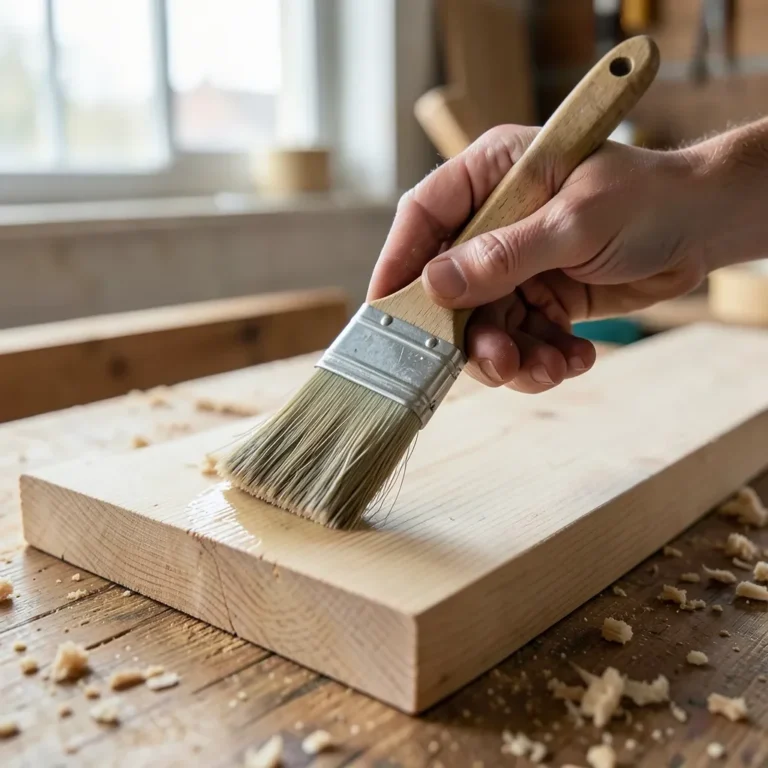
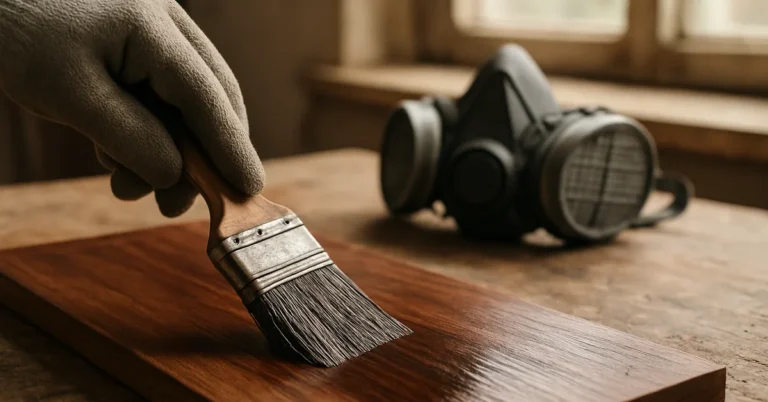
Surface prep matters more than brand choice for how either stain actually performs: clean the wood of dirt, mildew, and any old finish, sand to open the grain, and apply in even strokes following the grain, wiping off excess before it dries on the surface rather than soaking in. Oil-based stains generally need more drying time between coats and have a stronger odor during application; water-based versions dry faster and clean up with just soap and water, which is part of why they’re marketed as the easier option for a first-time DIYer.
Frequently Asked Questions
Is Cabot stain better than Valspar stain?
For high-exposure surfaces like a sun-exposed deck, Cabot’s oil-based, UV-focused exterior formulas typically hold up longer between recoats. For lighter-duty projects like a shaded fence or furniture, Valspar’s more affordable, easier-to-apply stains perform well and cost less.
Are Cabot and Valspar made by the same company?
Yes. Valspar Corporation acquired Cabot in 2005, and Sherwin-Williams acquired Valspar Corporation in 2017, so both brands have been under the same parent company for years, even though they’re marketed and priced differently at retail.
Do I need to prime wood before staining with Cabot or Valspar?
Generally no – stain is designed to penetrate raw or previously stained wood, not sit on top of a primer coat. Surface cleaning and sanding matter far more than priming for how well either brand’s stain performs.
What’s the difference between oil-based and water-based stain?
Oil-based stains penetrate deeper into the wood and generally last longer outdoors, but take longer to dry and have a stronger odor during application. Water-based stains dry faster, clean up with soap and water, and have less odor, but may need more coats for the same level of protection.
Bottom Line
Cabot and Valspar have shared a corporate parent since 2017 (and Cabot has been Valspar-owned since 2005), so this isn’t really a battle between two independent manufacturers – it’s a choice between two product lines aimed at different budgets and exposure levels. Spend more on Cabot’s oil-based exterior line for a deck in full sun, and save with Valspar for lighter-duty or indoor projects.
If you’re weighing a deck stain choice against Olympic instead of Valspar, our Olympic vs Cabot deck stain comparison covers that matchup in the same depth.
Sponsored / affiliate links. As an Amazon Associate I earn from qualifying purchases. I may earn additional commission from eligible campaigns.