Minwax Stain Colors Chart (2026): All Color Numbers + Gel
Minwax Wood Finish, the oil-based stain behind most “Minwax stain colors” searches, comes in 35 numbered colors in Minwax’s current color library, from Natural 209 to Ebony 2718. Gel Stain adds 10 more colors, and eight touch-up markers match the most popular shades. Each color below is listed by can number and tone family so you can order the exact shade. Check the number, not just the name: some names exist only in Minwax’s water-based line.
The swatches below are reference colors only. Minwax notes that its on-screen colors are reproduced digitally and tells you to test on a hidden area, because the same stain reads differently on pine, oak and maple (see the species table further down). Not sure which finish type you need first? Start with our guide to wood finishes. Comparing brands? See the Varathane color chart and our Minwax vs Varathane comparison.
Light & Natural Tones
Medium Browns Tones
Reds & Warm Tones Tones
Dark & Rich Tones Tones
Gray & Cool Tones Tones
More Minwax Wood Finish colors. The swatches above cover the classic wood tones. Minwax’s color library lists 13 more oil-based Wood Finish colors, mostly grays, whites, blues and reds. Numbers are from Minwax’s own Wood Finish page.
| Color | Number | Note |
|---|---|---|
| Honey | 272 | Wood Finish line |
| Espresso | 273 | Charted with the Dark Walnut stain marker |
| True Black | 274 | Wood Finish line |
| Simply White | 275 | Also sold as a Gel Stain color |
| Mocha | 280 | Wood Finish line |
| Rustic Beige | 281 | Wood Finish line |
| Silvered Gray | 282 | Wood Finish line |
| Aged Barrel | 283 | Wood Finish line |
| Slate | 284 | Also sold as a Gel Stain color |
| Navy | 286 | Wood Finish line |
| Barn Red | 287 | Wood Finish line |
| Vintage Blue | 288 | Wood Finish line |
| Phantom Gray | 1089 | Wood Finish line |
Looking for a color that is not here? We did not find an oil-based “English Walnut” in Minwax’s current color library. The closest named colors are English Chestnut 233, Special Walnut 224 and Dark Walnut 2716.
Minwax Gel Stain Color Chart
Best Gel Stain Pick | |
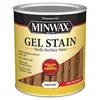 |
Minwax Gel Stain, Chestnut 1176, 1 Quart: $22.79 Chestnut is one of the 10 Gel Stain colors in the chart below. Minwax rates a quart at 200 square feet of coverage.
|
As an Amazon Associate we earn from qualifying purchases.
Minwax Gel Stain is a thick-bodied, non-drip stain that stays closer to the wood surface than Wood Finish, which Minwax says gives you more color control and suits vertical surfaces like doors and molding. It also goes on veneer, metal and fiberglass (see our guide to staining a fiberglass door). If regular stain turns pine or maple blotchy, compare the two in our gel vs oil stain guide.
| Gel Stain Color | Number | Note |
|---|---|---|
| Simply White | 275 | Also sold as a Wood Finish color |
| Cherrywood | 1175 | Gel line |
| Slate | 284 | Also sold as a Wood Finish color |
| Chestnut | 1176 | Our pick above |
| Mahogany | 1180 | Gel line |
| Hickory | 1178 | Gel line |
| Aged Oak | 1024 | Gel line |
| Coffee | 1177 | Gel line |
| Walnut | 1125 | Gel line |
| Black | 1173 | Gel line |
Gel stain vs. regular stain: Minwax Gel Stain is thick-bodied and stays toward the surface, so it is easier to control than a thin penetrating stain. For bare soft woods such as pine, Minwax’s own prep steps say to apply Pre-Stain Wood Conditioner first for even color, and its product guide says oil-based stains (Wood Finish and Gel Stain) pair with the oil-based conditioner, not the water-based one. Apply gel stain with a brush or lint-free cloth, then add a clear protective finish after at least 24 hours.
Minwax Stain Marker Color Chart
Minwax makes eight Wood Finish stain markers, each 1/3 oz, for touching up nicks and scratches on furniture, moldings, cabinets, doors and floors. According to Minwax’s product guide they use a marker-type dispenser, are ready for immediate use, and clean up with mineral spirits. Each marker is charted against a group of Wood Finish colors, so you pick the nearest one rather than an exact match:
| Stain Marker | Wood Finish colors it is charted against |
|---|---|
| Golden Oak 210B | English Chestnut, Golden Oak, Natural, Weathered Oak |
| Provincial 211 | Driftwood, Provincial, Special Walnut |
| Red Oak 215 | Red Oak |
| Red Mahogany 225 | Red Chestnut, Red Mahogany |
| Early American 230 | Early American, Fruitwood |
| Cherry 235 | Cherry, Colonial Maple, Golden Pecan, Gunstock, Ipswich Pine, Sedona Red |
| Dark Walnut 2716 | Dark Walnut, Espresso, Jacobean |
| Ebony 2718 | Ebony |
There is no Minwax stain marker for Classic Gray, Simply White, Honey or the newer blues and reds, so those finishes need a different touch-up approach. Always test the marker on a hidden spot first. For a full walkthrough of matching and blending, see our stain marker guide or the best markers for wood roundup.
Choosing the Right Minwax Stain for Your Wood Type
Not all woods accept stain the same way – if you’re deciding between product types, see our guide on the how to stain wood by project and wood type. Porous woods like oak and ash drink stain quickly and show rich, even color – see our oak floor stain colors guide for shade-specific picks. Tight-grained woods like maple and cherry can turn blotchy with regular stain because they absorb inconsistently. Here’s a quick reference (color picks are our suggestions, not Minwax recommendations):
| Wood Type | Recommended Stain Type | Best Color Choices |
|---|---|---|
| Oak | Regular Wood Finish | Golden Oak, Early American, Dark Walnut |
| Pine | Gel Stain (or pre-conditioner + regular) | Natural, Honey, Ipswich Pine |
| Maple | Gel Stain | Colonial Maple, Special Walnut |
| Cherry | Gel Stain or light regular stain | Red Mahogany, Provincial |
| Walnut | Regular or none (beautiful natural) | Dark Walnut, Natural |
| Whitewood (SPF) | Gel Stain or pre-conditioner + regular | Simply White, Natural, Honey |
| Yellawood (Southern Yellow Pine) | Gel Stain or pre-conditioner first | Ipswich Pine, Early American, Natural |
| Ash | Regular Wood Finish | Classic Gray, Weathered Oak |
For soft maple and hard maple differences that affect how stain absorbs, see our breakdown of hard vs soft maple.
How the Same Minwax Color Looks on Pine, Birch, Poplar and Oak
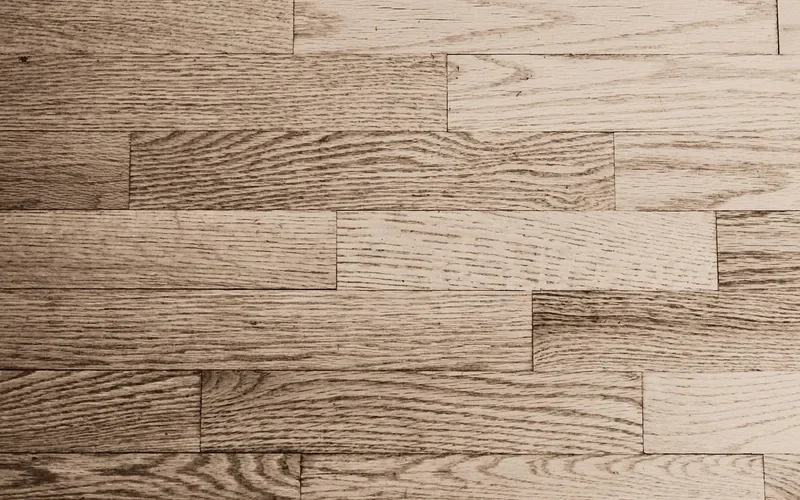
The same Minwax color can look different on every species. The most useful public test we found is a six-stain, five-wood study by ChrisLovesJulia, published as a Minwax-sponsored guest post on Minwax’s blog (the opinions are the authors’). It stained pine, birch, poplar, white oak and red oak with and without Pre-Stain Wood Conditioner. Source: Minwax Blog, How Six Different Stains Look on Five Popular Types of Wood.
| Wood | Natural undertone | What the test showed |
|---|---|---|
| Pine | Yellow | Golden Pecan looked the least natural on pine; Dark Walnut came out pinkish gray with no red; Jacobean turned more gray than brown |
| Birch | Pink | Struggled to take Simply White and Pickled Oak without conditioner; handled Golden Pecan surprisingly well |
| Poplar | Green | Golden Pecan looked a bit like watermelon; Simply White turned the green into a warm gray |
| White oak | Most neutral | Took Golden Oak as a plain neutral brown, with little difference between conditioned and unconditioned wood |
| Red oak | Red | Golden Pecan came out very red; accepted stain well overall |
Two practical takeaways. First, Minwax says its conditioner is especially needed on soft or porous woods such as pine, alder, birch and maple, and in the study the dark stains benefited most from it. Second, if you are staining pine specifically, test a scrap first and read our guide to why stain colors on pine never match the can.
Minwax Wood Finish vs Gel Stain: Published Specs
These numbers come from the Minwax product pages for each line, so you can compare them before you buy.
| Spec | Wood Finish (oil-based) | Gel Stain |
|---|---|---|
| Coverage | 500 to 600 sq ft per gallon | 200 sq ft per quart |
| Dry time | 2 to 3 hours | 24 to 48 hours |
| Recoat time | 2 to 3 hours | 6 hours |
| Recommended coats | 1 | 1 |
| Pack sizes | 1/2 pint, 1 quart, 1 gallon | 1 quart |
| Cleanup | Mineral spirits | Regionally compliant cleaner |
| Use | Interior | Interior |
Doing the math on Wood Finish: 500 to 600 square feet per gallon works out to roughly 125 to 150 square feet per quart and about 31 to 37 square feet per half-pint, which is why a half-pint is a sample size rather than a project size. For more on coverage see how much a quart of wood stain covers.
How to Apply Minwax Wood Stain
Proper application makes the difference between a blotchy result and a professional finish. Minwax’s directions start with bare, clean, dry wood sanded with 220-grit sandpaper in the direction of the grain, with the sanding dust removed.
- Apply Minwax Pre-Stain Wood Conditioner first on soft woods like pine or maple (use the oil-based conditioner with oil-based stains).
- Stir the stain well before and during use. Do not shake or thin it.
- Apply with a brush or lint-free cloth, working with the grain.
- Wait about 5 to 15 minutes, then wipe off the excess with the grain. The longer you wait, the darker and richer the color.
- For a darker color, recoat (Minwax lists a 2 to 3 hour recoat time for Wood Finish). Do not sand between coats.
- Let the stain dry completely, then finish with a clear protective topcoat such as polyurethane.
Safety: Minwax’s label warns that rags, steel wool and sanding residue soaked with Wood Finish can spontaneously catch fire if improperly discarded. Place them in a sealed, water-filled metal container, and never leave a pile of stained rags to dry.
“Never allow any stain to dry on the wood surface, it will prevent the clear finish from adhering and cause other issues.”
Once your stain is dry, you’ll need a topcoat to protect it. See our guide on whether to seal wood after staining for the right finish options.
Minwax vs. Sherwin-Williams Wood Stain Colors
If you’re comparing brands, Minwax and Sherwin-Williams both offer large stain color ranges but differ in product focus. Minwax’s Wood Finish is sold for interior use, including furniture, cabinets, doors, trim, molding and floors. Sherwin-Williams is stronger in exterior stains with products like WoodScapes and SuperDeck. For a full comparison of SW exterior stain colors and codes, see our Sherwin-Williams wood stain color chart, or compare Minwax directly with Varathane in our Minwax vs Varathane test.
Linseed Oil vs. Minwax Stain: Two Different Approaches
Linseed oil and Minwax wood stain serve different purposes, though both are used on bare wood. Understanding the difference helps you choose the right product for your project.
Minwax stain adds color to wood and must be followed by a separate protective topcoat (polyurethane, lacquer, or varnish). It’s primarily a colorant, not a finish.
Boiled linseed oil (BLO) is a penetrating oil finish that protects and conditions the wood fiber. It adds a warm amber tone but doesn’t provide strong color in the way a stain does. BLO dries within 24 hours and typically requires 3 coats.
| Feature | Minwax Wood Stain | Boiled Linseed Oil |
|---|---|---|
| Primary purpose | Add color | Condition and protect wood |
| Topcoat required? | Yes, always | Optional (oil self-seals) |
| Dry time per coat | 2-3 hours | 24 hours |
| Color effect | Wide range (35 Wood Finish colors, 240+ across Minwax lines) | Warm amber tint only |
| Best wood types | Most woods | Outdoor wood, tool handles, furniture |
| Safety note | Rags can self-combust too (Minwax label): sealed, water-filled metal container | Rags can self-combust – soak in water before disposing |
For most interior projects, a clear polyurethane topcoat over Minwax stain offers better long-term durability. If you are deciding between colorant types, our dye vs stain guide covers the key differences.
Frequently Asked Questions
What is the most popular Minwax stain color?
We could not find a published Minwax best-seller ranking, so no honest “most popular” answer exists. What Minwax does highlight: Special Walnut (224) is the 2026 Color of the Year, and Golden Oak (210B), Early American (230) and Dark Walnut (2716) are among the eight colors it makes stain markers for, a good sign they are staples.
Can I mix Minwax stain colors?
Mixing Minwax oil-based Wood Finish colors with each other is a common way to make a custom shade, but Minwax does not publish mixing ratios in the pages we reviewed. Never mix oil-based with water-based stain. Blend a small test batch, record the ratio, and test it on scrap wood of the same species before staining the project.
How long does Minwax stain take to dry?
Minwax lists Wood Finish dry time and recoat time at 2 to 3 hours, with one coat recommended. Gel Stain is slower: 24 to 48 hours to dry and a 6 hour recoat time. Cold or humid conditions extend both, and Minwax says to let the stain dry completely before applying a clear topcoat.
What is the difference between Minwax gel stain and regular stain?
Wood Finish is a thin, penetrating oil-based stain that soaks into the wood. Gel Stain is thick-bodied and non-drip and stays toward the surface, which gives more color control on vertical surfaces and on veneer, metal and fiberglass. Gel Stain has 10 colors versus about three dozen for Wood Finish.
Where can I find the full Minwax color chart?
Minwax publishes its full color library, with more than 240 color options across all lines, on its official Minwax color guide. You can filter by product, opacity and color family. Hardware stores may also carry physical sample chips.
Is Puritan Pine or Pickled Oak still available in oil-based Minwax stain?
In Minwax’s current color guide, Puritan Pine (MW218) and Pickled Oak (MW260) appear only in the water-based Wood Finish lines, not in the oil-based Wood Finish list. Older printed charts, including some third-party ones, still show them as oil-based colors, so confirm the product line and number on the can before buying.
Sponsored / affiliate links. As an Amazon Associate I earn from qualifying purchases. I may earn additional commission from eligible campaigns.