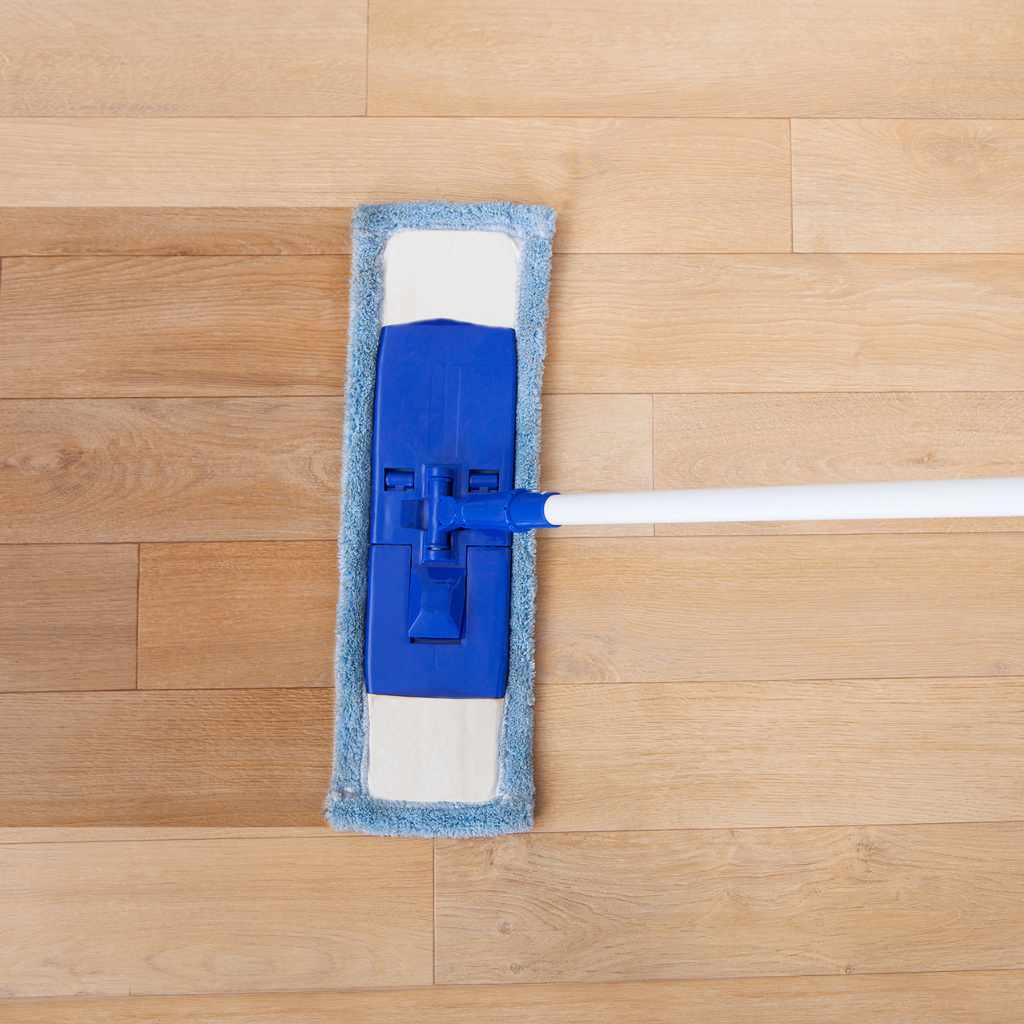
Can Hardwood Floors Be Steam Cleaned Safe Methods
Many homeowners wonder if their beautiful hardwood floors can handle a deep clean with steam. It’s a common question because steam cleaning sounds so effective, but for beginners, the thought of using water and heat on wood can be a bit nerve-wracking. You worry about damaging that lovely finish or causing boards to warp.
Don’t fret! This guide will walk you through exactly what you need to know. We’ll break down how to safely clean your hardwood floors with steam, covering everything from preparation to the actual cleaning process.
Get ready for spotless floors without the worry.
The Truth About Steam Cleaning Hardwood Floors
This section explores whether it’s actually a good idea to steam clean hardwood floors. We will look at the potential risks and benefits, helping you make an informed decision about this cleaning method. Understanding the nature of hardwood and how steam interacts with it is key to preventing damage and achieving a great clean.
Understanding Hardwood Floor Composition
Hardwood floors are made from solid wood, typically oak, maple, or cherry, and are prized for their natural beauty and durability. The wood itself is porous, meaning it can absorb liquids. This is why water can be a problem for unfinished or poorly sealed hardwood.
However, most modern hardwood floors are protected by a finish, which acts as a barrier against moisture. These finishes can include polyurethane, wax, or oil-based sealants. Polyurethane is the most common and offers excellent protection.
The type of finish greatly influences how your floors will react to cleaning. A well-maintained polyurethane finish can withstand some moisture, but prolonged exposure or excessive heat can still cause issues. Wax finishes are more susceptible to heat and can become cloudy or sticky.
Oil finishes offer good protection but may also be affected by high heat or steam. Knowing your floor’s finish is the first step to safe cleaning.
Consider this: A study by the National Wood Flooring Association found that over 80% of residential hardwood flooring in the US is finished with polyurethane. This statistic highlights the importance of understanding your specific floor’s sealing. However, even with a good finish, caution is always advised.
The Role of Steam in Cleaning
Steam cleaning uses hot water vapor to loosen dirt, grime, and stains. The high temperature of steam can kill bacteria and sanitize surfaces effectively without the need for harsh chemicals. When used correctly, steam can be a powerful cleaning tool.
The heat helps to break down grease and dirt, making it easier to wipe away.
However, the effectiveness and safety of steam cleaning depend heavily on the type of steam cleaner and how it’s operated. Some steam cleaners produce very dry steam, which is less likely to introduce excessive moisture. Others can produce wetter steam, which poses a greater risk to wood floors.
The temperature of the steam also plays a role; too hot, and it can damage the finish or even the wood itself.
For hardwood floors, the main concern with steam is the introduction of moisture and heat. If too much water seeps into the wood or the seams between boards, it can lead to swelling, warping, or cupping. The heat can also soften some finishes, making them vulnerable to damage or discoloration.
Therefore, the answer to “Can Hardwood Floors Be Steam Cleaned? Safe Methods” is a qualified yes, but with significant precautions.
Potential Risks of Steam Cleaning Hardwood
The primary risk associated with steam cleaning hardwood floors is moisture damage. Wood is a natural material that expands when it absorbs water and contracts as it dries. If steam introduces too much moisture, it can cause the wood boards to swell, leading to a condition called cupping, where the edges of the boards are higher than the center.
In more severe cases, this can cause permanent warping or even delamination of engineered hardwood floors.
Another risk is damage to the floor’s finish. High temperatures from the steam can soften or even melt certain types of finishes, especially wax-based ones. This can result in a dull, cloudy appearance or a sticky residue that attracts more dirt.
For polyurethane finishes, while generally more durable, excessive heat or prolonged steam exposure can still degrade the sealant over time, compromising its protective qualities.
Furthermore, the pressure from the steam, even if dry, can sometimes force moisture into microscopic cracks or gaps in the finish or between boards. This is particularly true for older floors that may have some wear and tear. Even a small amount of water in these areas can lead to discoloration or mold growth over time.
Example Scenario: Imagine a homeowner using a high-powered steam cleaner on an older oak floor with a slightly worn polyurethane finish. If they hold the steamer in one spot for too long, or if the machine produces a very wet steam, the moisture and heat could penetrate the worn finish. This could cause the wood to swell and the finish to cloud in that localized area, requiring costly repairs.
Safe Steam Cleaning Methods for Hardwood
When considering “Can Hardwood Floors Be Steam Cleaned? Safe Methods,” the key is to use the right equipment and techniques. It’s not about avoiding steam altogether, but about controlling its application.
This means opting for specific types of steam cleaners and using them sparingly and strategically.
Choosing the Right Steam Cleaner
Not all steam cleaners are created equal, especially when it comes to delicate surfaces like hardwood floors. For wood, you want a steam cleaner that offers precise control over moisture output. Look for models specifically designed or recommended for use on sealed hard floors.
Dry Steam Technology is a crucial feature. This means the machine heats water to a very high temperature, creating steam with minimal water content. This dry steam is less likely to saturate the wood.
Some advanced steam cleaners allow you to adjust the steam level, so you can select the lowest setting for your hardwood.
Specialized Hardwood Attachments are also a big plus. Many steam cleaners come with different mop heads or pads. For hardwood, a microfiber pad is ideal as it can absorb any residual moisture quickly.
Some machines have pads designed with extra absorbency or a protective layer to prevent direct contact of hot steam with the floor.
Water Tank Capacity and Heat-Up Time are practical considerations. A smaller tank might mean more frequent refilling, interrupting your cleaning. A longer heat-up time can be frustrating.
However, prioritize features that ensure safety for your floors.
Budget vs. Quality: While budget-friendly steam cleaners might seem appealing, investing in a higher-quality machine with better moisture control can save you from costly floor damage. Brands that specialize in floor care often have models that are more attuned to different floor types.
Example: A homeowner looking to steam clean their maple hardwood floors would prioritize a steam cleaner with a “low steam” setting or a “hard floor” mode. They would avoid machines that only offer high-pressure, very wet steam. Opting for a model that specifically mentions suitability for sealed hardwood is a wise choice.
Preparation Steps for Steam Cleaning
Before you even think about turning on a steam cleaner, proper preparation is essential for both effective cleaning and protecting your hardwood floors. Skipping these steps can lead to disappointing results or even damage.
Clear the Area: Remove all furniture, rugs, and other items from the floor. This ensures you can clean thoroughly and prevents potential damage to items that might be sensitive to heat or moisture.
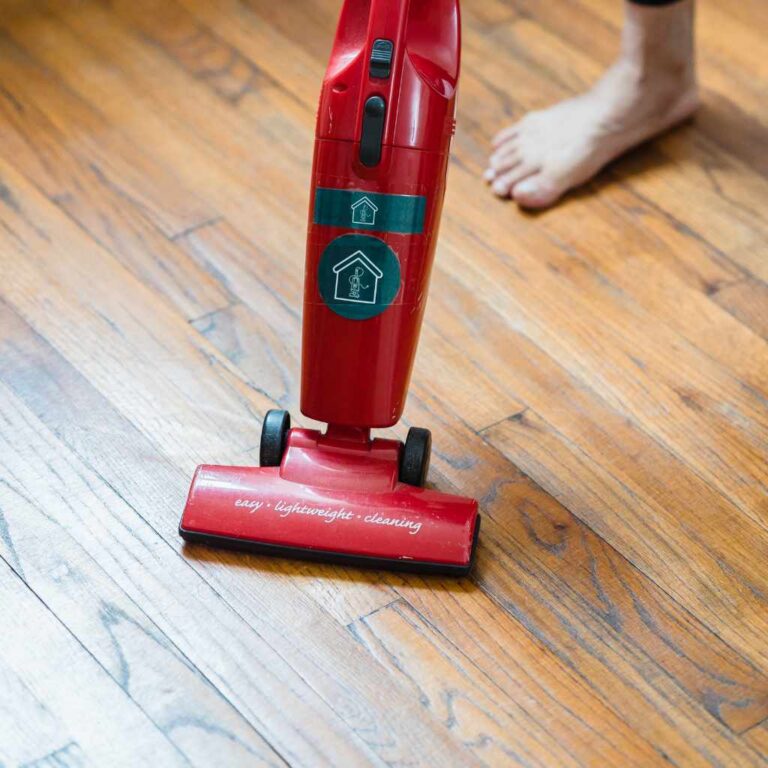
Thorough Dry Cleaning: This is perhaps the most critical preparation step. You need to remove as much loose dirt, dust, and debris as possible before introducing any moisture. Use a high-quality vacuum cleaner with a hardwood floor attachment (one with soft bristles to avoid scratching) or a good quality dust mop.
If there are sticky spots or dried-on spills, gently spot clean them with a damp cloth and a wood-friendly cleaner and allow them to dry completely before steaming.
Inspect Your Floor: Take a close look at your hardwood floors. Check for any gaps, loose boards, or damaged areas in the finish. If you find any such issues, it might be best to avoid steam cleaning altogether or consult a professional.
Steam can easily penetrate damaged areas, causing significant harm.
Check the Finish: Ensure your floor has a sealed finish, like polyurethane. If your floor has a wax or oil finish, steam cleaning is generally not recommended. You can test this by dropping a tiny amount of water in an inconspicuous spot.
If the water beads up, you likely have a sealed finish. If it soaks in quickly, you have an unfinished or unsealed surface.
Read Your Steam Cleaner Manual: Always follow the manufacturer’s instructions for your specific steam cleaner, especially regarding use on different floor types.
Sample Scenario: Sarah is planning to steam clean her living room. First, she moves her couch and coffee table. Then, she spends about 15 minutes vacuuming every inch of the floor, ensuring no crumbs or pet hair are left behind.
She notices a small scuff mark and wipes it with a slightly damp cloth, letting it air dry before proceeding. Finally, she double-checks her steam cleaner’s manual to ensure she’s using the correct pad and setting for sealed hardwood.
The Steaming Process Step-by-Step
Once your floors are prepped and you have the right steam cleaner, it’s time to steam. The key here is speed and minimal moisture contact. You’re not soaking the floor; you’re using hot vapor to lift dirt.
-
Fill the Steam Cleaner: Use distilled water if recommended by your manufacturer. Distilled water prevents mineral buildup in the machine and on your floors.
-
Select the Lowest Steam Setting: For hardwood floors, always start with the lowest moisture or steam output setting. If your machine has a specific “hard floor” or “wood floor” setting, use that.
-
Attach the Microfiber Pad: Ensure a clean, dry microfiber pad is securely attached to the steam mop head. Microfiber is excellent at picking up dirt and absorbing excess moisture.
-
Begin Steaming in a Small Area: Start in a corner or inconspicuous area. Move the steam mop in a slow, steady, back-and-forth motion. Do not let the steam mop linger in one spot for more than a second or two.
You want to apply steam and immediately wipe away the loosened dirt and moisture with the microfiber pad.
-
Work in Sections: Clean small sections of the floor at a time, perhaps three to four feet ahead. This allows you to manage the process and ensure no area becomes oversaturated.
-
Change Pads as Needed: If the microfiber pad becomes visibly damp or dirty, switch to a fresh one. This is crucial to avoid spreading dirt and excess moisture around.
-
Allow to Dry Completely: After steaming a section, allow it to air dry thoroughly. Hardwood floors should dry within a few minutes. Do not walk on them until they are completely dry to the touch.
Avoid placing furniture or rugs back until you are certain the floor is dry.
This careful, methodical approach ensures that the steam effectively cleans without overwhelming your hardwood. The goal is to lift and remove dirt, not to saturate the wood, which is why continuous motion and dry microfiber pads are essential.
Alternatives and Precautions for Hardwood Cleaning
While steam cleaning can be an option for some hardwood floors under strict conditions, it’s wise to explore other methods and understand the strict limitations of steam. Sometimes, the safest and most effective approach involves less intense cleaning techniques.
When Not to Steam Clean Hardwood Floors
It’s crucial to know when steam cleaning is definitively not the right choice for your hardwood floors. Ignoring these warnings can lead to irreversible damage.
-
Unfinished or Unsealed Floors: If your hardwood floors do not have a protective sealant, such as polyurethane, then steam cleaning is absolutely out of the question. The water and heat will be absorbed directly into the wood, causing swelling, warping, and staining.
This is a fundamental rule of wood care. Unsealed wood is like a sponge for liquids. Even a small amount of moisture can significantly alter its structure and appearance.
For these floors, dry dusting and occasional buffing with appropriate wood care products are the recommended methods.
-
Waxed or Oiled Floors: Floors treated with wax or oil finishes are also highly susceptible to damage from steam. The heat can melt wax, leading to a sticky, cloudy residue that is very difficult to remove. Oil finishes, while more durable than wax, can still be degraded by excessive heat and moisture, potentially dulling their appearance or making them more prone to staining.
These finishes require specific cleaning products designed for them. Using steam would strip the finish or alter its protective qualities, requiring reapplication.
-
Engineered Hardwood with Thin Veneer: Some engineered hardwood floors have a very thin top layer of real wood (veneer). Excessive steam can penetrate this thin layer and reach the core materials, causing them to swell and delaminate. Always check the manufacturer’s recommendations for your specific engineered hardwood product.
The thickness of the wear layer is a critical factor. If it’s too thin, even minimal moisture can cause issues. It’s always best to err on the side of caution with these products.
-
Floors with Visible Gaps or Damage: If your hardwood floors have noticeable gaps between the boards, loose planks, or any damage to the finish (cracks, chips, peeling), steam can easily seep into these weak points. This can exacerbate the damage, leading to rot, mold, or structural compromise.
These issues compromise the integrity of the floor’s protection. Any cleaning method that introduces significant moisture or heat should be avoided until repairs are made.
Recommended Cleaning Alternatives
If steam cleaning isn’t suitable for your hardwood floors, or if you prefer a gentler approach, there are several effective alternatives. These methods are generally safer and designed specifically for wood flooring.
-
Regular Dry Dusting and Vacuuming: The best defense for hardwood floors is consistent dry cleaning. Use a high-quality microfiber dust mop or a vacuum cleaner with a soft brush roll attachment and a hard floor setting. This removes surface dirt and grit that can scratch the finish over time.
This preventative cleaning should be done daily or every other day, depending on foot traffic and household pets. It significantly reduces the need for wet cleaning and minimizes wear on the finish.
-
Damp Mopping with Wood-Specific Cleaners: For deeper cleaning, use a mop that is only slightly damp, never wet. Apply a cleaner specifically formulated for hardwood floors. These cleaners are pH-balanced and designed to break down dirt and grime without damaging the finish or introducing excess moisture.
The key is the mop’s moisture level. Wring out the mop until it is almost dry. Apply the cleaner to the mop, not directly to the floor, and work in small sections, drying immediately with a clean cloth or letting it air dry quickly.
Always follow the cleaner’s instructions.
-
Spot Cleaning: For spills and stains, address them immediately. Blot up any liquid with a clean, absorbent cloth. For dried-on messes, use a soft cloth dampened with water and a tiny amount of wood-friendly cleaner.
Gently rub the spot and dry it thoroughly. Avoid harsh scrubbing.
Prompt attention to spills prevents them from soaking into the wood or staining the finish. For tougher spots, consider a specialized wood floor stain remover, testing it in an inconspicuous area first.
Choosing the right cleaning method ensures the longevity and beauty of your hardwood floors. While the idea of steam cleaning is appealing for its sanitizing power, it’s not a universal solution for all wood floors.
Understanding Your Floor’s Finish
The type of finish on your hardwood floor is the most critical factor in determining how it can be cleaned. Different finishes react differently to moisture, heat, and cleaning agents. Knowing your finish will help you avoid costly mistakes and keep your floors looking great.
Polyurethane Finishes: These are the most common finishes on modern hardwood floors. They are durable, provide excellent water resistance, and are relatively easy to maintain. Polyurethane finishes can be either oil-based or water-based.
Both offer good protection, but water-based finishes are generally more transparent and less prone to yellowing over time.
For polyurethane-finished floors, the primary concern with steam cleaning is the amount of moisture and heat. If the finish is intact and you use a low-moisture steam cleaner cautiously, it can be acceptable. However, prolonged exposure or excessive moisture can still degrade the finish or seep into micro-cracks, causing damage.
Wax Finishes: These are traditional finishes that create a warm, lustrous look. However, they are much softer and more susceptible to damage than polyurethane. Wax finishes are easily melted by heat and can become gummy or sticky when exposed to too much moisture.
They require specialized cleaning methods, usually involving buffing and occasional reapplication of wax.
Steam cleaning is generally not recommended for waxed floors. The heat can melt the wax, creating a slippery, uneven surface, and the moisture can weaken the wax layer.
Oil Finishes: These finishes penetrate the wood rather than forming a surface layer. They offer a more natural look and feel and can be easier to repair in localized areas. However, oil finishes are less resistant to water and staining than polyurethane and may require more frequent maintenance with specific oil-based products.
While some manufacturers may allow light damp mopping on oiled floors, high heat and direct steam can still damage the oil, altering its protective qualities and appearance. It’s best to consult the manufacturer’s guidelines for oiled floors.
How to Identify Your Finish:
- Water Test: As mentioned before, place a drop of water in an inconspicuous area. If it beads up, you likely have a polyurethane or a well-sealed wax finish. If it soaks in, it’s likely unsealed or has an oil finish that needs reapplication.
- Feel: Polyurethane finishes feel smooth and somewhat plastic-like. Wax finishes can feel slightly softer and warmer. Oil finishes feel very natural, almost like the bare wood itself.
- Manufacturer Information: If possible, check installation records or contact the flooring manufacturer to confirm the type of finish.
Understanding your floor’s finish is the cornerstone of safe and effective cleaning. It dictates which methods you can safely employ and which ones to avoid entirely.
Real-Life Examples and Scenarios
Seeing how these principles apply in practice can make a big difference in understanding the nuances of cleaning hardwood floors. These examples illustrate both successful and cautionary tales.
Case Study 1 The Polyurethane Success Story
The Miller family has a 10-year-old home with solid oak hardwood floors finished with a clear polyurethane sealant. They decided to try steam cleaning to tackle some accumulated grime after a busy holiday season. They invested in a high-quality steam mop known for its dry steam capabilities and adjustable steam levels.
Before steaming, they thoroughly vacuumed and then wiped down the floor with a dry microfiber mop to pick up any remaining dust. They selected the lowest steam setting on their machine and attached a clean microfiber pad. Working in small, three-foot sections, they moved the steam mop in a continuous back-and-forth motion, never letting it sit in one place.
They changed the microfiber pad twice during the cleaning process.
The result was a noticeable improvement in the floor’s cleanliness and shine, with no signs of damage. The floors dried quickly, and the Millers were pleased with the outcome. This success was attributed to their careful preparation, the use of appropriate equipment, and the low-moisture steam application.
Case Study 2 The Waxed Floor Oops
John inherited his grandmother’s beautiful, but older, maple floors that had a traditional wax finish. Wanting to make them shine for a party, he borrowed a friend’s powerful steam cleaner, assuming it would work like magic. He skipped the detailed preparation, thinking a quick sweep would suffice.
Unfortunately, the steam cleaner was set to a high, wet steam output. As soon as the hot vapor hit the waxed surface, the wax began to melt and spread, creating a sticky, hazy mess. The heat also caused some discoloration in the areas where the steam was most concentrated.
John ended up with floors that looked worse than before, with a sticky residue that attracted every bit of dust and pet hair in the house.
He had to purchase specialized wax floor cleaners and spend hours trying to strip and reapply wax to salvage the finish. This situation highlights the importance of identifying your floor’s finish and using cleaning methods specifically suited to it. Steam was the wrong choice here.
Scenario 1: Quick Touch-Up for a Sealed Floor
It’s Friday evening, and you have unexpected guests arriving in an hour. Your sealed polyurethane hardwood floors have a few visible scuffs and a bit of tracked-in dirt in the entryway. You have a steam cleaner recommended for hard floors.
- Quickly vacuum the entire floor.
- Turn on your steam cleaner and set it to the lowest steam level.
- Attach a clean microfiber pad.
- Focus only on the high-traffic or visibly dirty areas, moving the steam mop quickly and continuously.
- Use a dry microfiber cloth to immediately wipe down any areas where you spent slightly more time.
- Allow the floor to air dry for about 15-20 minutes before guests arrive.
This approach uses steam for targeted cleaning, not a full floor saturation, making it a quick and relatively safe way to refresh your floors in a pinch.
Scenario 2: Deep Cleaning an Older, Potentially Sensitive Floor
You suspect your hardwood floors might have a slightly older or less robust polyurethane finish, or perhaps you’re just very cautious. You want to deep clean them.
- Dedicate ample time for thorough preparation. This includes removing all furniture and performing a very detailed vacuuming and dry mopping.
- Perform the water drop test in a few different spots to confirm the finish’s integrity.
- If you decide to proceed with steam, choose a steam cleaner known for producing very dry steam and set it to the absolute lowest setting.
- Use the gentlest microfiber pad available.
- Work in very small sections, perhaps only 2×2 feet at a time, and move the steam mop extremely quickly.
- Have several clean, dry microfiber pads ready to switch out frequently.
- Immediately follow each small steamed section with a dry microfiber cloth to ensure no residual moisture remains.
- Allow the entire floor to air dry for at least an hour, checking for any dampness before returning furniture.
This scenario emphasizes extreme caution. If at any point you feel unsure or notice any change in the floor’s appearance, stop immediately and opt for a proven damp mopping method.
Frequently Asked Questions
Question: Can I steam clean my laminate floors?
Answer: Laminate floors should generally not be steam cleaned. While they have a durable wear layer, excessive moisture from steam can seep into the seams and damage the core material, causing swelling and warping. It’s best to use a slightly damp mop with a laminate-specific cleaner for laminate floors.
Question: How often can I steam clean my hardwood floors?
Answer: If your floors are properly sealed with polyurethane and you are using a low-moisture steam cleaner correctly, you might steam clean them once or twice a year for a deep clean. However, frequent steam cleaning is not recommended. Regular dry dusting and occasional damp mopping are usually sufficient for maintenance.
Question: What if my steam cleaner only has one setting?
Answer: If your steam cleaner does not have adjustable settings and only offers one level of steam output, it is likely too risky to use on hardwood floors, especially if it produces a wetter steam. It’s safer to opt for traditional damp mopping methods instead.
Question: Can steam cleaning remove scratches from hardwood floors?
Answer: No, steam cleaning cannot remove scratches from hardwood floors. Steam is a cleaning agent, not a repair tool. Scratches are physical damage to the finish or the wood itself and require different repair methods, such as refinishing or filling.
Question: Should I use a cleaning solution in my steam cleaner?
Answer: Most steam cleaners are designed to use only water, as the high heat of the steam itself is the cleaning agent. Adding cleaning solutions can sometimes damage the steam cleaner’s heating element or leave residue on your floors. Always check your steam cleaner’s manual before adding any additives.
Final Thoughts
Deciding whether to steam clean your hardwood floors involves a careful assessment of your floor’s finish and the capabilities of your cleaning equipment. The question “Can Hardwood Floors Be Steam Cleaned? Safe Methods” doesn’t have a simple yes or no answer; it depends on the specifics of your situation.
For floors with a robust, intact polyurethane finish, using a high-quality steam cleaner with precise moisture control on a very low setting, combined with thorough preparation and quick, continuous motion, can be a safe and effective way to achieve a deep clean.
However, for floors with wax, oil finishes, or any signs of wear and tear, steam cleaning presents significant risks. In these cases, sticking to proven methods like regular dry dusting, vacuuming, and gentle damp mopping with wood-specific cleaners is the best course of action to preserve the beauty and integrity of your hardwood. Always prioritize your floor’s type and condition over the allure of a quick steam clean.
If you are ever in doubt, consulting a professional flooring specialist is a wise step to ensure your hardwood investment is protected for years to come.