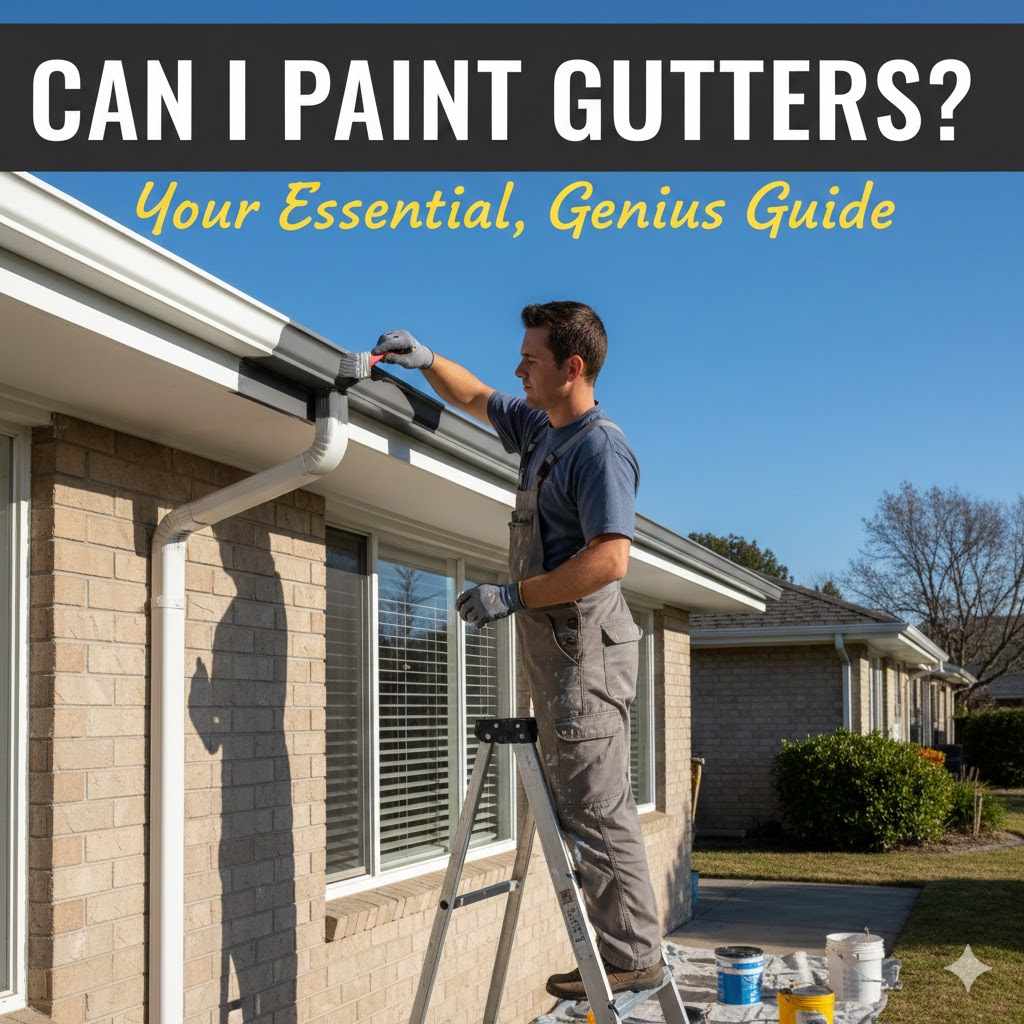
Can I Paint Gutters? Your Essential, Genius Guide
Yes, you can absolutely paint your gutters. With the right preparation and paint, this is a fantastic DIY project that instantly boosts your home’s curb appeal. Proper cleaning, light sanding, and a quality exterior primer are the keys to a durable, professional-looking finish that protects your gutters and makes your home look brand new.
Do your gutters look a little tired? Maybe they’re faded, peeling, or just don’t match your home’s new trim color. It’s a common issue that can make an otherwise beautiful home look dated. Many homeowners wonder if they’re stuck with old-looking gutters, but I’m here to tell you there’s a simple, rewarding solution you can do yourself.
Painting your gutters is one of the most effective and affordable ways to give your home’s exterior a major refresh. It might seem like a big job, but with a clear plan and the right steps, it’s completely achievable. In this guide, I’ll walk you through everything you need to know, from choosing the right paint to applying it like a pro. Let’s get started!
Why Should You Paint Your Gutters?
Before we grab our paintbrushes, let’s talk about why this project is worth your weekend. Painting gutters isn’t just about making them look pretty—though that’s a great reason! It offers several practical benefits that help protect your home and your wallet.
- Boost Curb Appeal Instantly: This is the most obvious benefit. Freshly painted gutters look clean and new. They can either blend seamlessly with your trim for a subtle look or provide a pop of contrast to highlight your home’s architecture. It’s a small detail that makes a huge impact.
- Extend the Lifespan of Your Gutters: A good coat of paint isn’t just color; it’s a protective barrier. It shields the metal or vinyl from harsh weather, sunlight, and moisture. For metal gutters, this is crucial for preventing rust and corrosion, which can lead to leaks and costly replacements down the line.
- Save a Ton of Money: Replacing gutters is expensive. A full replacement can cost thousands of dollars. Painting, on the other hand, costs a fraction of that. For the price of a can of paint, some primer, and a few supplies, you can get a result that looks just as good as new.
- Match Your Home’s Style: Have you recently painted your house, trim, or shutters? Old, faded gutters can stick out like a sore thumb. Painting them allows you to create a cohesive and polished color scheme for your entire exterior.

Choosing the Right Paint and Primer for Your Gutters
The secret to a long-lasting gutter paint job is choosing the right products. Your gutter’s material determines what kind of primer and paint you’ll need. Using the wrong type can lead to peeling, chipping, and having to redo the whole project sooner than you’d like. Let’s break it down by the most common gutter materials.
Understanding Gutter Materials
First, identify what your gutters are made of. You can usually tell by tapping on them. Vinyl sounds like plastic, while aluminum has a dull metallic sound. Galvanized steel is heavier, harder, and a magnet will stick to it.
- Aluminum: This is the most popular gutter material. It’s lightweight, rust-proof, and relatively inexpensive. It holds paint very well when properly prepped.
- Vinyl (PVC): Vinyl gutters are also common. They are lightweight, cheap, and won’t rust. However, they can expand and contract with temperature changes, so using the right paint is crucial to prevent flaking.
- Galvanized Steel: This is a stronger, heavier material coated with zinc to prevent rust. If the zinc coating is old or worn, you may see rust spots. It requires a specific type of primer to ensure the paint adheres correctly.
Paint and Primer Selection Guide
Once you know your gutter material, you can select the perfect paint and primer. Always choose high-quality exterior-grade products. They are formulated to withstand UV rays, temperature swings, and moisture.
| Gutter Material | Recommended Primer | Recommended Paint | Helpful Tip |
|---|---|---|---|
| Aluminum | Exterior Metal Primer (especially for bare spots) | 100% Acrylic Latex Exterior Paint | Acrylic paint is flexible and bonds extremely well to clean, primed aluminum. It’s easy to clean up with water. |
| Vinyl (PVC) | Primer for Plastics (or a paint-and-primer-in-one designed for vinyl) | Acrylic Latex Exterior Paint labeled “Vinyl Safe” | Look for “vinyl safe” paint. Dark colors can absorb too much heat and cause the vinyl to warp. |
| Galvanized Steel | Galvanized Metal Primer | Acrylic Latex or Oil-Based Enamel Exterior Paint | Never use a standard rust-inhibitive primer. Its chemical composition can react poorly with the zinc coating, causing peeling. |
Essential Tools and Materials Checklist
Having everything ready before you start makes the project go smoothly. There’s nothing worse than being halfway up a ladder and realizing you forgot something. Here’s a simple checklist of what you’ll need:
- Safety Gear: Non-slip work gloves, safety goggles, dust mask.
- Ladder: A sturdy extension ladder that allows you to work safely and comfortably.
- Cleaning Supplies: Bucket, heavy-duty exterior cleaner or mild detergent, stiff-bristled brush or scrub pad, garden hose with a spray nozzle, old rags.
- Preparation Tools: Wire brush (for rust), medium-grit sandpaper or sanding block, painter’s tape.
- Protective Gear for Your Home: Drop cloths or plastic sheeting to protect landscaping and siding.
- Primer: The correct type for your gutter material (see table above).
- Paint: High-quality exterior paint.
- Application Tools:
- Paintbrushes (a 2-inch angled brush is great for details).
- Small paint roller with a shed-resistant cover.
- Paint sprayer (optional, for a faster, smoother finish).
Step-by-Step Guide to Painting Your Gutters Like a Pro
Alright, you’ve got your supplies, and you’re ready to go. Follow these steps carefully for a flawless, long-lasting finish. Remember, the key to any great paint job is patience and thorough preparation.
Step 1: Safety First!
Working on a ladder is the most dangerous part of this job. Your safety is more important than anything else. Before you do anything, make sure your ladder is on stable, level ground. Have a friend or family member act as a spotter to hold the base of the ladder steady. Always maintain three points of contact with the ladder (two feet and one hand, or two hands and one foot). Never overreach—it’s always better to climb down and move the ladder. For more detailed guidelines, consult the Occupational Safety and Health Administration (OSHA) ladder safety page.
Step 2: Clean, Clean, and Clean Again
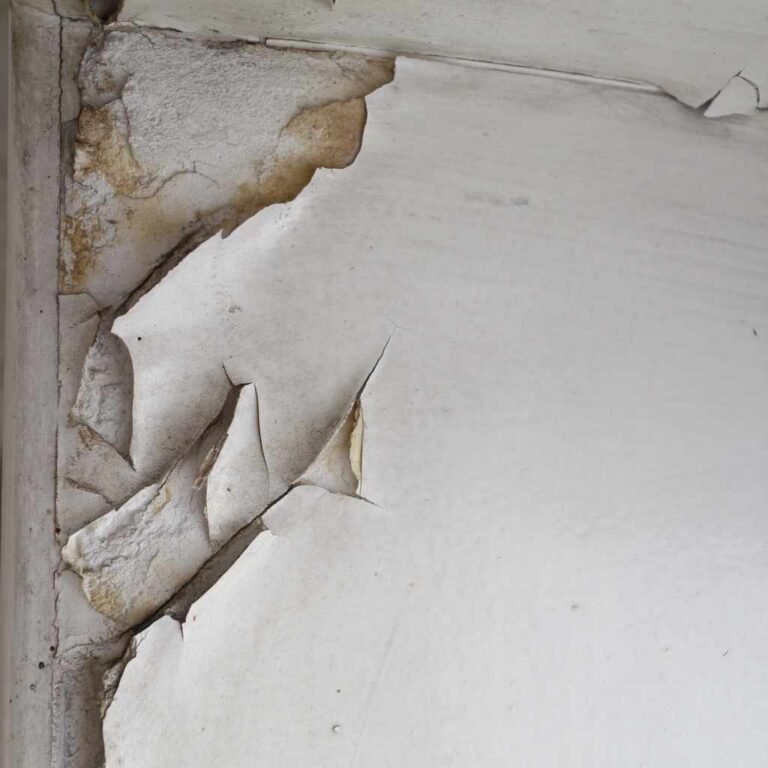
This is the most important step. Paint will not stick to dirt, mildew, or oxidized paint. If you skip this, your new paint will peel off in sheets.
- Remove Debris: First, clean out any leaves, twigs, and gunk from inside the gutters.
- Scrub the Exterior: Mix your exterior cleaner or a simple solution of soap and water in a bucket. Use a stiff-bristled brush to scrub the entire outside surface of the gutters and downspouts. Pay extra attention to any green or black spots, which could be mildew.
- Rinse Thoroughly: Use a garden hose to rinse all the soap and grime away. A pressure washer on a low-pressure setting can speed this up, but be careful not to damage the gutters or force water up under your shingles.
- Let it Dry Completely: The gutters must be 100% dry before you move to the next step. Allow at least 24 hours of dry, sunny weather.
Step 3: Repair and Sand for a Perfect Surface
Now that the gutters are clean, inspect them for any issues. This is the perfect time to make small repairs.
- Check for Damage: Look for any loose brackets, leaking seams, or holes. Tighten loose screws and apply gutter sealant to any small gaps or cracks.
- Remove Peeling Paint and Rust: Use a paint scraper or wire brush to remove any flaking paint. If you have steel gutters with rust spots, use a wire brush to remove all the rust until you see bare metal.
- Scuff Sand Everything: This is another crucial step for paint adhesion. You’re not trying to remove the old paint layer, just dulling the surface. Use medium-grit sandpaper (around 120-grit) to lightly scuff the entire surface of the gutters. This creates a slightly rough texture that the primer can grip onto. Wipe away all sanding dust with a damp rag afterward and let it dry.
Step 4: Protect Your House and Yard
A little prep here saves a lot of cleanup later. Use painter’s tape to mask off the edge where the gutters meet the fascia board (the board behind the gutter). Lay drop cloths or plastic sheeting on the ground below and over any nearby shrubs or landscaping to protect them from paint drips.
Step 5: Apply a Coat of High-Quality Primer
Do not skip priming! Primer does two things: it helps the paint stick better and it blocks stains. On bare metal, it prevents rust from forming and showing through your new paint color.
Apply one thin, even coat of the appropriate primer to the entire gutter system. Whether you’re using a brush, roller, or sprayer, focus on smooth, consistent coverage. Let the primer dry completely according to the manufacturer’s instructions on the can. This can take anywhere from a few hours to a full day, depending on the product and the weather.
Step 6: Paint Your Gutters (The Fun Part!)
Finally, it’s time to apply the color. It’s better to apply two thin coats of paint than one thick coat. Thin coats dry faster, look smoother, and are more durable.
Which application method is best? It depends on your preference.
| Application Method | Pros | Cons |
|---|---|---|
| Brush | – Inexpensive – Great for control and cutting in | – Slowest method – Can leave brush strokes |
| Mini Roller | – Faster than a brush – Provides a smooth finish | – Can be messy – Hard to get into tight corners |
| Paint Sprayer | – Fastest method – Flawless, professional finish | – Requires more prep and masking – Has a learning curve and needs thorough cleaning |
Apply your first coat of paint in smooth, even strokes. If you’re using a brush or roller, work in a long, continuous motion to minimize marks. Let the first coat dry completely—check the paint can for recommended recoat times. Once dry, apply a second coat for full coverage and maximum durability. Remove the painter’s tape while the second coat is still slightly wet to ensure a crisp line.
Step 7: Clean Up and Admire Your Work
Once you’re finished, clean your brushes, rollers, or sprayer according to the paint manufacturer’s instructions (water for latex, mineral spirits for oil-based). Properly dispose of any leftover paint. Once everything is dry, step back and enjoy your beautiful, new-looking gutters!
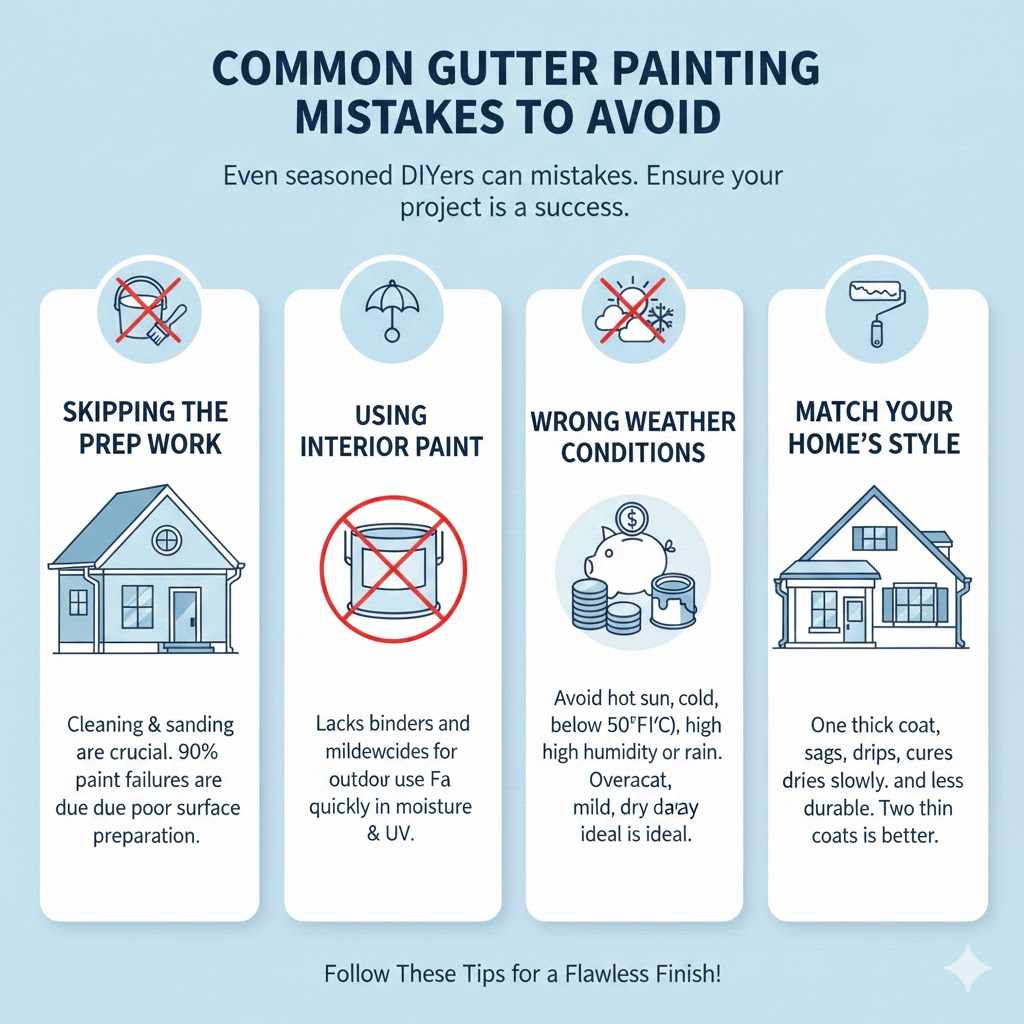
Common Gutter Painting Mistakes to Avoid
Even seasoned DIYers can make mistakes. Here are a few common pitfalls to watch out for to ensure your project is a success.
- Skipping the Prep Work: As I’ve said a few times, cleaning and sanding are not optional. Ninety percent of paint failures are due to poor surface preparation.
- Using Interior Paint: Never, ever use interior paint outside. It lacks the binders and mildewcides needed to stand up to moisture and UV rays and will fail quickly.
- Painting in the Wrong Weather: Avoid painting in direct, hot sunlight, as it can cause the paint to dry too fast and blister. Don’t paint when it’s too cold (below 50°F / 10°C), too humid, or if rain is in the forecast. An overcast, mild, dry day is perfect.
- Applying Paint Too Thickly: One thick coat is not better than two thin coats. A thick coat takes forever to cure, can sag or drip, and won’t be as durable.
- Ignoring Primer: Primer is the glue that holds your paint job together. It ensures a strong bond and a uniform finish. Don’t think a paint-and-primer-in-one is a substitute for a dedicated primer on tricky surfaces like metal or vinyl.
Frequently Asked Questions (FAQ)
What is the best paint for aluminum gutters?
The best and most user-friendly choice for aluminum gutters is a high-quality 100% acrylic latex exterior paint. It’s durable, flexible enough to handle temperature changes, and cleans up easily with soap and water. Be sure to use an exterior metal primer first, especially on any areas of bare aluminum.
Do I really need to prime my gutters before painting?
Yes, absolutely. Priming is arguably the most critical step for a durable finish. It creates a stable surface for the paint to adhere to, prevents old colors or rust from bleeding through, and dramatically increases the lifespan of your paint job. Don’t skip it!
Can I spray paint my gutters?
Yes, you can. Using a paint sprayer can give you a very smooth, professional-looking finish and is much faster than brushing. However, it requires more preparation (extensive masking of siding and windows) and can be messy if it’s windy. For downspouts, spray painting is an excellent option.
How long does it take for gutter paint to dry?
Paint is typically dry to the touch in a few hours, but it needs much longer to fully cure. “Recoat time” on the can tells you when you can apply a second coat (usually 4-6 hours). Full curing, where the paint reaches its maximum hardness and durability, can take anywhere from a week to 30 days depending on the paint and weather conditions.
When is the best time of year to paint gutters?
The ideal time is during a period of mild, dry weather. Spring and fall are often perfect. You need a few consecutive days without rain. Avoid painting when temperatures are below 50°F (10°C) or above 90°F (32°C), as extreme temperatures can affect how the paint dries and adheres.
Do I need to take my gutters down to paint them?
No, you do not need to take them down. In fact, it’s much easier to paint them while they are installed on the house. The only exception would be if you are replacing the fascia boards behind them or if they are severely damaged and need extensive repairs on the ground.
How long will a painted gutter finish last?
When done correctly—with thorough cleaning, sanding, priming, and two coats of high-quality exterior paint—a painted gutter finish can easily last 5 to 10 years, or even longer. Regular cleaning to remove dirt and debris will help prolong its life.
Conclusion
So, can you paint your gutters? Not only can you, but you absolutely should if you’re looking for a high-impact, budget-friendly home improvement project. It’s more than just a coat of paint; it’s a protective shield that extends the life of your gutters while giving your home a sharp, well-maintained appearance.
By following these steps—focusing on thorough prep work, choosing the right products, and taking your time—you can achieve a finish that looks like it was done by a professional. It’s a satisfying project that empowers you to take pride in your home’s appearance. So, roll up your sleeves, get your tools ready, and give your home the beautiful, lasting curb appeal it deserves. Happy painting!