Can I Use a Steam Cleaner on a Wooden Floor? Safety Tips
Many people wonder if they can use a steam cleaner on their beautiful wooden floors. It’s a common question because steam cleaning seems like a really good way to get things super clean. However, wood and water don’t always get along, which can make beginners feel a bit unsure.
This guide will break down everything you need to know in a simple, step-by-step way, so you can confidently decide if steam cleaning is right for your floors. We’ll cover all the important safety points so you can achieve a sparkling clean without any worries. Let’s explore Can I Use a Steam Cleaner on a Wooden Floor?
Safety Tips together.
Can I Us`e a Steam Cleaner on a Wooden Floor Safely
Deciding whether to use a steam cleaner on a wooden floor is a question that pops up often for homeowners. The idea of using powerful steam to sanitize and deep clean is appealing, especially for those looking for an effective way to tackle dirt and grime. However, wood is a natural material that can be sensitive to moisture and heat.
Too much of either can lead to damage, such as warping, swelling, or discoloration. This concern makes many people hesitate. This section will help you understand the core issues and provide the necessary knowledge to make an informed decision, focusing on the essential question: Can I Use a Steam Cleaner on a Wooden Floor?
Safety Tips are paramount.
The fundamental challenge lies in the nature of wood itself. Wood is porous and absorbs liquids. When steam is applied, it introduces moisture and heat.
If the wood is not sealed properly or if the steam cleaner is used incorrectly, this moisture can penetrate the wood fibers. This penetration can cause the wood to expand, leading to cupping or crowning of the planks. Furthermore, the heat can sometimes soften or damage the finish or sealant on the wood, making it more susceptible to future damage and staining.
Understanding these basic principles is the first step.
We will explore the types of wooden floors that might tolerate steam cleaning and those that absolutely should not be subjected to it. We’ll also discuss the specific features to look for in a steam cleaner if you decide it’s the right approach for your home. This will set the stage for how to use one safely if you proceed.
Understanding Wood Floor Types and Steam Cleaning Suitability
Not all wooden floors are created equal when it comes to cleaning methods, and steam cleaning is no exception. The material and its finish play a huge role in determining whether steam cleaning is a good idea or a recipe for disaster. Knowing your floor type is the most critical first step before even considering a steam cleaner.
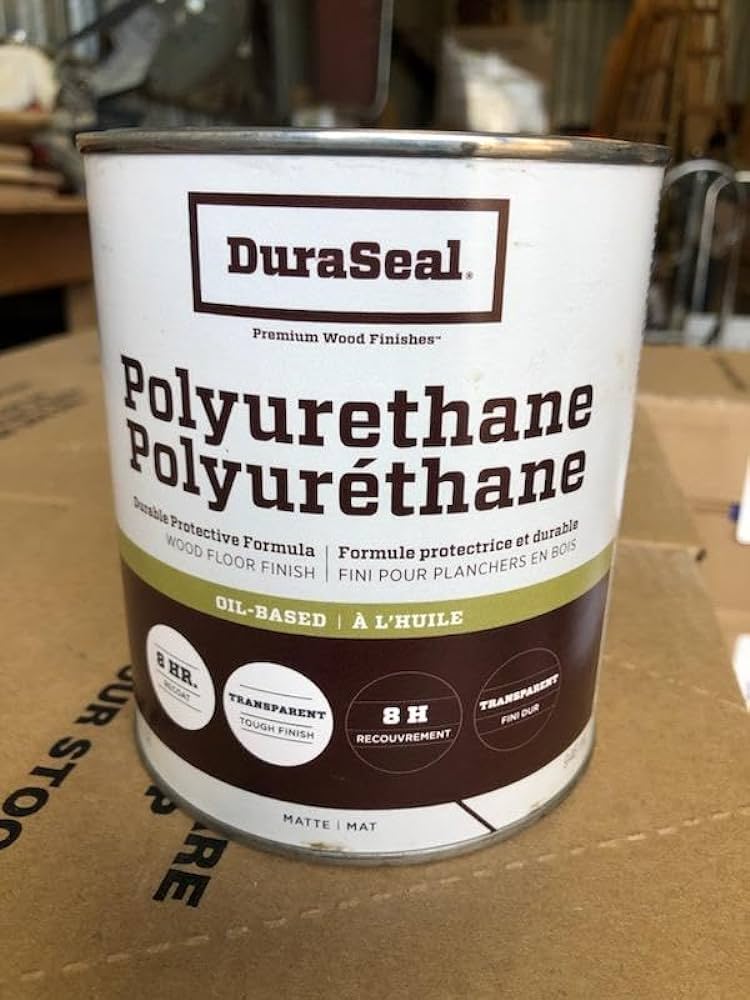
Solid hardwood floors, especially those with a robust polyurethane or oil-based finish, are generally more resilient than engineered wood or laminate. The protective coating acts as a barrier against moisture. However, even with a good finish, excessive steam can eventually seep in.
Older solid wood floors, or those with worn finishes, are much more vulnerable. The natural wood beneath can easily absorb steam, leading to the issues we’ve touched upon.
Engineered wood flooring has a core layer made of plywood or high-density fiberboard, topped with a thin veneer of real wood. While the top layer looks like hardwood, the core is highly susceptible to moisture. Steam can cause the layers to delaminate or the core to swell, permanently damaging the flooring.
Laminate flooring, often mistaken for wood, is essentially a photographic image of wood under a protective wear layer. The core of laminate is typically made from high-density fiberboard (HDF), which can swell dramatically and irreversibly when exposed to moisture from steam. Even water can ruin laminate, so steam is definitely out.
Waxed or oiled wood floors are also generally not suitable for steam cleaning. The steam can melt or strip away the wax or oil, removing the protective layer and altering the floor’s appearance. These finishes often require specific cleaning products and methods that don’t involve high moisture or heat.
Factors Affecting Wood Floor Sensitivity to Steam
Beyond the basic type of wood flooring, several other factors influence how a wooden floor will react to steam cleaning. These include the quality and condition of the finish, the age of the floor, and the presence of gaps or seams between the planks.
- Quality of the Finish: A high-quality, factory-applied polyurethane finish is designed to be durable and water-resistant. However, if the finish is thin, worn, or has been damaged, it offers less protection. Older finishes, or those applied on-site, might not be as effective at repelling moisture as modern, factory-sealed finishes.
- Condition of the Floor: Over time, the finish on any wood floor can wear down, especially in high-traffic areas. Scratches, scuffs, and dull patches indicate that the protective barrier is compromised. Steam can easily penetrate these areas, reaching the wood beneath and causing damage.
- Age of the Floor: Older wooden floors may have been finished with different types of sealants or may have been exposed to more wear and tear. Their ability to withstand moisture may be reduced compared to newer installations. Also, older wood can sometimes be more brittle.
- Gaps and Seams: Gaps between floorboards, or any cracks and crevices in the wood, provide direct pathways for steam to penetrate the core of the flooring. Even small gaps can become entry points for moisture, leading to swelling and potential warping.
- Acclimation and Humidity: Wood is a natural material that expands and contracts with changes in humidity and temperature. If a wooden floor hasn’t been properly acclimated to the environment, or if the relative humidity is already high, adding steam can exacerbate these natural movements and increase the risk of damage.
A properly sealed and well-maintained modern hardwood floor with a thick polyurethane coating has the best chance of withstanding very light steam. However, it’s still a calculated risk, and extreme caution is advised. For most other types of wood flooring, steam cleaning is a definitive no-go.
Safety Tips For Steam Cleaning Wooden Floors
If you have a type of wooden floor that might be a candidate for steam cleaning, or if you are considering a very gentle approach, there are crucial safety measures you must follow. These tips are designed to minimize risk and protect your investment. They focus on preparation, technique, and the right equipment.
The core principle is to use the least amount of steam and moisture possible, and to ensure your floor can handle it.
The first and most important safety tip is to always consult the manufacturer’s guidelines for both your specific type of flooring and your steam cleaner. Many flooring manufacturers explicitly warn against using steam cleaners, as it can void warranties. Likewise, steam cleaner manufacturers may not recommend their use on all floor types.
If you proceed, ensure your floor is well-sealed and in good condition. Always test the steam cleaner in an inconspicuous area first, such as inside a closet or under a rug, to see how the wood reacts. Let it dry completely and check for any changes in color or texture.
Preparing Your Wooden Floors for Steam Cleaning
Proper preparation is key to any cleaning task, but it’s especially vital when dealing with delicate surfaces like wooden floors and the powerful tool of a steam cleaner. This stage ensures that you’re not just cleaning effectively but also minimizing any potential harm to your floors. It involves getting the area ready and ensuring the steam cleaner is set up correctly.
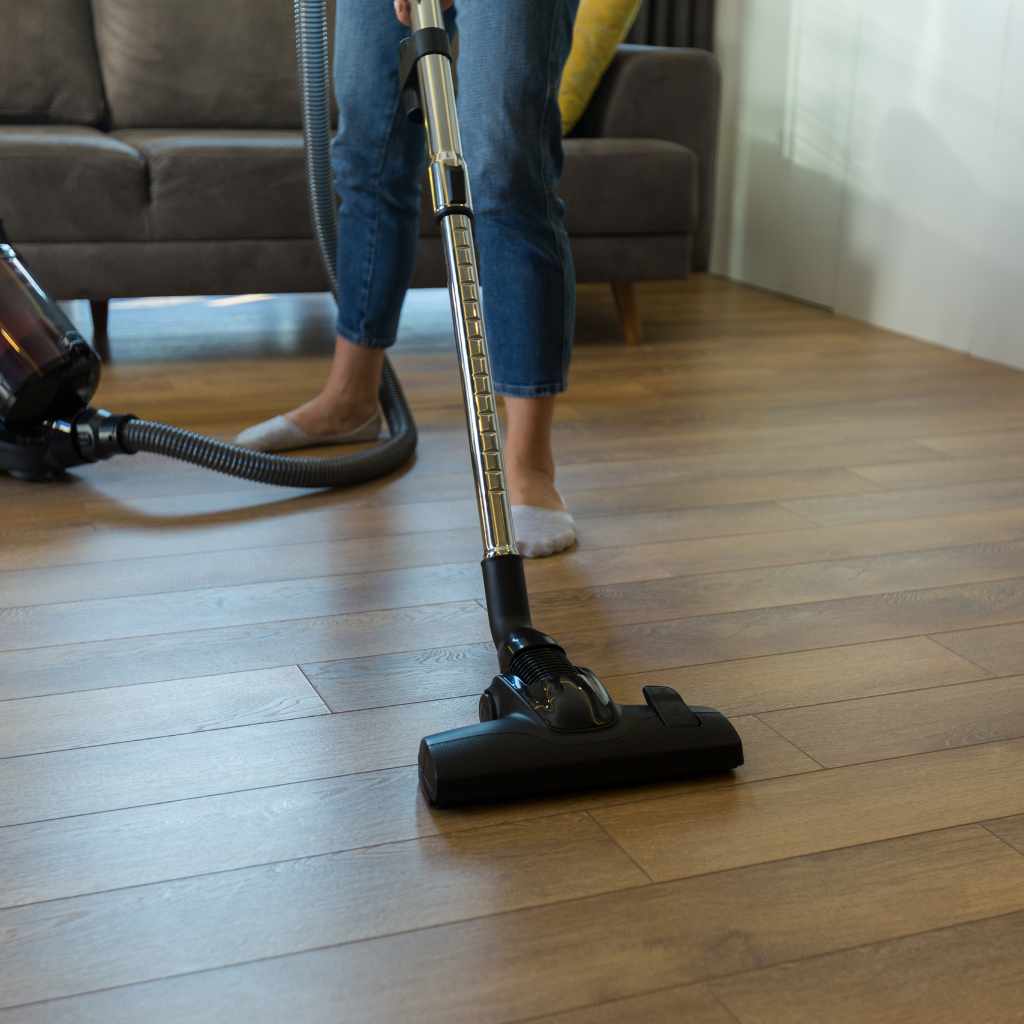
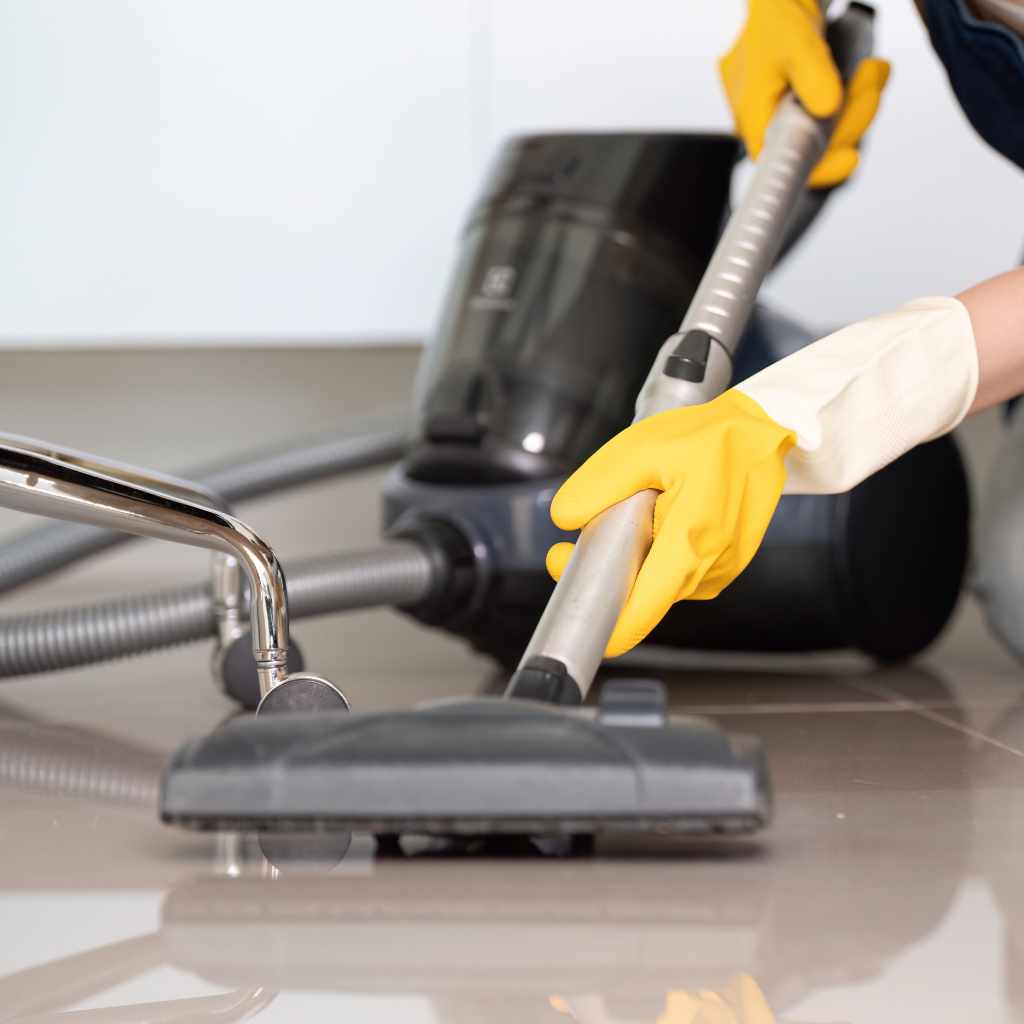
The very first step is to thoroughly dry mop or vacuum your wooden floors. This removes all loose dirt, dust, and debris. Steam cleaners work by using hot water vapor, and if there’s loose grit on the floor, the steam can essentially turn that grit into a scouring paste.
This abrasive action can scratch and damage the finish of your wooden floor. You want to steam clean the surface, not grind dirt into it.
Next, inspect your floor for any existing damage. Look for cracks, deep scratches, peeling finishes, or signs of moisture damage like warping or discoloration. If you find any of these issues, it’s best to avoid steam cleaning altogether.
Steam will likely exacerbate existing problems and could cause irreparable harm. Think of it as a health check for your floor; if it’s not in good health, it can’t handle aggressive treatments.
Ensure the room is well-ventilated. Open windows or turn on fans to help the floor dry quickly after steam cleaning. This is crucial because prolonged exposure to moisture is the main enemy of wooden floors.
Quick drying minimizes the time the wood is exposed to water vapor, reducing the risk of swelling or damage.
If your steam cleaner has attachments, make sure you are using the correct one. For hard floors, you generally want a mop head attachment. Avoid using any brush attachments that might be too abrasive.
The goal is gentle steaming, not scrubbing. Also, check that the mop pad or cloth is clean and in good condition. A dirty pad can spread grime.
Finally, consider the type of water you use in your steam cleaner. If you have hard water, it can leave mineral deposits on your floors, which can be difficult to remove and may leave a cloudy appearance. Using distilled or demineralized water is recommended to prevent this.
This ensures that only pure steam is being emitted, reducing the risk of residue.
Using the Right Steam Cleaner Settings and Techniques
Once your floors are prepped and you’ve decided to proceed, the way you actually use the steam cleaner is paramount. It’s not just about turning it on and pushing it around. Specific settings and techniques can make the difference between a clean floor and a damaged one.
The key here is control and moderation.
- Low Steam Setting: Always start with the lowest steam setting available on your machine. High steam output delivers too much moisture and heat at once, which is what causes damage. A gentle, light mist is what you’re aiming for. You want to use just enough steam to loosen dirt, not to saturate the floor.
- Continuous Steaming vs. Burst Steaming: Avoid holding the steam cleaner in one spot for too long. Continuous steaming can lead to excessive moisture build-up. Instead, use a quick back-and-forth motion, similar to how you would mop. This allows the steam to loosen the dirt and the floor to dry rapidly. Some machines allow for a “burst” or “spot clean” function. Use this sparingly, if at all.
- Quick Passes: Move the steam cleaner across the floor at a steady pace. Do not linger in one area. The goal is to lightly steam and then immediately move on. This technique ensures that the moisture has minimal time to penetrate the wood or the finish. Think of it as a quick wipe-down with steam, not a deep soak.
- Use Microfiber Pads: Ensure your steam cleaner uses a clean microfiber pad. Microfiber is excellent at trapping dirt and absorbing moisture efficiently. A clean pad will collect the loosened grime and residual moisture, helping to dry the floor as you clean.
- Work in Small Sections: Tackle the cleaning process in small, manageable sections. This way, you can ensure that each section is steamed lightly and dries quickly before you move on to the next. It also allows you to monitor the floor’s reaction as you go.
- Never Allow Standing Water: This cannot be stressed enough. If you see any standing water on your floor after using the steam cleaner, you’ve used too much steam or moved too slowly. Immediately wipe up any excess water with a dry microfiber cloth.
The principle is always to use the least amount of moisture possible. Steam cleaning should feel like a very light dampening, not a wet mopping. If your steam cleaner doesn’t have adjustable settings, it might be best to reconsider using it on your wooden floors altogether.
Post-Cleaning Care for Wooden Floors
The job isn’t finished once the steam cleaner is put away. Proper aftercare is just as important as the cleaning process itself, especially for wooden floors. This ensures that any residual moisture is dealt with and that the floor is left in the best possible condition.
Immediately after steam cleaning, and especially if you noticed any dampness, go over the floor again with a clean, dry microfiber cloth or mop. This final buffing action helps to absorb any lingering moisture and leaves the floor with a clean, streak-free shine. It’s a quick but effective way to guarantee the floor is dry.
Allow the floor to air dry completely. Even if it looks dry, give it at least an hour or two in a well-ventilated room before allowing foot traffic. This is especially important if the room has high humidity.
Keeping the room well-ventilated with open windows or fans can significantly speed up this drying process.
Inspect the floor again. After it has completely dried, take another look at the areas you steamed. Check for any signs of damage, such as discoloration, warping, or raised grain.
If you notice any issues, it’s a clear indication that steam cleaning is not suitable for your flooring, and you should avoid it in the future.
Consider a follow-up polish or wax if your floor type requires it. For some hardwood finishes, a light polish can help restore shine and provide an extra layer of protection. Always use products specifically designed for your type of wood flooring.
Never use wax on a polyurethane finish, and vice versa, as this can create a sticky residue.
Regular maintenance is also key. Continue with dry dusting or vacuuming regularly to prevent dirt buildup, which is the best way to keep your floors looking great and reduce the need for more intensive cleaning methods. If spills occur, wipe them up immediately.
When to Avoid Steam Cleaning Wooden Floors
While the idea of a squeaky-clean wooden floor achieved with steam might be tempting, there are definite situations where you should steer clear of this cleaning method. Recognizing these scenarios is as important as knowing how to steam clean safely, if at all. It’s all about protecting your beautiful floors from potential damage.
The most obvious reason to avoid steam cleaning is if your flooring manufacturer explicitly prohibits it. Many warranties are voided if steam cleaners are used. Always check the care instructions that came with your flooring.
If you can’t find them, it’s better to err on the side of caution and avoid steam.
Floors that are older, have a worn or damaged finish, or are unsealed are prime candidates for damage from steam. The protective layer is compromised, allowing moisture to seep directly into the wood. This can lead to swelling, warping, and permanent discoloration.
If your floor has a matte finish or a soft wood like pine, steam is generally not recommended.
Engineered wood and laminate flooring are also generally not suitable for steam cleaning. The layered construction of engineered wood can delaminate when exposed to heat and moisture. Laminate, with its fiberboard core, will swell and buckle irreversibly if it gets too wet, and steam introduces significant moisture.
Floors installed in areas prone to high humidity or with poor ventilation might also be risky. If the floor takes a long time to dry naturally, adding steam can prolong the exposure to moisture, increasing the chances of damage. Think of bathrooms or basements, even if they have wood-look flooring.
Finally, if you’re unsure about the type of finish on your floor or its condition, it’s always best to stick to more traditional cleaning methods like dry dusting and occasional damp mopping with a wood-specific cleaner. The risk of causing expensive damage often outweighs the perceived benefits of steam cleaning.
Identifying Damaged or Unsealed Wood Flooring
Spotting potential problems with your wooden floors before you even think about using a steam cleaner is crucial. Damaged or unsealed wood is highly susceptible to the moisture and heat that steam cleaners produce. Here’s how to identify these vulnerable areas.
Look for visible wear in the finish. This can appear as dull patches, especially in high-traffic areas like hallways or in front of the sofa. If you can see scratches that go through the finish and into the wood itself, or if the finish is peeling or flaking, your floor is not adequately protected.
Check the edges and seams of the planks. If you notice any signs of swelling, where the edges of the planks look raised or uneven, this indicates that the wood has already been exposed to too much moisture and is expanding. Gaps between planks that look wider than usual can also be a sign of moisture issues or natural wood movement that steam could aggravate.
Listen when you walk on the floor. Creaks and groans can sometimes indicate that the wood is dry and moving, but they can also signal underlying issues with moisture levels or the subfloor, especially if combined with visual cues of damage.
Test the seal. One simple test is to drip a small amount of water onto the floor in an inconspicuous spot. If the water beads up and sits on the surface, the seal is likely intact.
If the water soaks into the wood quickly or leaves a dark spot, the seal is compromised, and steam cleaning is not advisable.
Consider the age and maintenance history of your floor. Older floors, especially those with hand-applied finishes or wax, are often less resistant to moisture than modern factory-sealed floors. If you’ve never had the floor professionally refinished or maintained, it’s possible the protective layer is significantly worn.
If you notice any of these signs, it’s best to avoid steam cleaning and consider consulting a flooring professional for advice on refinishing or appropriate cleaning methods. Your goal is to preserve the wood, not to risk its integrity.
Alternatives to Steam Cleaning for Wooden Floors
If steam cleaning is not a safe option for your wooden floors, don’t worry! There are plenty of effective and safe ways to keep them clean and looking their best. These methods are designed specifically for wood and won’t put its delicate finish at risk.
They rely on gentle cleaning rather than intense heat and moisture.
Regular dry dusting or vacuuming is the most important step in maintaining wooden floors. Use a soft-bristle vacuum cleaner attachment or a microfiber dust mop to pick up dirt, dust, and pet hair. This prevents abrasive particles from scratching the surface.
For deeper cleaning, a slightly damp mop is the best approach. Use a mop with a microfiber pad that has been wrung out very well. It should feel only slightly damp to the touch, not wet.
You can use plain water or a pH-neutral cleaner specifically formulated for wood floors.
Wood floor cleaning solutions are readily available. These products are designed to clean effectively without leaving residue or damaging the finish. Always follow the manufacturer’s instructions for dilution and application.
Some popular options include Bona, Swiffer WetJet Wood Floor Cleaner, and Pledge Gentle Wood Floor Cleaner.
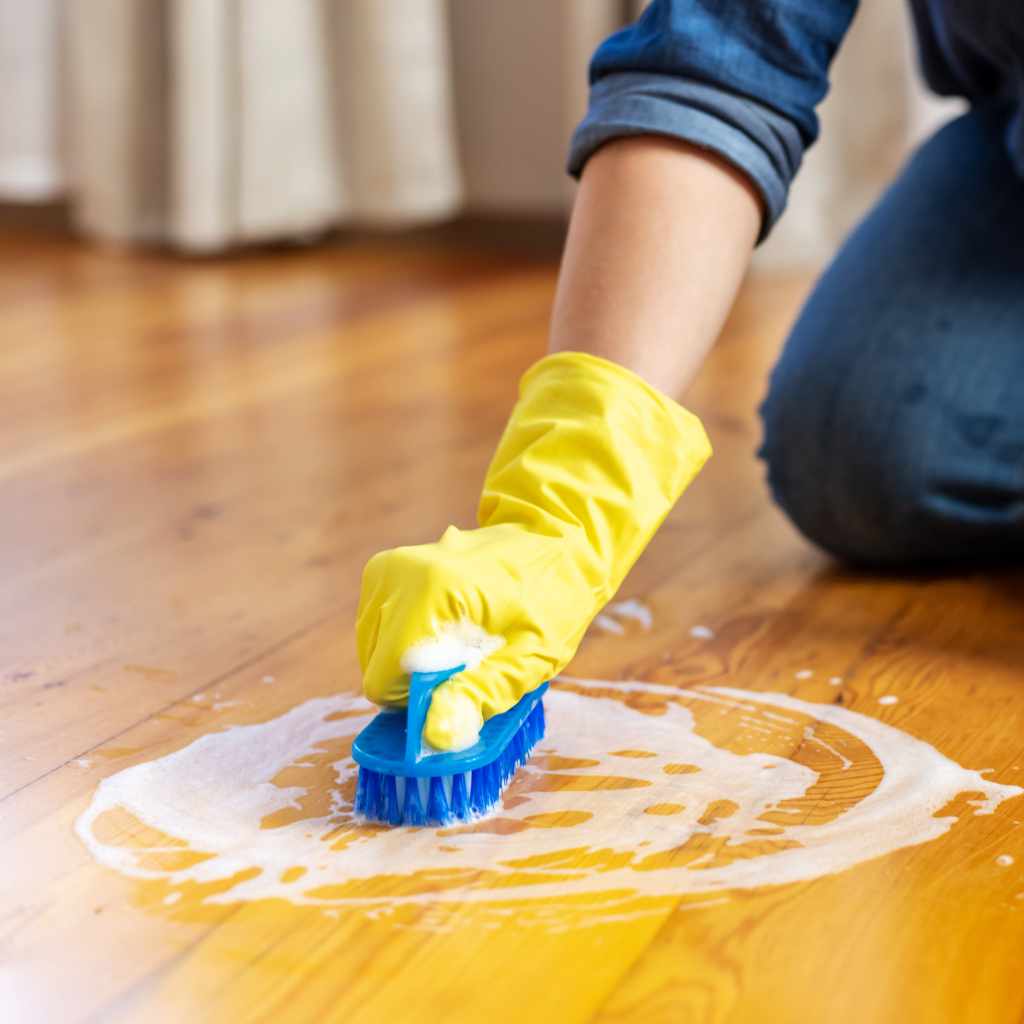
Spot cleaning is also very effective. For spills or tougher spots, use a soft cloth dampened with water or a wood floor cleaner. Gently rub the area until the stain is removed, then dry immediately with a clean cloth.
Avoid abrasive cleaners or scrubbing pads.
For a more thorough clean on sealed hardwood, some people use a very diluted solution of white vinegar and water. A common ratio is about half a cup of vinegar to a gallon of water. However, it’s essential to ensure your floor is well-sealed and to use this sparingly, as vinegar is acidic.
Always test in an inconspicuous area first.
The key takeaway is to keep moisture to an absolute minimum. Wood and water are not natural partners when it comes to cleaning, and safer, equally effective methods exist to keep your floors pristine.
Can I Use a Steam Cleaner on a Wooden Floor Frequently Asked Questions
Question: Can I use a steam cleaner on sealed hardwood floors?
Answer: It depends on the seal. While sealed hardwood floors are more resistant to moisture than unsealed ones, many manufacturers still advise against steam cleaning. High heat and excessive moisture can still compromise the seal over time or if the finish is not in perfect condition.
Always check your flooring manufacturer’s guidelines first and test in an inconspicuous area.
Question: What is the biggest risk of using a steam cleaner on wood floors?
Answer: The biggest risk is moisture damage. Steam introduces heat and water vapor, which can penetrate the wood or its finish. This can lead to warping, swelling, cupping, discoloration, and damage to the finish, potentially causing permanent harm to the flooring.
Question: How can I tell if my wood floor finish is worn?
Answer: You can tell if your wood floor finish is worn by looking for dull patches, especially in high-traffic areas. Scratches that go through the finish to the wood, peeling or flaking finishes, and water spots that darken the wood when you drip a little water on it are also signs of a worn finish.
Question: Are engineered wood floors safe to steam clean?
Answer: Generally, no. Engineered wood flooring has a core made of plywood or fiberboard, which is highly susceptible to moisture. Steam can cause the layers to delaminate or the core to swell, leading to irreversible damage.
Question: What is the best alternative to steam cleaning for wood floors?
Answer: The best alternatives include regular dry dusting or vacuuming with a soft brush, and occasional cleaning with a slightly damp mop (wrung out very well) using plain water or a pH-neutral cleaner specifically designed for wood floors. Always dry any moisture immediately.
Final Thoughts
When considering Can I Use a Steam Cleaner on a Wooden Floor? Safety Tips, the answer is rarely a simple yes or no. It truly depends on the specific type of wooden floor you have and its condition.
For many types of wood flooring, especially engineered wood, laminate, or floors with worn finishes, steam cleaning is a significant risk and should be avoided entirely. The potential for moisture damage, warping, and permanent discoloration is too high. Instead, sticking to proven methods like dry dusting, vacuuming with a soft brush, and using a very lightly damp mop with a wood-specific cleaner will keep your floors looking beautiful without risking damage.
If you have a solid hardwood floor with a robust, factory-applied polyurethane finish in excellent condition, you might be able to use a steam cleaner very cautiously. This involves using the lowest steam setting, moving quickly, ensuring the floor is well-ventilated for rapid drying, and always testing in an inconspicuous area first. However, even with these precautions, it’s still a gamble.
Always prioritize the manufacturer’s recommendations for your flooring. If there’s any doubt, or if you see any signs of wear or damage, it’s far wiser to opt for gentler cleaning methods. Protecting your flooring investment means choosing the right tools and techniques for the job, and for most wooden floors, that means keeping the steam cleaner at bay.