Can You Use Mr. Clean on Hardwood Floors? The Honest Answer
Short answer: it’s not a clean yes or no. Regular Mr. Clean Multi-Surface isn’t pH-neutral — it tests closer to pH 10-11.5, distinctly alkaline — and flooring pros generally don’t recommend it for routine hardwood care. But Mr. Clean’s own instructions do allow a heavily diluted mop-and-go on sealed, finished floors, and that guidance isn’t wrong on its own terms either.
That gap between “the label technically allows it” and “it’s actually the right everyday cleaner” is where most of the confusion comes from. Below is the real chemistry, the manufacturer’s own dilution ratio, what happens with repeated use, why the “Neutral Floor Cleaner” product line is more of a marketing name than a true pH-neutral formula, and a cleaner that’s actually built for wood.
The Quick Answer: Is Mr. Clean Safe for Hardwood Floors?
If your floor has an intact polyurethane, wax, or oil finish, Mr. Clean Liquid diluted to the manufacturer’s own ratio (¼ cup per gallon of water, mopped with a well-wrung head) generally won’t damage it in a single use. But “safe once” isn’t the same as “the right daily cleaner.” Mr. Clean wasn’t formulated specifically for wood — it’s a general multi-surface cleaner — and the problems show up with repeated use: residue buildup, a duller sheen, and over time, micro-etching of the finish itself.
Best Everyday Hardwood Pick
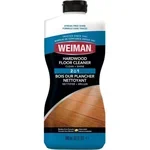 |
Weiman Hardwood Floor Cleaner (32 fl oz) – $6.99 A true pH-neutral, EPA Safer Choice-certified formula made specifically for finished hardwood — the category of cleaner flooring pros actually recommend over a general multi-surface cleaner like Mr. Clean.
|
Never use Mr. Clean — or any liquid cleaner — on unsealed, unfinished, waxed, or oiled wood floors. Those surfaces have no protective topcoat, so water and surfactants can soak straight into the grain, causing warping, graying, or stripping a wax finish outright.
Why Mr. Clean Isn’t pH-Neutral
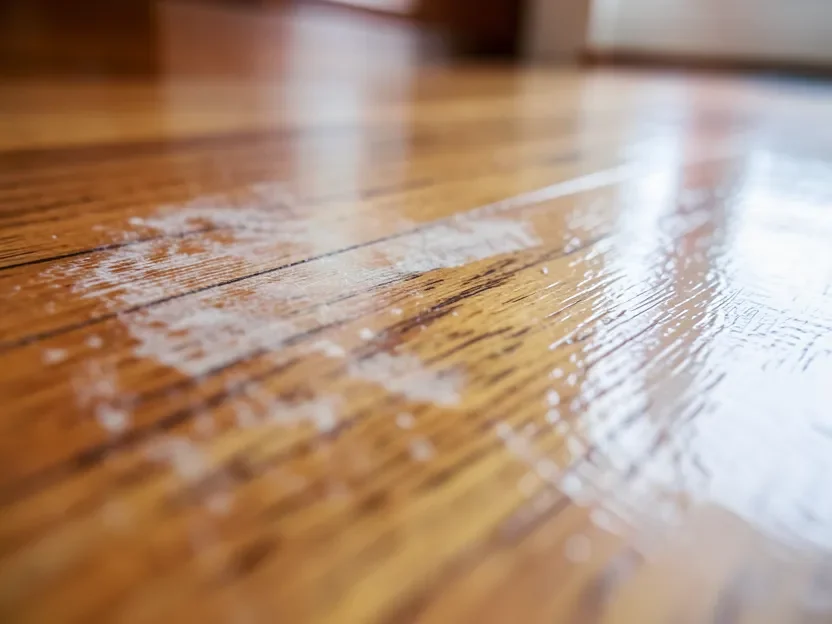
Mr. Clean Multi-Surface’s active cleaning agent is sodium carbonate, which puts the diluted solution around pH 10 to 11.5 — moderately alkaline, roughly in the same range as ammonia-based glass cleaner. Polyurethane finish, the topcoat on most modern hardwood, tolerates occasional alkaline exposure fine, but repeated cleanings with a high-pH solution slowly break down the topcoat’s surface chemistry. That’s what produces the dull, cloudy patches and hazy film homeowners report after months of using an all-purpose cleaner as their regular floor routine.
This is also why flooring manufacturers like Bona, Bruce, and Pergo specify pH-neutral cleaners in their care instructions, and why using anything else can affect a floor’s warranty. It’s not that Mr. Clean is a dangerous chemical on wood — it’s that wood-finish makers engineer their approved care products around a neutral pH specifically to avoid that slow erosion, and a general household cleaner was never designed with that constraint in mind.
The “Mr. Clean Neutral Floor Cleaner” — Not as Neutral as the Name Suggests
There’s a real product worth knowing about here: Mr. Clean also sells a commercial-line product literally called “Concentrated Neutral Floor Cleaner,” sold through janitorial suppliers rather than most grocery-store shelves. Despite the name, its published pH is around 10.35 — still clearly alkaline, not the 6.0-7.5 range that “pH-neutral” actually describes. The name refers to it being gentler than a heavy-duty degreaser in a commercial cleaning lineup, not to true chemical neutrality on a wood finish. If you see “neutral” on a Mr. Clean label, that’s a relative claim inside their own product line, not a guarantee it’s the right pH for hardwood specifically.
The Manufacturer’s Own Instructions (And Why Pros Still Push Back)
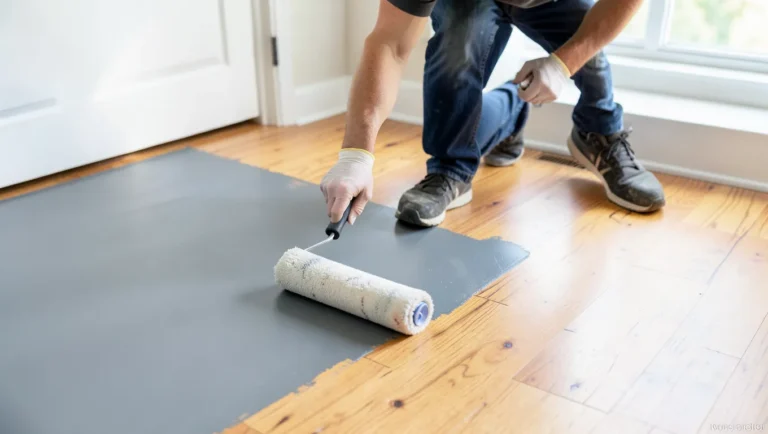
Mr. Clean’s own how-to guidance is specific: fill a bucket about halfway with a gallon of water, mix in ¼ cup of Mr. Clean Liquid, and mop with a well-wrung head so you’re not flooding the floor. That’s the official dilution ratio, and followed exactly, on a sealed floor, it’s unlikely to cause visible damage from a single cleaning.
Where flooring professionals part ways with that guidance is durability over time, not any single mopping session. Wood floors get cleaned weekly, sometimes more, for years. Multiply a mildly alkaline exposure by hundreds of cleanings and the cumulative effect — a slightly duller finish, a faint sticky film in high-traffic lanes — becomes the more relevant question, not whether one mopping is technically “safe.”
What Repeated Use Actually Does to a Finish
Three patterns show up consistently on wood floors cleaned with Mr. Clean or similar all-purpose cleaners over months:
- Residue buildup — Mr. Clean isn’t formulated to rinse cleanly off a sealed finish the way a wood-specific cleaner is, so a thin, slightly tacky film can accumulate in high-traffic areas even right after mopping.
- Dulling of the sheen — the alkaline exposure described above shows up first as a loss of glassy reflectivity in high-traffic lanes, well before any structural damage to the wood itself.
- Faster dust and dirt pickup — a hydrophobic residue layer attracts dust, meaning floors can look grimier again sooner after a Mr. Clean mopping than after a wood-specific cleaner.
None of that is catastrophic, and it’s reversible with a proper deep clean or a professional buff-and-recoat. But it’s also entirely avoidable by using a cleaner built for the job from the start.
Does This Apply to Engineered and Laminate Floors Too?
Mostly, but the risk shifts depending on what’s actually on top of the floor. Engineered hardwood has a real wood veneer finished the same way as solid hardwood, so the same alkalinity concerns apply directly — treat it exactly like solid hardwood for cleaning purposes.
Laminate is different: its wear layer is a printed plastic laminate over fiberboard, not a wood finish, so it’s less vulnerable to the pH-erosion issue described above. The bigger risk with laminate and Mr. Clean is water, not pH — laminate’s fiberboard core swells if moisture gets into the seams, so even a cleaner that’s chemically mild for the surface can still cause damage if the floor is mopped too wet. Either way, a pH-neutral cleaner formulated for hard flooring sidesteps both issues at once.
Quick Care Tips to Keep Hardwood Floors Looking Their Best
- Sweep or dust-mop a few times a week — grit scratches a finish far more than most liquid cleaners do.
- Wipe spills immediately; standing liquid is the fastest way to damage any wood floor, regardless of what caused it.
- Use felt pads under furniture legs and a doormat at entrances to cut down on the grit tracked in.
- Check your floor’s warranty documentation — some manufacturers name specific approved cleaning products.
If you’re weighing a different household cleaner against a wood-specific one, the same core question — is it actually pH-neutral, or just marketed that way — applies to nearly every option. We’ve broken down that exact comparison for another common go-to in our guide on Pine-Sol on wood floors, and for residue that’s already built up, see our guide on removing sticky residue from hardwood floors.
Frequently Asked Questions
Is Mr. Clean Safe for Hardwood Floors?
Only on sealed, fully finished hardwood, and only diluted per the label (¼ cup per gallon of water). It’s not recommended for unsealed, waxed, or oiled wood, and even on sealed floors, repeated use can dull the finish over time — which is why most flooring pros still recommend a pH-neutral, wood-specific cleaner instead.
What Is Mr. Clean’s Official Dilution Ratio for Wood Floors?
Per Mr. Clean’s own instructions: fill a bucket about halfway with a gallon of water, add ¼ cup of Mr. Clean Liquid, and mop with a well-wrung head so you’re not saturating the floor. Never pour it directly onto wood or use it at full strength.
Is the Mr. Clean “Neutral Floor Cleaner” Actually pH-Neutral?
Not quite. Mr. Clean’s commercial-line “Concentrated Neutral Floor Cleaner” has a published pH around 10.35, which is still alkaline — true pH-neutral falls in the 6.0-7.5 range. The name describes it as gentler than a heavy-duty degreaser within Mr. Clean’s own commercial lineup, not as chemically neutral for wood finishes specifically.
What Should I Use Instead of Mr. Clean on Hardwood Floors?
A genuinely pH-neutral cleaner formulated specifically for hardwood floors, applied with a microfiber mop. These are designed to evaporate without streaking or leaving residue, and they carry no risk to a floor’s finish or warranty the way a general all-purpose cleaner can.
Bottom Line
Mr. Clean’s own label allows diluted use on sealed hardwood floors, and that instruction isn’t wrong for a single cleaning. But its formula is alkaline, not pH-neutral, and the cumulative effect of using it as a regular floor routine is exactly what flooring manufacturers and pros are warning against. A genuinely pH-neutral, wood-specific cleaner removes the guesswork entirely and is the safer long-term choice for keeping a hardwood floor’s finish looking new.
Sponsored / affiliate links. As an Amazon Associate I earn from qualifying purchases. I may earn additional commission from eligible campaigns.