Can Isopropyl Alcohol Remove Super Glue? What Works and What Does Not
Short answer: rarely on its own. Isopropyl alcohol (rubbing alcohol) is not the solvent that Loctite or Gorilla lead with for cured super glue. Both name acetone first, and rubbing alcohol shows up only as a secondary option for some materials. Alcohol can help loosen a thin film or a fresh smear, it is often the gentler choice on plastic, and it is a fine pre-cleaner. But for a hard, fully cured drip on wood, expect a slow job and be ready to switch tools.
Many pages on this topic call alcohol “one of the best” super glue solvents. That is not what the manufacturers say. Below is what they actually recommend, where isopropyl alcohol genuinely fits, how to use it on finished wood without making the damage worse, and how to handle glue on skin safely. We have not run our own lab tests here; this guide is built from the manufacturer and clinic pages linked in the text.
Does Isopropyl Alcohol Dissolve Super Glue? The Honest Answer
Best Gentle CA Remover Pick
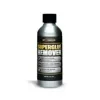 |
Starbond 2 oz Super Glue Remover, Brush-Cap Gel A purpose-made cyanoacrylate debonder in a brush-on gel, so it stays on the glue instead of running across the surrounding finish. The listing describes it as a mild, non-acetone formula.
|
Super glue is cyanoacrylate. Once it cures it is a hard plastic, and it does not simply dissolve in most household liquids. Loctite names acetone (nail polish remover) as its main recommendation for skin, metal, wood and plastic, and mentions rubbing alcohol only in its plastic advice (“acetone or rubbing alcohol”). Gorilla likewise leads with acetone, lists rubbing alcohol as an alternative for skin, and stresses testing any solvent on a hidden spot first.
So the practical reading is this: alcohol is the mild, slow option and acetone is the standard one. If you want the full acetone story, including which finishes it ruins, see our guide on whether acetone dissolves super glue.
Where Isopropyl Alcohol Actually Makes Sense
- Plastic and other acetone-sensitive materials. Both manufacturers warn that acetone can damage certain plastics, rubber and painted surfaces. Alcohol is the milder thing to try first, after a spot test.
- Thin residue and smears. A film of glue that has already lost most of its bulk sometimes wipes off with a cloth dampened in alcohol once you have scraped away the raised part.
- Pre-cleaning. Wiping oil, wax and dust off a surface before you apply a remover or a fresh bond helps either one work better.
- Tools and clamps. Steel tools tolerate stronger solvents, but alcohol is a low-risk way to clean up residue on handles and plastic clamp pads.
Why the Concentration Matters
Rubbing alcohol is sold as roughly 70% or 90% and up. By simple arithmetic, a 70% bottle is about 30% water. If you are going to try alcohol at all, use the higher strength (91% is easy to find), because water does nothing to cured cyanoacrylate. Even the strong stuff is slow, so give it several minutes of contact rather than scrubbing.
Safety note: isopropyl alcohol is flammable. Keep it away from sparks and heat, and work with fresh air moving through the shop.
Which Solvent for Which Surface
| Surface | Manufacturer-recommended first move | Where isopropyl alcohol fits |
|---|---|---|
| Finished wood (varnish, lacquer, poly) | Loctite: acetone, tested in a hidden spot first | Milder to try first after a spot test; some finishes still dull or soften, so test |
| Bare, unfinished wood | Loctite: acetone; oils as an alternative if acetone struggles | Little help: glue that has soaked into the grain is beyond a surface wipe, plan to sand |
| Plastic | Loctite: acetone or rubbing alcohol; Gorilla: soapy water soak, avoid acetone on some plastics | Reasonable first solvent to test, since acetone can craze many plastics |
| Metal and steel tools | Loctite and Gorilla: acetone, or a water and white vinegar soak | Fine for residue; acetone does the heavy lifting |
| Skin | Loctite and Gorilla: warm soapy water, then a little acetone if needed | Gorilla lists it as an alternative; soap and water is the gentler start |
How to Use Isopropyl Alcohol on Cured Glue Without Ruining the Finish
- Spot test first. Dab a hidden area (underside, back edge) and wait a few minutes. If the finish turns tacky, cloudy or lifts, stop. Alcohol-based finishes such as shellac are especially sensitive.
- Shave off the bulk mechanically. Slide a plastic card or wooden stick under the edge of the drip. Do not use a steel blade on a finished surface.
- Apply, then wait. Lay a cotton pad soaked with 91% alcohol on the glue for several minutes. Re-wet as it evaporates.
- Lift, do not grind. Roll or scrape the softened edge with the plastic tool. If nothing moves after a few rounds, alcohol is not going to do it.
- Escalate deliberately. Move to a purpose-made debonder gel, or to acetone on a cotton swab confined to the glue, only after you accept the finish may need a touch-up.
- Clean and refinish. Wipe with a damp cloth, let it dry, and touch up the finish if it is dulled.
If Alcohol Does Not Work: Better Options
When a drip has cured hard, these are the sensible next steps, in order of increasing risk to the surface:
- A dedicated CA debonder gel. Made for cyanoacrylate and easier to keep on just the glue. See the pick near the top of this page.
- Acetone on a swab. Fast, but it can strip or cloud finishes. Confine it to the glue. Our guide to removing super glue from wood without acetone covers the gentler substitutes.
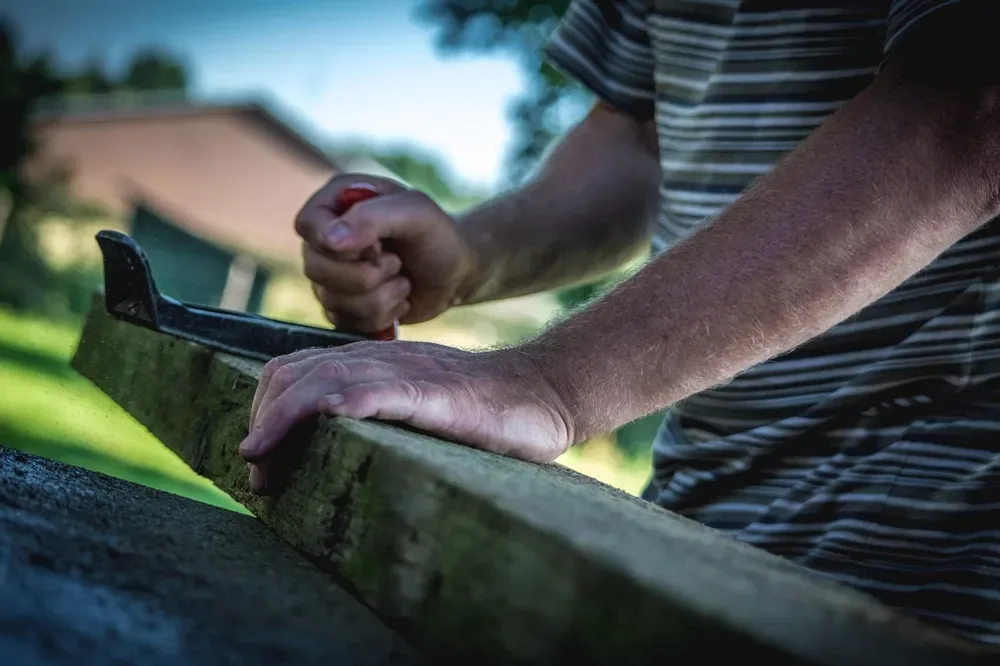
- Careful mechanical removal. Sometimes a sharp chisel held flat, or light sanding on bare wood, is the cleanest fix. See how to remove super glue from wood for the finish-safe approach.
- Separating a bonded joint. If two parts are stuck together, ways to unglue super glue joints are covered separately.
Super Glue on Skin: Stay Calm and Do Not Pull
This is general information, not medical advice. Cleveland Clinic and the manufacturers agree on the basics:
- Never pull glued skin apart by force. That is the way to tear skin or cause blisters. Cleveland Clinic advises against forcing it, and Gorilla says never to force removal from skin.
- Start with warm, soapy water. Soak and gently rub. It can take about 10 to 15 minutes, and washing early, before the glue hardens, works best.
- Acetone is the second step, used sparingly. Cleveland Clinic notes acetone products can leave skin dry, cracked and irritated, so use a small amount and moisturize afterward.
- Avoid hot water. Cleveland Clinic warns it can scald.
- Eyes, nose, mouth or other sensitive areas are an emergency. Cleveland Clinic says to get emergency care. Gorilla advises flushing an eye with water for 15 minutes and getting medical attention.
- If it is a large area or you are unsure, call a doctor or poison control line.
Dry, glued fingers with no other problem often just need soap, oil or lotion and patience. We cover more in dissolving super glue from skin and why super glue on cuts is a separate safety question.
Preventing the Next Spill
- Put a scrap of wax paper or painter’s tape under the joint before you glue.
- Use a small amount, because a thin bead is easier to control than a puddle.
- Keep a bottle of debonder and a plastic scraper next to the glue so you never have to improvise.
- For jobs that need more working time, consider wood glue, which cleans up with water while wet. See our comparison, wood glue vs CA glue for small repairs.
Frequently Asked Questions
Can isopropyl alcohol remove super glue?
Only slowly and mostly on thin or partly cured glue. Loctite and Gorilla both recommend acetone first and mention rubbing alcohol as a secondary option, so treat alcohol as the gentle, low-odds first try.
Is 91% or 70% isopropyl alcohol better for super glue?
Use the higher strength. A 70% bottle is roughly 30% water, and water does not dissolve cured cyanoacrylate. Even 91% is slow.
Will isopropyl alcohol damage wood finishes?
It can. Alcohol may dull or soften some finishes, and shellac is especially sensitive. Always test on a hidden spot for several minutes first.
What is safer on plastic, acetone or rubbing alcohol?
Both Loctite and Gorilla warn that acetone can damage some plastics, so rubbing alcohol is usually the milder thing to try first. Spot test either one.
How do I get super glue off skin safely?
Soak in warm soapy water for 10 to 15 minutes and rub gently. Use a little acetone only if needed, moisturize afterward, and never pull glued skin apart. Glue near the eyes, nose or mouth needs emergency medical care.
Does rubbing alcohol work on fresh, wet super glue?
Cleveland Clinic says washing with soap and water within a few minutes, before the glue hardens, usually softens it and breaks the bond. Do not count on alcohol being better than that.
Bottom Line
Isopropyl alcohol is a mild, slow, low-risk thing to try on thin glue, on plastic, and as a cleaner, but it is not the best super glue remover. For cured drips, a debonder gel or acetone (used carefully) is what the manufacturers point to, and on skin, warm soapy water and patience beat force every time.
Sources: Loctite (how to remove super glue), Gorilla (softening and removing super glue), Cleveland Clinic (getting super glue off skin).
Sponsored / affiliate links. As an Amazon Associate I earn from qualifying purchases. I may earn additional commission from eligible campaigns.