Can You Stain Over Dried Wood Glue? Fix It on Wood
No: stain usually will not go on evenly over dried wood glue, so the fix is to remove the glue before finishing; if it is still wet, wipe it now, if rubbery, slice it off, if fully cured, scrape and sand, and if it is already stained, sand back or use a repair blend. Left alone, glue blocks stain and leaves pale spots that jump out after topcoat. This guide gives a finish-stage decision tree for wet, rubbery, cured, and stained-over glue squeeze-out.
This guide is part of our Wood glue essentials: types, uses, and cure times series.
Can you stain over dried wood glue?


What you’ll need before you fix it
- Scraper or card scraper
- Sharp chisel for edge cleanup
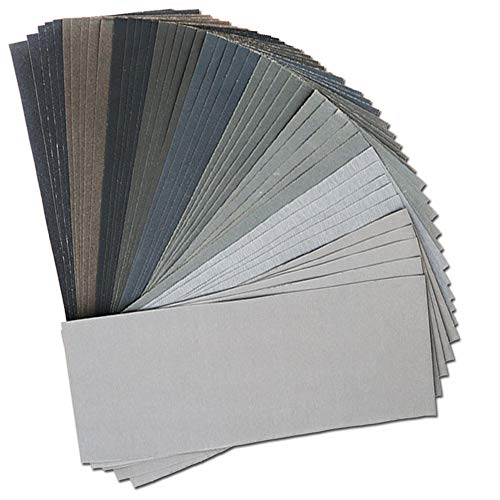
- Sandpaper: start with a coarse grit, then move through progressively finer grits
- Clean rags
- Pencil for marking glue spots
- Bright side light or shop light
- Optional: gel stain
- Optional: pre-stain wood conditioner
- Optional: scrap board or offcut for testing
- Optional: water or mineral spirits for a reveal wipe
How do you tell what stage the glue is in?
The stage tells you the least destructive fix. Wet squeeze-out wipes clean, rubbery squeeze-out should be peeled or scraped, fully cured squeeze-out needs scraping before sanding, and stained-over glue usually needs a reveal wipe and a bigger correction. Push too hard too early, and you can drive glue into pores or bruise edges.
| Glue condition | Safest correction | Risk level | Suggested grit sequence |
|---|---|---|---|
| Wet | Wipe immediately with a damp rag | Low | No sanding yet |
| Rubbery | Peel or scrape the ridge clean | Medium | Light 150, then 180 if needed |
| Fully cured | Scrape first, then sand | Higher | 120 to 150 to 180 to 220 |
| Stained-over | Reveal wipe, then spot-correct or refinish | Highest | Start with spot sanding, then blend |
Step 1: wipe wet glue before it turns into a finish problem
- Wipe fresh PVA squeeze-out with a damp rag before it skins over.
- Check end grain and inside corners after the wipe, then clean again if needed.
- Stop and inspect any veneer edge before it dries, because that surface bruises easily.
This matters because dried wood glue forms a plastic-like film that seals wood pores shut, and stain cannot soak in where that film remains. Wet cleanup keeps glue out of end grain, where contamination is harder to correct later.
Step 2: scrape rubbery or cured squeeze-out before sanding
- Lay a card scraper or sharp chisel flat to the surface.
- Lift the ridge in thin passes instead of digging at it.
- Recheck corners, shoulders, and panel edges for chatter or gouges.
A rubbery squeeze-out stage is the right moment to peel or scrape glue off. That is the cleanest removal point because the glue lifts in one piece instead of smearing across the grain. Polyurethane glue foams and expands, so its residue often needs even more careful lift-off.
If that didn’t work, try this next
If a ridge remains after scraping, sand only the residue. Start at 120 grit on the glue spot, then move to 150 or 180, and finish near 220 once the surface is level. Do not chase the whole panel unless the stain will be blended across the whole part.
Step 3: sand only the residue, not the whole panel
- Mark the glue spot with a pencil so you do not over-sand the area around it.
- Use a coarse grit just long enough to remove the film.
- Move through finer grits in steps and finish around a fine grit once the surface is clean.
- Stop early on veneer or thin edges and return to scraping if the surface thins.
The danger here is grinding glue into pores instead of removing it. That is especially bad on end grain, which soaks up liquids fast, and on veneer, where a few extra passes can burn through the face.
What if the glue is already stained over?
Use a reveal wipe with water or mineral spirits to expose hidden glue contamination before you decide on the next move. If the spot stays pale, the stain did not reach the wood there. At that point, spot repair may work on a small area, but a broader refinish is often cleaner on show surfaces.
If that didn’t work, try this next
- Test the pale area with a reveal wipe after the surface is dry.
- Spot sand back to bare wood if the glue film is still present.
- Match the repair with gel stain only if the color shift is minor.
- Refinish the whole board or face if the repair reads patchy in side light.
Does gel stain hide wood glue better?
Gel stain can disguise uneven absorption better than penetrating stain, but it does not fix glue residue. It is thicker, so it can make a repaired area look closer to the surrounding wood when the contamination is light. On heavy glue film, the pale patch usually still shows through.
Use gel stain as a partial disguise after cleanup, not as a cure. It is most useful when the surface is already close and the problem is a small color mismatch, not a sealed patch of cured glue.
Will wood conditioner help over glue spots?
No. Pre-stain wood conditioner can cut blotchiness on clean wood, but it does not remove cured glue film. If glue is on the surface, conditioner still leaves you with sealed pores and weak color uptake. Use conditioner only after the glue is gone and the surface is ready for stain.
It helps most on blotch-prone softwoods and other absorbent boards. It does less for contamination. If the area is already compromised, cleaning comes first, conditioning second.
What if glue has soaked into end grain before staining?
End grain soaks up liquids fast, which makes glue contamination more troublesome there. Once glue gets into those fibers, scraping the top skin may not fully fix the color shift. On exposed ends, the least risky path is to clean early, then sand lightly and expect some color blending work.
For a small end-grain spot, use a sharp scraper first, then a short 120-to-150 grit touch-up, followed by 180 or 220 only if the edge still looks fuzzy. On a proud edge or a veneer cap, stop before you change the profile.
Is stainable wood glue actually stainable?
It stains better than plain squeeze-out in some cases, but it still leaves trouble if the residue stays on the surface. PVA wood glue, including Titebond and Gorilla Wood Glue, is the same basic chemistry class, and it still dries to a film that can block stain. “Stainable” does not mean invisible.
That label usually means the glue may blend a little more on unfinished wood, not that it will accept color like surrounding grain. If the squeeze-out is left behind, you can still get pale halos and glossy patches after topcoat.
Does Gorilla Wood Glue stain well?
Gorilla Wood Glue is a PVA wood glue, so it behaves like other common yellow and white carpenter’s glues after cure. It does not accept stain like bare wood once residue is left on the surface. Clean squeeze-out while it is wet, then scrape or sand any cured film before coloring the piece.
If the project is already stained, use a reveal wipe first. That often shows whether the pale spot is glue, burnished wood, or both.
How do you prevent glue blotches on a finished project?
Wipe squeeze-out early, keep glue off exposed faces, and inspect with raking light before stain goes on. Variables like temperature, humidity, glue brand, clamping pressure, and clamping duration can change how much squeeze-out appears. In my experience, a scrap board or offcut test is still one of the cheapest early checks.
- Dry-fit the joint and mark face-up areas before glue-up.
- Use the smallest bead that still fills the joint.
- Wipe fresh squeeze-out before it skins over.
- Check the part after unclamping under side light.
- Run a test on a scrap board or offcut with the same stain, conditioner, and topcoat.
Common mistakes
Most failures come from fixing the wrong stage. Wet glue gets smeared by sanding. Rubbery glue gets pressed into pores. Cured glue gets attacked too hard and leaves a hollow.
- Using conditioner on glue residue instead of bare wood.
- Sanding a whole panel when only one spot is contaminated.
- Grinding through veneer while trying to remove one pale patch.
- Ignoring end grain, where stain failure usually reads louder.
- Using gel stain as a cover-up for heavy cured glue film.
If that didn’t work, refinish instead of forcing a bad blend
- Sand the affected face back far enough to remove the glue film.
- Blend the repair with 180 and 220 grit only after the contamination is gone.
- Reapply stain, then use topcoat once the color reads even in side light.
For a small trim piece, spot correction is usually worth the effort. For a tabletop, door panel, or veneer face, a clean refinish often costs less than trying to disguise a sealed glue patch that will keep showing through.
Frequently asked questions
Why does stain not take on dried wood glue?
Dried wood glue forms a plastic-like film over the surface. That film blocks stain from soaking into the fibers underneath. PVA, polyurethane, and epoxy all create that problem once cured, though polyurethane residue can be harder to clean because it foams and spreads into tiny gaps.
How do you remove dried wood glue before staining?
Start with a scraper or card scraper, then sand the remaining film with 120 grit and move through 150, 180, and 220 only after the glue is gone. Keep the abrasive on the spot, not the whole panel. On veneer or thin edges, switch back to scraping sooner.
Sponsored / affiliate links. As an Amazon Associate I earn from qualifying purchases. I may earn additional commission from eligible campaigns.