Best Stain Colors for Hickory Floors: Based on Specs and Reviews
The best stain colors for hickory floors are natural clear, light oak, and light-to-medium brown if you want to soften contrast; medium walnut and coffee if you want to keep grain visible; and cool gray-brown if you want a more modern look. Pick the wrong one, and hickory’s strong color variation can read muddy, harsh, or dated. This guide compares the stain colors that work best for taming, improving, or modernizing hickory’s natural grain.
This guide is part of our Wood Stain Colors and Stain Problems: Brand Charts, Comparisons and Fixes series.
Quick comparison
| Product | Badge | Best for | Price | ||
|---|---|---|---|---|---|
 |
Minwax Wood Finish, Dark Walnut, 1 QuartMinwax | Our pick | 1 Quart ·, · Dark Walnut | $13.88
Price as of 7 Nov 2026
|
View |
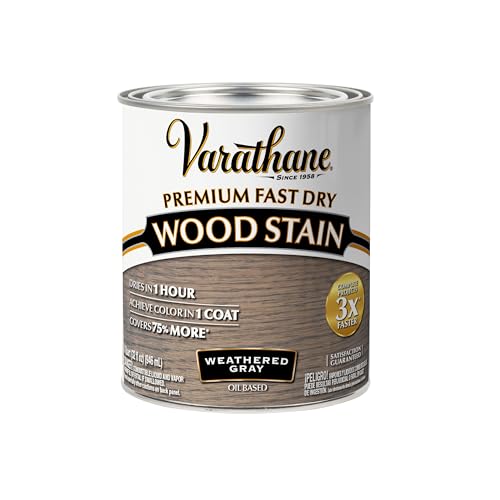 |
Varathane Premium Fast Dry Weathered Gray Wood StainVarathane | Also great | 1 Quart ·, · Weathered Gray | $15.97
Price as of 7 Nov 2026
|
View |
 |
General Finishes Oil Base Gel Stain, 1 Quart, Antique WalnutGeneral Finishes | Upgrade pick | 1 Quart ·, · Antique Walnut | $57.29
Price as of 7 Nov 2026
|
View |
Start with the room result you want, then match the stain to that goal. On hickory, the same stain can look calm in one room and busy in another, especially when the floor has strong light-and-dark striping.
For bright rooms, natural or honey usually reads best. For modern rooms, a gray-brown or espresso look usually feels most current; for rustic rooms, golden oak, walnut, or Jacobean gives the strongest traditional character.
How we chose
This guide ranks stain colors by four hickory-specific factors: how much grain stays visible, how much color variation gets quieted, how the tone reads in modern versus rustic interiors, and how risky the color is in small or dim rooms.
Hickory is a dense hardwood with pronounced grain and natural color variation from light tan to dark brown, so it does not behave like a flat, predictable wood. That means the best stain is often the one that solves a room problem, not the one that looks strongest on a sample board.
One more filter matters: hickory usually benefits from on-site sample testing. A stain that looks balanced in a showroom can look too dark, too orange, or too patchy once it is placed under your home’s light.
Hickory stain decision matrix
If you are comparing a few finalists, include a gray-brown sample alongside warm brown and darker options so you can see whether the floor reads more modern or more traditional in your room.
| Stain direction | Best for grain visibility | Best for reducing visual busy-ness | Best interior fit | Lighting and room-size warning |
|---|---|---|---|---|
| Natural / clear finish | Excellent | Low | Bright, airy, minimal interiors | Can look busy in small rooms because every light and dark board stays visible |
| Honey | Good | Moderate | Traditional and transitional rooms | Warm light can make it read more golden than expected |
| Golden oak | Very good | Moderate to low | Classic, traditional interiors | Can tilt orange in warm bulbs or south-facing rooms |
| Special walnut | Good | Good | Craftsman, mid-century, warm modern | Often the safest mid-tone, but it can still feel dark in tight rooms |
| Walnut | Very good | Very good | Traditional, moody, tailored interiors | Needs enough daylight or it can feel heavier than the sample |
| Espresso | Low | Excellent | Modern, sleek interiors | Shows dust and can close in a small or dim room |
Natural stain: best for showing hickory grain
A natural or clear finish is the best choice when you want hickory to look like hickory. It keeps the grain and color variation visible, and the light beige look associated with natural hickory lets the floor stay bright and open rather than heavily colored.
When a clear finish works well
Choose a clear finish when the room already gets strong daylight, when the floor color needs to stay as light as possible, or when you want the wood’s tan-to-brown variation to read as an intentional part of the design. It works well in open plans and rooms that feel narrow or shaded.
Natural hickory can be the right answer if the space is simple and calm. The floor becomes the pattern, and the room does not need extra color drama from the stain.
When natural hickory can look too busy
Leave hickory natural with care if the room is small, has several competing finishes, or already includes strong contrast in cabinets, tile, and trim. In those settings, the floor’s striping can read louder than intended, especially when the boards vary from light tan to dark brown.
That is the key tradeoff: clear finish shows the most character, but it also keeps the most movement. If you want a cleaner visual field, a warm mid-tone may do more work for you.
Honey and golden oak: best for warmth
Honey and golden oak are the best starting points when you want warmth without making hickory look heavy. Honey brings out tan, brown, and blonde elements, while golden oak adds amber and brownish-orange undertones that push the floor toward a classic, traditional feel.
Honey stain for a balanced warm look
Honey is a middle-of-the-road choice. It softens the natural contrast without flattening the wood, so the floor still looks like hickory but with a warmer, friendlier cast.
This tone works across traditional and contemporary interiors because it does not swing too dark or too orange. It is often a smart option when the room needs warmth but cannot afford a saturated brown floor.
Golden oak for classic traditional tone
Golden oak gives hickory a more heritage-leaning look. Its warm amber and brownish-orange undertones make the grain stand out, which is helpful if you want the floor to feel lively and classic rather than subdued.
Be careful in rooms with already warm paint or yellow lighting. Golden oak can tilt orange faster than many homeowners expect, especially on hickory’s naturally mixed boards.
Special walnut and walnut: best for a middle ground
Special walnut and walnut sit in the middle of the range for hickory. Special walnut is a warm brown that often feels camera-forgiving and flexible, while walnut creates a richer medium-dark look with dark chocolate lowlights and warm caramel highlights.
Special walnut for warm, camera-forgiving floors
Special walnut is a strong default when you want to calm hickory’s striping without burying it. It keeps enough warmth for a welcoming room and often suits craftsman and mid-century interiors better than very pale or very dark stains.
It is also one of the safer choices for resale-minded projects because it reads familiar, warm, and balanced. The floor still looks like wood, but it stops shouting from every board.
Walnut for richer contrast and deeper grain definition
Walnut is the better pick if you want more depth than special walnut can give. On hickory, its dark chocolate lows and warm caramel highlights can make cathedral grain patterns stand out in a richer, more tailored way.
The drawback is simple: darker mid-tones need better lighting discipline. In a small room, walnut can feel moodier than expected, especially if the space already lacks daylight.
Can you stain hickory floors darker?
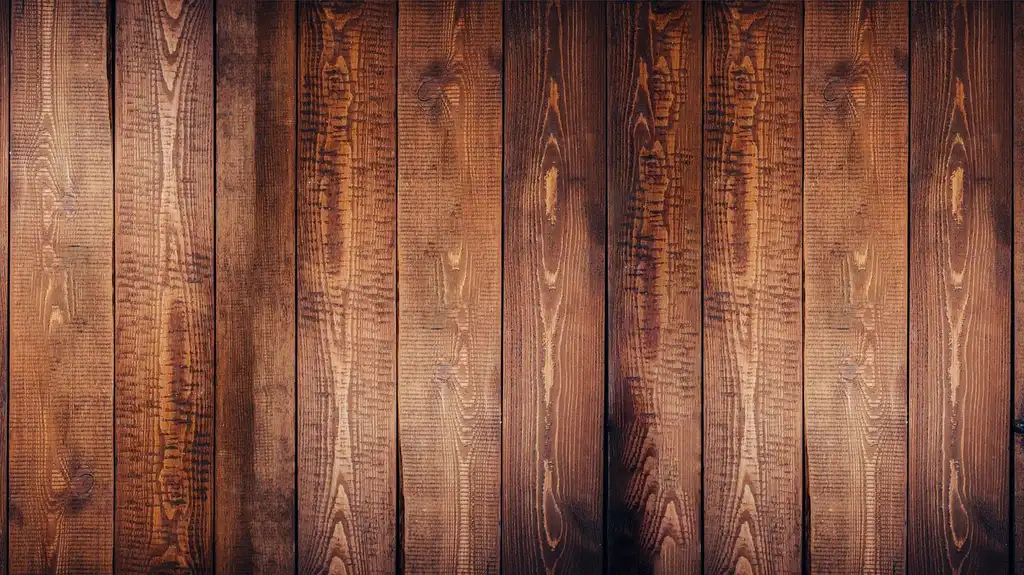
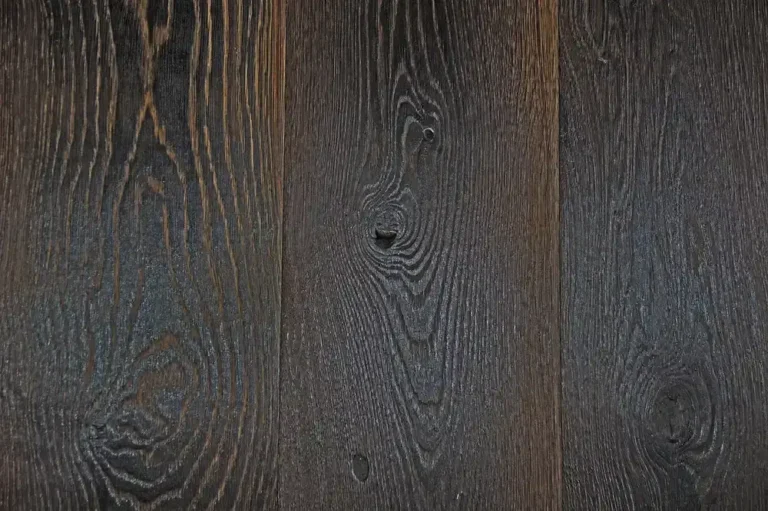
Yes, hickory can be stained darker, but dark stain changes the mood more than the wood’s structure. Espresso and Jacobean can cut down the look of grain variation, yet they also demand good light and careful sample checks because hickory’s natural contrast can still show through in uneven ways.
Espresso for a modern, low-contrast look
Espresso is the most modern-leaning option here. It gives hickory an almost-black appearance and minimizes visible grain variation, which can be useful when the goal is a sleek, grounded floor rather than a busy, rustic one.
That same darkness can backfire in rooms with limited light. A small den, hallway, or north-facing room may feel closed in if espresso covers too much surface without enough daylight.
Jacobean for a formal or historic feel
Jacobean is the best dark option when the room calls for a formal or historic look. It suits true restoration work better than casual renovations because the tone feels traditional, heavy, and intentional.
If the goal is to modernize hickory, Jacobean is usually more stain than the room needs. It can also make the floor feel heavier than expected unless the room has generous light and larger proportions.
Why dark stains need strong lighting and careful sample checks
Dark colors make hickory’s patchiness less obvious in some areas, but they can also reveal uneven absorption in others. That is why dark stains deserve actual sample patches on the floor, not a quick look at a printed chart.
Say your living room is 12 by 15 feet and gets only one west window. Espresso may look elegant in a sample patch near that window, then feel much darker across the rest of the floor once evening light takes over.
Should hickory floors be stained or left natural?
Leave hickory natural when the room is bright, open, and already feels visually calm. Stain it when you want to soften contrast, move the floor toward traditional warmth, or steer it toward a cleaner modern look. Water popping can help if you need more even stain uptake.
Leave it natural when the room is bright and open
Natural is often the cleanest choice in open layouts and sunny rooms. The floor stays light-reflecting, the grain remains visible, and the wood’s natural variation reads as part of the material rather than a problem to fix.
That is especially useful when the rest of the room is simple. If you already have quiet wall colors and restrained cabinetry, a clear finish lets hickory do the visual work on its own.
Stain it when you want to calm contrast or shift the style
Choose stain when the hickory boards feel too busy, too striped, or too rustic for the room. A warm mid-tone such as special walnut is often the easiest correction because it keeps the floor recognizable while reducing visual noise.
A common first-timer mistake is choosing a very dark stain to “hide” variation in a small room. The result can be the opposite: the floor loses definition, but the room feels tighter and the remaining contrast can look blotchy.
When water popping may help the result
Some flooring pros use water pretreatment called water popping. It involves wiping the floor with water to raise the grain before staining, which can help the stain take more evenly on hickory.
That step does not guarantee a perfect result, but it can reduce the chance of uneven pickup on a dense hardwood with pronounced grain. It is most worth discussing when the goal is a darker or more even-toned finish.
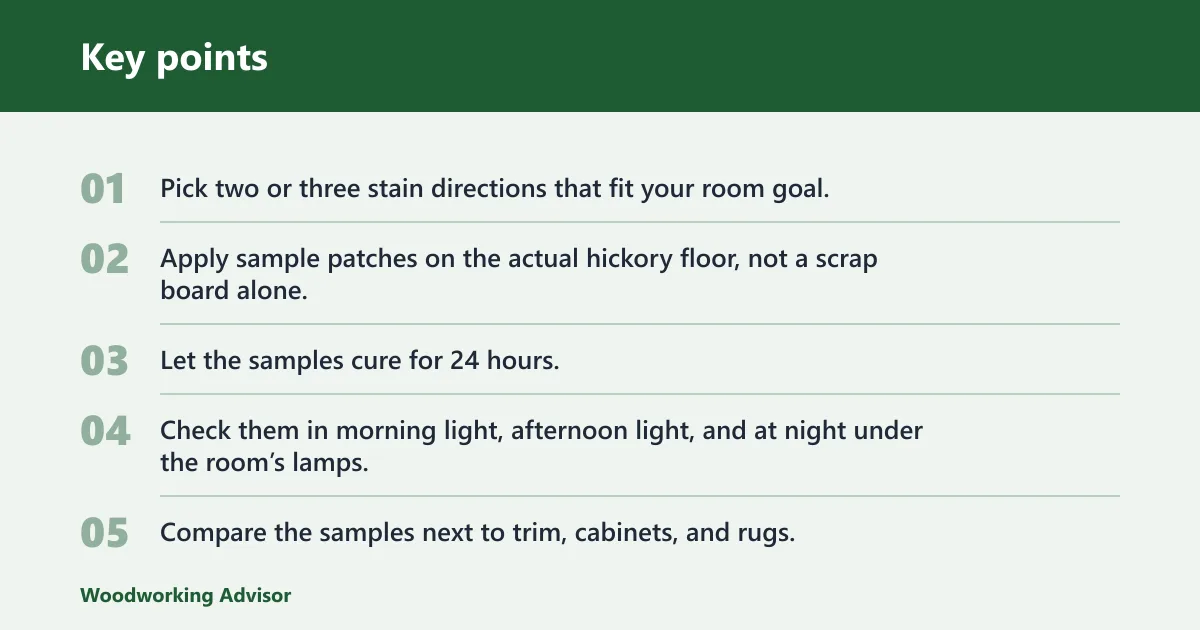
- Pick two or three stain directions that fit your room goal.
- Apply sample patches on the actual hickory floor, not a scrap board alone.
- Let the samples cure for 24 hours.
- Check them in morning light, afternoon light, and at night under the room’s lamps.
- Compare the samples next to trim, cabinets, and rugs.
- Choose the color that solves the room problem, not just the one that looks strongest on day one.
General Finishes Antique Walnut: best for even medium-dark color
This gel stain can fit hickory floors when you want a richer walnut look with more control over the finish. The gel formula is useful on wood that can read uneven, because it helps create a more even appearance and is easier to manage with a wipe-on method.
It suits homeowners who want a lustrous walnut tone without jumping all the way to espresso. The drawback is price: at $57.29, it costs more than many standard oil stains, and gel stains can still look too heavy if the room is already dark.
Minwax Dark Walnut: best for classic depth
This is a practical pick if you want a deep brown that mutes hickory’s strong contrast while still letting the grain show. The stain works by cloth or brush and is then wiped off, which is a familiar approach for controlled color on hardwood.
It is a strong fit for homeowners who want a classic dark-brown floor without going nearly black. The honest drawback is that deep walnut can still read busy in small rooms if the hickory boards have highly varied light and dark sections.
Varathane Weathered Gray: best for modern hickory
This stain is the best match for a more current, lower-contrast hickory look. The gray tone modernizes hickory floors, and the one-coat formula can simplify the staining process while still leaving the grain visible.
It is a good option when the goal is to move away from the warm rustic look. The drawback is that gray can drift cool fast, so it may clash with warm trim, cream walls, or yellow bulbs if the rest of the room is not planned around it.
Which one should you buy?
If you want the safest all-around choice, start with special walnut. It is warm, forgiving, and less likely than very dark stains to make hickory feel crowded or closed in.
If your goal is to keep the wood bright and honest, choose a clear finish or natural look. If you want the floor to look more modern, the gray-brown route is stronger than a heavy espresso in many homes because it softens the rustic striping without making the room feel severe.
If you are restoring a formal older house, walnut or Jacobean fits better than honey or golden oak. If the room is small or dim, stay away from the darkest choices unless the lighting plan is already strong.
Suppose you have a 10 by 12 bedroom with one small window and beige walls. Special walnut or honey will usually keep the room warmer and more open than espresso, while still quieting the heaviest hickory contrast.
Frequently asked questions
What stain color looks best on hickory floors?
The best stain color depends on the goal. Natural or clear finish is best for showing hickory’s character, special walnut is often the safest warm middle ground, and espresso or weathered gray works best when the room needs a more modern look. The wrong choice can make the floor feel muddy or too busy.
What is the most popular hardwood floor color right now?
For hickory, medium browns and warm naturals are still the safest mainstream choices because they balance the wood’s contrast without making it feel too orange, too pale, or too dark. Gray-brown is the more modern direction when you want the floor to feel updated.
Do hickory floors stain evenly?
They can stain evenly, but hickory is not the easiest species to control because of its strong natural variation and pronounced grain. Water popping can help the stain take more evenly, and sample patches on the actual floor are the best way to spot problems before the full job starts.
What stain colors hide hickory’s grain variation best?
Espresso hides the most visible variation, followed by darker walnut-style tones. Special walnut can also calm the look without flattening the floor completely. Natural, honey, and golden oak show more of the wood’s pattern, so they are better when the variation is a feature instead of a problem.
How do lighting and room size affect hickory stain color?
Lighting can make the same stain read warmer, cooler, lighter, or darker than expected, and room size changes how much visual movement the floor can handle. Dark stains feel heavier in smaller rooms, while clear and light stains can look overly active when the room is tight or the boards vary a lot.
What stain colors work best for modern hickory floors?
Weathered gray, espresso, and some cooler walnut looks are the strongest modern choices. They quiet the rustic striping that hickory can show and pull the floor toward a cleaner, more current look. Gray-brown often lands better than pure black because it keeps some wood character visible.
What stain colors work best for rustic hickory floors?
Golden oak, honey, and walnut are the best rustic directions. They bring out the warm amber, brown, and caramel notes that fit a traditional or craftsman feel. Natural finish also works well if the goal is a true wood-forward look with maximum contrast and movement.
How do you test a stain color on hickory flooring before refinishing?
Apply sample patches on the exact wood you have, then let them cure for 24 hours and judge them in your own home’s light. Compare more than one candidate color side by side. That process reveals whether the stain looks muddy, orange, too dark, or just right in the room.
Sponsored / affiliate links. As an Amazon Associate I earn from qualifying purchases. I may earn additional commission from eligible campaigns.