Can You Safely Burn Pallet Wood?
Burn only pallet wood stamped HT, unpainted, unstained, and free of spills. If a pallet is stamped MB, painted, chemically treated, or unknown, do not burn it. Wrong pallet wood can send toxic smoke into the air, leave chemicals in ash, and contaminate the fire area. This guide shows how to read pallet stamps, inspect damage and contamination, and choose burnable, reusable, or landfill-only pallets.
Pallet wood safety basics
Pallets are not one material category. Two pallets with the same size and grade can carry different treatment marks, different prior uses, and different contamination histories. The word “pallet” alone tells you very little about burn safety.
A pallet that looks dry can still hold oil, fertilizer, food residue, paint, or chemical spill marks. It can also hide staples, wire, or broken fasteners. If you cannot identify the treatment and the prior use, treat the pallet as unknown until it passes inspection.
One common first-timer mistake is to judge a pallet by color alone. A pale board can still have a suspicious odor or residue on the underside, while a dark board may simply be weathered. The safer decision comes from the stamp, the surface condition, the hardware load, and the likely prior use.
Pallet stamp guide
The stamp gives you the first clue, not the full answer. ISPM 15 marks help identify treatment status: HT means heat treated, MB means methyl bromide, KD means kiln dried, and DB means debarked. A missing stamp means the history is unknown and needs closer inspection.
What the common stamps mean
- HT: heat treated. This is the category most often treated as the safest pallet type for outdoor burning, provided the pallet is otherwise clean.
- MB: methyl bromide treated. Do not burn it.
- KD: kiln dried. This mark is commonly listed as acceptable, but the pallet still needs a clean-use history and a clean visual check.
- DB: debarked. This is generally listed as safe, but it does not prove the pallet had no other exposure.
HT pallets are treated with heat rather than chemicals, and one competitor describes the process as heating the core to a minimum of 56°C for 30 minutes. That tells you the treatment method, not whether the pallet later picked up paint, oil, or other contamination.
MB is the clearest reject mark. Methyl bromide is a pesticide treatment, and burned MB pallets can create harmful fumes. If the stamp shows MB, keep it out of any fire.
Can you burn pallet wood outdoors?
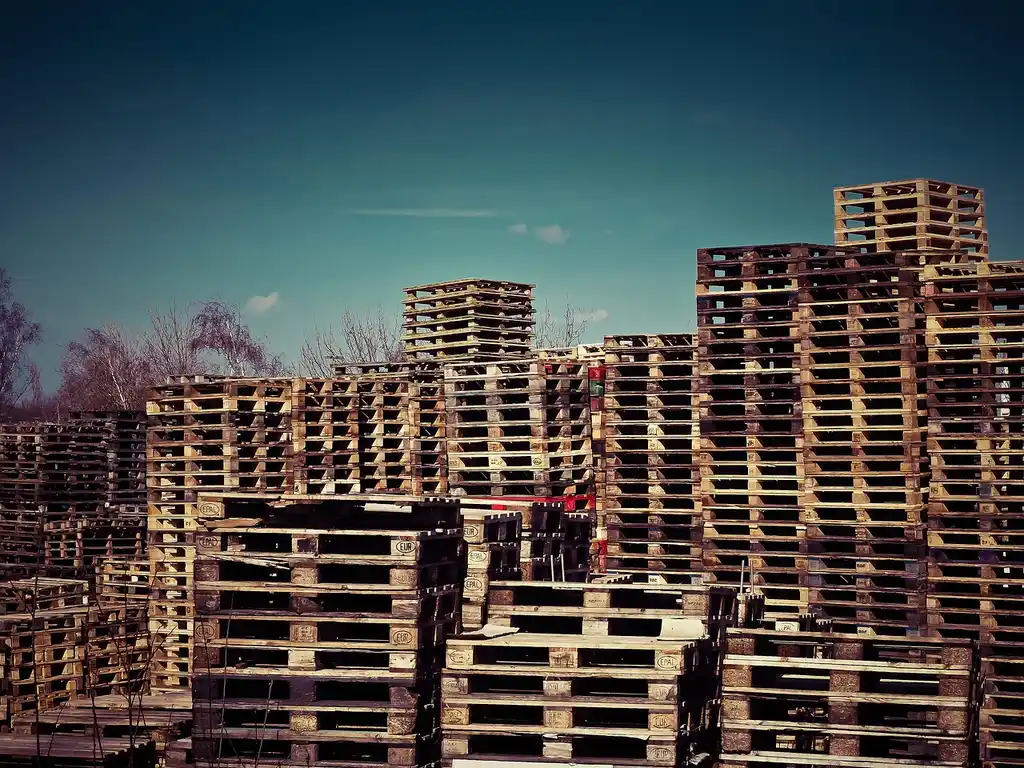
Sometimes, but only after you check the stamp, the surface condition, the likely prior use, and local outdoor-burning rules. Outdoor fires have fewer hazards than indoor appliances, yet pallet wood still throws sparks, burns fast, and leaves nails and broken slats to clean up.
Fire pit and chiminea differences
A fire pit or chiminea can be a better place for pallet wood than a stove or fireplace because the combustion area is open to the air. Even then, you should limit use to clean, clearly identified outdoor-appropriate pallets, and only where local rules allow it.
Softwood pallets can throw sparks heavily, so a spark screen is a sensible accessory for open outdoor fires. A chiminea gives more containment than a simple ring fire pit, but it does not change the need to reject painted, stained, or contaminated boards.
Solo Stove-style burners and spark control
Solo Stove-style burners reduce some smoke by improving airflow, but they do not make a bad pallet safe. They still need dry fuel, careful loading, and attention to sparks, nails, and ash cleanup. If the pallet is contaminated or has too much hardware, do not put it in the burner.
When outdoor burning still should not happen
Do not burn a pallet outdoors if it is MB stamped, painted, stained, oily, sticky, or carrying unknown residue. Do not burn it during a burn ban, wildfire restriction, or air-quality restriction. Local fire codes can also limit open burning in ways that differ by municipality and district.
Suppose a pallet is HT stamped, unpainted, and dry, but the underside has dark drips and a sour chemical smell. That pallet still fails the inspection. The mark helps, but residue and odor can point to a contamination history that makes burning the wrong choice.
Can you burn pallet wood indoors?
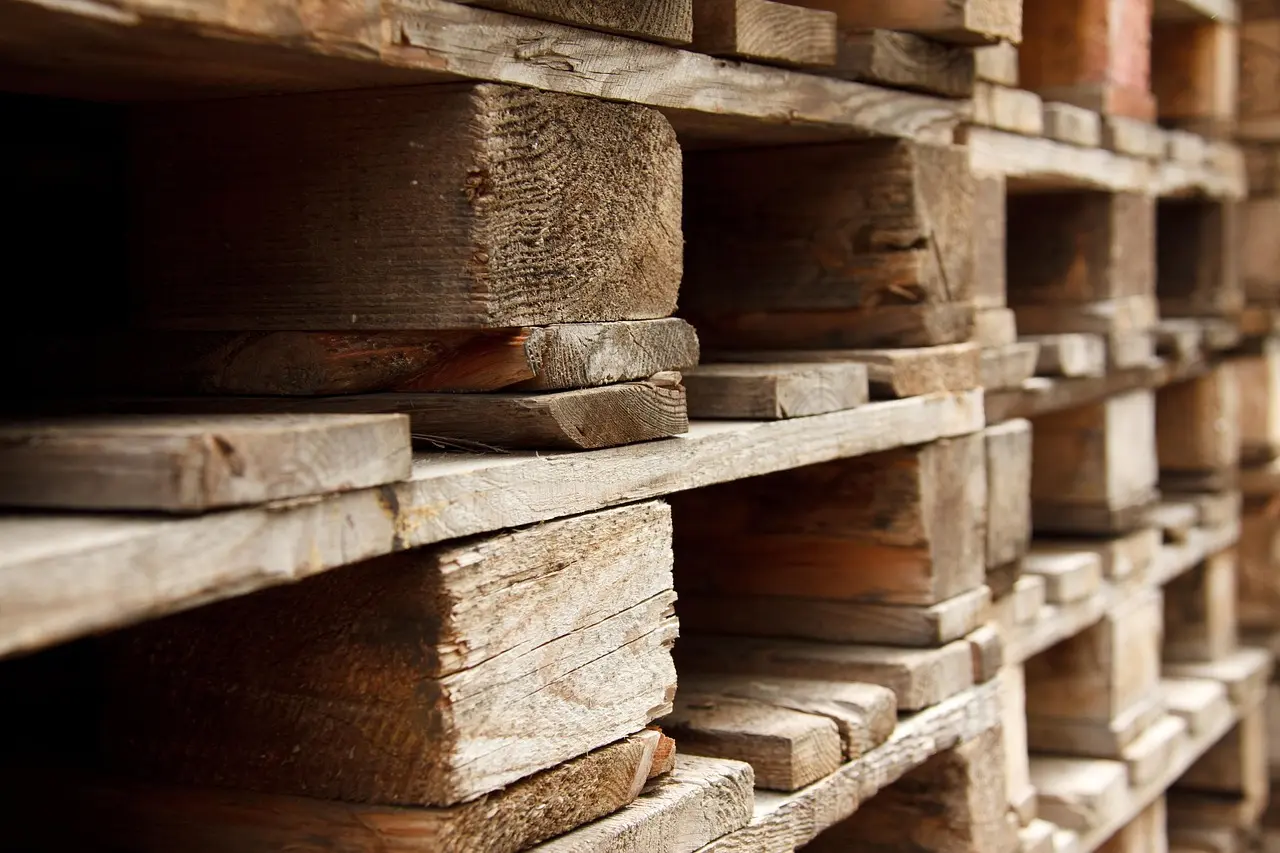
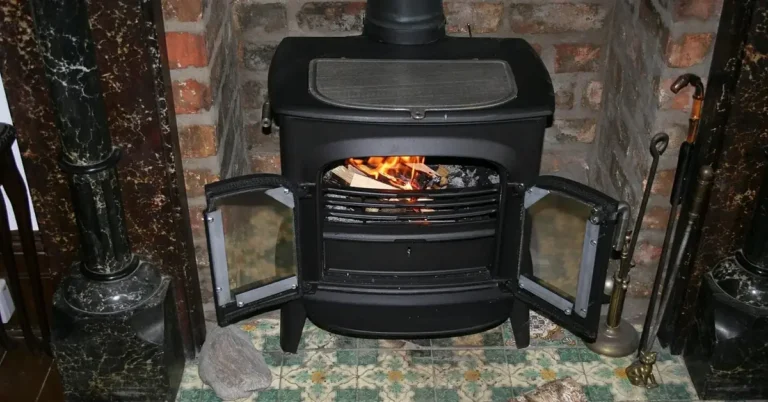
Indoor appliances generally need a stricter standard than many pallets can reliably meet. For wood stoves, log burners, and fireplaces, pallet wood is often a poor default because it can burn fast, may send sparks, and can leave more soot and hardware debris than seasoned firewood.
Wood stoves and log burners
For a log burner or wood stove, the main issue is not only the fuel itself but also the appliance. Draft, flue condition, and chimney maintenance all affect soot and creosote buildup. Pallet wood is not a smart standby fuel for that setting, even if the stamp looks favorable at first glance.
A clean-looking pallet can still have resinous softwood, fast flame travel, and metal pieces that survive the burn. One competitor says pallet wood burns faster than seasoned firewood, and compares its heat output as moderate versus the higher heat from seasoned hardwood. That makes it a poor match for controlled indoor heat.
Fireplaces and chimney maintenance
Fireplaces add another layer of caution because the chimney collects soot and creosote. Creosote risk is tied to fuel moisture, appliance condition, draft, and maintenance, so it is not accurate to blame every pallet in the same way. Still, pallet wood is not the best fuel for an indoor fireplace.
One competitor says pallet wood is better as kindling for fireplaces. That is the narrowest indoor role worth considering, and only if the piece is clean, unpainted, unstained, and free of fasteners. Even then, seasoned firewood remains the safer main fuel.
Why indoor appliances need a stricter standard
Indoor use leaves less room for error. Nails can drop into the firebox, sparks can escape when loading, and contaminated smoke is harder to avoid indoors than outside. If the pallet cannot pass a careful inspection, keep it out of the stove or fireplace completely.
Pallet wood decision checklist
Use this table to sort a specific pallet before any legal outdoor use. If the pallet fails a row, move to the safer outcome listed in the last column. The order matters: stamp first, then condition, then contamination clues, then fasteners.
| Pallet stamp | Visible condition | Contamination clues | Nail/fastener level | Recommended use | Disposal action |
|---|---|---|---|---|---|
| HT, KD, or DB | Clean, dry, unpainted, unstained | No odor, no drips, no coating residue, no food-contact spills | Low | Burn outdoors only, if local rules allow | Remove loose fasteners first |
| HT, KD, DB, or no stamp | Clean boards with sound wood | No contamination, but the boards are straight and useful | Moderate | Split into kindling only | Pull nails, trim splits, store dry |
| No stamp, HT, KD, or DB | Good structural condition | Likely clean use history; boards still valuable | Any level that can be removed safely | Reuse or repurpose | De-nail and keep out of the fire |
| MB, or any stamp with suspect history | Painted, stained, oily, sticky, or heavily weathered | Odor, residue, spills, chemical marks, or unknown exposure | High or embedded hardware | Do not burn | Dispose per local rules or recycle if accepted |
- Find the stamp and record it.
- Check both faces and the edges for paint, stains, drips, or residue.
- Smell the board for fuel, solvent, pesticide, or chemical odor.
- Look for embedded nails, staples, wire, plates, or broken fasteners.
- Decide whether the board is best burned outdoors, cut into kindling, reused, or discarded.
What pallets should not be burned?
Do not burn MB-treated pallets. Do not burn painted, stained, pressure-treated, or chemically contaminated pallets. Do not burn pallets with suspicious residue from oils, cleaners, food waste, or unknown industrial use. If the pallet history is unclear and the surface looks compromised, the safe answer is no.
One competitor says pallet fires are illegal in many public areas because they leave nails behind, and it warns that those nails are hazardous to visitors, vehicles, wildlife, and livestock. That is a strong reason to avoid pallets in public fire pits and open-burning areas unless the pallet has been carefully broken down and cleared of hardware.
Pressure-treated wood deserves special caution because it may contain arsenic, chromium, petroleum products, or other contaminants. Cutting off the outer edge does not make that wood safe for burning. If the board may have been pressure treated, keep it out of the fire.
How to remove nails and prepare usable boards
If the pallet passes the basic safety screen and the boards are worth saving, remove the fasteners before any outdoor use. A pry bar, cat’s paw, or pallet buster can help separate the deck boards without splitting them. Work slowly so you do not leave hidden nails behind.
Boards with a high hardware load are often better reused than burned. If the wood is straight, clean, and long enough for shelving, blocking, shop jigs, or garden use, repurpose it instead of sending it through a fire. Burning should be the last option, not the default.
Step-by-step removal workflow
- Lay the pallet flat on a stable surface.
- Pull visible nails, staples, and wire before breaking the pallet apart.
- Separate the clearest boards first and inspect hidden faces.
- Discard any board with paint, stains, odor, or sticky residue.
- Stack only the clean, dry boards for outdoor kindling or reuse.
Say your pallet is HT stamped, dry, and unpainted, but two boards are packed with rusted staples and one stringer is cracked. The clean boards may be worth saving for kindling or reuse, while the heavily fastened section should be de-nailed or discarded rather than thrown into a fire as-is.
Frequently asked questions
Can you safely burn pallet wood?
Yes, but only in the narrow case where the pallet appears clearly HT, clean, unpainted, unstained, and free of suspicious residue. Even then, outdoor burning is the better choice. If the stamp is MB, or the surface looks contaminated, do not burn it.
Can you burn pallet wood?
You can burn some pallet wood, but the material category is not enough by itself. You need the stamp, a clean visual inspection, a low-hardware board, and compliance with local burning rules. Unclear history or contamination means the pallet should not go into the fire.
Can you burn pallet wood in a log burner?
It is a poor choice for a log burner. Indoor appliances need cleaner fuel than most pallets can reliably provide, and pallet wood can burn fast, spark, and add more cleanup from nails and soot. Seasoned firewood is the safer default for that appliance.
Can you burn pallet wood in a fire pit?
Sometimes, if the pallet is HT or otherwise clean, unpainted, and free of contamination. Fire pits have fewer hazards than indoor stoves, but they still need attention to sparks, nails, and local burn rules. Use a spark screen when appropriate and do not burn MB pallets.
Can you burn pallet wood in a fireplace?
Only in the narrowest sense, and mainly as small kindling from a clean, de-nailed pallet. A fireplace sends soot and creosote into a chimney system, so fuel quality matters more than it does outdoors. If the pallet is painted, treated, or unknown, keep it out.
Can you burn pallet wood with nails?
Technically it may still burn, but it is not a good idea. Nails and fasteners create a safety hazard, especially in public fire pits and open-burning areas, and they leave debris behind. Remove as much hardware as possible before any lawful outdoor use, or choose reuse instead.
Sponsored / affiliate links. As an Amazon Associate I earn from qualifying purchases. I may earn additional commission from eligible campaigns.