Can You Glue Wood to Galvanized Metal? Adhesives That Work
Yes, you can glue wood to galvanized steel, but it usually helps to scuff and degrease the zinc first. I usually reach for epoxy first, polyurethane second, and I tend to avoid ordinary PVA for this job. Skip prep or pick the wrong adhesive, and the joint can peel under load, moisture, or thermal movement.
Can you glue wood to galvanized metal?


When glue is fine and when fasteners are the safer choice
Glue works best on a broad wood-to-metal joint that stays lightly loaded and sees little pry force. Shelves, trim returns, face-mounted panels, and light brackets fit this use if the galvanized surface is clean and abraded.
Fasteners are safer when the joint carries repeated impact, long-term shear, vibration, or outdoor weather exposure. I still use adhesive as part of the system, but screws, bolts, or a bracket give restraint that glue alone rarely holds through seasonal movement.
Why wood and galvanized metal fight each other
Wood is porous and it moves with moisture. Galvanized steel is zinc-coated steel, corrosion-resistant, and far less forgiving at the bond line. Wood and metal expand and contract at different rates, so a joint that looks fine on day one can fail later from cyclic stress.
Porous wood versus low-energy metal
PVA glue wets porous wood well but not slick metal. That is the core mismatch. Wood gives adhesive fibers and pores to grip; galvanized steel often presents a smooth, low-energy surface that needs cleaning and abrasion before most adhesives can wet it properly.
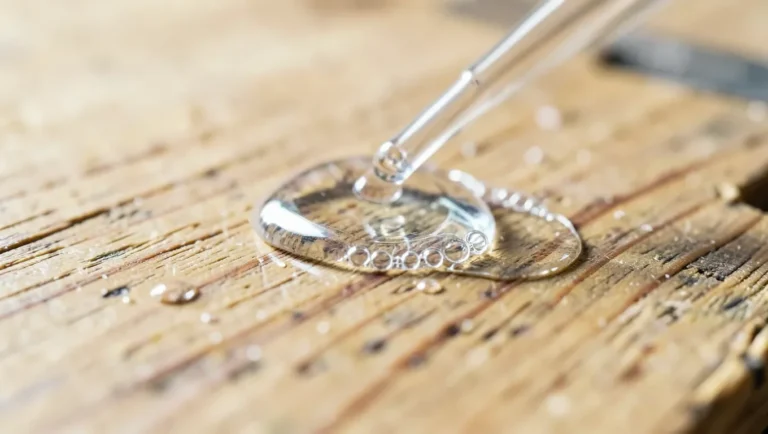
Adhesive wetting matters more than many people expect. If the glue cannot spread into intimate contact with the surface, it beads, bridges, or sits on contamination instead of forming a real bond.
Moisture movement and thermal expansion mismatch
Wood swells and shrinks across the grain as humidity changes. Metal moves too, but in a different way and usually at a different rate. That mismatch creates peel stress and fatigue, especially on long joints, outdoor assemblies, and parts that heat in sun and cool at night.
What sticks to galvanized steel, and what does not?
Two-part epoxies are often my first pick for wood-to-metal work because they can bond to properly prepared galvanized steel and wood at the same time. PVA wood glue is fine on wood, but it is usually not dependable for metal bonding. Construction adhesive can work, but only when the product and substrate prep line up.
PVA wood glue on metal
PVA glue is excellent on porous wood. On galvanized metal it usually beads up or releases later, because the surface does not give it the same wet-out and mechanical key that wood does. For a wood-to-galvanized joint, treat PVA as a wood-to-wood adhesive, not a metal adhesive.
Two-part epoxy
Two-part epoxy mixes resin and hardener, cures through polymerization, and has low surface tension compared with many general-purpose glues. That matters on metal. It can fill small gaps, bridge imperfect surfaces, and bond well when the zinc is cleaned and scuffed correctly. Thickened epoxy can help on slightly uneven parts.
Construction adhesive
Construction adhesive is a mixed-material option, especially for trim, panels, and non-structural assemblies. Its performance depends heavily on substrate prep and the exact product. It can be useful on galvanized steel, but it should not be treated as a cure-all for dirty, shiny, or heavily loaded joints.
When mechanical fastening beats adhesive
Mechanical fasteners are the better choice when the joint is structural, highly loaded, or exposed to vibration and weather for long periods. If the joint must survive repeated peel forces, a screw, bolt, or bracket gives a level of insurance that glue alone rarely provides on galvanized steel.
How to prepare galvanized metal for bonding
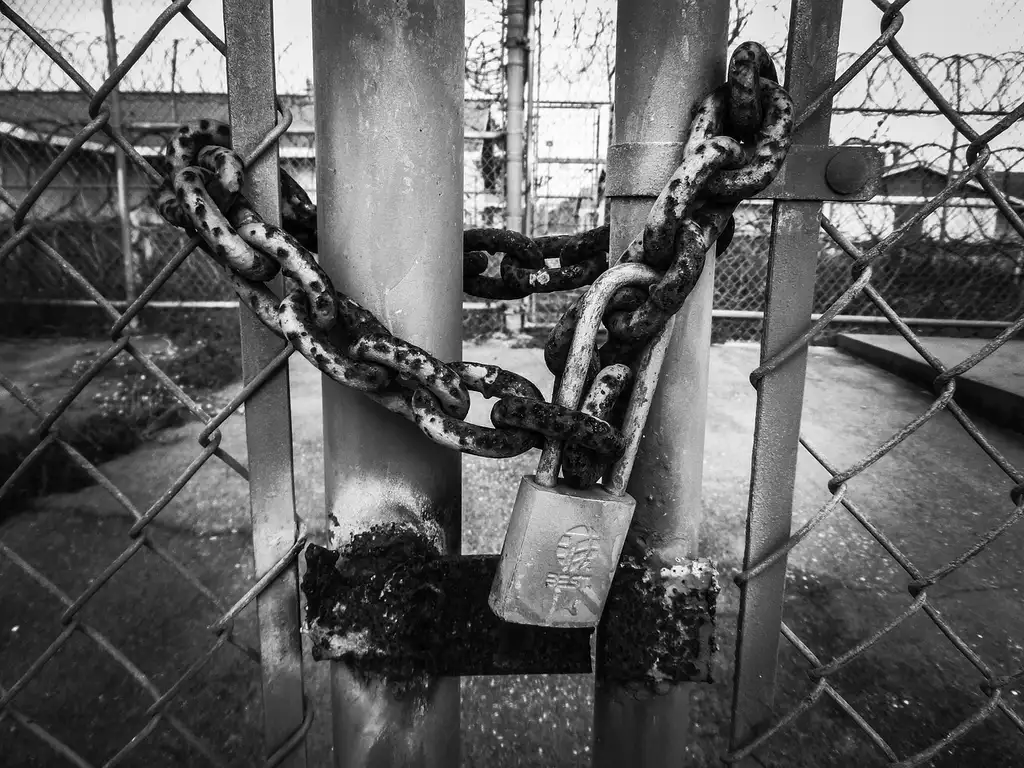
How do you prepare galvanized steel for bonding? Clean it first, degrease it after sanding, and then bond before the surface gets contaminated again. A reliable prep approach is to remove oil, create a mechanical key, and keep the part clean until the adhesive goes on.
Clean and degrease first
Should galvanized metal be degreased before applying adhesive? Yes. Metal should be degreased after sanding with acetone or rubbing alcohol. That step removes fingerprints, shop oil, layout marks, and cutting residue that can keep adhesive from wetting the zinc coating.
Scuff with 80-120 grit
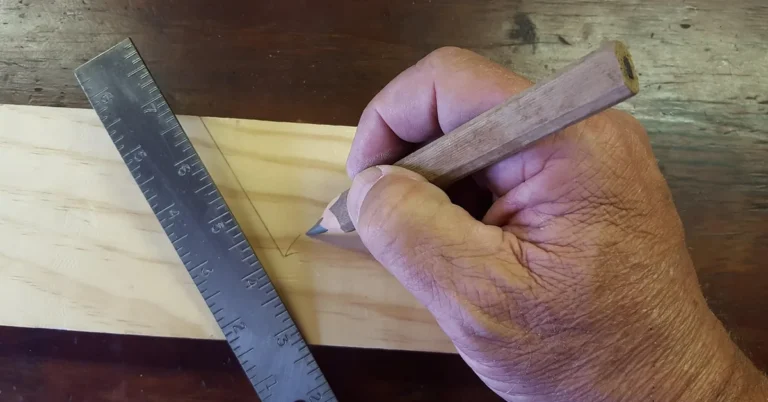
Do you need to sand galvanized metal before gluing? Usually yes. Shiny steel or aluminum should be scuffed with 80-120 grit sandpaper. On galvanized steel, that light abrasion creates a mechanical key without stripping away too much coating on thin stock.
Remove dust, then bond before contamination returns
After scuffing, remove dust with a clean cloth and then bond soon after. Freshly cleaned metal picks up oils and airborne dust quickly. If the part sits for hours, the prep work can lose value fast.
- Wipe the galvanized surface clean.
- Scuff the bonding area with 80-120 grit.
- Brush or wipe away sanding dust.
- Degrease with acetone or rubbing alcohol.
- Apply adhesive while the surface is still clean.
- Clamp per the adhesive directions and avoid movement during cure.
Best adhesive by project type
The best adhesive depends on indoor or outdoor exposure, load level, and whether the galvanized coating is clean, aged, or damaged. For mixed-material work, epoxy is usually the safest general answer. Construction adhesive can fit light-duty assemblies, but prep and product choice matter more than many people assume.
Indoor trim and light-duty assemblies
For indoor trim, face panels, and light shop fixtures, a good construction adhesive or epoxy can work if the galvanized steel is scuffed and degreased. Use it where the joint mostly sees shear, not peel. Keep the bond line broad.
Outdoor or damp locations
For outdoor wood-to-metal projects, epoxy is usually the stronger starting point because it handles small surface flaws and can be thickened with silica or milled glass fibers. Hot-dip galvanization is more common and can last up to or beyond 100 years outdoors, but coating condition still matters at the bond line.
Load-bearing joints and mixed-material frames
On load-bearing frames, the adhesive should be part of the connection, not the whole connection. Use epoxy on properly prepared galvanized steel, then add screws, bolts, or brackets where the design allows. Electrogalvanized coatings are thinner than hot-dip coatings, so aggressive prep on thin stock deserves extra care.
Decision table: choose adhesive, prep, and risk level
| Project type | Exposure | Load level | Galvanized surface condition | Recommended adhesive | Prep method | Red-flag failure mode |
|---|---|---|---|---|---|---|
| Indoor trim to clean galvanized steel | Dry indoor | Light | Clean, shiny, unworn | Epoxy or a product-rated construction adhesive | 80-120 grit scuff, then acetone or rubbing alcohol | Peel failure from poor wetting |
| Outdoor bracket to galvanized frame | Weather exposure | Moderate | Hot-dip or electrogalvanized, lightly aged | Two-part epoxy | Scuff, degrease, clamp during cure | Creep and fatigue from thermal expansion mismatch |
| Panel or cleat on dirty galvanized steel | Indoor or sheltered | Light to moderate | Oily, dusty, or handled often | Not adhesive-only; clean first or use fasteners | Thorough cleaning, abrasion, re-cleaning | Clean bond-line failure |
| Joint on painted or damaged coating | Any | Moderate | Painted, flaking, or patchy zinc | Epoxy if sound metal is exposed; otherwise fasteners | Remove loose coating, avoid over-sanding thin zinc | Bond lifts with coating delamination |
| Thin galvanized stock, high-stress joint | Outdoor or vibrating | High | Thin electrogalvanized layer | Mechanical fasteners plus adhesive as backup | Light scuff only, minimal coating removal | Zinc loss, corrosion, and joint fatigue |
How long the bond takes to cure and fail
Clamp time and full cure are not the same thing. Many adhesives grab early, but the joint should not be loaded until the adhesive has reached its full cure. Epoxy cures through polymerization, and that chemical change is what gives the bond its final strength.
Clamp time versus full cure
Clamp only long enough to keep the joint in contact while the adhesive sets. Then leave it alone for the full cure period listed for the product. If the joint is moved too soon, the bond can starve, shift, or skin over without real strength underneath.
Common failure modes
Failure can show up as bond-line peel, creep, or wood tear-out. Peel failure means the adhesive let go of the metal. Creep means the joint slowly shifts under load. Wood tear-out means the adhesive held better than the wood fibers at the edge of the bond.
Thin coatings, poor cleaning, and aggressive sanding all raise the risk. So does a long joint exposed to sun, rain, or repeated heating and cooling.
Frequently asked questions
What is the best adhesive for wood to galvanized steel?
Two-part epoxy is usually the best starting point for wood to galvanized steel because it bonds well to properly prepared metal and wood, fills small gaps, and cures into a hard joint. For loaded or outdoor work, it is usually more dependable than general construction adhesive.
Will wood glue stick to galvanized metal?
Wood glue, meaning standard PVA, usually does not stick reliably to galvanized metal. It wets porous wood well but tends to bead on the slick zinc surface. It can seem tight at first, then fail later when the joint is stressed or exposed to moisture.
Do you need to sand galvanized metal before gluing?
Yes, light sanding or scuffing helps. Shiny steel or aluminum should be scuffed with 80-120 grit sandpaper, and the same approach works well on galvanized steel when done lightly. The goal is a mechanical key, not heavy removal of the zinc layer.
Should galvanized metal be degreased before applying adhesive?
Yes. Metal should be degreased after sanding with acetone or rubbing alcohol. That removes oils and fingerprints that interfere with wetting and adhesion. If the surface is cleaned but not degreased, the adhesive may still fail at the bond line.
Is epoxy better than construction adhesive for wood-to-metal bonds?
For most wood-to-galvanized-metal joints, yes. Epoxy is usually the stronger and more predictable choice because it wets prepared metal well and handles small gaps. Construction adhesive can work for lighter assemblies, but its success depends much more on the exact product and the substrate prep.
What adhesive works for outdoor wood-to-metal projects?
For outdoor wood-to-metal projects, epoxy is usually the first choice. Outdoor exposure puts constant stress on the joint from moisture and temperature swings, so the adhesive needs strong wetting, gap-filling ability, and good bond retention on prepared galvanized steel.
How do you prepare galvanized steel for bonding?
Clean the surface, scuff it lightly with 80-120 grit, remove the dust, then degrease with acetone or rubbing alcohol. Bond soon after preparation. If the coating is thin, damaged, or flaking, use a gentler prep or switch to mechanical fastening instead of forcing an adhesive-only joint.
Sponsored / affiliate links. As an Amazon Associate I earn from qualifying purchases. I may earn additional commission from eligible campaigns.