Can You Heat Hardwood Floors? Everything You Need to Know
Thinking about heating your beautiful hardwood floors? It’s a question many homeowners have, and it can seem tricky at first. Don’t worry, though; it’s a lot simpler than you might believe! Many people wonder if they even Can You Heat Hardwood Floors? because they’re unsure about the materials involved. This guide will take you step-by-step through the process, covering everything you need to know to decide if this option is right for you, or how to get started. Let’s explore everything, from the different types of heating systems, to the best practices for installing and maintaining them.
Choosing the Right Heating System for Hardwood Floors
When considering how to heat hardwood floors, the type of heating system you choose is very important. There are several options available, each with its own pros and cons in terms of cost, efficiency, and suitability for hardwood. Radiant floor heating systems, both electric and hydronic, are designed specifically to work with hardwood. Forced-air systems, a common type of heating, also need careful evaluation due to their potential impact on the wood. Understanding how these systems work and what they require will help you make a suitable decision. The goal here is to make sure your floors look great and keep you warm.
Electric Radiant Floor Heating
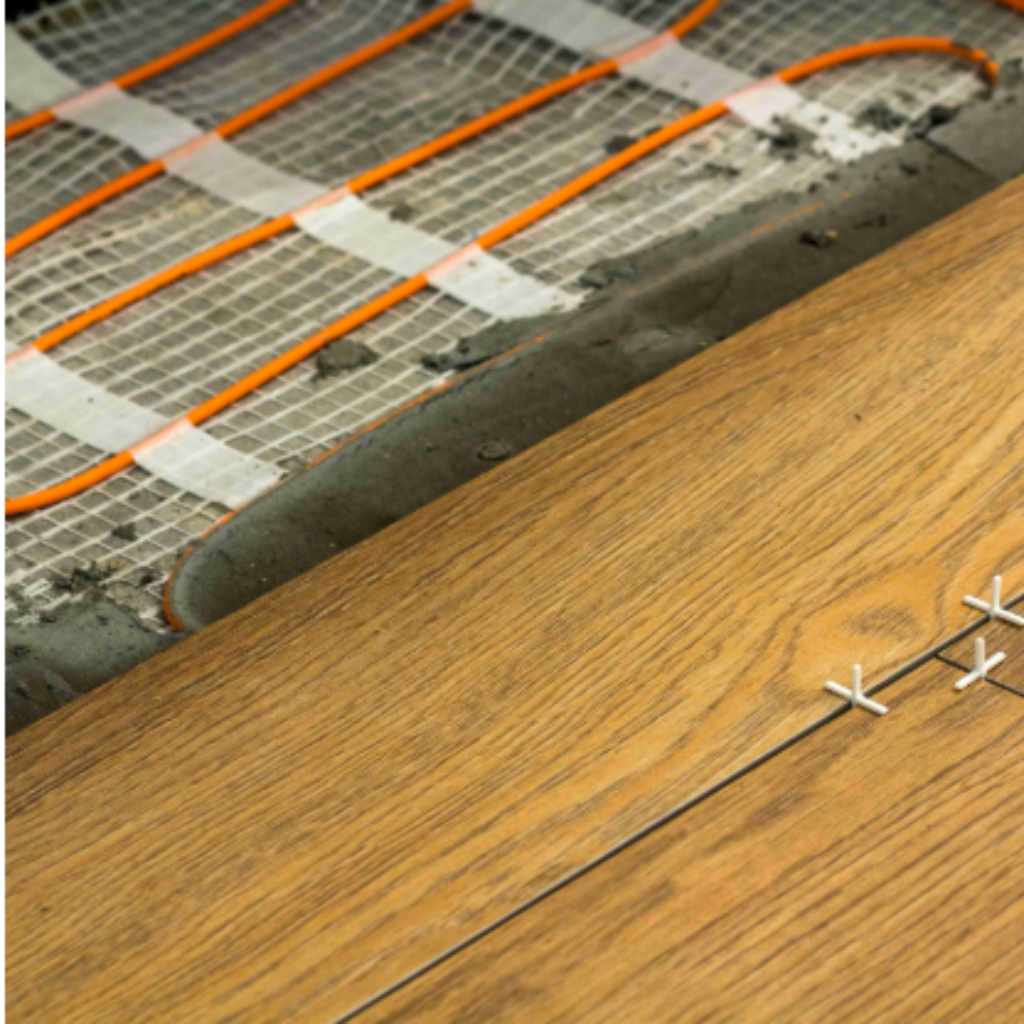
Electric radiant floor heating is a popular choice for homeowners. It involves heating elements placed beneath the flooring, which warm the floor directly. These systems are usually easy to install, making them a good option for DIY projects. The electric resistance in the cables or mats converts electrical energy into heat, distributing it evenly across the floor surface. Because of this even distribution, you’ll experience consistent warmth throughout the room. This direct heating method is very efficient, especially in well-insulated homes. It’s a great option for smaller areas like bathrooms or kitchens. Consider it for a zone-heating approach, where you only heat specific rooms.
- Ease of Installation: Electric systems often involve laying down heating mats or cables, which are then covered with thin-set mortar or directly under the flooring. This makes them good for small spaces.
- Precise Temperature Control: Thermostats allow you to set your floor temperature to a comfortable level. This can reduce energy use compared to heating the entire house.
- Lower Initial Cost: Generally, the initial cost of installing an electric system is less than that of hydronic systems, making them accessible to many homeowners.
- Maintenance: These systems need little care once installed. There are no moving parts to break down, simplifying upkeep.
- Operational Costs: Running costs depend on electricity prices, which can vary. Carefully consider electricity costs in your area before installing.
Hydronic Radiant Floor Heating
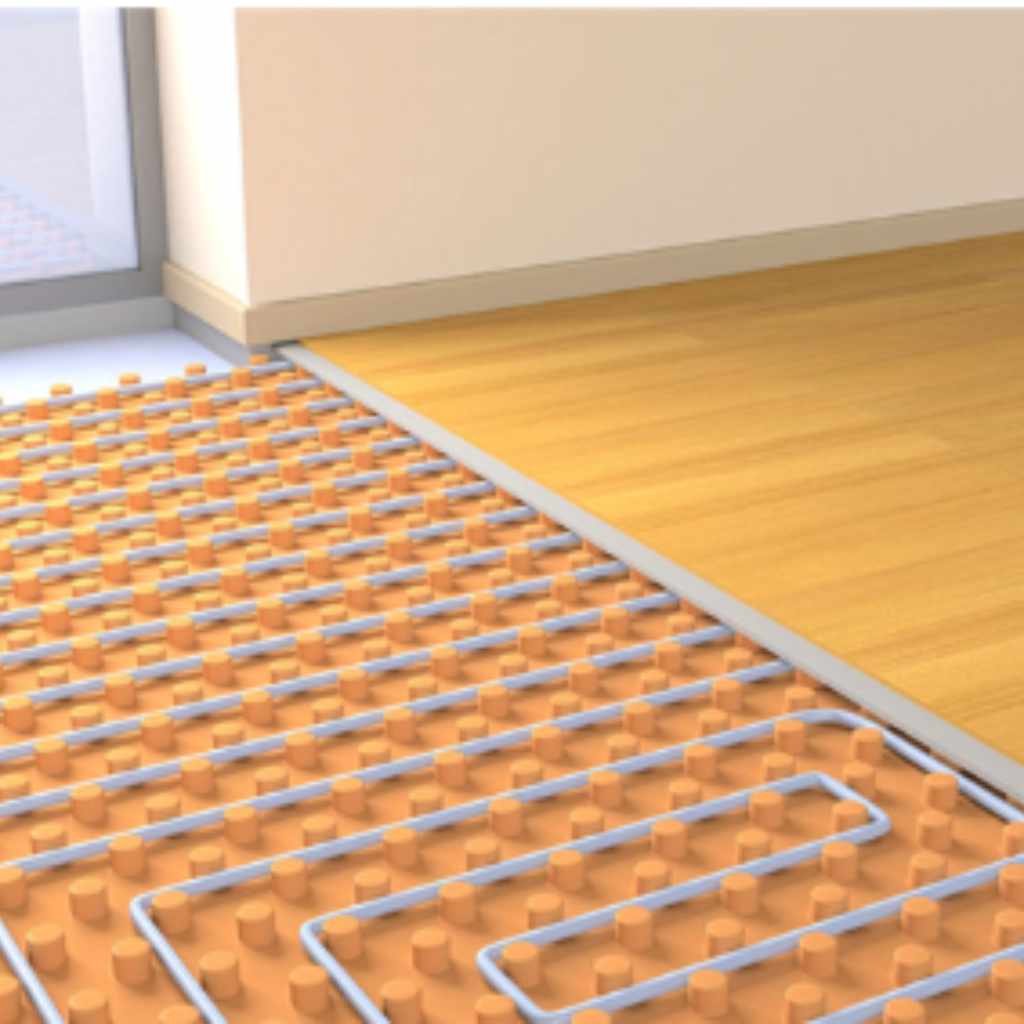
Hydronic radiant floor heating utilizes hot water that circulates through tubes installed under the flooring. This system connects to a boiler, which heats the water. The heated water moves through pipes, releasing heat into the floor and warming the room. These systems are known for their efficiency and can be used in larger spaces because of their heat output. While the initial investment might be higher due to the installation of a boiler and the plumbing network, the long-term running costs can be lower, mainly because of the increased efficiency. These are excellent when combined with renewable energy sources such as solar. Hydronic systems are often preferred for whole-house heating, offering consistent and comfortable warmth.
- Energy Efficiency: These are exceptionally efficient in warming a room, which can help save money on heating bills.
- Zoned Heating Capabilities: Hydronic systems offer precise control over the warmth in different zones of your home. You can set each room at its ideal temperature for comfort and to reduce energy waste.
- Long Lifespan: Hydronic systems often last for many years with minimal maintenance.
- Installation Complexity: These systems are often best installed by professionals because of the boiler and plumbing components involved.
- Integration with Heat Sources: You can integrate hydronic systems with various heat sources, including solar and geothermal systems, improving efficiency.
Forced-Air Heating Systems
Forced-air heating systems, while commonly used, require careful consideration when paired with hardwood floors. These systems circulate warm air throughout the home through ducts. Although forced-air systems can heat hardwood floors, the high temperature and low humidity they often produce can damage the wood over time. Wood can dry out, shrink, and crack if exposed to these conditions for prolonged periods. The best way to use this is to make sure you have the right settings. You can also work on adding a humidifier to your home. It’s important to monitor the humidity levels and take steps to maintain them to protect the floors. Always consult professionals. They can help you to make smart decisions for your home.
- Humidity Control: Controlling humidity levels is key. Low humidity can dry out hardwood, leading to gaps, cracks, and other damage.
- Airflow Considerations: Ensure adequate airflow across the hardwood to prevent uneven heating and potential moisture buildup.
- Temperature Settings: Do not set the thermostat very high. Maintain a moderate temperature in the home. This reduces stress on the hardwood.
- Professional Consultation: Speak to HVAC experts about your system. They can offer advice on adjusting the system to work well with your floor.
- Regular Maintenance: Keeping your forced-air system maintained can help it operate well with your floors, and also keep energy costs down.
Compatibility: Is Your Hardwood Floor Suitable?
Before you commit to heating your hardwood floors, it’s very important to check that your floors are suitable. Not all hardwood is made the same. Some kinds of wood, such as solid hardwood, react to temperature and humidity differently than others. It’s key to know the type, thickness, and installation method of your flooring. These factors can influence how well your floors deal with the heat. Improper installations or unsuitable wood types can cause damage, such as warping or cracking. Knowing the wood’s properties and the system’s requirements helps you avoid issues and make sure the new heating complements your flooring.
Solid Hardwood vs. Engineered Hardwood
Solid hardwood is made from a single piece of wood, which gives it a classic look. It’s often more sensitive to changes in temperature and humidity than other types of flooring. This sensitivity can cause it to expand and contract. This can lead to gaps or cracks. Engineered hardwood is made of multiple layers of wood, with a solid wood veneer on top. This construction makes engineered wood more stable and less prone to warping. Due to its structure, engineered hardwood works better with floor heating systems because it can handle temperature changes. Checking the manufacturer’s recommendations is a great idea to make sure the flooring is compatible.
- Dimensional Stability: Engineered hardwood is more stable, with its layers resisting expansion and contraction from heat, making it perfect for radiant systems.
- Thickness Considerations: The thickness of the hardwood also affects its compatibility. Thicker wood may insulate better but take longer to heat.
- Moisture Content: Control moisture levels. High moisture can cause swelling, and low moisture can cause cracks, so maintaining the right environment is very important.
- Installation Methods: How the floor is installed plays a role. Floating floors, for instance, are designed to allow movement.
- Wood Species: Different wood types have varying properties. Oak and maple are common, and their response to heat varies. Always consider the specific wood’s characteristics.
Floor Thickness and Installation Methods
The thickness of the hardwood floors directly impacts how efficiently your heating system works. Thicker floors can act as insulators, meaning they take longer to heat up and cool down. The installation method also matters a lot. For instance, floors that are glued down may perform differently from those that float. The installation method also affects how well the heat is distributed and whether the flooring can properly expand and contract. Understanding how your flooring is put in place helps you choose the most suitable heating system. It also helps you manage the system for optimal performance and safety. When choosing your system, always check with the manufacturer for recommendations on both flooring and heating.
- Floating Floors: These are less restricted and allow for natural expansion and contraction, making them suitable for some heating systems.
- Glued-Down Floors: These are more stable but may restrict movement. Check the adhesive’s compatibility with the heating system.
- Nailed-Down Floors: These often work well but might need slight adjustments to ensure optimal heat distribution.
- Subfloor Preparation: A well-prepared subfloor, including level and moisture-controlled conditions, is crucial for both the flooring and heating system.
- Heat Transfer Efficiency: The installation must promote efficient heat transfer. This could mean leaving gaps for expansion or using conductive materials.
Moisture Content and Humidity Levels
Controlling moisture content and humidity is critical for the health of your hardwood floors. Fluctuations in moisture can cause wood to expand and contract, which can lead to warping, cupping, or gaps between boards. High humidity can cause the wood to absorb moisture, while low humidity can cause it to dry out, leading to cracks. You can maintain a consistent humidity level in your home. It’s ideal to maintain a level between 35% and 55% to protect your floors. Regular monitoring with a hygrometer can help you keep track of these levels. It can also help you take appropriate action if the humidity goes outside of those ranges.
- Consistent Environment: Maintain consistent temperature and humidity levels in your home to reduce stress on the hardwood.
- Use a Hygrometer: Use a hygrometer to track humidity levels. This is the main tool you will use to measure humidity levels.
- Air Humidifiers: Use humidifiers in drier climates to add moisture. This will help prevent the wood from drying out.
- Dehumidifiers: Use dehumidifiers to reduce moisture in humid environments. This stops the wood from absorbing too much moisture.
- Proper Ventilation: Ensure proper air circulation. This can help prevent moisture buildup under the flooring.
Installation and Maintenance Tips
Getting your hardwood floors heated well requires careful installation and consistent upkeep. Correct installation ensures the heating system works efficiently and that the hardwood stays in good condition. Maintenance includes checks, adjustments, and monitoring the system to make sure it functions properly. When these things are done, you’re making sure that your heated floors provide comfort and last for years. It’s a key part of the process. Remember, professional installation is usually recommended.
Professional Installation vs. DIY
While some DIY enthusiasts might consider installing a floor heating system, hiring a professional often has more benefits. Professionals have experience and training. They know the correct techniques, building codes, and safety standards to follow. With professional installation, you can avoid common mistakes that could harm your flooring or make the heating system ineffective. It can also save you time and potential problems. Professionals can also recommend the right system for your situation and make sure it is installed correctly. This includes making sure the system works perfectly with the hardwood. You’ll have peace of mind knowing the job is done right. Some systems need specialized tools that can be costly.
- Expertise: Professionals have the knowledge to correctly install and configure the system.
- Warranty: Professional installations often come with warranties, which can be useful if problems arise.
- Efficiency: Properly installed systems are more efficient, saving energy and money.
- Safety: Professionals ensure the system meets safety standards, preventing electrical or plumbing hazards.
- Time Savings: Professional installation saves time and effort, letting you enjoy your heated floors faster.
Regular Maintenance and Troubleshooting
Keeping up with regular maintenance is very important for the performance and lifespan of your heating system and your hardwood floors. Regular inspections will help you identify any issues. Check for any unusual noises, like leaks in a hydronic system, or look for uneven heating, and address them early. Always check the thermostat to ensure it is working accurately. Replace filters regularly to make sure the system’s efficiency remains high. Proper maintenance not only extends the life of your heating system but also protects the investment you’ve made in your hardwood floors. Knowing how to troubleshoot common issues can save you time and expense.
- Annual Inspections: Have professionals inspect the system once a year for efficiency and potential problems.
- Check Thermostat: Regularly check your thermostat for correct calibration and function. Replace batteries.
- Filter Changes: Replace filters as needed to maintain airflow and system efficiency.
- Leak Detection: For hydronic systems, watch for leaks. Check for water stains or unusual sounds.
- Air Vents: Check and clear any blocked air vents to maintain proper circulation.
Protecting Your Hardwood Floors
There are steps you can take to protect your hardwood floors after installation. You need to keep the humidity levels balanced in your house. The right humidity level for hardwood floors is usually between 35 and 55 percent. The heating system should be set to moderate temperatures. Keep it from getting too hot or too cold. Always place mats or rugs at entryways and in high-traffic areas to minimize scratches and wear. Make sure you use the right cleaning products that won’t harm the finish. It’s also wise to avoid using excessive water when cleaning. You want to make sure your floors are able to last. Following these simple steps will help you enjoy the beauty and warmth of your heated hardwood floors for many years.
- Protective Mats and Rugs: Place mats and rugs in high-traffic areas to reduce wear and tear.
- Proper Cleaning: Always use cleaning products designed for hardwood floors. This will maintain the finish.
- Furniture Pads: Use furniture pads to prevent scratches from furniture legs.
- Humidity Control: Ensure humidity levels are maintained between 35-55% to protect the wood.
- Temperature Regulation: Avoid setting the thermostat too high, which can damage the wood.

Frequently Asked Questions
Question: Can I install a floor heating system myself?
Answer: While some electric systems are marketed as DIY-friendly, professional installation is generally recommended for optimal performance and safety, especially for hydronic systems.
Question: What’s the best type of flooring for radiant heat?
Answer: Engineered hardwood is often considered the best choice because it’s more stable than solid hardwood and less prone to expansion and contraction.
Question: How do I control humidity to protect my hardwood?
Answer: Use a hygrometer to monitor humidity and adjust with a humidifier or dehumidifier to keep the levels between 35% and 55%.
Question: What kind of maintenance does a radiant floor heating system need?
Answer: Regular maintenance includes annual inspections by a professional, thermostat checks, and filter changes to maintain efficiency and functionality.
Question: Will the heating system make my floors dry out?
Answer: If humidity levels aren’t managed correctly, the heat can cause the floors to dry out. Use a humidifier to prevent this.
Final Thoughts
Heating your hardwood floors is a rewarding project that can significantly improve the comfort and value of your home. The key is to carefully consider the heating system options, from electric and hydronic radiant systems to your existing forced-air setup. Matching the system with your hardwood’s type, thickness, and installation style will prevent any unwelcome damage. Remember, maintaining the right humidity levels and proper installation are really important for the lifespan of your floors. If you take the time to plan your project, understand the requirements, and follow maintenance advice, you’ll be able to enjoy the cozy warmth of heated hardwood floors for years to come. Now, take action and begin planning how to keep your floors warm!