Can You Paint Over Acrylic Paint With Latex Paint? Tips & Tricks
Yes, and in most cases it’s easier than people expect — modern “latex” wall paint is itself acrylic-based, so painting latex over an existing acrylic surface is usually a same-family, water-over-water job, not a chemical mismatch. The real thing to check isn’t paint “type” so much as surface condition: a glossy or very smooth acrylic finish (especially thick craft/tube acrylic rather than wall paint) needs a light scuff-sand and often a bonding primer so the new coat has something to grip.
This guide covers when you can skip the primer, when you actually need one, and the prep steps that prevent peeling.
Understanding Acrylic Paint
“Acrylic paint” can mean two different things, and knowing which one you’re dealing with matters. Craft/tube acrylic paint (the kind used on canvas, furniture, and small projects) is thick, dries to a flexible plastic-like film, and can have a noticeably glossy or semi-glossy finish depending on the brand. “Acrylic” as a wall paint marketing term is usually functionally the same product as “latex” wall paint — both are water-based paints using an acrylic polymer binder; the word “latex” is a holdover from decades ago when some paints used natural rubber latex, which hasn’t been standard for years.
Best For Glossy Or Hard-To-Stick Surfaces
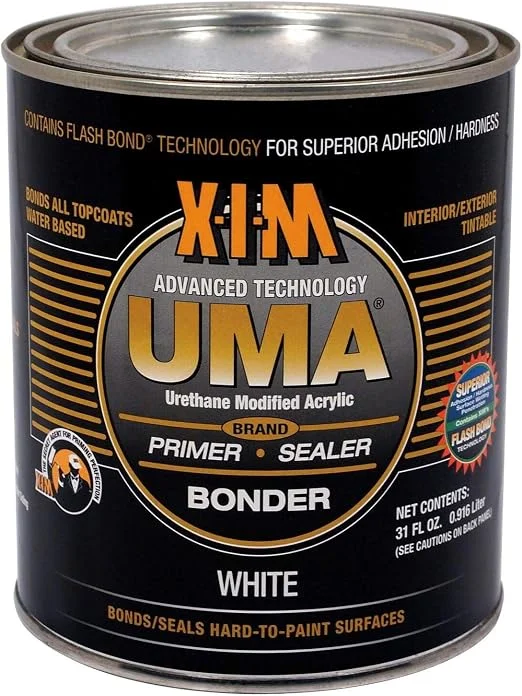 |
XIM UMA Acrylic Bonder and Primer/Sealer, 1 Quart – $27.10 A dedicated bonding primer for exactly the glossy, hard-to-stick acrylic surfaces where a light sanding alone isn’t enough.
|
Basics Of Latex Paint
Latex (acrylic-latex) wall paint is water-based, dries quickly, cleans up with soap and water, and resists cracking and peeling better than older oil-based formulas. It’s the standard choice for walls, ceilings, and trim in most homes today because of its low odor, low VOCs, and easy application with a brush or roller.
When You Actually Need To Prep Or Prime
If the existing surface is regular matte or eggshell acrylic-latex wall paint in reasonable condition, a thorough cleaning is often all you need — same-family water-based paints bond to each other without a special primer in most cases. Priming becomes genuinely necessary when: the existing paint is glossy or semi-gloss (gloss resists new paint gripping it), you’re covering craft/tube acrylic rather than wall paint, the surface is chalky, peeling, or stained, or you’re making a major color change and want to avoid multiple coats.
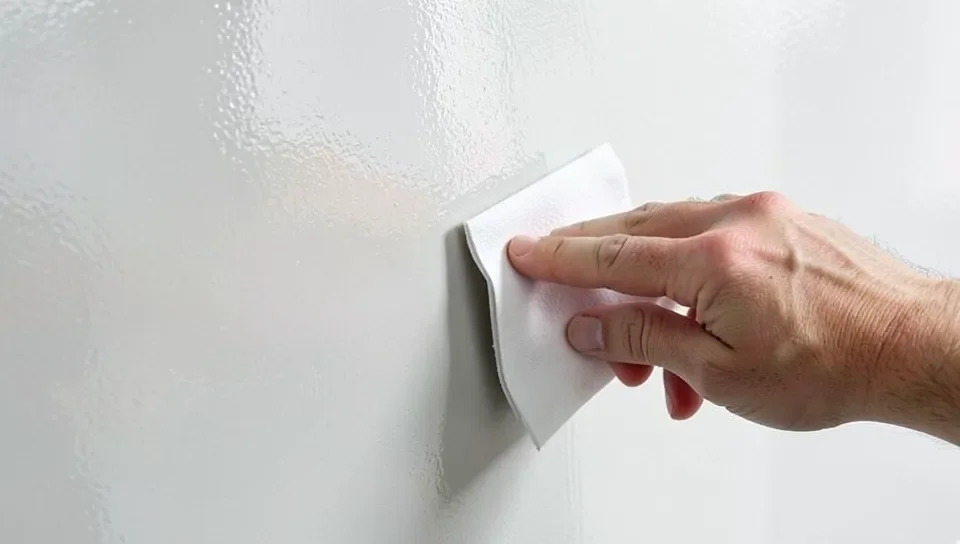
For glossy or slick acrylic surfaces specifically, a light scuff-sand with fine-grit sandpaper followed by a bonding primer (rather than a standard primer) gives the new latex coat something to actually grip — skipping this step on a glossy surface is the most common cause of peeling months later.
Preparing The Surface
Clean the surface with mild soap and water to remove dust, grease, and grime, then let it dry fully — painting over a damp surface is a common cause of peeling. Check for grease spots (common on kitchen or furniture surfaces) and clean them with a degreaser, rinsing afterward.
If the surface is glossy, sand it lightly with fine-grit sandpaper just enough to dull the shine — you’re not trying to remove the old paint, just knock down the sheen so primer or new paint has texture to hold onto. Wipe away all sanding dust with a damp cloth before painting.
Applying The Latex Paint
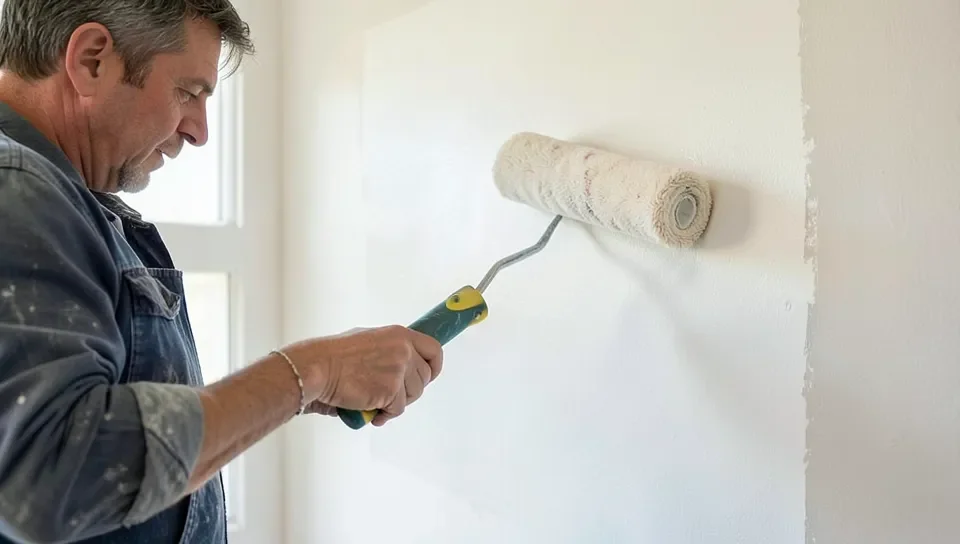
Use a brush for corners and edges, a roller for large flat areas. Apply thin, even coats rather than one thick one — thick coats are more likely to drip, take longer to dry, and can crack. Let each coat dry fully (check the label; usually a few hours for latex) before adding the next, and plan on two coats for full, even coverage on most color changes.
Troubleshooting Common Issues
If new paint is peeling, the most likely cause is skipped prep on a glossy surface — strip back to the peeling area, sand, and use a bonding primer before repainting. If the finish looks uneven or streaky, it’s usually too-thick a coat or not enough drying time between coats; thin coats and patience fix this more reliably than adding more paint.
Frequently Asked Questions
What Paint Can Go Over Acrylic Paint?
Latex, other acrylic paints, and enamel paints can all go over an acrylic surface with proper prep. Clean and dry the surface first, and sand and prime glossy areas for the best adhesion.
Can You Paint Over Already Painted Acrylics?
Yes. Clean the surface and lightly sand any glossy areas first. Acrylic and latex paints generally layer well since they’re both water-based, as long as the surface is properly prepped.
Can You Paint Over Acrylic Paint With Wall Paint?
Yes. Clean and dry the surface, sand any glossy spots, and use a bonding primer if the existing acrylic is glossy or was craft/tube paint rather than wall paint. A standard latex wall paint applies fine after that prep.
What Kind Of Paint Will Stick To Acrylic?
Most water-based paints, including latex, stick well to acrylic with basic prep. Oil-based and enamel paints can also work with proper priming, though matching water-based to water-based is generally the simpler path.
Conclusion
Painting latex over acrylic is usually straightforward since they’re both water-based paints at their core. Clean the surface, sand and bond-prime anything glossy, and apply thin, even coats. Skipping prep on a glossy surface is the one mistake that reliably causes peeling later.
Sponsored / affiliate links. As an Amazon Associate I earn from qualifying purchases. I may earn additional commission from eligible campaigns.