Can You Paint Over Stained Wood With Acrylic Paint? (Yes, If You Do This)
Yes, you can paint over stained wood with acrylic paint, but only if you break the seal first. Stain (and any topcoat over it) is designed to resist absorbing liquid, which is exactly what water-based acrylic paint needs to bond. Skip the prep and the paint will look fine for a few weeks, then start chipping at the edges of anything you touch often, like a tabletop or stair rail.
The two failures that actually happen — peeling and tannin bleed-through — both have specific, fixable causes. Here’s the full process, plus why skipping a step causes each one.
Why Acrylic Paint Doesn’t Stick to Stained Wood on Its Own
Best Primer for Bonding to Stained Wood
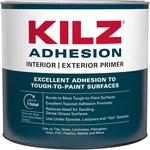 |
KILZ Adhesion Primer, 1 Quart – $18.88 A modified-acrylic bonding primer made specifically to grip glossy, sealed, or “hard-to-paint” surfaces like stained and varnished wood.
|
Stain penetrates and colors the wood, but most stained furniture and trim also gets a clear topcoat — polyurethane, lacquer, or wax — that seals the surface. That seal is a smooth, low-porosity film. Acrylic paint bonds by soaking slightly into a surface and forming a mechanical grip as it cures; on a sealed, glossy surface there’s nothing to grip onto, so the paint film sits on top and relies entirely on surface tension. Add daily contact — hands, cups, chair legs — and that weak bond fails first at edges and corners.
How to Paint Over Stained Wood the Right Way
- Clean thoroughly. Wipe down with a degreaser or diluted dish soap to remove wax, furniture polish, and body oils — all of which repel both primer and paint.
- Scuff-sand the surface. Sand with 220–320 grit sandpaper just until the sheen turns matte. You’re not trying to remove the stain, only breaking the glossy topcoat so primer has something to grab.
- Wipe away dust with a tack cloth or a barely damp microfiber cloth, then let the surface dry completely.
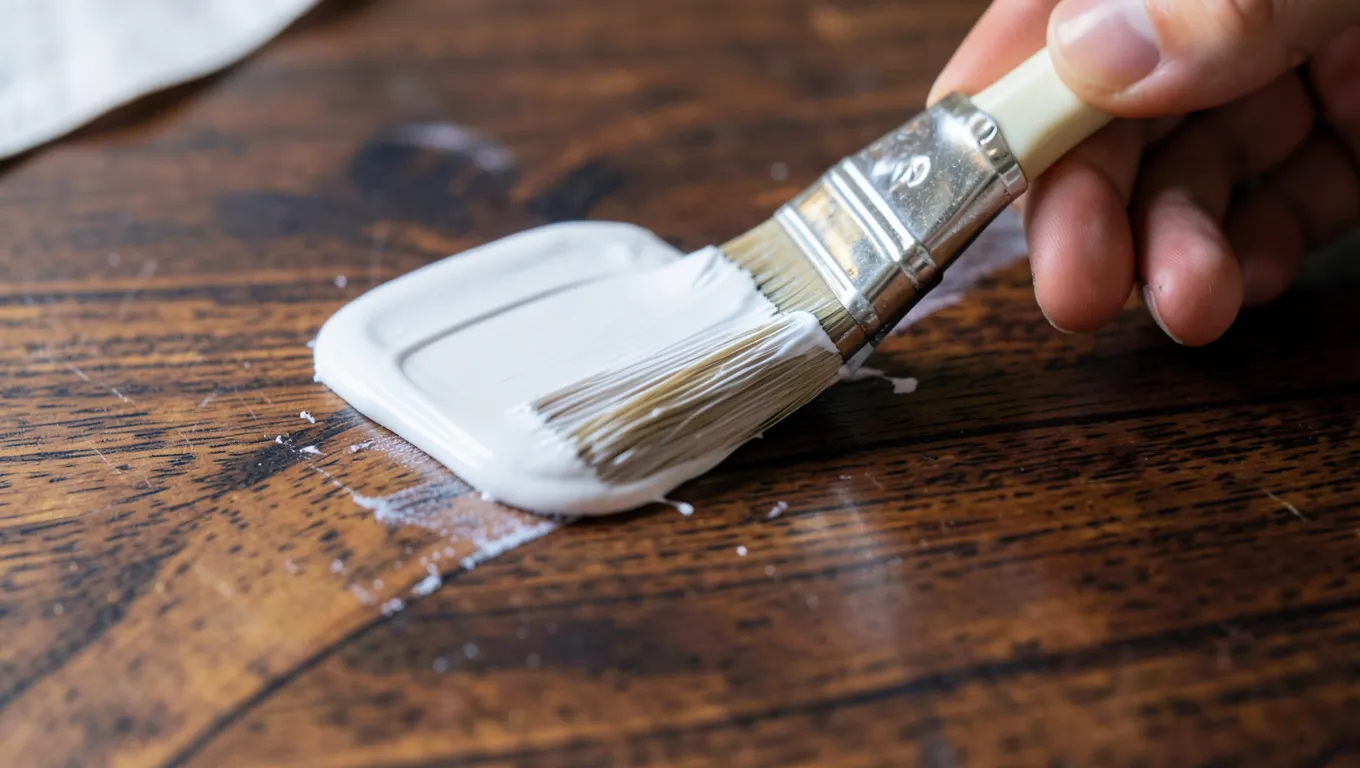
- Apply a bonding primer in one thin, even coat and let it cure fully — check the can, but 24 hours is typical for a strong bond. Don’t skip this step on furniture that gets handled daily.
- Paint in thin coats. Two or three thin coats of acrylic paint hold up far better than one thick coat, which is more prone to cracking as it cures.
- Seal it if the piece gets heavy use. A clear topcoat (water-based polyurethane over acrylic paint, matched to a compatible product) adds real wear resistance on tabletops and stair rails.
The Failure Most Guides Don’t Mention: Tannin Bleed-Through
Even with perfect prep, some wood species — oak, mahogany, cedar, and redwood in particular — contain natural tannins that can migrate up through a water-based paint film weeks or months after painting, showing up as a yellow-brown blotch or streak, usually worse in humid conditions. This isn’t a paint or primer failure; it’s the wood itself. A stain-blocking primer (shellac-based options like Zinsser B-I-N block tannins especially well) prevents this before it starts. If you’re painting a tannin-heavy species light or white, that’s worth the extra primer coat even if the surface looks perfectly sealed.
Frequently Asked Questions
Do I have to sand off all the stain first?
No. You only need to scuff-sand the surface enough to dull the gloss and give primer something to grip. Stripping to bare wood isn’t necessary as long as the topcoat is intact and you prime properly.
Can I skip primer if I use chalk-style acrylic paint?
Chalk-style paints grip raw or lightly finished wood well, but on a glossy polyurethane-sealed stain, a light scuff-sand and a bonding primer still improve durability, especially on surfaces that get handled often.
Why is my paint peeling at the edges a few weeks later?
That’s the classic sign of paint applied directly over a sealed stain without primer or scuff-sanding. The paint never mechanically bonded, so contact and flexing at edges lifts it first.
What causes yellow blotches to appear under white paint?
That’s tannin bleed-through from the wood itself, common on oak, mahogany, cedar, and redwood. A stain-blocking, shellac-based primer prevents it; repainting over the blotch without a stain-blocking primer usually just lets it bleed through again.
Sponsored / affiliate links. As an Amazon Associate I earn from qualifying purchases. I may earn additional commission from eligible campaigns.