Can You Add Water To Latex Paint? How Much Is Too Much?
This article dives deep into the world of latex paint and water. We’ll explore if it’s okay to add water, how much you can add safely, and what might happen if you add too much. We want you to feel confident about your painting projects.
Understanding these details helps you get the best results. It also keeps your paint in good shape for longer.
Let’s get to the bottom of this. You’ll learn the ins and outs of paint thinning. Plus, you’ll discover how to handle your paint like a pro.
We aim to make this as clear and simple as possible. No confusing jargon, just helpful advice for your home improvement tasks.
Yes, you can add water to latex paint, but only a small amount. Water is the primary thinner for latex (water-based) paints. Adding too much can ruin the paint’s performance, adhesion, and durability. It’s best to add water sparingly and only when necessary.
Understanding Latex Paint and Thinning
Latex paint is essentially a mix. It has pigment for color. It has a binder that holds everything together.
There are also additives for things like flow. Water is the base. It’s what makes the paint liquid and easy to spread.
When you open a can of fresh latex paint, it has just the right consistency.
This consistency is key. It helps the paint flow from your brush or roller smoothly. It also helps it stick well to surfaces.
It ensures a nice, even finish. Over time, or if stored poorly, paint can get thicker. This happens as some of the water evaporates.
It’s a natural process.
When paint gets too thick, it can be harder to work with. It might leave brush marks. It might not cover as well.
This is where thinning comes in. Thinning means making the paint less viscous. It makes it flow more easily.
For latex paint, water is the most common and safest thinner to use.
Why Would You Thin Latex Paint?
You might want to thin latex paint for a few reasons. The most common is that the paint has become too thick. This can happen if the lid wasn’t sealed tightly.
Or if it sat for a very long time. Thick paint is a real pain to use. It doesn’t spread evenly.
It can drip and splatter more easily. It might also clog up sprayers.
Another reason is for specific application methods. Some tools, like paint sprayers, need paint to be a certain thinness to work correctly. If the paint is too thick, it can damage the sprayer or result in a poor finish.
Using a roller might also be easier with slightly thinner paint. It can help achieve a smoother coat.
Sometimes, you might be trying to achieve a specific effect. For example, a wash or a glaze. These techniques require paint to be much thinner than usual.
In these cases, water is the go-to. It dilutes the paint without changing its core properties too much. Just remember, the goal is always to improve the application, not to save money by stretching the paint too thin.
The Role of Water in Latex Paint
Think of water in latex paint as the carrier. It’s what allows the binder, pigment, and additives to move around. When you apply paint, the water evaporates.
This is how the paint dries. The binder then forms a continuous film. This film sticks to the surface and protects it.
The pigment is trapped within this film.
So, water isn’t just some random addition. It’s a vital part of the paint’s formulation. It affects how the paint flows, how it dries, and how it performs.
Because water is the base, adding more water simply increases the amount of carrier. This makes the mixture thinner and more fluid.
This is why adding a little water is okay. It mimics the natural thinning that happens as paint ages. But it’s also why adding too much is bad.
Too much water dilutes the binder and pigment. This means there’s less of the good stuff to make the paint stick and look good. We’ll explore the consequences of this later.
How Much Water Can You Safely Add?
This is the million-dollar question. The general rule of thumb is to add water very sparingly. For most standard latex paints, you should aim for no more than 10% water by volume.
That means if you have a gallon of paint, you’d add about 1.25 cups of water at most.
It’s always best to start with less. Add a tablespoon or two of water at a time. Stir it in thoroughly.
Then, check the consistency. You can do this by dipping a stir stick into the paint. If it runs off easily in a smooth stream, it’s likely ready.
If it’s still too thick, add another small amount of water.
Stirring is super important. Make sure the water is fully incorporated. Don’t just stir the top layer.
Mix it all the way to the bottom of the can. This ensures an even consistency throughout the paint. Avoid adding tap water directly.
It’s better to use distilled water. Tap water can sometimes contain minerals that affect paint performance.
Remember, this 10% is a maximum. For many projects, you might need much less. Or even no water at all.
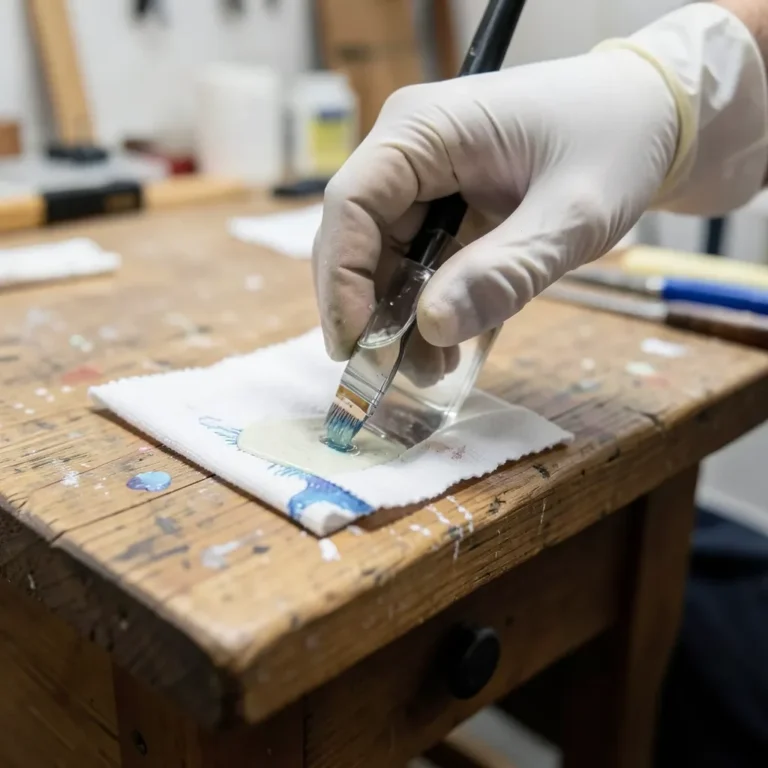
Always test the paint on a scrap piece of material first. See how it applies and dries before you start on your main project. This small step can save you a lot of headaches.
Paint Thinning Best Practices
Start Slow: Add water a little at a time.
Stir Well: Mix thoroughly for an even consistency.
Use Distilled Water: Avoid tap water if possible.
Test First: Always test on a scrap piece.
Consider Paint Type: Different paints have different needs.
Don’t Over-Thin: Too much water is worse than too little.
What Happens If You Add Too Much Water?
This is where things can go wrong. Adding too much water to latex paint can significantly impact its quality. The paint’s ability to cover and protect will suffer.
It’s like diluting a good meal too much; the flavor gets lost.
The most common problem is a loss of adhesion. The binder in the paint is what makes it stick to surfaces. When you add too much water, you dilute this binder.
There isn’t enough of it to create a strong bond. This means the paint might peel or chip off later. This is especially true on surfaces that are smooth or hard to paint.
Another issue is reduced durability. The paint film won’t be as tough. It will be more prone to scratching, scuffing, and wear and tear.
This is why paints designed for high-traffic areas are formulated to be very robust. Adding too much water weakens that robustness.
Coverage is also affected. The pigment gives paint its color and hiding power. When you dilute the paint too much, the pigment is spread thinner.
You’ll likely need more coats to get the same level of coverage. This defeats the purpose of trying to save paint or make it easier to apply. You end up using more paint overall.
The finish might look bad, too. Too much water can cause the paint to become chalky. It might have a dull sheen instead of the intended one.
You might see lap marks where you overlapped strokes. Brush marks can also become more noticeable. It just won’t look as professional or smooth.
Finally, freeze-thaw stability can be compromised. Many latex paints are formulated to withstand a certain number of freeze-thaw cycles. Adding extra water can disrupt this.
The paint might not perform well if it freezes, even if it didn’t freeze before you added water.
My Own Experience with Over-Thinned Paint
I remember one summer, I was helping a friend paint her living room. She had a can of semi-gloss latex paint that had sat in the garage for a while. It was definitely on the thick side.
She was keen to get the job done quickly.
She told me, “Just add a good glug of water to this, it’ll be fine.” I was hesitant. I’d read about the risks. But she insisted.
She said she’d done it before. So, I added what felt like a generous amount of water to the gallon can. I stirred it until I thought it was all mixed.
We started painting the trim. At first, it seemed okay. The paint flowed a bit better.
But as we continued, I noticed something was off. The paint wasn’t covering the old color well. We were having to go back over areas multiple times.
The finish looked a bit streaky, even though we were being careful.
By the end of the first day, my friend was frustrated. The trim looked patchy. It didn’t have that smooth, uniform shine we wanted.
We ended up having to buy a new can of paint. This time, we didn’t thin it at all. The difference was night and day.
The new paint went on smoothly. It covered perfectly in two coats.
That experience taught me a valuable lesson. It’s tempting to try and “fix” thick paint with a lot of water. But it almost always backfires.
It’s better to use the paint as it is, or add only the tiniest amount of water. Or, if the paint is truly old and bad, it’s best to just get a new can. The extra cost of a new can is much less than the time and frustration of fixing a bad paint job.
Consequences of Over-Thinning
Reduced Adhesion: Paint may peel or chip.
Lower Durability: Finish is prone to scratches.
Poor Coverage: Requires more coats.
Weakened Finish: Can look chalky or dull.
Unprofessional Appearance: Visible brush marks and lap lines.
Compromised Stability: May not handle temperature changes well.
When Is It Okay to Add Water?
It’s generally okay to add a small amount of water to latex paint when it’s too thick for your application method. This usually means the paint is old, has started to dry out slightly, or you’re using a method that requires thinner paint, like spraying.
For brush or roller application, if the paint feels stiff and drags on the surface, a tablespoon or two of water per quart might help. The goal is to return it to its original consistency, not make it watery.
If you are using a paint sprayer, the manufacturer often provides guidelines for thinning. They usually specify a maximum percentage of thinner, which is often water for latex paints. Following these instructions is crucial for the sprayer to work correctly and for the paint to atomize properly.
When using paint for techniques like washes or glazes, you’ll intentionally thin the paint. However, even for these effects, you need to be careful not to dilute the binder too much. Otherwise, the color might not adhere well to the surface or could rub off easily.
It’s also important to consider the type of latex paint. Some premium paints are formulated with specific binders and additives. These might be more sensitive to thinning than standard paints.
Always check the paint can for any specific instructions from the manufacturer. They know their product best.
Distilled Water vs. Tap Water: Does It Matter?
Yes, it absolutely matters. Using distilled water is highly recommended over tap water when thinning latex paint. Why?
Because tap water contains minerals and impurities. These can interfere with the paint’s chemistry.
Minerals in tap water can affect how the binder in the paint cures. They can also alter the pH of the paint. This can lead to problems like poor adhesion, uneven drying, or changes in sheen.
In some cases, minerals can even cause the paint to curdle or clump.
Distilled water, on the other hand, is pure H2O. It has had all impurities removed. This means it won’t introduce any unwanted elements into your paint.
It will only act as a thinner. This ensures that the paint’s performance is not compromised by the water itself.
While the difference might not be noticeable with very small amounts of tap water, it’s a risk you don’t need to take. Distilled water is inexpensive and readily available. It’s a small price to pay for ensuring the best possible outcome for your paint job.
It’s a professional tip that makes a real difference.
Quick Scan: When to Thin
| Scenario | Water Added? | Notes |
|---|---|---|
| Paint is too thick for brush/roller | Yes, sparingly (1-2 tbsp per quart) | Aim for original consistency. |
| Paint sprayer required | Yes, follow manufacturer’s specs | Critical for sprayer function. |
| Creating washes or glazes | Yes, more than usual but carefully | Balance effect with adhesion. |
| Paint is very old or separated | Maybe, but risky | Consider new paint if quality is poor. |
| Simply want to stretch paint | NO | Will ruin performance. |
What to Do if Your Paint is Too Thick
If your latex paint has become too thick, you have a few options. The first and best option is to try and restore it to its original consistency with minimal water. As we’ve discussed, add water a tablespoon at a time.
Stir very well. Check the consistency frequently. Stop as soon as it feels right.
Remember the 10% rule as a maximum. For most situations, you’ll need much less. If the paint is just a little thick, a few tablespoons per gallon might be enough.
If you can’t get it to the right consistency without adding a lot of water, it might be time to consider other options.
Sometimes, vigorous stirring can help. Especially if the paint is just a bit clumpy. Make sure you’re scraping the sides and bottom of the can.
All the ingredients need to be mixed well.
If the paint is very old, separated, or has dried bits in it, thinning might not be enough. In such cases, it’s often better to buy a new can of paint. Old paint can have compromised binders and pigments.
Thinning might not revive it. Using bad paint will lead to a poor finish and wasted effort.
Also, consider if the paint is still usable for a less critical job. Perhaps it’s fine for priming a surface or painting a shed. If it’s too thick for a smooth wall finish, maybe it can still serve a purpose elsewhere.
This saves you from discarding it entirely.
Alternatives to Water for Thinning Paint
While water is the primary thinner for latex paints, there are other products available. These are often called paint extenders or conditioners. They are specifically designed to improve paint flow and leveling.
They can also help with coverage and reduce brush marks. They do this without diluting the paint as much as water does.
These products typically contain ingredients like acrylic polymers. These help to improve the paint film. They don’t just add liquid; they enhance the paint’s properties.
Using an extender can give you a smoother finish. It helps the paint dry more evenly. It can also prevent the paint from drying too quickly.
Some extenders are designed for specific effects, like increasing open time. Open time is how long the paint remains wet and workable. This is useful for techniques that require blending or smoothing out strokes.
When using an extender, always follow the manufacturer’s instructions. They will specify the maximum amount you can add without negatively affecting the paint. Generally, these are used in smaller percentages than water.
They are a good option if you want to improve paint performance beyond just thinning it.
However, for simple thinning of slightly thick paint, water is usually sufficient and the most cost-effective option. Just remember to use it wisely and in moderation. If you’re unsure, always consult the paint manufacturer’s recommendations.
Paint Conditioners vs. Water
Water:
- Pros: Free, readily available, primary thinner.
- Cons: Can compromise paint properties if overused.
- Best for: Slightly thickening paint, basic thinning.
Paint Conditioners/Extenders:
- Pros: Enhance paint performance (flow, leveling), designed for paint.
- Cons: Cost money, specific formulations.
- Best for: Improving finish quality, advanced techniques, spray applications.
How to Store Latex Paint Properly
Proper storage is key to preventing your latex paint from becoming too thick in the first place. When you’re done with a painting session, seal the can tightly. Make sure the lid is on straight.
You can also use a rubber mallet to tap the lid down all around the rim. This creates an airtight seal.
If you’ve used a lot of paint from a can, consider transferring the remaining paint to a smaller, airtight container. This reduces the amount of air in the can. Less air means less chance for the paint to dry out and thicken.
Glass jars or plastic paint containers with screw-on lids work well.
Store paint cans upright. This prevents any potential leaks. Keep them in a temperature-controlled environment.
Avoid extreme heat or cold. Garages and sheds can get too hot in the summer and too cold in the winter. These temperature swings can damage the paint.
The ideal storage temperature is between 40°F (4.4°C) and 90°F (32.2°C). Storing paint in a climate-controlled basement or closet is best. If you live in a region with harsh winters, take extra care to protect your paint from freezing.
Frozen paint is often ruined.
By taking these simple steps, you can keep your latex paint in good condition for years. This means you won’t have to worry as much about thinning it. You’ll always have paint ready to go when inspiration strikes.
What Happens If Latex Paint Freezes?
Freezing is a major enemy of latex paint. When water-based paints freeze, the water inside them expands. This expansion can break the paint’s internal structure.
The binder particles can clump together. The pigment can separate. The whole emulsion can be permanently damaged.
If latex paint freezes, it will likely look curdled or lumpy when it thaws. Even if you stir it thoroughly, it may not return to its original smooth consistency. The paint might become gritty.
It might refuse to mix properly. The performance will be severely compromised.
Paint that has been frozen will likely have poor adhesion. It might not cover well. The sheen can be off.
It might also dry with a chalky or powdery finish. The durability will be much lower than it should be.
Some paints are labeled as “freeze-thaw stable.” These are formulated to withstand freezing and thawing a certain number of times without significant damage. However, even these have limits. Repeated freezing can still degrade their quality over time.
If you suspect your latex paint has frozen, it’s generally best to err on the side of caution. If it’s a critical project, or you want a perfect finish, it’s wise to purchase new paint. Trying to salvage frozen paint is often a recipe for disappointment and extra work.
It’s not worth the risk.
Paint Storage Checklist
Seal Tightly: Ensure the lid is airtight.
Use Smaller Cans: Transfer if a lot of air is in the original can.
Store Upright: Prevents leaks and ensures even drying.
Temperature Control: Keep between 40°F and 90°F.
Avoid Extremes: No freezing, no excessive heat.
Check for Damage: If paint looks off, it might be compromised.
When Is It Time to Get New Paint?
Sometimes, no amount of thinning or stirring can save old or damaged paint. Knowing when to cut your losses is an important skill for any DIYer. If your latex paint has several of the following signs, it’s probably time for a new can:
Hard, Dry Skin: If there’s a thick, dry layer of paint on top that’s hard to remove, the paint underneath might be compromised. This indicates significant drying and potential binder degradation.
Unusual Odor: While old paint can have a distinct smell, a very foul, rotten, or chemical odor can mean the paint has gone bad. This can happen if bacteria have grown in the paint.
Separation That Won’t Mix: If the paint has separated into layers (liquid on top, thick sludge at the bottom) and stirring doesn’t bring it back together into a smooth, uniform consistency, it’s likely unusable.
Texture Changes: If the paint feels gritty, lumpy, or has a jelly-like consistency even after proper mixing, its internal structure has likely been altered. This is common after freezing or improper storage.
Color or Sheen Issues: If you know the original color and sheen, but the paint looks significantly different or the sheen is inconsistent, it may have degraded.
Lack of Adhesion After Testing: If you test the paint on a scrap surface and it flakes off or feels weak, it’s not worth using on your project.
It’s easy to want to save a dollar by trying to revive old paint. However, the frustration of a poor finish, peeling paint, or needing to repaint often costs more in time and effort. For most interior and exterior projects, using fresh, quality paint is the most reliable path to a great result.
Real-World Scenarios: Thinning for Different Jobs
Let’s look at a few common situations where thinning might come up.
Scenario 1: Painting a Wooden Fence
You’ve got a gallon of exterior latex paint for your wooden fence. It’s been in the garage for a year. When you open it, it’s a bit thicker than you remember.
The wood fence has lots of rough grain and gaps.
In this case, adding a small amount of water (maybe 1-2 tablespoons per quart) can be beneficial. The slightly thinner paint will be able to penetrate the wood grain better. It will get into those small cracks and crevices.
This helps ensure full coverage and better protection for the wood. You’re not looking for a super-smooth finish here, so a little thinning won’t hurt the appearance.
Scenario 2: Painting Trim with a Sprayer
You’re painting detailed window trim and doors. You’re using a high-quality latex enamel. You plan to use a paint sprayer for a flawless finish.
The paint manufacturer recommends thinning for spray application.
Here, you’ll need to follow the sprayer’s instructions and the paint manufacturer’s guidelines precisely. They might suggest adding up to 10-15% thinner (water or a specific extender). Too little thinner, and the sprayer might clog or sputter.
Too much, and the paint will run, sag, and lose its gloss. This is where careful measurement and testing are crucial.
Scenario 3: Applying a Distressed Finish
You want a rustic, distressed look on a piece of furniture. You’re using a chalk-finish latex paint. This type of paint is often a bit thicker.
You want to create a subtle wash effect to highlight the wood grain.
For this, you’ll need to thin the paint considerably. You might use water or a specialized glazing liquid. The goal is to make the paint very translucent.
You’ll apply it, wipe some off, and let the underlying layers show through. You need to experiment to find the right ratio. But even here, you don’t want to dilute the binder so much that the finish rubs off easily.
These scenarios show that the amount of water (or thinner) depends on the project. It’s not a one-size-fits-all answer. Always consider the desired outcome and the application method.
What This Means for Your Next Project
Knowing whether you can add water to latex paint and how much is a practical skill. It helps you achieve better results. It also extends the life of your paint.
When it’s normal: It’s normal for paint to thicken slightly over time. It’s also normal to thin paint a little for easier application, especially with rollers or sprayers. If your paint is just a bit too stiff, a small amount of water is usually fine.
When to worry: You should worry if the paint has frozen, smells bad, or has a strange, unmixable texture. You should also worry if you feel like you need to add a lot of water to get it to a usable consistency. This often means the paint’s integrity is compromised.
Simple checks: Before you add water, check the paint’s consistency by stirring it. Dip a stir stick and see how it flows. Test a small amount on a piece of cardboard or scrap wood.
See how it applies, how it dries, and if it adheres well. If the test area looks good, you’re likely on the right track.
Understanding these details empowers you. You can make informed decisions about your paint. This leads to more successful and satisfying painting projects around your home.
Quick Fixes and Tips for Paint Thinning
Here are some quick tips to keep in mind regarding thinning latex paint:
- Measure: Always measure how much water you add. Don’t just guess.
- Small Batches: If thinning a large amount of paint, do it in smaller batches. This gives you more control.
- Stir Stick Test: Dip a clean stir stick into the paint. If it runs off in a steady stream, it’s usually good for brushing. If it drips off in thick blobs, it’s still too thick.
- Spray Consistency: For sprayers, paint should feel thinner, almost like milk. It needs to flow through the nozzle easily.
- Don’t Rush: Take your time to stir and test. Rushing can lead to over-thinning.
- Clean Tools: Always use clean stir sticks and containers. Contamination can affect the paint.
- Manufacturer First: When in doubt, always check the paint can or the manufacturer’s website.
Frequently Asked Questions About Adding Water to Latex Paint
Can I add water to old latex paint?
Yes, you can add a small amount of water to old latex paint if it has become too thick. However, if the paint is severely degraded, separated, or has frozen, thinning might not help and could even make things worse. Always test a small amount first.
How much water is too much for a gallon of latex paint?
Generally, more than 10% water by volume is considered too much for a gallon of latex paint. This means no more than about 1.25 cups of water per gallon. Adding more than this can significantly compromise adhesion, durability, and coverage.
Will adding water make latex paint crack?
Adding too much water can weaken the paint film. This makes it more susceptible to cracking over time, especially if applied over a flexible surface or if the paint is subjected to expansion and contraction. Properly thinned paint is less likely to crack.
What kind of water should I use to thin latex paint?
It is best to use distilled water. Tap water contains minerals and impurities that can interfere with the paint’s chemical properties. Distilled water is pure and will not negatively affect the paint’s performance.
Can I thin latex primer with water?
Yes, latex primers can generally be thinned with water, similar to latex paint. However, you should follow the same guidelines regarding the amount. Primers are formulated to create a good base for paint, and over-thinning can reduce their effectiveness.
What happens if I add alcohol to latex paint?
Adding alcohol like isopropyl alcohol to latex paint is generally not recommended as a primary thinner. While it can act as a solvent, it can alter the paint’s drying time, binder properties, and finish in unpredictable ways. Water or specific paint extenders are safer and more effective options.
Conclusion
So, can you add water to latex paint? Yes, you can, but with caution. A small amount, typically no more than 10% of the total volume, can help restore consistency.
It makes it easier to apply, especially when the paint is too thick. Always use distilled water and stir thoroughly. Test your thinned paint before applying it to your project.
Over-thinning can lead to poor adhesion, reduced durability, and a subpar finish. When in doubt, or if the paint is very old or has been compromised, it’s often best to buy a fresh can.
Sponsored / affiliate links. As an Amazon Associate I earn from qualifying purchases. I may earn additional commission from eligible campaigns.