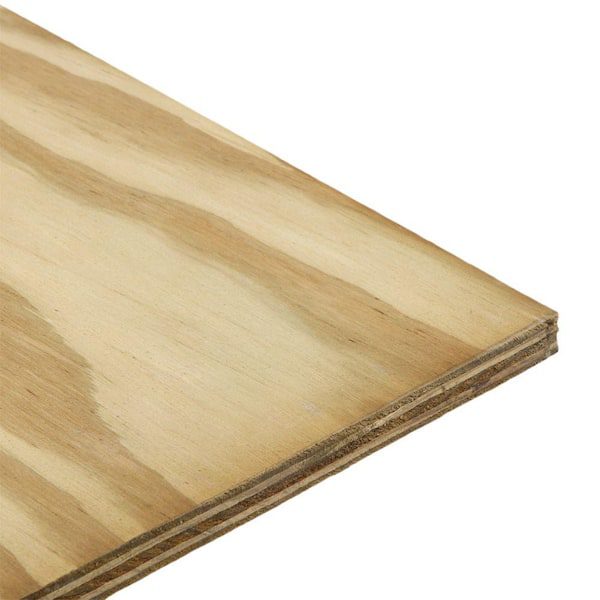
Can You Put A Memory Foam Mattress On Plywood? Find Out
Putting a memory foam mattress directly on plywood is possible but often not ideal. It can limit airflow, potentially leading to mold or mildew. Plywood also lacks the consistent support memory foam needs, which might cause sagging over time and affect mattress performance. Proper support is key.
Understanding Mattress Support
Your mattress needs a solid base. This base helps keep its shape. It also makes sure you get the right kind of support when you lie down.
Memory foam mattresses are special. They mold to your body. This feels great!
But they also need a surface that can handle this. The surface should be even.
A good mattress base has a few jobs. It keeps the mattress from sagging. It helps air move around.
This keeps the mattress clean and dry. It also makes the mattress feel the way it was designed to feel. Without the right base, your mattress might not work as well.
It could also get damaged faster.
Different mattresses need different support. Innerspring mattresses often do well on box springs. They need a bit of give.
Memory foam is different. It needs a firm, flat surface. This surface should also let air flow under it.
Think of it like giving your mattress a good foundation.
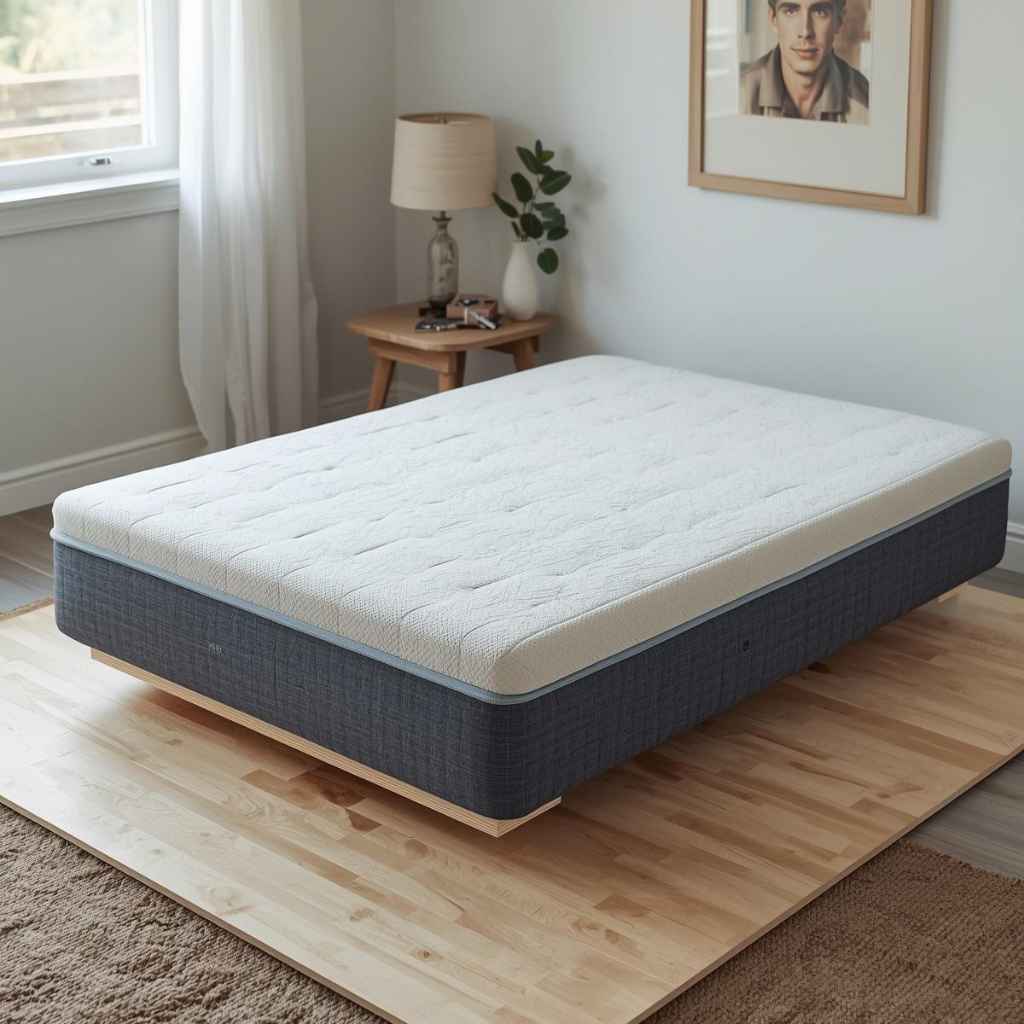
Why Plywood Seems Like an Option
Plywood is strong. It’s often used in building things. It’s also usually flat.
So, it seems like a good choice for a mattress base. Many people have scrap plywood. They might want to save money.
They might be in a hurry. Or they might not know there are better options.
You might see beds made with a plywood base. Sometimes, this is done to make a custom bed frame. Or it might be in a budget-friendly situation.
The idea is to have something solid under the mattress. This prevents the mattress from falling through.
However, plywood is just wood. It doesn’t have many holes or gaps. This is where the problem starts.
Air needs to get under the mattress. Plywood stops this air movement. This is a big issue for memory foam.
The Case Against Plywood: Airflow Issues
Memory foam works by reacting to heat and pressure. Your body heat warms the foam. This makes it softer.
It then molds to your shape. This process is good for comfort. But it also means the mattress can trap heat and moisture.
If a mattress sits on solid plywood, there’s no place for that heat and moisture to go. It gets trapped between the mattress and the wood. Over time, this can cause problems.
Think about a humid day. If you leave something damp in a closed box, what happens? It can get musty.
This trapped moisture can lead to mold and mildew. Mold is bad for your health. It can also ruin your mattress.
It smells bad. It can weaken the mattress materials. This means your mattress won’t last as long.
Even if you don’t see mold, the trapped moisture can affect the foam. It might start to break down faster. This can change how the mattress feels.
It might become less supportive. It could also develop permanent odors.
Support and Sagging Concerns
Plywood is flat and solid. This sounds good for support. But memory foam needs even support.
If the plywood isn’t perfectly flat, it can create pressure points. It can also lead to the mattress sagging in certain spots.
Think about a road with a few small bumps. If you drive over it, it’s okay. Now imagine your mattress is like a car.
If it sits on a slightly uneven surface for a long time, the weight is not spread out evenly. Some parts of the mattress get more pressure.
This uneven pressure can make the memory foam break down faster in those spots. The mattress might start to dip or sag. This is called body impressions.
While some minor impressions are normal, excessive sagging means the mattress isn’t working right.
Your warranty might also be affected. Most mattress warranties require a proper foundation. If your mattress sags badly because it was on plywood, the company might not cover it.
This can be a big financial loss.
Plywood: Pros and Cons for Mattresses
Pros:
- Can be readily available.
- Offers a solid surface to prevent falling through.
- May seem like a budget-friendly option.
Cons:
- Poor airflow leads to moisture buildup.
- Risk of mold and mildew growth.
- Can cause uneven support and premature sagging.
- May void mattress warranty.
- Doesn’t feel as good as a proper base.
When Plywood Might Be Okay (with Caveats)
Can you put a memory foam mattress on plywood? Technically, yes. But should you?
Usually, no. There are very specific situations where it might work, but they come with major risks. One way to make it slightly better is to modify the plywood.
If you absolutely must use plywood, you need to add ventilation. You can drill many holes in the plywood. These holes should be spread out evenly.
They need to be large enough to let air pass through. This helps with airflow. It reduces the risk of moisture buildup.
However, even with holes, plywood is still quite rigid. It doesn’t offer the kind of supportive give that some memory foam needs. The surface might still be too hard.
This can lead to discomfort. It might also still cause some uneven wear on the mattress over time.
Another thing to consider is the thickness of the plywood. A thin piece of plywood might warp or bend easily. A thicker piece would be better.
But even thick plywood can have issues if it’s not perfectly flat.
DIY Plywood Ventilation
Step 1: Get a piece of plywood. Make sure it’s at least 3/4 inch thick. It should be large enough for your mattress.
Step 2: Use a drill with a 2-3 inch hole saw bit. This makes large, round holes.
Step 3: Drill holes all over the plywood. Space them about 6-8 inches apart. Cover the entire surface.
Step 4: Sand down any rough edges. This prevents snagging the mattress.
Step 5: Place the mattress on top. Check it regularly for signs of moisture or sagging.
Better Alternatives for Memory Foam Support
There are much better options than plywood. These are designed specifically for memory foam. They offer the right kind of support and airflow.
They also help your mattress last longer. And they usually feel much more comfortable.
One of the best options is a slatted bed frame. These frames have wooden slats. The slats are spaced apart.
This spacing allows air to circulate freely. It prevents moisture buildup. The slats also provide good support.
The distance between the slats matters. For memory foam, the slats should be close together. About 2-3 inches apart is usually good.
This ensures the mattress doesn’t sink between them. It gives you firm, even support.
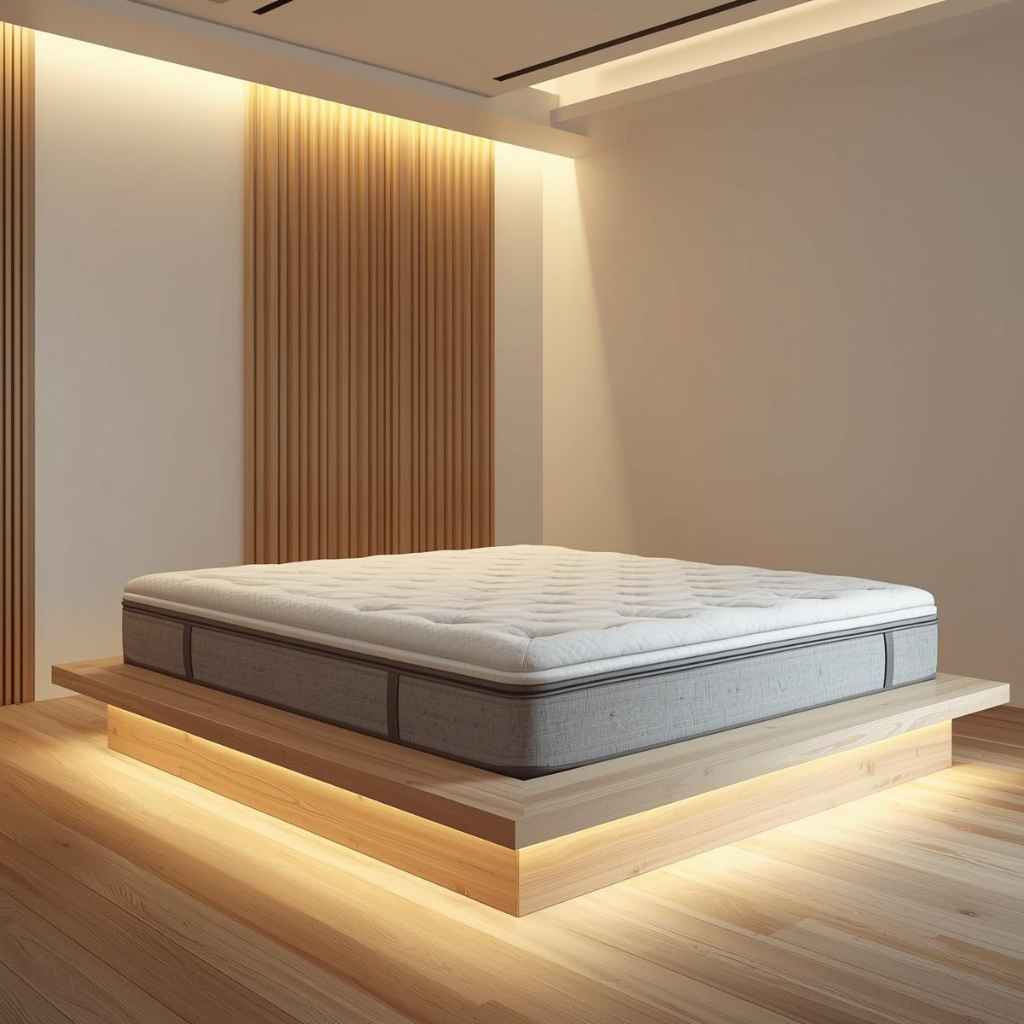
Another excellent choice is a platform bed. Platform beds are designed to be the base. They usually have a solid or slatted surface.
They don’t require a box spring. Many modern platform beds are perfect for memory foam.
A metal bed frame with a solid metal base is also a good option. Some metal frames come with a metal grid. This grid provides strong support.
It also allows for some airflow. Just make sure the grid is close enough together. You don’t want large gaps.
What about a traditional box spring? Memory foam mattresses generally do not do well on box springs. Box springs have springs inside.
They are designed for innerspring mattresses. They have too much give for memory foam. They can cause the foam to sag.
They can also damage the mattress.
Top Mattress Base Options
Slatted Bed Frame: Wooden slats spaced 2-3 inches apart. Offers great airflow and support. Most popular choice for memory foam.
Platform Bed: Designed as a complete bed base. Can have solid or slatted surfaces. Modern and stylish.
Metal Grid Base: Strong metal frame with a mesh or grid pattern. Good airflow and very durable.
Adjustable Base: Allows you to change the position of the mattress. Usually compatible with memory foam.
Real-World Scenarios and Experiences
I remember when I first moved into my apartment. I was on a super tight budget. I had just bought a new, thick memory foam mattress.
It felt amazing! But my old bed frame broke. I looked around and found a sturdy-looking piece of plywood in the building’s storage unit.
It was thick and flat.
I thought, “Perfect! This will hold the mattress.” I laid the plywood on the floor and put my mattress on top. It looked okay.
For the first week, it felt fine. But then I started noticing things. The room felt a bit warmer than usual.
Then, a faint musty smell started to appear. I couldn’t pinpoint it at first. I cleaned the room.
I aired it out. But the smell lingered. It was coming from the bed.
I lifted the mattress, and I was shocked. The bottom of the mattress felt damp. There were faint dark spots on the plywood.
It was the start of mold.
Panic set in. This was a brand new mattress! I had to fix it fast.
I pulled the plywood out. I got a new set of slats for a bed frame online. It was a bit of an expense, but I knew it was necessary.
Within a day of putting the mattress on the slats, the musty smell started to fade.
The mattress also started to feel firmer again. It felt like it could breathe. That experience taught me a huge lesson.
Saving a few bucks by using plywood wasn’t worth the risk to my health or my expensive mattress. Proper support matters a lot.
What This Means for Your Sleep and Mattress Health
Using plywood under your memory foam mattress is a gamble. The biggest risk is moisture and mold. This affects your health and the mattress.
It can lead to breathing problems. It can also make the mattress unusable.
Then there’s the support issue. Memory foam is designed to distribute weight evenly. If the base isn’t right, the foam can break down faster.
This means you lose the comfort and support you paid for. Your mattress won’t feel as good. It might cause aches and pains.
Your mattress warranty is also at stake. Most companies will not cover damage caused by improper support. So, if your mattress starts to sag or break down, you’re on your own.
You’ll have to buy a new one sooner than you planned.
Think about the long-term cost. A good mattress is an investment. You want it to last.
A proper bed frame or base will cost more upfront. But it will protect your mattress. It will help it perform better.
It will also keep your sleeping environment healthier.
Quick Check: Is Your Plywood Setup Risky?
Does your room feel unusually humid?
Do you notice any musty or damp smells from the bed?
Has your mattress started to feel less supportive or saggy?
Have you checked your mattress warranty recently?
If you answered yes to any of these, your plywood setup is likely causing problems.
When to Worry About Mattress Support
It’s normal for mattresses to show some wear over time. Minor body impressions are expected. This is where your body naturally creates a slight dip.
But there are signs that indicate a problem with the base.
If your mattress feels significantly softer than it used to, worry. If you wake up with new aches and pains, especially in your back or hips, worry. This could mean the support is gone.
The mattress is no longer doing its job.
Look for visible sagging. Does the mattress look like it’s dipping in the middle? Are there deep impressions that don’t bounce back?
These are clear signs that the base isn’t sufficient. It might be the plywood or a weak frame.
Also, pay attention to the edge of the mattress. If the edges are collapsing or feeling weak, this is another red flag. A good base supports the entire mattress, including the edges.
Moisture is a huge warning sign. If you feel dampness or see any discoloration on the mattress or base, act immediately. This indicates a serious airflow problem.
It’s time to change your setup.
Simple Checks for a Healthier Sleep Setup
You can easily check if your current setup is working. First, lift your mattress. Look at the surface underneath.
Is it clean? Are there any signs of moisture, mold, or mildew? This is the most direct way to see if there’s a problem.
Next, feel the mattress itself. Does it feel evenly firm? Or are there soft spots?
Try pressing down in different areas. Does the mattress bounce back quickly? Or does it feel like it’s collapsing?
Check the bed frame itself. Is it sturdy? Does it wobble when you move?
Are the slats (if you have them) intact and spaced correctly? A weak or damaged frame can also cause support issues.
If you are using plywood, check the holes you drilled. Are they still clear? Or have they become clogged with dust?
You might need to clear them out occasionally.
It’s also a good idea to rotate your mattress every few months. This helps distribute wear evenly. If you notice that certain areas are wearing out much faster, it could be a sign of an underlying support issue.
Plywood vs. Slatted Base: A Quick Comparison
Plywood (Solid):
- Airflow: Very poor
- Support: Can be uneven if not perfectly flat
- Moisture Risk: High
- Mattress Longevity: Reduced
- Warranty: Likely voided
Slatted Base (2-3 inch spacing):
- Airflow: Excellent
- Support: Even and consistent
- Moisture Risk: Very low
- Mattress Longevity: Extended
- Warranty: Typically protected
What to Do if You’ve Been Using Plywood
If you’ve been using plywood for a while, don’t panic. The first step is to assess the damage. Carefully lift your mattress and inspect both it and the plywood base.
Check for any signs of mold, mildew, or significant sagging.
If you see mold or mildew, you need to clean it up immediately. For the mattress, this might involve professional cleaning or airing it out thoroughly in sunlight. For the plywood, it might be best to replace it.
Even if you clean mold, it can come back.
If there’s no visible mold but the mattress feels less supportive, it might have already suffered damage. In this case, you should still get a proper base. It might help prevent further degradation.
The most important action is to switch to a suitable foundation. Look for a slatted frame, a platform bed, or a metal grid base. These are specifically designed to work with memory foam mattresses.
They offer the necessary airflow and support.
Consider the height of your new base. Some people prefer a lower bed, while others like it higher. There are many options available to fit your needs and style.
The goal is to create a healthy and supportive sleep environment.
Quick Fixes and Tips
If you’re in a pinch and need a temporary solution, consider using a large piece of cardboard with many holes cut in it. It’s not ideal, but it offers more airflow than solid plywood. However, this is very short-term.
Always check your mattress warranty. Understand what kind of base is required to keep it valid. This information is usually in the paperwork you received when you bought the mattress.
When buying a new bed frame, specifically look for frames recommended for memory foam. Many brands will state this in their product descriptions.
Ensure your new base has enough support. Too few slats or slats that are too far apart can still cause problems. Aim for slats that are close together for the best support for memory foam.
Do not place a memory foam mattress directly on the floor. While this avoids the plywood issue, it creates even worse airflow problems and is a magnet for dust mites and allergens.
Frequent Questions About Memory Foam and Plywood
Can I put a memory foam mattress directly on the floor?
No, it’s generally not recommended. Putting a mattress directly on the floor severely restricts airflow. This can lead to moisture buildup, mold, mildew, and an increase in dust mites and allergens.
It also offers no support, potentially causing the mattress to sag and break down faster.
Will a memory foam mattress work on a box spring?
Most memory foam mattresses are not designed for traditional box springs. Box springs have springs and are meant for innerspring mattresses. They offer too much give and can cause your memory foam mattress to sag prematurely, affecting its support and potentially voiding the warranty.
How many slats do I need for a memory foam mattress?
For optimal support and airflow, memory foam mattresses generally do best with slats spaced no more than 2-3 inches apart. This provides consistent support and prevents the mattress from sinking between the slats. Always check the manufacturer’s recommendations for your specific mattress.
Is a platform bed good for memory foam?
Yes, platform beds are an excellent choice for memory foam mattresses. They are designed to provide a solid or well-supported surface without the need for a box spring. Many platform beds come with built-in slats that are spaced appropriately for memory foam.
What happens if my memory foam mattress gets wet?
If your memory foam mattress gets wet, it’s crucial to dry it as quickly as possible. Moisture can damage the foam, leading to mold and mildew growth, which can be harmful to your health and ruin the mattress. Air it out thoroughly, preferably in sunlight, and use fans to speed up drying.
For significant wetness, professional cleaning might be needed.
Can I use plywood if I drill lots of holes in it?
Drilling many holes in plywood does improve airflow compared to solid plywood. However, it’s still not ideal. Plywood can still be too rigid and may not offer the even support memory foam needs.
It also might not provide enough airflow compared to proper slatted bases. It’s a better option than solid plywood, but still not the best.
Conclusion: Give Your Mattress the Support It Deserves
So, can you put a memory foam mattress on plywood? The answer is complicated, but for the health of your mattress and your sleep, it’s best to say no. Plywood lacks the vital airflow and consistent support that memory foam needs to perform its best and last for years.
Investing in the right base is an investment in better sleep and a longer-lasting mattress.
Sponsored / affiliate links. As an Amazon Associate I earn from qualifying purchases. I may earn additional commission from eligible campaigns.
 Mattress Comfort, Box Spring Bed Base Queen Size, 8-Inch Wood Mattress Foundation – Amish Made in USA – Quiet Noise Free, 2-Pieces Under Mattress-Support BoxSpring, Fully Assembled, Gray
 Mattress Comfort, Box Spring Bed Base King Size, 4-Inch Wood Mattress Foundation – Amish Made in USA – Quiet Noise Free, 4-Pieces Under Mattress-Support BoxSpring, Fully Assembled, Gray