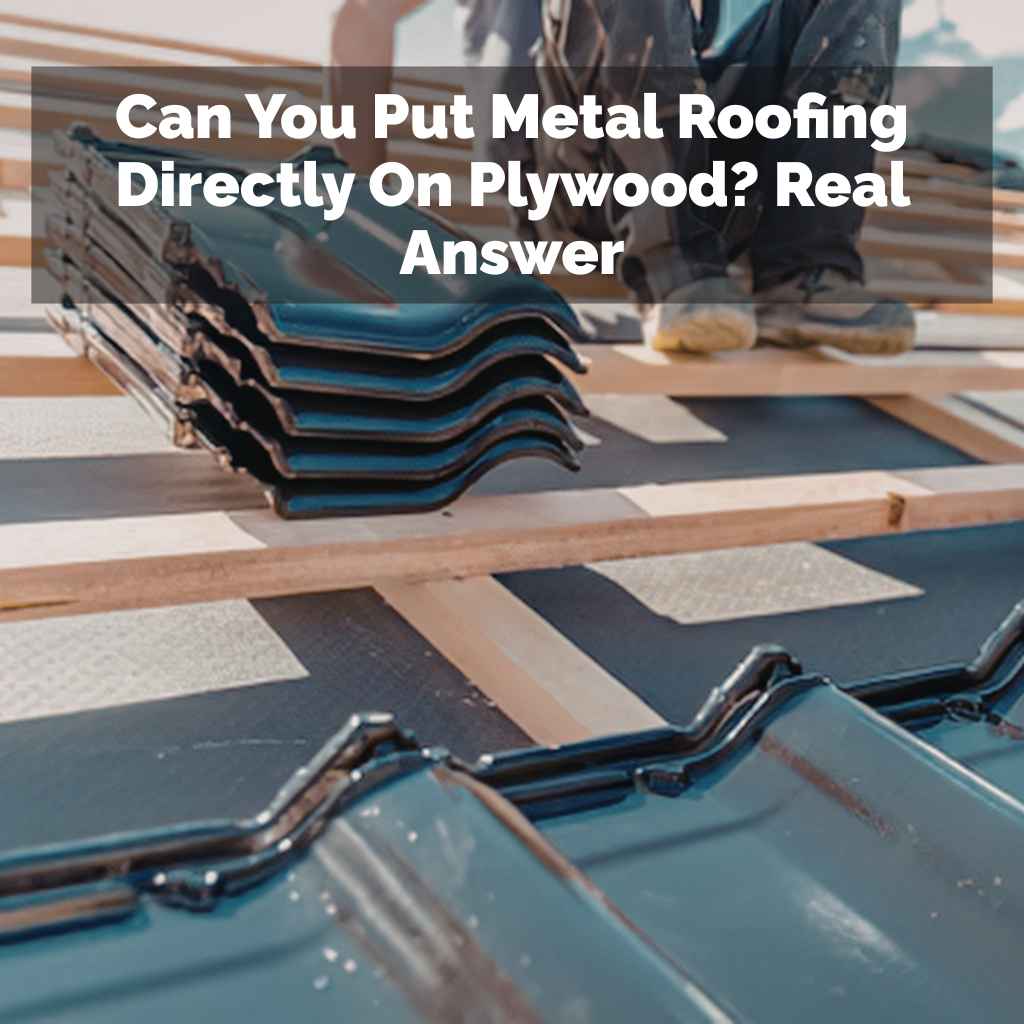
Can You Put Metal Roofing Directly On Plywood? Real Answer
Putting metal roofing directly on plywood is generally not recommended by manufacturers and experts. While it might seem like a shortcut, it can lead to several issues like moisture problems, reduced lifespan, and voided warranties. Proper underlayment and solid sheathing are crucial for a durable and safe metal roof installation.
Understanding Metal Roofing on Plywood
Metal roofs are a fantastic choice. They last a long time. They can also look very nice on a house.
Many people think about how they are put on. A big question is about what goes underneath the metal. Plywood is a common material used in home building.
It’s often used for the roof deck. This is the surface the roofing sits on. So, it feels natural to ask if metal can go right on it.
The short answer is: it’s complicated. While some very specific situations or temporary setups might allow it, it’s not the standard or best practice. There are important reasons why.
These reasons have to do with how roofs work. They also involve protecting your home from weather. We need to think about water, air, and temperature.
These are key players in roof health.
For a metal roof to work well, it needs a good base. This base has a few jobs. It needs to be strong.
It needs to be flat. And it needs to handle moisture. Plywood alone might not do all of this perfectly.
Especially over many years. We will explore the details of why this matters so much.
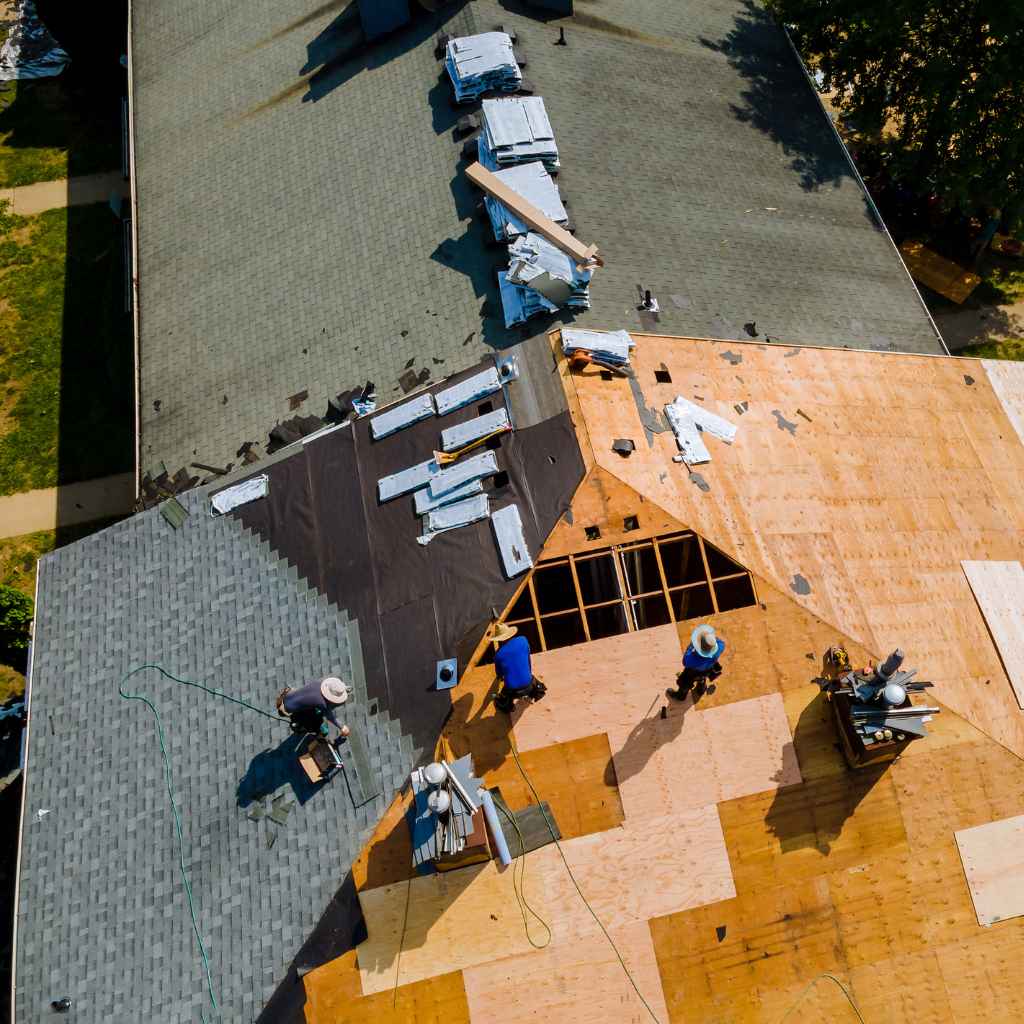
Why Direct Installation is Often Not Advised
The main issue with putting metal roofing directly on plywood is moisture. Plywood is wood. Wood can absorb water.
When rain or snow hits your roof, some water might get under the metal panels. Even with a good seal, tiny amounts can seep in. If this moisture gets trapped against the plywood, it can cause problems.
One problem is rot. Wet wood can start to decay. This weakens the plywood.
It can even spread to the roof structure underneath. Another issue is mold. Mold loves damp, dark places.
A wet roof deck is a perfect spot for mold to grow. This is bad for your home’s health and can cause issues inside.
Metal itself can also be affected. If moisture is trapped, it can lead to rust. This is especially true for steel roofs.
Even aluminum can corrode over time. This weakens the metal. It can lead to leaks and reduce how long the roof lasts.
It also looks bad.
Manufacturers of metal roofing often have specific instructions. These instructions detail what kind of underlayment is needed. They usually require a specific type of decking too.
Ignoring these instructions can void your warranty. This means if something goes wrong, the company won’t pay to fix it.
The Role of Underlayment and Solid Sheathing
This is where things get important. Underlayment is a layer that goes between the roof deck and the metal panels. Think of it as a second skin for your roof.
It’s usually made of a strong, waterproof material. This material is designed to stop water from reaching the deck. Even if the metal panels leak a little, the underlayment is there to protect.
There are different types of underlayment. Some are synthetic. Others are asphalt-based.
The type you need depends on the metal roofing system. And also on local building codes. Your installer will know the right kind to use.
They will make sure it’s installed correctly.
Sheathing is the actual deck of your roof. Plywood is a common type of sheathing. OSB (Oriented Strand Board) is another.
For metal roofing, it’s usually best to have solid sheathing. This means no big gaps. It needs to be strong and well-fastened.
This gives the underlayment and the metal something firm to hold onto. It also helps spread the load evenly.
A well-installed underlayment on solid sheathing does a few key things. It protects the wood deck from moisture. It helps prevent leaks.
It can also add a layer of protection against wind uplift. This is when wind tries to lift the roof off your house. It provides a smoother surface for the metal panels to lay on.
This can help them seal better.
Personal Experience: A Close Call with a Leaky Roof
I remember helping a friend with his garage roof a few years back. He was keen to get it done fast before a big storm was predicted. He had some leftover plywood sheets.
He thought, “Why buy more material? I’ll just put the metal right on the plywood.” I voiced my concerns, but he was confident. He’d seen it done before, he said.
We worked quickly, and it looked good from the ground. The metal panels were screwed down tight. It seemed solid.
Then the storm hit. It wasn’t even a major one, but the wind was strong. And it rained hard, with wind driving the rain sideways.
A few days later, he called me. “There’s a dark patch on the garage ceiling,” he said, a note of worry in his voice. We went over.
Sure enough, a small but noticeable water stain was spreading. We went back to the roof. We found where a few screws hadn’t been perfectly sealed against the wind-driven rain.
A tiny amount of water had gotten past the metal.
It hadn’t caused major rot yet. But the plywood underneath was visibly damp. It made me realize how quickly things can go wrong.
If we had used the proper underlayment, that water would have been stopped. It would have run off the roof safely. That day really drove home the importance of following best practices.
Skipping steps, even small ones, can lead to costly repairs down the road. It was a stressful few hours figuring out how to fix it properly.
Key Components for a Metal Roof
Roof Deck: This is the solid surface. It’s usually plywood or OSB. It must be strong and well-attached.
Underlayment: A waterproof layer. It goes between the deck and the metal. It protects against moisture.
Metal Panels: The main roofing material. They come in many styles and colors.
Fasteners: Special screws or nails. They hold the metal panels down. They must have seals to prevent leaks.
Flashing: Metal pieces. Used at roof edges, valleys, and around chimneys. They direct water away.
Manufacturer Guidelines and Warranty Concerns
Metal roofing manufacturers invest a lot of time and money into research. They develop specific systems for their products. These systems are designed to work in harmony.
They ensure the roof performs as expected for many years. This includes how the panels connect. It also includes what they attach to.
Most manufacturers will clearly state what type of roof deck is required. They will also specify the type and installation of underlayment. Following these guidelines is not just about getting the roof to look right.
It’s about ensuring it functions correctly for its intended lifespan. This is usually 30 to 50 years or more.
When you buy a metal roof, it often comes with a warranty. This warranty is a promise from the manufacturer. It says they will cover certain defects or failures.
However, warranties have conditions. One of the most common conditions is proper installation. If the roof is not installed according to the manufacturer’s specifications, the warranty can become void.
This is a huge risk.
Imagine paying a lot for a premium metal roof. Then, ten years later, you have a major leak or the panels start to fail. If the manufacturer finds out you didn’t use the specified underlayment or deck type, they can refuse to honor the warranty.
You would then be responsible for all repair costs. These costs can be very high for a full roof replacement.
It’s always wise to get a copy of the manufacturer’s installation manual. Share this with your roofing contractor. Make sure they understand and agree to follow all the guidelines.
This protects you and ensures you get the full benefit of your investment.
Building Codes and Local Regulations
Building codes exist for a reason. They are put in place to ensure that structures are safe. They also ensure they are built to last.
Local governments adopt and enforce these codes. They help protect homeowners and the community.
When it comes to roofing, building codes are very specific. They often dictate the type of roof deck material. They also specify the required thickness and spacing of fasteners.
Furthermore, codes usually mandate the type and installation of underlayment. This is especially true for certain types of roofing materials, like metal.
In many areas, putting metal roofing directly on plywood, especially without the correct underlayment, would not meet building code requirements. This could cause problems during inspection. If your roof isn’t built to code, you might have to rip it up and do it again.
This is a costly and time-consuming mistake.
Even if you’re not required to have inspections for a re-roofing job, it’s still important. Local codes are based on general safety principles and best practices. They are designed to prevent common problems.
Ignoring them is like ignoring a warning sign. It might be fine for a while, but you increase the risk of future issues.
When planning your metal roof project, it’s a good idea to check with your local building department. You can ask about the specific requirements for metal roofing installation in your area. This ensures that your project is done correctly from the start.
It also gives you peace of mind.
Understanding Your Roof Layers
Layer 1: Roof Deck (Plywood/OSB) – The structural base.
Layer 2: Underlayment – The moisture barrier.
Layer 3: Metal Roofing Panels – The protective outer shell.
Each layer plays a vital role. They work together to keep your home dry and safe.
What to Use Instead: The Right Way to Install Metal
So, if direct installation isn’t the way to go, what is? The standard and most reliable method involves a few key steps. This ensures your metal roof is durable and protected.
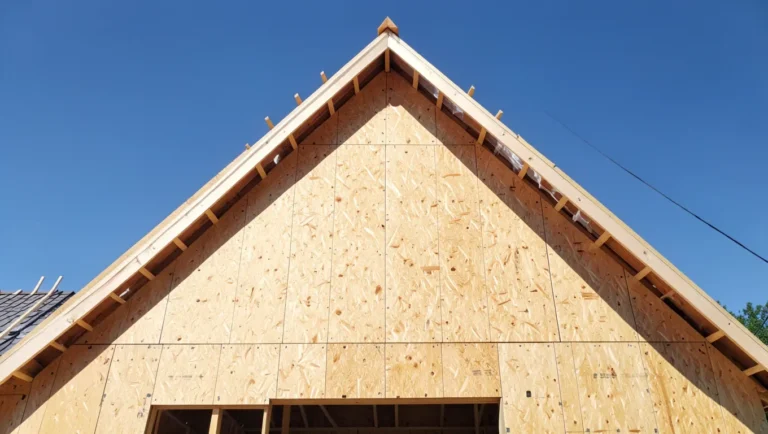
First, you need a solid roof deck. This is usually made of plywood or OSB boards. These boards need to be properly installed.
They should be fastened securely to the roof rafters or trusses. There should be no large gaps between the boards. The thickness of the plywood or OSB is also important.
It needs to be thick enough to support the roofing system. Your local building codes will often specify the minimum thickness required.
Next, you apply the underlayment. This is a crucial step. You typically start at the bottom edge of the roof.
The underlayment is rolled out horizontally. Each new layer overlaps the one below it. This ensures water can run down the roof without getting underneath.
There are specific rules about how much overlap is needed. Your installer will follow these carefully.
Different types of underlayment are used. Some are felt-based. Others are synthetic.
Synthetic underlayments are often preferred for metal roofs. They offer excellent water resistance and durability. They are also lighter and easier to install than traditional felt.
Some advanced systems even have a sticky edge. This helps create a stronger seal.
After the underlayment is in place, the metal panels are installed. These are fastened according to the manufacturer’s instructions. This usually involves special screws with rubber washers.
These washers help create a watertight seal around each screw hole. The panels are carefully overlapped. This prevents water from entering the seams.
Finally, flashing is installed. This is metal material. It’s used around any penetrations.
This includes chimneys, vents, or skylights. It’s also used at roof edges and in valleys where two roof slopes meet. Proper flashing is critical.
It directs water away from vulnerable areas.
This layered approach might seem like more work. But it creates a robust roofing system. It’s designed to withstand the elements for decades.
It also ensures your warranty stays valid.
Real-World Scenarios and Potential Issues
Let’s think about different kinds of homes and climates. In areas with mild weather, a direct installation might seem to hold up for a while. You might not see immediate problems.
But the risks are still there.
Consider homes in humid regions. Moisture is a constant challenge in places like Florida or Louisiana. Even small amounts of trapped moisture can lead to rapid decay of the plywood.
This can cause serious structural damage. The constant presence of dampness can also encourage mold growth. This can affect indoor air quality.
In colder climates, ice dams can form. If water gets under the metal and freezes, it expands. This expansion can lift or damage the metal panels.
It can also cause ice to back up under the roofing, leading to leaks when it melts. Proper underlayment is essential for preventing ice dam issues.
What about temporary structures or sheds? Sometimes, for a very simple, temporary shed, someone might skip the underlayment. This might be acceptable if the shed is not a critical structure and is expected to have a short lifespan.
However, for a house, this is a risk you don’t want to take. Your home is a major investment.
Another scenario is a DIY project gone wrong. A homeowner might be trying to save money by doing the work themselves. They might underestimate the importance of the underlayment.
Or they might not know how to install it correctly. This can lead to the same problems as a contractor skipping the step. It’s always best to have experienced professionals handle roofing work.
The design of the roof also matters. Steeply pitched roofs tend to shed water more quickly. Low-slope or flat roofs require extra attention to sealing and drainage.
In all cases, a well-installed underlayment provides an essential safety net.
When is Direct Installation Possibly Okay? (Very Rare!)
- Temporary Structures: For sheds or playhouses with very short expected lifespans.
- Specific Systems: Some very niche, specialized metal roofing systems designed for direct-to-deck installation (extremely uncommon for residential).
- Extreme Dry Climates: In desert regions with virtually no humidity or rain (still risky!).
Disclaimer: Even in these cases, it’s not generally recommended and may void warranties.
When to Worry About Your Metal Roof Installation
How do you know if your metal roof was installed correctly? Or if it’s starting to show signs of trouble? There are a few things to look out for.
Visual Inspection: Walk around your house after a rainstorm. Look for any water pooling on the roof. Check for drips or wet spots on the underside of the eaves.
Inspect your attic or crawl space if you have one. Look for any signs of moisture, staining, or mold on the ceiling joists or plywood deck.
Loose or Damaged Panels: If you see any metal panels that are loose, have popped screws, or look damaged, it’s a concern. This could mean water is getting in. Also, check for any signs of rust or corrosion on the metal panels.
This can be a sign of trapped moisture.
Sound of Walking on the Roof: If you were to walk on your roof (use extreme caution!), listen to the sounds. If you hear creaking or spongy sounds, it might indicate that the plywood deck is starting to rot or delaminate. This is a serious issue.
Warranty Information: Review your roofing contract and the manufacturer’s warranty. Make sure the installation methods described match what was done. If you have any doubts, it’s worth getting a second opinion from another qualified roofing professional.
Age of the Roof: Metal roofs are durable, but no roof lasts forever. If your roof is 20-30 years old, it’s nearing the end of its expected lifespan. Even a properly installed roof will eventually need replacement.
Signs of wear and tear will become more common.
If you notice any of these signs, it’s best to call a professional roofer. They can inspect your roof. They can identify any potential problems.
They can recommend the necessary repairs. Addressing issues early can prevent them from becoming much bigger and more expensive problems.
Quick Tips for a Healthy Metal Roof
Keeping your metal roof in good shape involves more than just the initial installation. A little ongoing care goes a long way.
- Keep Gutters Clean: Clogged gutters can cause water to back up. This can flow under the edges of your metal roof. Clean them out at least twice a year.
- Trim Overhanging Branches: Large tree branches can scratch or damage metal panels. They can also shed debris that traps moisture. Keep them trimmed back.
- Inspect Regularly: Make a habit of looking at your roof from the ground. Check for any obvious damage after storms. A quick visual check can catch small problems early.
- Avoid Walking on the Roof: Unless absolutely necessary and done by a professional, try to avoid walking on your metal roof. It can scratch the finish or damage the panels.
- Watch for Debris: Remove any leaves, twigs, or other debris that collects on your roof. This can trap moisture and lead to corrosion or other issues.
- Check Seals Around Flashing: Periodically look at areas where flashing is installed. Make sure the seals are intact and not cracked or deteriorating.
These simple steps help ensure your metal roof continues to protect your home for its full lifespan. They also help maintain its attractive appearance.
Frequently Asked Questions About Metal Roofing on Plywood
Can I put metal roofing directly on an old asphalt shingle roof deck?
Generally, no. Most metal roofing systems require a solid, continuous deck underneath. Old shingles can be uneven and may not provide the necessary support.
Often, old shingles must be removed before installing metal roofing. Always check the manufacturer’s guidelines and local building codes.
What is the best underlayment for a metal roof?
Synthetic underlayments are highly recommended for metal roofs. They offer superior water resistance, durability, and UV protection compared to traditional felt. Some modern synthetic underlayments have self-adhering properties that create an excellent seal against water intrusion.
How long does a metal roof typically last?
With proper installation and maintenance, a metal roof can last 40 to 70 years or even longer. This is significantly longer than asphalt shingles, which typically last 15 to 30 years. The exact lifespan depends on the type of metal, the climate, and the quality of the installation.
Is metal roofing noisy during rain?
This is a common myth. When installed correctly over a solid deck with proper underlayment, metal roofs are not significantly noisier than other roofing materials. The underlayment and the roof deck absorb much of the sound.
In fact, some studies show they can be quieter than shingles.
What are the signs that my metal roof is leaking?
Signs of a leaking metal roof include water stains on ceilings or walls, visible moisture in the attic, damp or moldy smells, and drips from the roof. Sometimes, you might also notice rust spots or damage to the metal panels themselves.
Can I install metal roofing myself over plywood?
While some DIYers attempt metal roofing, it is a complex process. Proper installation is critical for performance and warranty. It requires specific tools, knowledge of building codes, and attention to detail, especially with underlayment and flashing.
Hiring a professional is highly recommended to ensure the job is done right and your warranty is protected.
The Bottom Line on Metal Roofing and Plywood
So, to wrap things up, can you put metal roofing directly on plywood? While it might seem like a simple option, it’s really not the best way. For a roof that lasts and protects your home, you need more.
A proper underlayment is key. It acts as a vital barrier against moisture.
Following manufacturer guidelines and local building codes is crucial. This ensures your roof is safe, durable, and that your warranty stays valid. Taking these steps protects your investment for years to come.
It’s about building a strong, reliable shelter over your head.
Sponsored / affiliate links. As an Amazon Associate I earn from qualifying purchases. I may earn additional commission from eligible campaigns.