Can You Stain Edge Banding? Only Real Wood Veneer Banding
Yes, but only if the banding is real wood. Wood veneer and solid wood edge banding take stain much like the panel they cover. PVC, ABS and melamine banding are pre-finished materials that do not absorb stain, so for those the answer is to match the color before you install them, not after.
That one fact decides almost every edge banding finishing problem, and it is easy to miss because the strips look alike on the roll. This guide shows how to tell the types apart, how to stain veneer banding without blotches or sand-through, and what to do if the wrong kind is already glued on. If you are still choosing a thickness, our guide to 3mm edge banding covers sizing, and edge tape for plywood covers application.
Can You Stain Edge Banding? It Depends on the Material
Best Pre-Stain Conditioner Pick
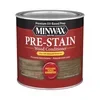 |
Minwax Pre-Stain Wood Conditioner, 1/2 Pint A small can covers a set of veneer edges when you plan to use an oil-based stain and want to avoid blotches.
|
Edge banding suppliers are consistent on this point: veneer banding can be sanded and stained to match the panel, while PVC and melamine banding come pre-finished and cannot be stained after application. The table below is the quick version.
| Banding type | Takes stain? | What to do |
|---|---|---|
| Wood veneer (iron-on or glue-on) | Yes, like the same species of solid wood | Sand lightly, condition if blotch-prone, stain, then topcoat |
| Solid wood edging | Yes | Stain and finish with the panel |
| PVC or ABS | No, it is pre-finished plastic | Order color-matched banding before building |
| Melamine (resin-paper) | No, it is pre-finished | Match the color or pattern to the panel before applying |
| Pre-finished veneer | Already finished, so stain will not soak in evenly | Match it to your panel finish, or buy unfinished veneer instead |
Notice the last row. Pre-finished veneer is a trap: it is real wood, but it already carries a factory finish, so stain will not soak in the way it would on bare veneer. If you plan to stain, buy unfinished veneer banding.
How to Tell What Your Edge Banding Is Made Of
Before you open a can of stain, identify the banding. These checks cost nothing and take a few minutes.
- Look at the edge closely. Veneer shows real grain lines that wander and vary. PVC and melamine look uniform, and printed woodgrain patterns repeat.
- Check the product label or listing. Veneer banding is sold by species, such as oak, maple or birch, often as 3/4 inch wide iron-on rolls. Plastic banding is sold by color or pattern name.
- Sand a hidden inch. Veneer gives fine wood dust and a fresh wood surface. Plastic smears and gives no wood fibers, and melamine wears through to a paper layer.
- Dab stain on a hidden offcut. If it beads up and wipes clean, you have plastic or a sealed finish. If it darkens and shows grain, it is bare wood.
The panel face can fool you too. If the panel itself is melamine-coated, stain will not take on its face either, which is why melamine cabinet boxes are usually matched by color rather than stained. Our comparison of melamine cabinets vs wood explains where that trade-off shows up.
What Happens When You Stain Veneer Banding
Veneer banding is a thin slice of real wood, so it behaves like that species, with a few quirks that come from being thin and glued.
The glue line can telegraph through
Iron-on banding carries a hot-melt adhesive on its back. Guidance from edge banding suppliers warns that glue soaking through thin veneer can leave discolored spots, and uneven sanding can leave uneven color. Keep the iron moving, do not overheat one spot, and remove squeeze-out at the panel edge before you sand, not after.
Thin veneer sands through fast
The strip is far thinner than a board. Sand gently with a fine grit, check the edge often, and stop as soon as it is smooth. Sanding through the veneer exposes glue or the panel core, and no stain will hide that. If a strip is stiff or wavy before gluing, see our notes on how to soften wood veneer.
The panel core does not stain the same way
Plywood, MDF and particleboard edges sit right beside the banding. Any spot where the banding does not fully cover the core, or where trimming leaves a sliver of core showing, will take stain differently and read as a dark or pale line. Trim flush, ease the edge lightly, and check under a raking light before you stain.
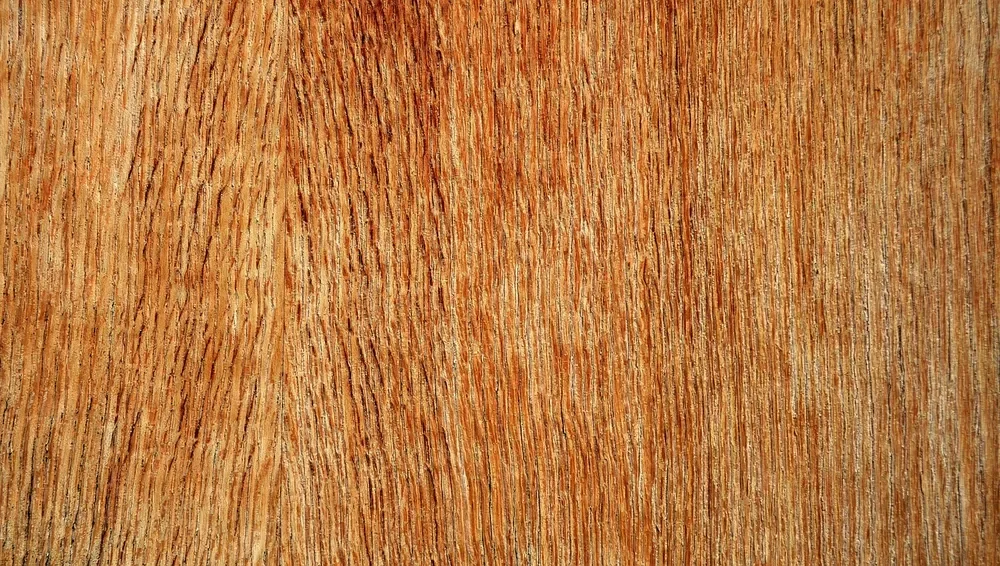
How to Stain Edge Banding, Step by Step
- Apply and trim the banding first. One cabinetmaking forum thread notes that a pre-stained strip shows its original color as soon as it is trimmed. Trimming and sanding first means you stain the surface you will actually see.
- Sand lightly. Use a fine grit on a block so the edge stays square. Wipe off all dust.
- Mask adjacent surfaces. Painter’s tape on the panel face protects finished areas. If you can, finish parts before assembly: the same cabinetmaking thread leans toward pre-finishing components because it is simpler than finishing a completed box.
- Condition blotch-prone veneer. Apply a pre-stain conditioner that matches your stain type. Supplier guidance singles out softwood veneer as the case where a conditioner matters most, and the Minwax can is labeled for oil-based stains.
- Test on a scrap. Glue a scrap of the same banding onto an offcut the same way and stain it. This shows the real color, the glue effect and the blotching risk before you touch the project.
- Apply stain with a rag or small brush and wipe off the excess. Work along the grain. Thin veneer picks up color quickly, so start with a short dwell and build up with a second coat if needed.
- Let it dry fully, then topcoat. Seal with a clear finish compatible with your stain.
Stain, Dye, or Paint: What Fits Edge Banding
Match your edge finish to the panel finish, not to a color chip. A gel stain sits more on the surface and is easier to control on a vertical edge, while a penetrating stain brings out more grain but is more likely to blotch. One veneer banding supplier recommends water-based products over oil-based ones for finishing banding, so read your conditioner and stain labels and stay within one system. Whichever you pick, buy one small can and try it on the scrap first.
If you would rather paint the edges than stain them, veneer banding can be primed and painted, but that is a different look than a stain match. Our guide on whether you can paint particle board cabinets covers the panel side of that decision.
Common Edge Banding Staining Problems
- Blotchy edge: the veneer is porous or unevenly sanded. Sand evenly, use a conditioner, and shorten stain dwell time.
- Light spots along the edge: glue or squeeze-out sealed the wood. Scrape or sand it off before staining. For more on working around glue, see how to stain over dried wood glue.
- Edge darker than the face: veneer edge and panel face absorb differently, or the core is exposed. Blend with a lighter second coat on the edge.
- Color will not match: the species is different, or the banding is pre-finished. No stain turns one species into another, so match the species at purchase.
- Stain will not stick at all: the banding is PVC, ABS, melamine or factory-finished. Replace it with unfinished veneer, or reorder banding in the right color.
When to Skip Staining Altogether
Staining makes sense when you have unfinished veneer and want the edge to match a stained wood panel. It does not make sense on melamine or laminate panels, where a color-matched PVC or melamine strip will look better than any stain attempt. If the wrong banding is already on, replacing a short run is usually easier than fighting it.
Frequently Asked Questions
Can you stain edge banding?
Only real wood veneer or solid wood edge banding takes stain. PVC, ABS and melamine banding are pre-finished plastic or resin-paper products, so stain sits on the surface or does nothing. Check what the banding is made of before you buy stain.
How can you tell if edge banding is real wood veneer?
Look at the exposed edge and the face. Real veneer shows natural grain lines and small color variations, and it sands like thin wood. PVC and melamine banding have a uniform printed or molded look, and sanding gives you plastic smears or a paper layer instead of wood fibers.
Should you stain edge banding before or after applying it?
Most woodworkers stain after the banding is applied and trimmed, because trimming and sanding expose fresh wood that can look different from the strip’s original color. Staining after also lets you match the stain to the panel in one pass. Mask nearby surfaces with painter’s tape before you start.
Do you need pre-stain conditioner on veneer edge banding?
It helps on porous or softwood-type veneers that tend to blotch. Supplier guidance recommends a conditioner especially for softwood veneer. Test on a scrap strip first, and match the conditioner to your stain type, oil-based or water-based.
What can you do if the edge banding is PVC or melamine and will not take stain?
Replace it with unfinished wood veneer banding, or order color-matched PVC or melamine banding before you build. Once plastic banding is applied you cannot restain it to match, so the color decision has to happen before installation.
Conclusion
Edge banding takes stain only when it is bare wood. Check the material first, choose unfinished veneer if you plan to stain, apply and trim before staining, and test on a scrap glued the same way. For plastic banding, the fix is color matching before installation, not a better stain.
Sponsored / affiliate links. As an Amazon Associate I earn from qualifying purchases. I may earn additional commission from eligible campaigns.